Map

Cape Poge Gut

Fishing spots, fishing reports, and regulations in

Massachusetts, United States

4.0·19 catches

Top fish species at Cape Poge Gut

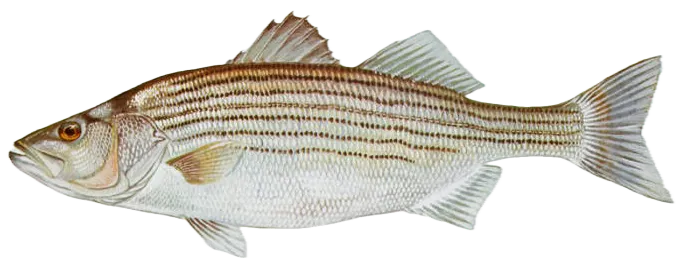
Striped bass
Striped bass
Scup
Scup
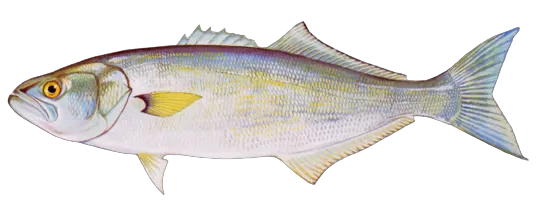
Bluefish
Bluefish
App Section

Check which species have trophy potential in Cape Poge Gut

Cape Poge Gut fishing reports

Loading...

Scup

length · weight

Loading...

Scup

length · weight

Loading...

Pacific bonito

length · weight

Loading...

Skipjack tuna

length · weight

Loading...

Summer flounder

length · weight

Loading...

Bluefish

length · weight

Fishbrain
More catches in the app...

Continue browsing catches and catch locations in the Fishbrain app

Loading...
Loading...
Loading...

General info

Cape Poge Gut is a part of an ocean located in Dukes County, Massachusetts, United States. It is most popular for fishing Striped bass, Scup, and Bluefish.

Location

41°23′48.9″N 70°28′16.6″W
Directions

Amenities

When are Striped Bass biting on Cape Poge Gut?

Learn what time of year and day to go fishing at Cape Poge Gut. Download Fishbrain today to look for new fishing spots, scout new fishing access, or prep for your next trip.

Bite time image

Fishing regulations at Cape Poge Gut, MA

Disclaimer: Always check local fishing regulations, water access rights and land ownership before fishing, regardless of any catches logged in that area by the Fishbrain community. Fishbrain has mapped millions of acres of government-owned land across the USA to help you identify potential fishing access, but you are responsible for ensuring compliance with all legal requirements.

Fishing regulations in Massachusetts can change throughout the year. Make sure to check this page before fishing for the most up to date rules and regulations for the current season. Local regulations govern when you can fish, the max size of the fish you can keep, how many fish you can keep, and more.

Regulations for top species

Season open: year-round
Striped bass

Striped bass

Regulation boundaryMassachusetts State Waters
Bag limit1

The maximum number of individual fish legally harvested per harvester per day. Bag limits are only for properly licensed anglers actively harvesting the species. People who are not actively harvesting or are not properly licensed (if a license is required) may NOT be counted for the purpose of bag limits.

Min size28" (Total Length)

No person shall harvest any individual fish less than the minimum size limit.

Total length means the straight line distance from the most forward point of the head with the mouth closed, to the farthest tip of the tail with the tail compressed or squeezed, while the fish is lying on its side.

Max size31" (Total Length)

No person shall harvest any individual fish greater than the maximum size except as permitted.

Total length means the straight line distance from the most forward point of the head with the mouth closed, to the farthest tip of the tail with the tail compressed or squeezed, while the fish is lying on its side.

RequirementKeep intact

In waters where minimum-length or slot-size limits apply, game fish may not be filleted, nor their head or tail fin removed until the angler has completed fishing for the day.

Restrictions & requirements

Spears

Harvest of this species by "spearing" is prohibited. Spearing includes the catching or taking of a fish by bow hunting, gigging, spearfishing, or by any device used to capture a fish by piercing the body.

Keep Intact

In waters where minimum-length or slot-size limits apply, game fish may not be filleted, nor their head or tail fin removed until the angler has completed fishing for the day.

Additional information
No closed season. Striped bass are measured from the tip of the snout or jaw (mouth closed) to the farthest extremity of the tail. The discard of dead legal sized striped bass is unlawful. The practice of high-grading, whereby legal sized striped bass are released in favor of larger fish caught subsequently is unlawful. Accordingly, it is also unlawful to keep a striped bass alive in water by attaching a line or chain to the fish (stringer), or placing it in a live well or holding car. Striped bass must be kept whole, meaning the head, tail, and body remain intact. Only evisceration is allowed. Permitted for-hire vessels may fillet striped bass for their customers. The use non-lethal devices to remove striped bass from the water is required; gaffing striped bass is prohibited. Revised Circle Hook Requirement: All recreational anglers—including those fishing onboard for-hire vessels—who are fishing for striped bass with bait are required to use inline (non-offset) circle hooks. This shall not apply to any artificial lure with bait attached. Bait is defined as any marine or aquatic organism, live or dead, whole or parts thereof. Striped bass caught on an unapproved method of take (while targeting other finfish species)—such as a baited J hook or treble hook—must be returned to the water immediately without unnecessary injury. Please note that this requirement applies to all recreational anglers, whether fishing from shore, a private vessel, or a for-hire charter or party boat. The hook of an artificial lure does not need to be an inline circle hook to have bait attached. This allowance provides for the continued use of tackle such as a tube-and-worm rig, a bucktail jig tipped with a pork rind, and an eel skin plug. Conversely, a rigged eel (a whole dead eel with hooks threaded through its body) cannot be used unless the hooks are inline circle hooks, and a menhaden snagged on a treble hook cannot be used as bait until transferred onto an inline circle hook. An inline circle hook is defined as a fishing hook designed and manufactured so that the point of the hook is not offset from the plane of the shank and bend and is turned perpendicularly back towards the shank to form a circular or oval shape. While it's understandable that striped bass may be inadvertently caught on an unapproved rig when other species are being targeted, such fish must be returned to the water as quickly and gently as possible.
Synonyms
Morone saxatilis
Season open: May 1 - December 31
Scup

Scup

Regulation boundaryMassachusetts State Waters
Bag limit30

The maximum number of individual fish legally harvested per harvester per day. Bag limits are only for properly licensed anglers actively harvesting the species. People who are not actively harvesting or are not properly licensed (if a license is required) may NOT be counted for the purpose of bag limits.

Min size9.5" (Total Length)

No person shall harvest any individual fish less than the minimum size limit.

Total length means the straight line distance from the most forward point of the head with the mouth closed, to the farthest tip of the tail with the tail compressed or squeezed, while the fish is lying on its side.

Vessel limit150

The maximum number of individual fish legally possessed aboard any vessel.

Additional information
Shore Angler: May 1 – December 31 possession Limit = 30 scup per person, Minimum size = 9.5-inches total lengthPrivate: May 1 – December 31 possession Limit = 30 scup per person, Minimum size = 11-inches total lengthFor-hire Vessel: May 1–June 30 possession Limit = 40 scup per person, Minimum size = 11-inches total lengthFor-hire Vessel: July 1 – December 31 possession Limit = 30 scup per person, Minimum size = 11-inches total length
Edibility
Very good
Synonyms
Stenotomus chrysops
Season open: year-round
Bluefish

Bluefish

Regulation boundaryMassachusetts State Waters
Bag limit3

The maximum number of individual fish legally harvested per harvester per day. Bag limits are only for properly licensed anglers actively harvesting the species. People who are not actively harvesting or are not properly licensed (if a license is required) may NOT be counted for the purpose of bag limits.

Additional information
No size limit. Bag limit increased to 5 bluefish per person per day for recreational anglers fishing from a for-hire vessel during a for-hire trip. Regulations effective May 1, 2020 reduce the recreational bluefish possession limit from 10 fish for all anglers to either 3 or 5 fish depending on fishing mode. This action is consistent with decisions of the Atlantic States Marine Fisheries Commission to reduce coastwide harvest in 2020 so as to not exceed the recreational harvest limit. Massachusetts' recreational bluefish season remains open year-round, with no restriction on the size of bluefish that may be retained. For more information, please visit our website: www.mass.gov/marinefisheries
Edibility
Good, but may contain elevated mercury levels. Catch, Clean, Cook Bluefish by DMFD
Synonyms
Pomatomus saltatrix
License Icon
Local laws and licenses

Massachusetts fishing license

Get license

Reviews of Cape Poge Gut

4.0
Loading...

2 ratings

5
4
3
2
1
Top reviews

Cities nearby

Oak Bluffs

6.3 miles away

Vineyard Haven

8.2 miles away

Seconsett Island

11.9 miles away

New Seabury

11.9 miles away

Monomoscoy Island

12.1 miles away

Popponesset

12.2 miles away

East Falmouth

12.8 miles away

Teaticket

12.9 miles away

Seabrook

12.9 miles away

Popponesset Island

13.0 miles away

Woods Hole

13.5 miles away

Falmouth

14.8 miles away

Mashpee Neck

14.9 miles away

Mashpee

15.3 miles away

West Falmouth

16.5 miles away

North Falmouth

18.5 miles away

Barnstable

19.9 miles away

Forestdale

20.0 miles away

Pocasset

21.5 miles away

Sandwich

21.9 miles away

Bourne

23.2 miles away

Monument Beach

23.3 miles away

Mattapoisett Center

25.4 miles away

Marion Center

26.0 miles away

Anything missing or inaccurate?

Suggest changes to improve what we show.

Suggest changes

FAQ about Cape Poge Gut fishing

📍 Where is Cape Poge Gut located?
Cape Poge Gut is a part of an ocean located in Dukes County, Massachusetts, United States. Its coordinates are:
41°23′48.9″N 70°28′16.6″W
.
🎣 Where on Cape Poge Gut is it best to fish?
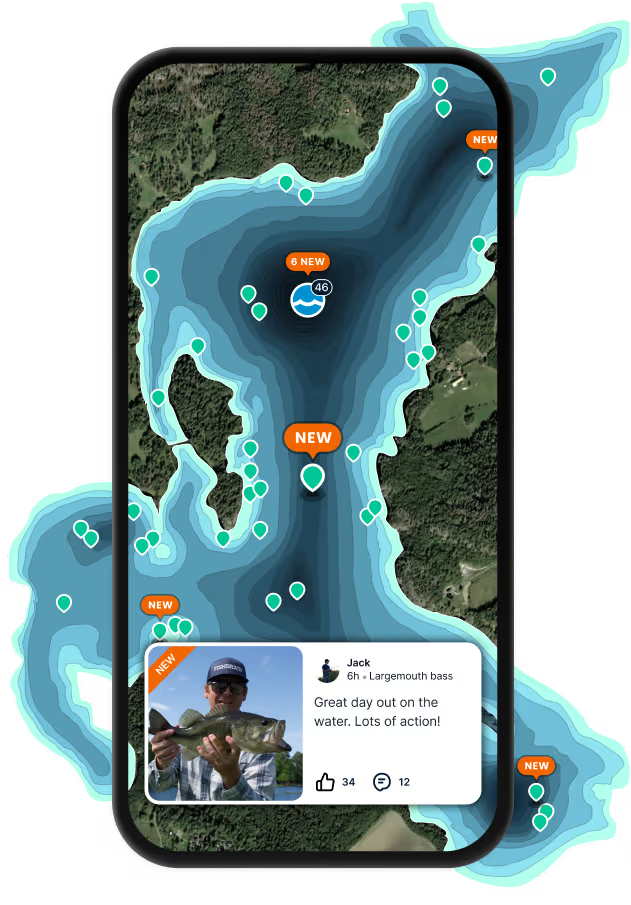
Find the best fishing spots on Cape Poge Gut by looking at where other anglers have caught fish. This can easily be done in the where it is also possible to see big fish potential and how good fishing is right now along with Garmin® depth maps.
🐟 What species are in Cape Poge Gut?
The most common species in Cape Poge Gut are:
  • Striped bass - 3 members reported to have caught this fish
  • Scup - 2 members reported to have caught this fish
  • Bluefish - 2 members reported to have caught this fish
📢 What are the latest Cape Poge Gut fishing reports?
The latest Cape Poge Gut fishing reports are:
🗓️ What species are in season at Cape Poge Gut right now?
According to fishing regulations at Cape Poge Gut, some of the species in season this November include: Tautog, Atlantic bluefin tuna, Scup, Winter flounder, and Atlantic rainbow smelt. For full details on other species — including bag limits, minimum and maximum size limits, and seasonal closures — download the .
🪪 Do I need a fishing license to fish at Cape Poge Gut?

Fishing in Massachusetts requires a valid state fishing license for anglers. Licenses include resident and non-resident, annual and short-term options, available online or at licensed agents.

In Massachusetts, no fishing license is required for anglers under 15 or residents 65 and older. A few other exceptions worth knowing:

  • Free fishing days — most states designate 1–2 weekends a year where anyone can fish without a license

  • Tribal waters — tribal members fishing on tribal land operate under separate tribal regulations

  • Private ponds — landowners fishing their own water typically don't need a license

Non-residents usually pay more for a license than residents. Some species also require an extra stamp or endorsement on top of your base license.

Get license
App Section
Download Fishbrain and fish smarter
Unlimited access to the best fishing spot finder in the game. Get all the fishing intel you need to start catching more, and bigger, fish.

Free trial available

Loading...
Loading...
Loading...
Loading...