Map

Harker's Island

Fishing spots, fishing reports, and regulations in

North Carolina, United States

4.9·279 catches

Top fish species at Harker's Island

App Section

Check which species have trophy potential in Harker's Island

Harker's Island fishing reports
Loading...

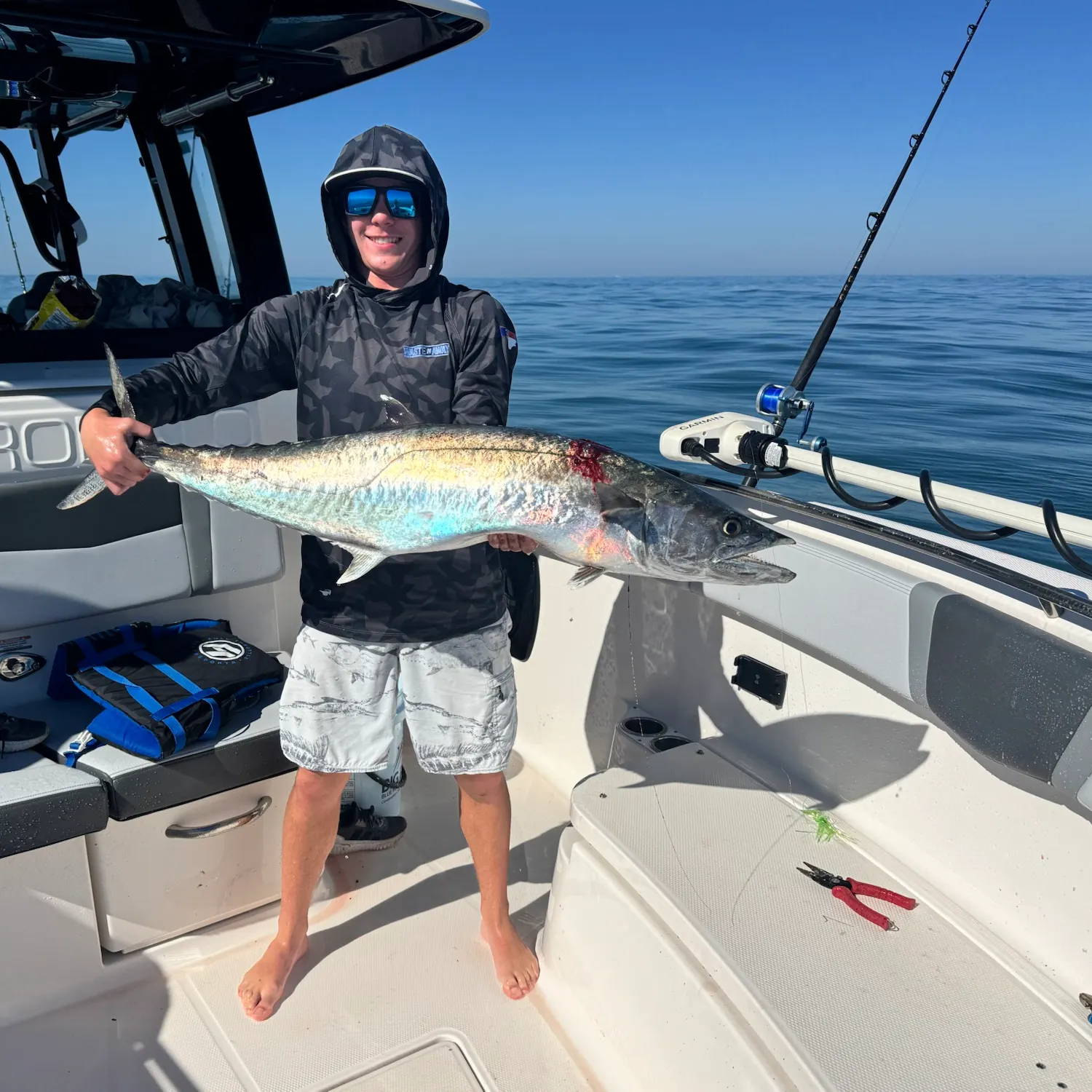
King mackerel

43 in · 29 lb

Loading...

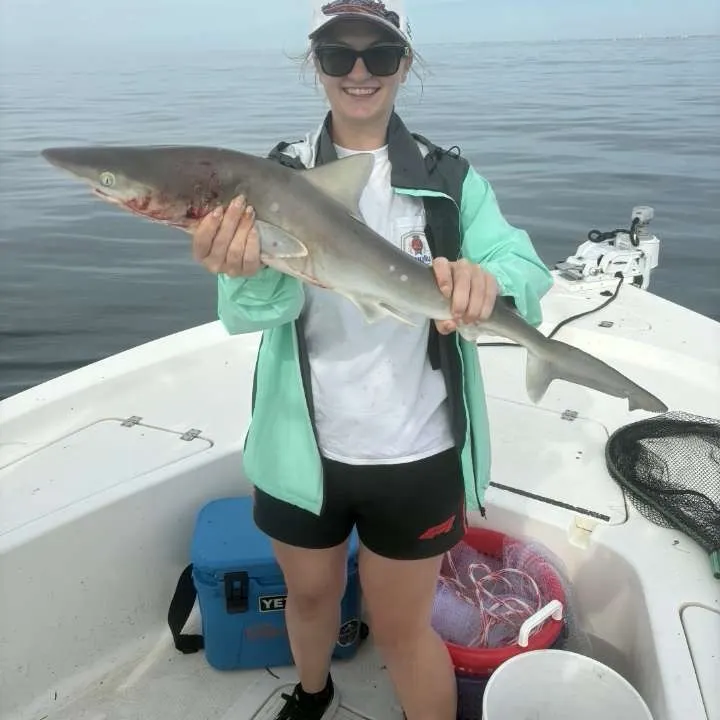
Atlantic sharpnose shark

42 in · 8 lb

Loading...

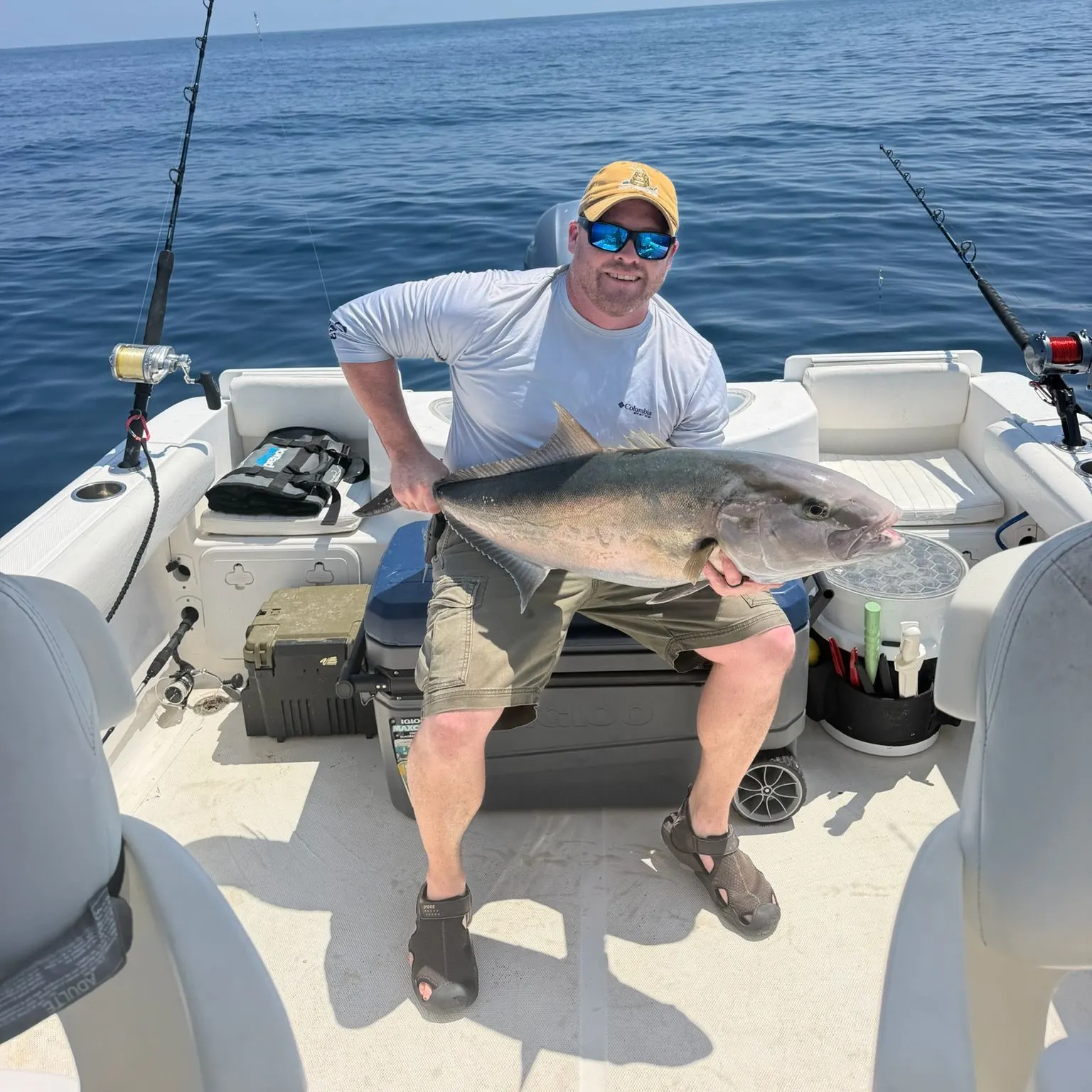
Greater amberjack

length · weight

Loading...

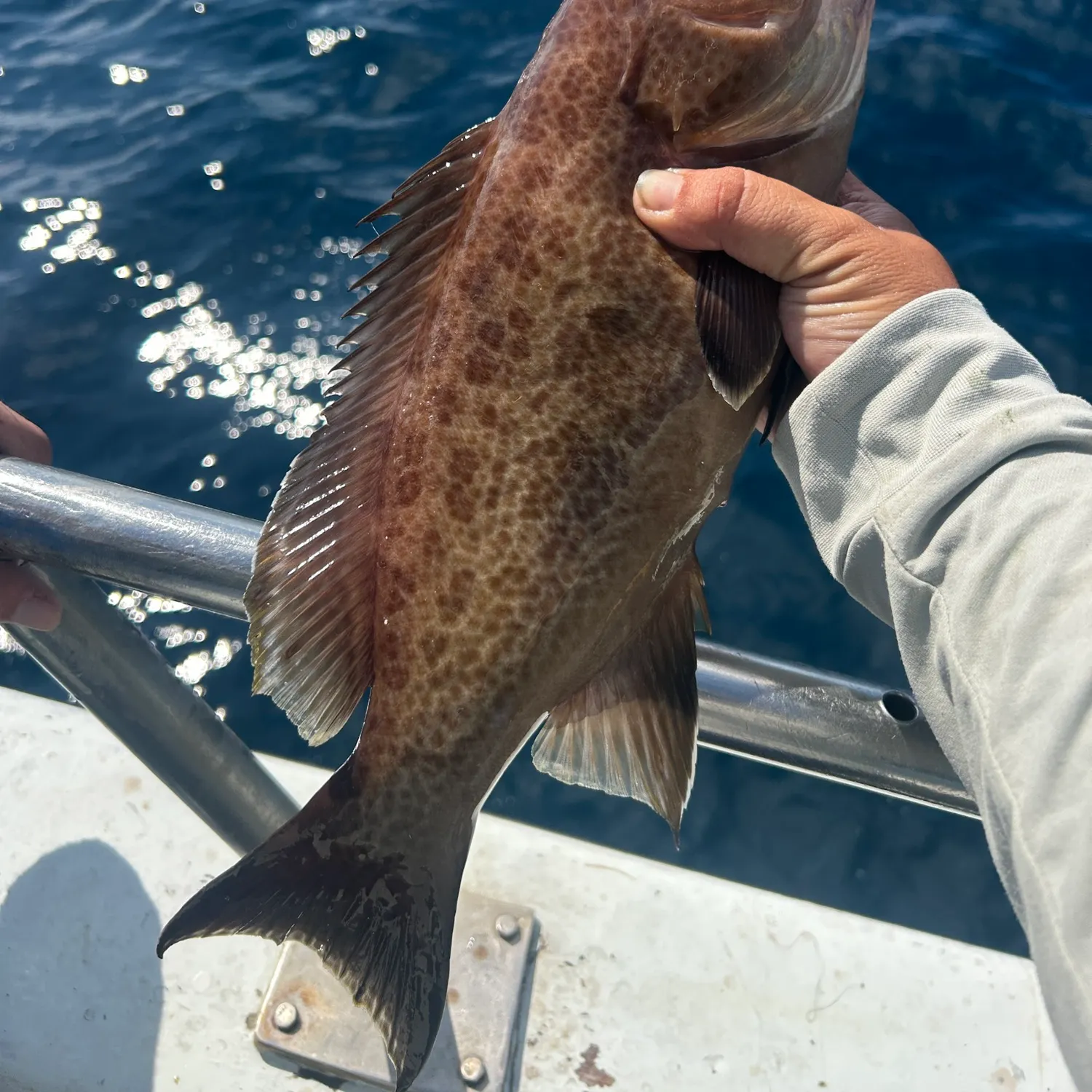
Scamp grouper

length · weight

Loading...

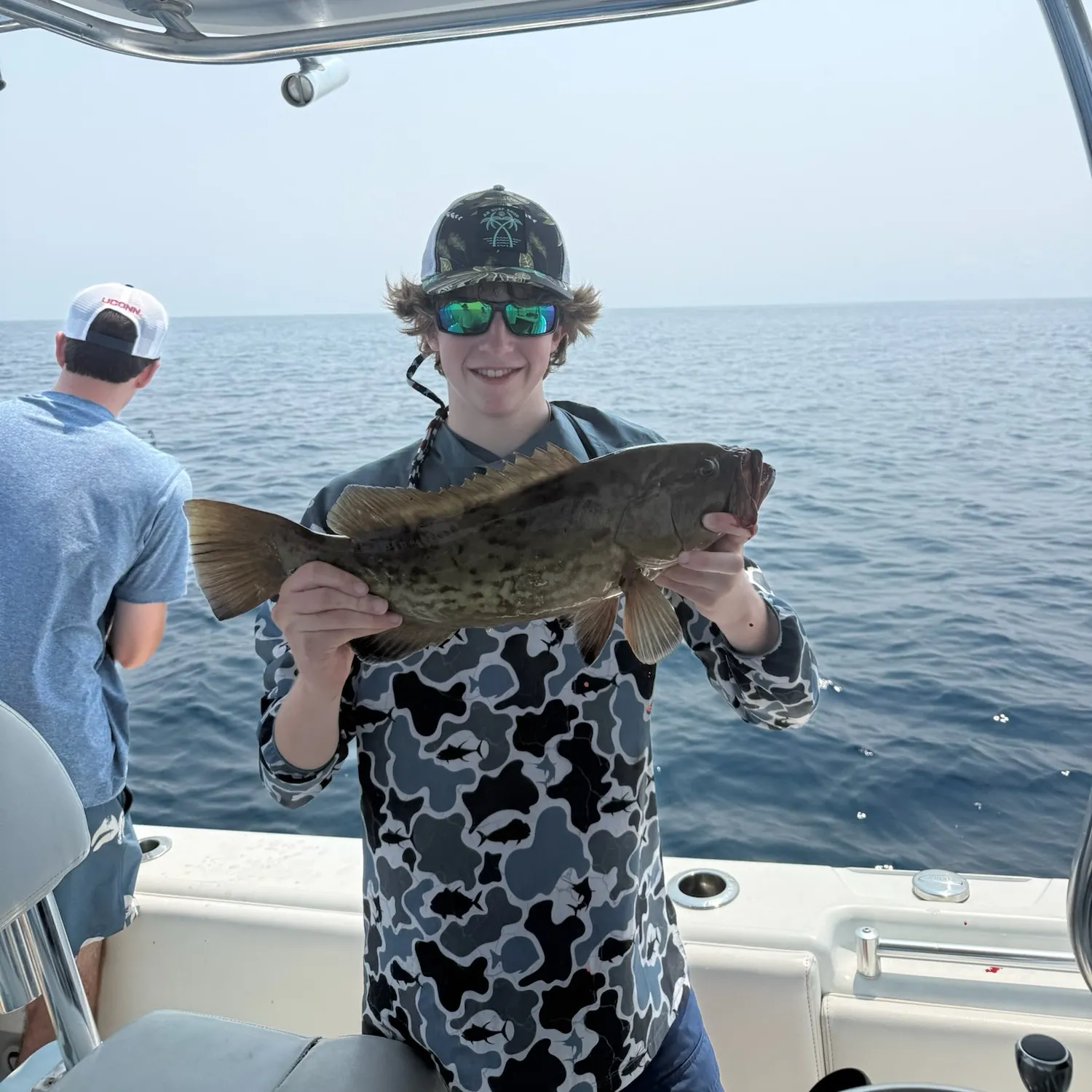
Gag grouper

length · weight

Loading...

Banded Rudderfish

length · weight

Fishbrain
More catches in the app...

Continue browsing catches and catch locations in the Fishbrain app

Loading...
Loading...
Loading...

General info

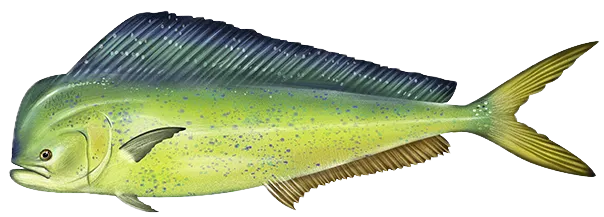
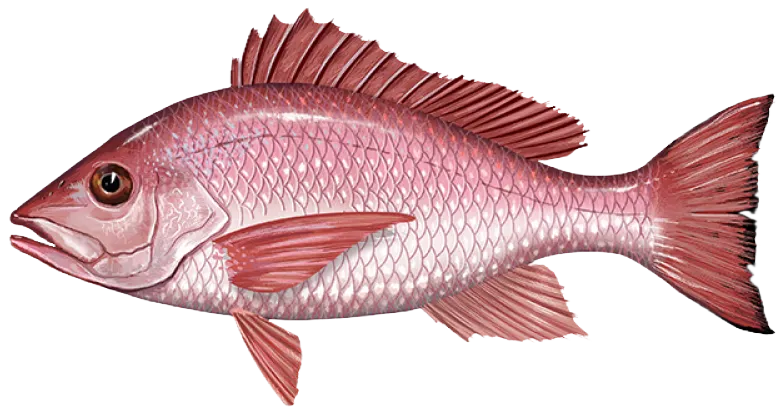
Harker's Island is a part of an ocean located in Carteret County, North Carolina, United States. It is most popular for fishing Common dolphinfish, Greater amberjack, and Northern red snapper.

Location

34°27′14.4″N 76°36′5″W
Directions

Amenities

Fishing regulations at Harker's Island, NC

Disclaimer: Always check local fishing regulations, water access rights and land ownership before fishing, regardless of any catches logged in that area by the Fishbrain community. Fishbrain has mapped millions of acres of government-owned land across the USA to help you identify potential fishing access, but you are responsible for ensuring compliance with all legal requirements.

Fishing regulations in North Carolina can change throughout the year. Make sure to check this page before fishing for the most up to date rules and regulations for the current season. Local regulations govern when you can fish, the max size of the fish you can keep, how many fish you can keep, and more.

Regulations for top species

Season open: year-round
Common dolphinfish

Common dolphinfish

Regulation boundarySouth Atlantic Federal Waters NC
Bag limit10

The maximum number of individual fish legally harvested per harvester per day. Bag limits are only for properly licensed anglers actively harvesting the species. People who are not actively harvesting or are not properly licensed (if a license is required) may NOT be counted for the purpose of bag limits.

Vessel limit54

The maximum number of individual fish legally possessed aboard any vessel.

Additional information
Effective May 2nd 2022, the recreational vessel limit for dolphin is 54 fish (excluding headboats). The 10 dolphin per person per day recreational bag limit will remain unchanged for all recreational vessels (private, charter vessels, and headboats). See Fishery Bulletin Must be landed with head and fins intact. Minimum size limit only applies in waters off Florida, Georgia, and South Carolina. If you are bringing fish back to the U.S. from the Bahamas by water, please see Bringing fish back from the Bahamas. ---------- Federally Permitted Charter/Headboats: -If a federally permitted vessel fishing in federal waters catches a species that is closed to harvest in federal waters, the vessel is not allowed to retain that fish. -If a federally permitted vessel fishing in state waters catches a species that is closed to harvest in federal waters but open in state waters, the vessel is not allowed to retain that species. -If a federally permitted vessel fishing in federal waters catches a species that is closed to harvest in state waters but open to harvest in federal waters, they may retain that fish if they do not stop to fish in state waters when returning to port. All gear must be stowed. For more information, see: Dolphin Regulations
Edibility
Excellent, and they are considered a very sustainable fishery. Catch, Clean, Cook Mahi Mahi by DMFD
Synonyms
Coryphaena hippurus, dorado, mahi mahi
Season open: May 1 - March 31
Greater amberjack

Greater amberjack

Regulation boundarySouth Atlantic Federal Waters
Bag limit1

The maximum number of individual fish legally harvested per harvester per day. Bag limits are only for properly licensed anglers actively harvesting the species. People who are not actively harvesting or are not properly licensed (if a license is required) may NOT be counted for the purpose of bag limits.

Min size28" (Fork Length)

No person shall harvest any individual fish less than the minimum size limit.

Fork Length means the length of a fish as measured from the most forward point of the head to the rear center edge of the tail.

Special gear

Reef Fish Gear

Allowable gear includes vertical hook-and-line, including hand line and bandit gear, and spearfishing gear without rebreathers. When fishing for or possessing snapper grouper species in federal waters of the South Atlantic, the following regulations apply: (1) Use of a dehooking tool is required. (2) The use of non-stainless steel hooks is required when using hook-and-line gear with natural baits. In waters North of 28-degrees N. latitude, the use of non-offset, non-stainless steel circle hooks is required when fishing for snapper grouper species using hook-and-line gear with natural baits. (3) A descending device is required on board all vessels and must be readily available for use (attached to at least 16 ounces of weight and at least 60 feet of line). See below for more details.

Restrictions & requirements

Descending Device

A descending device is required on board all vessels fishing for or possessing snapper and grouper species in federal waters of the South Atlantic. The descending device must be readily available for use and attached to at least 16 ounces of weight and at least 60 feet of line.

Required licenses
Anglers intending to land this species in Florida are required to sign up as a Florida State Reef Fish Angler if they fish from a private recreational boat and are 16 years of age and older. To sign up, call 1-888-347-4356.
Additional information
Greater amberjack spawning season closure: From April 1 through April 30, each year, no person may fish for, harvest, or possess in or from the South Atlantic EEZ any greater amberjack. A descending device is required on board all vessels fishing for or possessing snapper and grouper species in federal waters of the South Atlantic. The descending device must be readily available for use and attached to at least 16 ounces of weight and at least 60 feet of line. Get more information at Best Fishing Practices Webpage Must be landed with head and fins intact.If you are bringing fish back to the U.S. from the Bahamas by water, please see Bringing fish back from the Bahamas. ----------Federally Permitted Charter/Headboats:If a federally permitted vessel fishing in federal waters catches a species that is closed to harvest in federal waters, the vessel is not allowed to retain that fish.If a federally permitted vessel fishing in state waters catches a species that is closed to harvest in federal waters but open in state waters, the vessel is not allowed to retain that species.If a federally permitted vessel fishing in federal waters catches a species that is closed to harvest in state waters but open to harvest in federal waters, they may retain that fish if they do not stop to fish in state waters when returning to port. All gear must be stowed. Federally Permitted Charter/Headboats must have the following on board:the 2019 version of the NMFS document titled "Careful Release Protocols for Sea Turtle Release with Minimal Injury" (document may be electronic).NMFS sea turtle handling and release guidelines placardRequired release and handling gearsSee Snapper Grouper Sea Turtle and Smalltooth Sawfish Release Gear Requirements for more information. For more information on management of South Atlantic federal fisheries, please visit SAFMC or NOAA Fisheries. To see commercial regulations, download Fish Rules Commercial App for iOS devices or Android devices.
Edibility
Very good, but may contain high levels of mercury.For identification help, see You Don't Know Jack.
Synonyms
Kahala, Seriola dumerili, Spaghetti salmon, allied kingfish, great amberfish, greater yellowtail, jenny lind, purplish amberjack, reef donkey, rock salmon, sea donkey, yellow trevally
Season closed: July 12 - July 11
Northern red snapper

Northern red snapper

Regulation boundarySouth Atlantic Federal Waters
Bag limit1

The maximum number of individual fish legally harvested per harvester per day. Bag limits are only for properly licensed anglers actively harvesting the species. People who are not actively harvesting or are not properly licensed (if a license is required) may NOT be counted for the purpose of bag limits.

Special gear

Reef Fish Gear

Allowable gear includes vertical hook-and-line, including hand line and bandit gear, and spearfishing gear without rebreathers. When fishing for or possessing snapper grouper species in federal waters of the South Atlantic, the following regulations apply: (1) Use of a dehooking tool is required. (2) The use of non-stainless steel hooks is required when using hook-and-line gear with natural baits. In waters North of 28-degrees N. latitude, the use of non-offset, non-stainless steel circle hooks is required when fishing for snapper grouper species using hook-and-line gear with natural baits. (3) A descending device is required on board all vessels and must be readily available for use (attached to at least 16 ounces of weight and at least 60 feet of line). See below for more details.

Restrictions & requirements

Descending Device

A descending device is required on board all vessels fishing for or possessing snapper and grouper species in federal waters of the South Atlantic. The descending device must be readily available for use and attached to at least 16 ounces of weight and at least 60 feet of line.

Required licenses
Anglers intending to land this species in Florida are required to sign up as a Florida State Reef Fish Angler if they fish from a private recreational boat and are 16 years of age and older. To sign up, call 1-888-347-4356.
Additional information
NOAA Fisheries Update: Effective Immediately, No Recreational Red Snapper Fishing is Authorized Under the South Atlantic Exempted Fishing Permits - South Atlantic Red Snapper Fishing in Federal Waters Remains Closed. More information HERE. A descending device is required on board all vessels fishing for or possessing snapper and grouper species in federal waters of the South Atlantic. The descending device must be readily available for use and attached to at least 16 ounces of weight and at least 60 feet of line. Learn how to help more released fish survive and share what you're seeing on the water by visiting the Best Fishing Practices and SAFMC Release webpages. Federally Permitted Charter/Headboats:If a federally permitted vessel fishing in federal waters catches a species that is closed to harvest in federal waters, the vessel is not allowed to retain that fish.If a federally permitted vessel fishing in state waters catches a species that is closed to harvest in federal waters but open in state waters, the vessel is not allowed to retain that species.If a federally permitted vessel fishing in federal waters catches a species that is closed to harvest in state waters but open to harvest in federal waters, they may retain that fish if they do not stop to fish in state waters when returning to port. All gear must be stowed.Federally Permitted Charter/Headboats must have the following on board:The 2019 version of the NMFS document titled "Careful Release Protocols for Sea Turtle Release with Minimal Injury" (document may be electronic).NMFS sea turtle handling and release guidelines placardRequired release and handling gearsSee Snapper Grouper Sea Turtle and Smalltooth Sawfish Release Gear Requirements for more information. For more information on management of South Atlantic federal fisheries, please visit SAFMC or NOAA Fisheries. For commercial regulations, download Fish Rules Commercial App for iOS devices or Android devices.
Edibility
Excellent, but may contain ciguatera toxin.
Synonyms
Lutjanus campechanus
License Icon
Local laws and licenses

North Carolina fishing license

Get license

Reviews of Harker's Island

4.9
Loading...

10 ratings

5
4
3
2
1
Top reviews

Cities nearby

Harkers Island

17.2 miles away

Marshallberg

19.5 miles away

Morehead City

20.7 miles away

Davis

25.1 miles away

Broad Creek

26.5 miles away

Emerald Isle

28.4 miles away

Atlantic

33.0 miles away

Swansboro

34.7 miles away

Havelock

35.6 miles away

Minnesott Beach

38.8 miles away

Oriental

40.4 miles away

Arapahoe

41.2 miles away

Sneads Ferry

45.0 miles away

Piney Green

45.7 miles away

Fairfield Harbour

47.1 miles away

Maysville

47.6 miles away

Jacksonville

48.9 miles away

Grantsboro

49.7 miles away

Vandemere

50.9 miles away

New Bern

51.7 miles away

Mesic

51.8 miles away

Pollocksville

51.9 miles away

Aurora

59.6 miles away

Ocracoke

60.4 miles away

Anything missing or inaccurate?

Suggest changes to improve what we show.

Suggest changes

FAQ about Harker's Island fishing

📍 Where is Harker's Island located?
Harker's Island is a part of an ocean located in Carteret County, North Carolina, United States. Its coordinates are:
34°27′14.4″N 76°36′5″W
.
🎣 Where on Harker's Island is it best to fish?
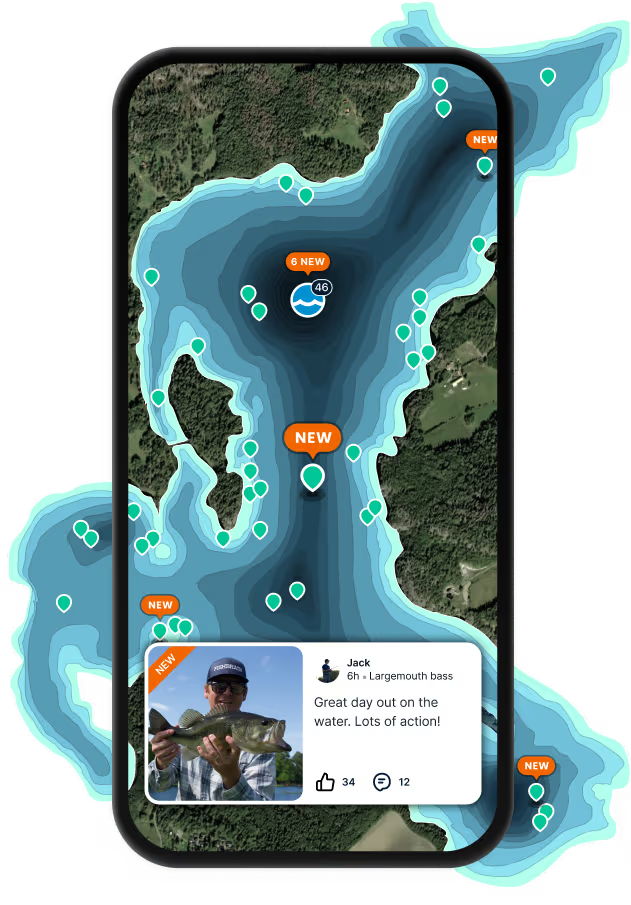
Find the best fishing spots on Harker's Island by looking at where other anglers have caught fish. This can easily be done in the where it is also possible to see big fish potential and how good fishing is right now along with Garmin® depth maps.
🐟 What species are in Harker's Island?
The most common species in Harker's Island are:
📢 What are the latest Harker's Island fishing reports?
The latest Harker's Island fishing reports are:
🗓️ What species are in season at Harker's Island right now?
According to fishing regulations at Harker's Island, some of the species in season this November include: Cobia, Red grouper, Atlantic bluefin tuna, Greater amberjack, and Black grouper. For full details on other species — including bag limits, minimum and maximum size limits, and seasonal closures — download the .
🪪 Do I need a fishing license to fish at Harker's Island?

Fishing in North Carolina requires a valid state fishing license for anglers. Licenses include resident and non-resident, annual, short-term, and combination options, purchasable online or at vendors.

In North Carolina, no fishing license is required for anglers under 16. Residents 70 and older qualify for a discounted lifetime license. A few other exceptions worth knowing:

  • Free fishing days — most states designate 1–2 weekends a year where anyone can fish without a license

  • Tribal waters — tribal members fishing on tribal land operate under separate tribal regulations

  • Private ponds — landowners fishing their own water typically don't need a license

Non-residents usually pay more for a license than residents. Some species also require an extra stamp or endorsement on top of your base license.

Get license
App Section
Download Fishbrain and fish smarter
Unlimited access to the best fishing spot finder in the game. Get all the fishing intel you need to start catching more, and bigger, fish.

Free trial available

Loading...
Loading...
Loading...
Loading...