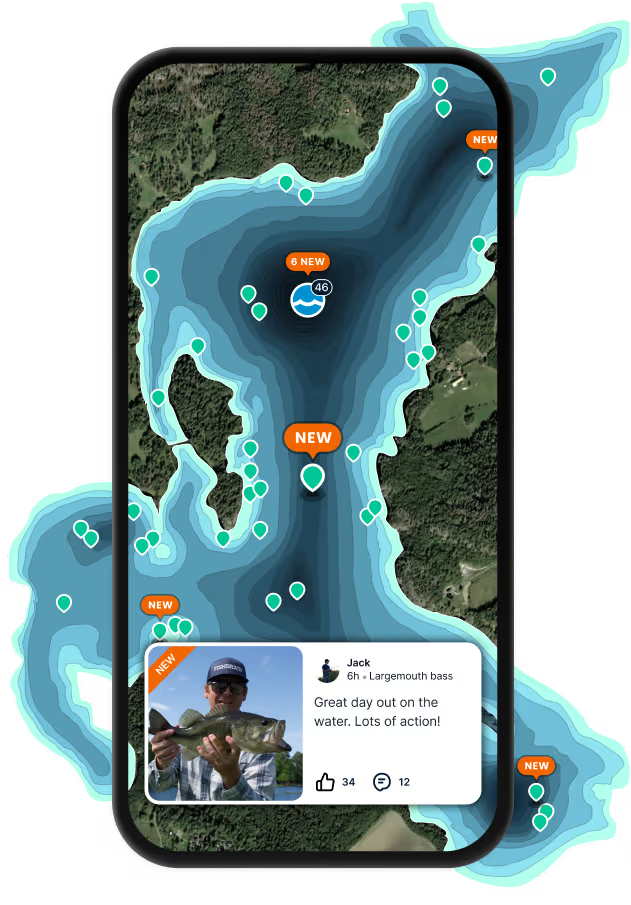
Map

Stotts Creek

Fishing spots, fishing reports, and regulations in

Indiana, United States

4.0·6 catches

Top fish species at Stotts Creek

App Section

Check which species have trophy potential in Stotts Creek

Stotts Creek fishing reports
Loading...

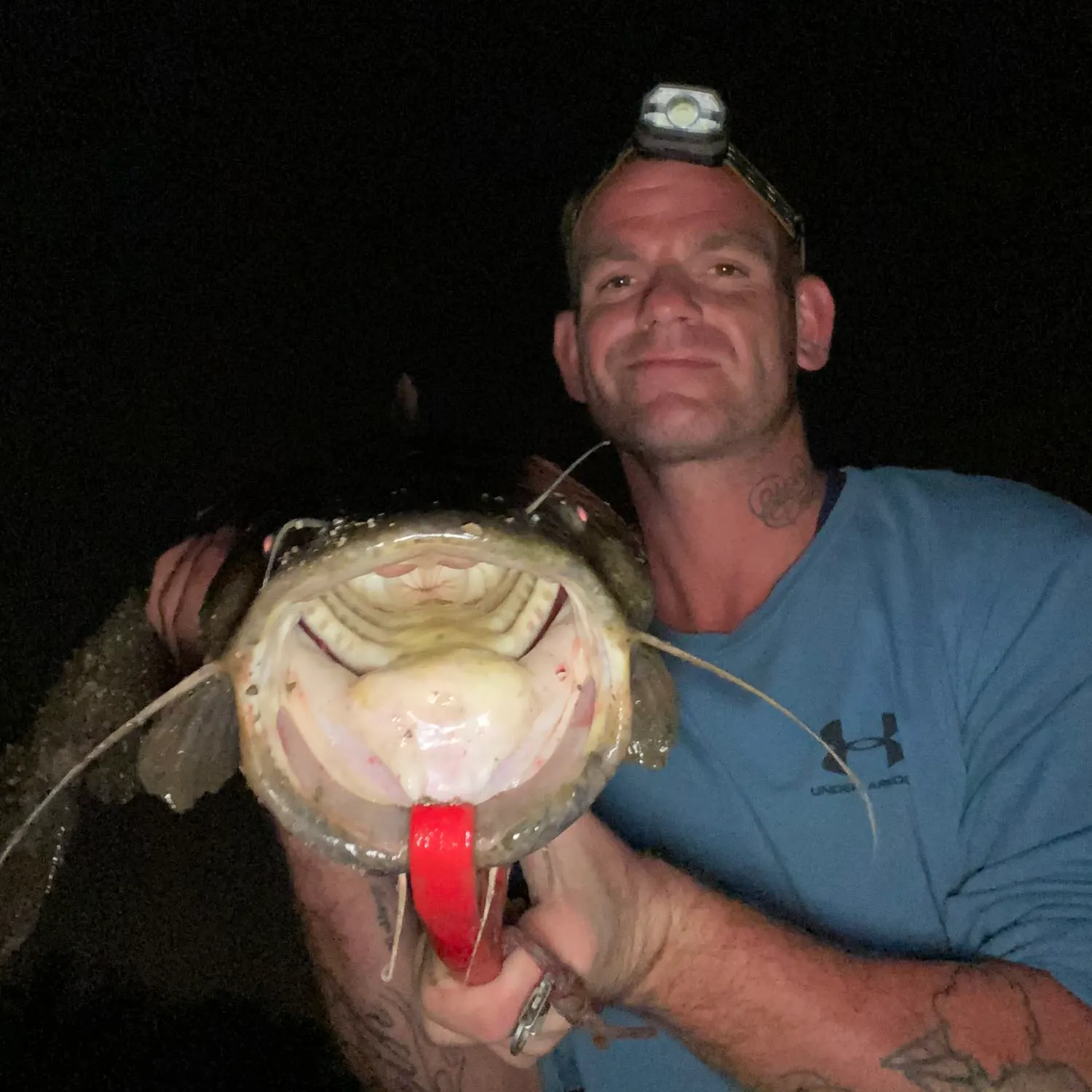
Flathead catfish

length · weight

Loading...

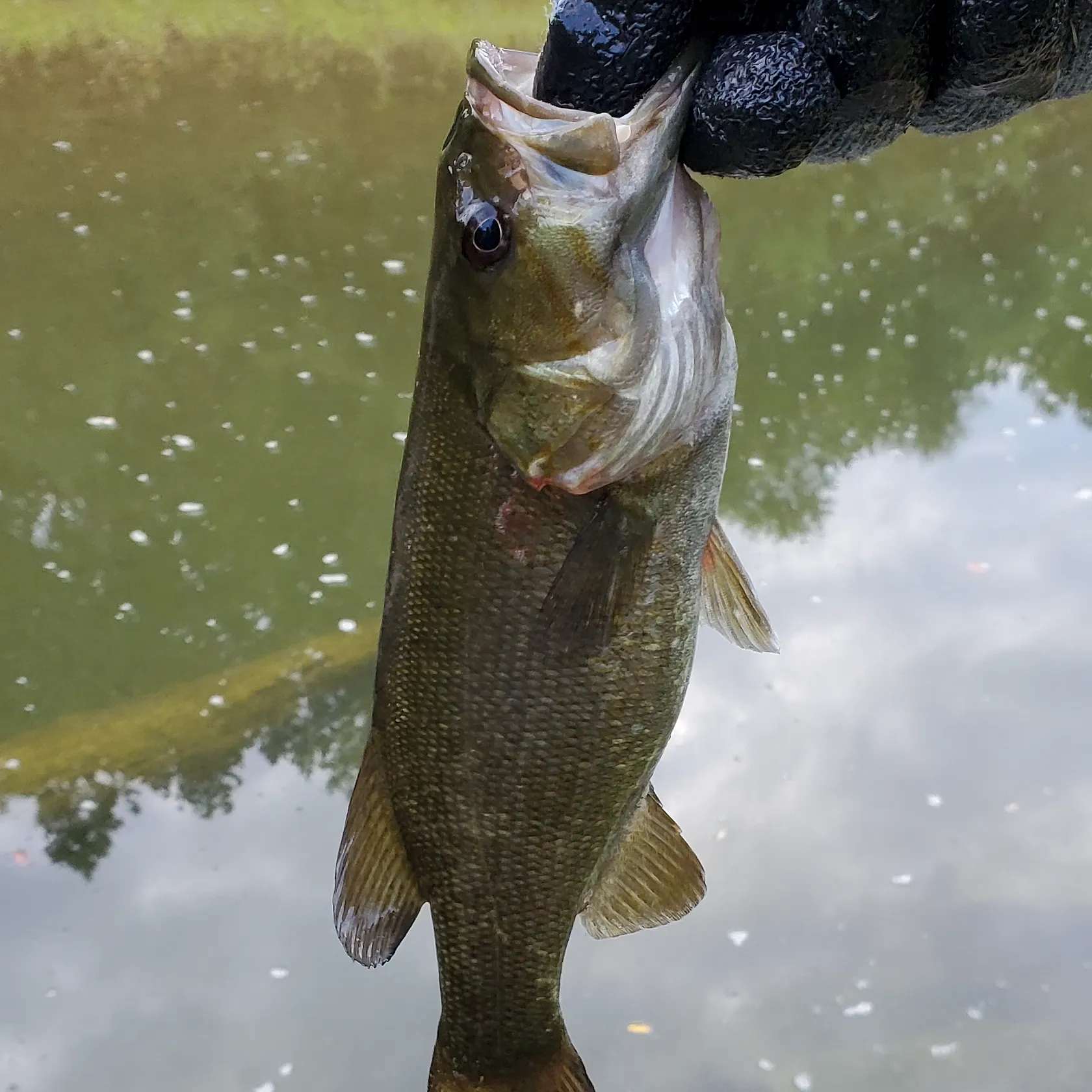
Smallmouth bass

length · weight

Loading...

Freshwater drum

length · weight

Loading...

Smallmouth bass

length · weight

Loading...

Smallmouth bass

length · weight

Loading...

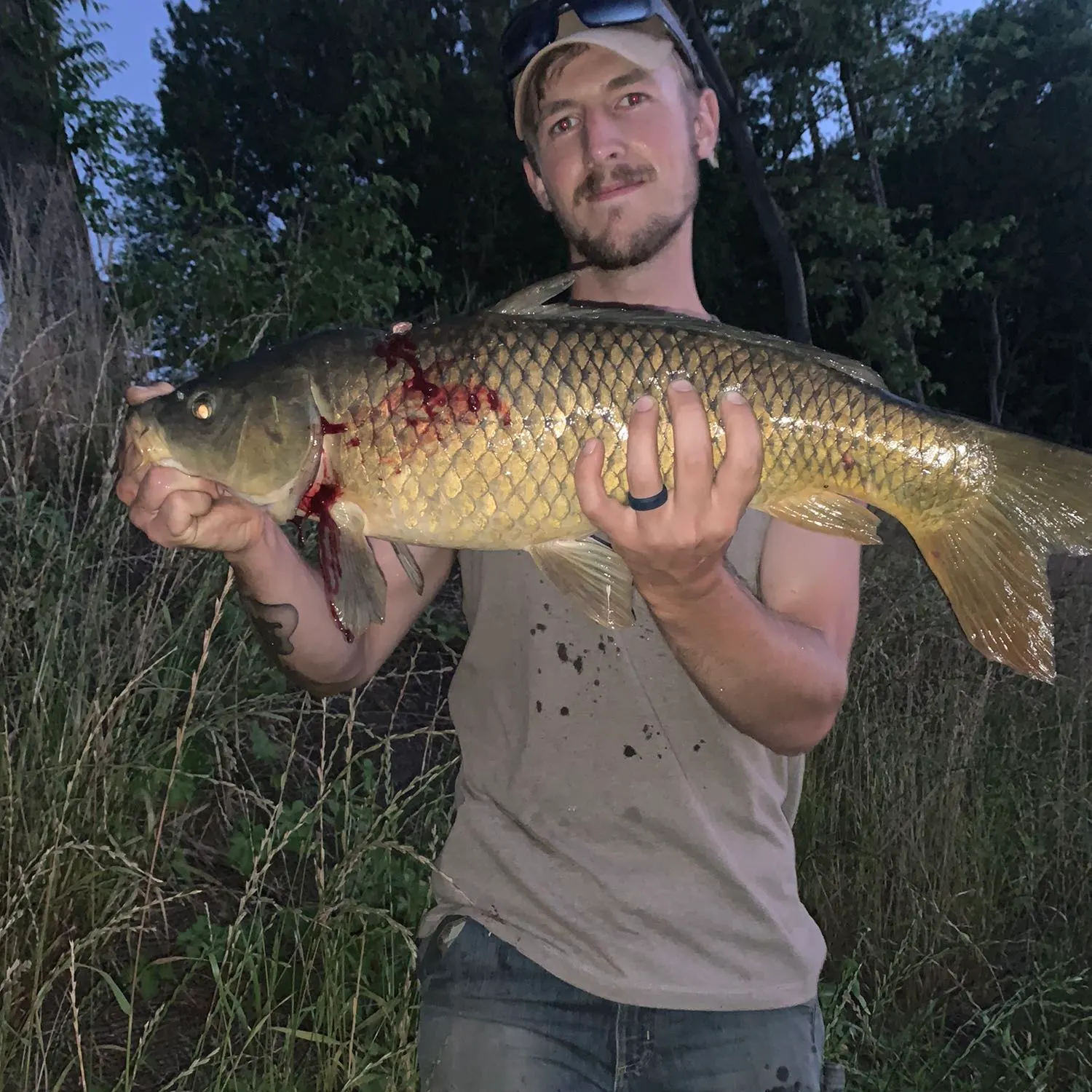
Common carp

length · weight

Fishbrain
More catches in the app...

Continue browsing catches and catch locations in the Fishbrain app

Loading...
Loading...
Loading...

General info

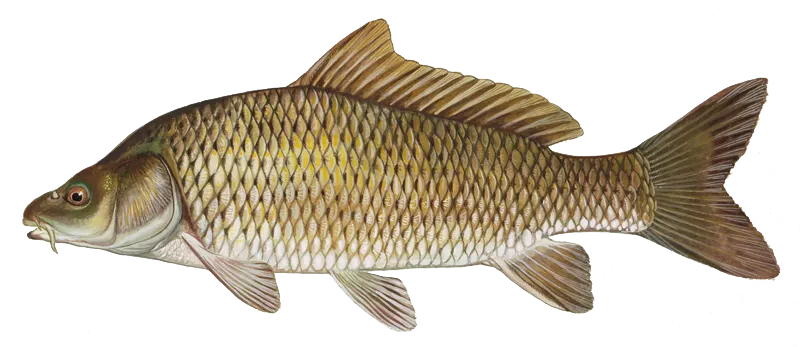
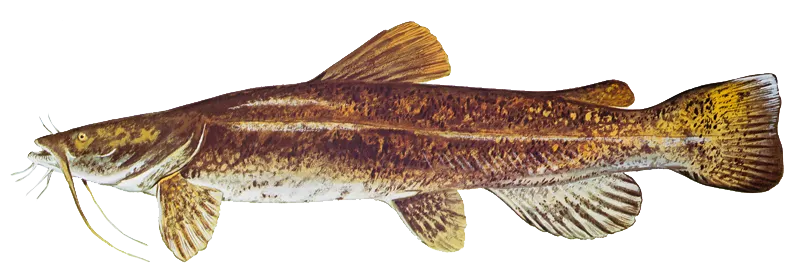
Stotts Creek is a stream located in Morgan County, Indiana, United States. It is most popular for fishing Smallmouth bass, Common carp, and Flathead catfish.

Location

39°28′59.8″N 86°19′42.4″W
Directions

Fishing regulations at Stotts Creek, IN

Disclaimer: Always check local fishing regulations, water access rights and land ownership before fishing, regardless of any catches logged in that area by the Fishbrain community. Fishbrain has mapped millions of acres of government-owned land across the USA to help you identify potential fishing access, but you are responsible for ensuring compliance with all legal requirements.

Fishing regulations in Indiana can change throughout the year. Make sure to check this page before fishing for the most up to date rules and regulations for the current season. Local regulations govern when you can fish, the max size of the fish you can keep, how many fish you can keep, and more.

Regulations for top species
Season open: year-round
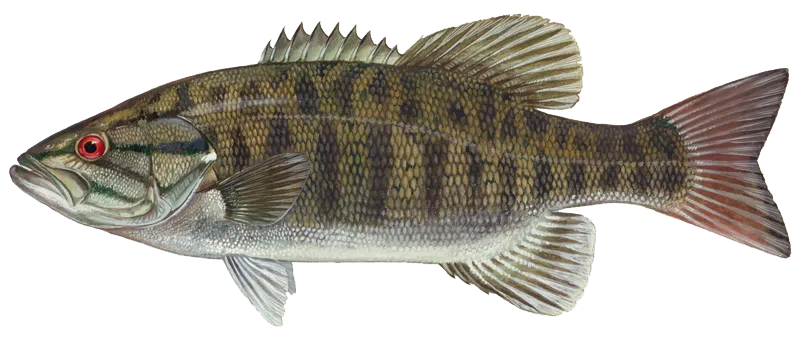
Smallmouth bass

Smallmouth bass

Regulation boundaryIndiana State Waters
Bag limit5

The maximum number of individual fish legally harvested per harvester per day. Bag limits are only for properly licensed anglers actively harvesting the species. People who are not actively harvesting or are not properly licensed (if a license is required) may NOT be counted for the purpose of bag limits.

Min size14" (Total Length)

No person shall harvest any individual fish less than the minimum size limit.

Total length means the straight line distance from the most forward point of the head with the mouth closed, to the farthest tip of the tail with the tail compressed or squeezed, while the fish is lying on its side.

Aggregate limit5

The maximum number of individual fish across an aggregate group of species legally harvested per harvester per day.

Additional information
These regulations are for smallmouth bass in lakes. Smallmouth bass regulations for rivers and streams are as follows: size limit = no black bass 12 to 15-inches total length may be kept, and no more than 2 black bass over 15-inches total length may be kept;daily bag limit = 5 black bass (any combination of largemouth, smallmouth, or spotted bass) Smallmouth bass regulations for Lake Michigan are as follows: minimum size = 14-inches total length;daily bag limit = 3 black bass (any combination of largemouth, smallmouth, or spotted bass) Special Regulations for Lakes:Lake Limits by County 15-inch minimum size limit: Patoka Lake (Orange, Dubois, and Crawford counties) 16-inch minimum size limit: Cecil M. Harden Lake (Parke County) 18-inch minimum size limit and two fish daily bag limit: Ball Lake (Steuben County) Blue Grass, Loon Pit (Warrick County) Fidler Pond (Elkhart County) Failing Lake, also known as Gentian Lake (Steuben County) Flat Fork Creek Park ponds A and B (Hamilton County) Kunkel Lake (Wells County) Robinson Lake (Whitley and Kosciusko counties) All lakes at Tri-County Fish & Wildlife Area (Kosciukso, Noble, and Elkhart counties)Bixler Lake, Henderson Lake, Little Long Lake, and Round Lake (Noble County)20-inch minimum size limit and one fish daily bag limit: Turtle Creek Reservoir (Sullivan County) 12- to 15-inch slot size limits (At the following lakes, smallmouth bass that are from 12 to 15 inches in length may not be harvested. The daily bag limit applies to bass under 12 inches and over 15 inches): • Buffalo Trace Lake (Harrison County)• Ferdinand State Forest Lake (Dubois County)• Montgomery City Park Lake (Daviess County)12- to 15-inch slot size limit (no more than two bass larger than 15 inches): Big Long Lake (LaGrange County) No minimum size limit waters: Brownstown Pit (Jackson County)Burdette Park lakes (Vanderburgh County)Chandler Town Lake (Warrick County)Cypress Lake (Jackson County)Deming Park lakes (Vigo County) Garvin Park Lake (Vanderburgh County)Glen Miller Pond (Wayne County)Hayswood Lake (Harrison County)Henry County Memorial Park Lake (Henry County)Hovey Lake at Hovey Lake Fish & Wildlife Area (Posey County)Krannert Lake (Marion County)Lake Sullivan (Marion County)Ruster Lake (Marion County)Schnebelt Pond (Dearborn County)  Special Regulations for Rivers & Streams Ohio Riverdaily bag limit = 6 black bass (any combination of largemouth, smallmouth, or spotted bass)minimum size = 12-inches total length20-inch minimum size limit and one fish daily bag limit: Sugar Creek (Montgomery, Parke, Boone, Clinton, and Tipton counties)12-inch minimum size limit (5 bass daily limit): All rivers and streams in Posey, Vanderburgh, Warrick, Spencer, Perry, Crawford, Harrison, Floyd, Clark, Jefferson, Switzerland, Ohio, and Dearborn counties (with the exception of the Blue River, where the slot limit applies in Crawford, Harrison, and Washington counties). 
Synonyms
Micropterus dolomieui
Season open: year-round
Common carp

Common carp

Regulation boundaryIndiana State Waters
Additional information
No bag limit. No size limit. No closed season.A bow and arrow or crossbow can be used year-round at any time of day to take Asian carp, bowfin, buffalo fish, common carp, gar, shad, and suckers from streams, rivers, and non-flowing waters (including lakes, ponds, and reservoirs). A fishing license is required to use a bow and arrow or crossbow as fishing equipment. Bowfin, buffalo fish, carp, gar, shad, and sucker from Lake Michigan can be taken with a bow and arrow. A gig, fish spear, speargun, or underwater spear can be used year-round at any time of day to take Asian carp, bowfin, buffalo fish, common carp, gar, shad, and suckers from non-flowing waters (including lakes, ponds, and reservoirs) and the following large rivers: Kankakee River, upstream to the SR 55 bridge Maumee River, upstream to the Anthony Boulevard bridge in Fort Wayne St. Joseph River, upstream from Twin Branch Dam in Elkhart and St. Joseph counties Tippecanoe River, upstream to one-half mile below its confluence with Big Creek
in Carroll County. Fish spears and fish
gigs cannot be used in, on, or adjacent to Tippecanoe River from a half-mile below its juncture with Big Creek in Carroll County upstream to the Oakdale Dam. Wabash River, upstream to SR 13 in Wabash White River, upstream from the Wabash River to the junction of East and West forks White River/East Fork, upstream to the dam at the south edge of Columbus White River/West Fork, upstream to the dam below Harding Street in Indianapolis 
Edibility
Poor
Synonyms
Cyprinus carpio
Season open: year-round
Flathead catfish

Flathead catfish

Regulation boundaryIndiana State Waters
Bag limit10

The maximum number of individual fish legally harvested per harvester per day. Bag limits are only for properly licensed anglers actively harvesting the species. People who are not actively harvesting or are not properly licensed (if a license is required) may NOT be counted for the purpose of bag limits.

Aggregate limit10

The maximum number of individual fish across an aggregate group of species legally harvested per harvester per day.

Memorable / trophy limits1 > 35

The maximum number of trophy individuals legally harvested per harvester per day. A trophy is any individual of a length greater than the max size limit. Trophy individuals are included in the daily bag limit unless stated otherwise.

Additional information
These regulations are for flathead catfish in lakes and reservoirs. Exceptions: Turtle Creek Reservoir: no bag limit for catfishOn Fidler Pond in Elkhart County: daily bag limit = 5 flathead catfishOn Failing Lake (also known as Gentian Lake) in Steuben County: daily bag limit = 5 flathead catfishOn Flat Fork Creek Park ponds A and B in Hamilton County: daily bag limit = 5 flathead catfish Flathead catfish regulations for streams are as follows: minimum size = 13-inches total length;daily bag limit = no more than one flathead catfish 35 inches or longer may be kept. 
Edibility
Very good
Synonyms
Pylodictis olivaris
License Icon
Local laws and licenses

Indiana fishing license

Get license

Reviews of Stotts Creek

4.0
Loading...

1 ratings

5
4
3
2
1
Top reviews

Cities nearby

Centerton

4.2 miles away

Waverly

5.9 miles away

Martinsville

6.5 miles away

Mooresville

8.5 miles away

Morgantown

8.5 miles away

Monrovia

10.6 miles away

Trafalgar

10.7 miles away

Paragon

13.9 miles away

Greenwood

14.4 miles away

Franklin

14.6 miles away

Prince's Lakes

14.8 miles away

Plainfield

14.8 miles away

Belleville

15.9 miles away

Eminence

16.9 miles away

Clayton

17.6 miles away

Avon

19.4 miles away

Stilesville

19.5 miles away

Gosport

20.2 miles away

Beech Grove

20.6 miles away

Amo

20.7 miles away

Speedway

21.9 miles away

Brownsburg

24.3 miles away

Fillmore

26.0 miles away

Anything missing or inaccurate?

Suggest changes to improve what we show.

Suggest changes

FAQ about Stotts Creek fishing

📍 Where is the Stotts Creek located?
the Stotts Creek is a stream located in Morgan County, Indiana, United States. Its coordinates are:
39°28′59.8″N 86°19′42.4″W
.
🎣 Where on the Stotts Creek is it best to fish?
Find the best fishing spots on the Stotts Creek by looking at where other anglers have caught fish. This can easily be done in the where it is also possible to see big fish potential and how good fishing is right now along with Garmin® depth maps.
🐟 What species are in the Stotts Creek?
The most common species in the Stotts Creek are:
📢 What are the latest Stotts Creek fishing reports?
The latest Stotts Creek fishing reports are:
🪪 Do I need a fishing license to fish at the Stotts Creek?

Fishing in Indiana requires a valid state fishing license for anglers. Licenses include resident and non-resident, annual and short-term, available online and at licensed vendors.

In Indiana, no fishing license is required for anglers under 18. Residents 64 and older qualify for a discounted license. A few other exceptions worth knowing:

  • Free fishing days — most states designate 1–2 weekends a year where anyone can fish without a license

  • Tribal waters — tribal members fishing on tribal land operate under separate tribal regulations

  • Private ponds — landowners fishing their own water typically don't need a license

Non-residents usually pay more for a license than residents. Some species also require an extra stamp or endorsement on top of your base license.

Get license
App Section
Download Fishbrain and fish smarter
Unlimited access to the best fishing spot finder in the game. Get all the fishing intel you need to start catching more, and bigger, fish.

Free trial available

Loading...
Loading...
Loading...
Loading...