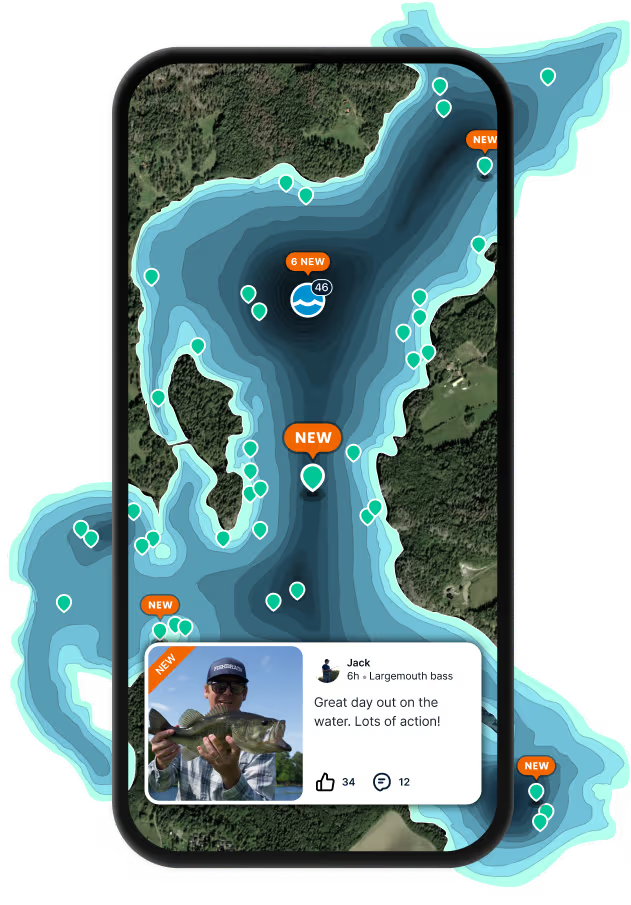
Map

Lea-Hutaff Island

Fishing spots, fishing reports, and regulations in

North Carolina, United States

11 catches

Top fish species at Lea-Hutaff Island

App Section

Check which species have trophy potential in Lea-Hutaff Island

Lea-Hutaff Island fishing reports
Loading...

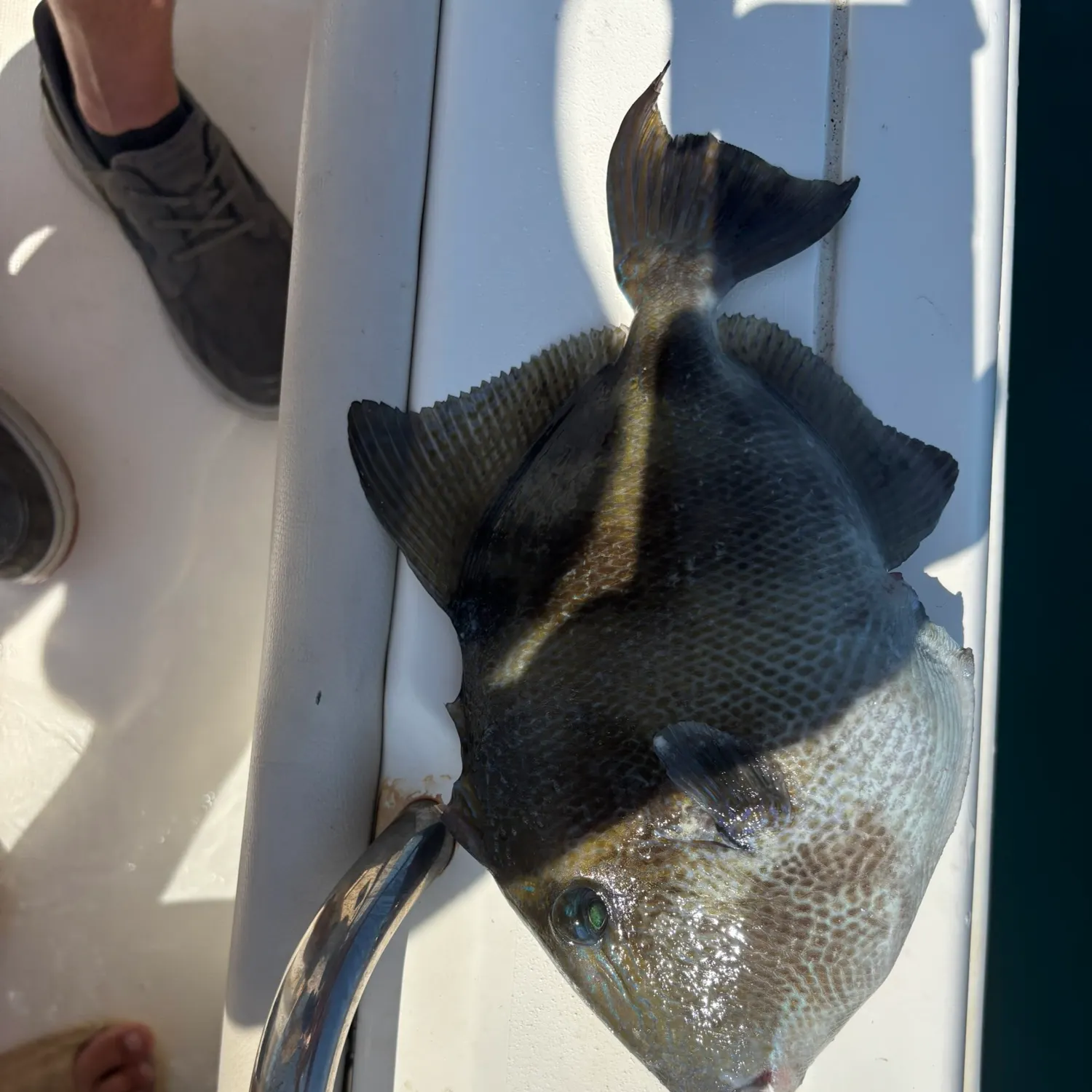
Grey triggerfish

18 in · 3 lb 2 oz

Loading...

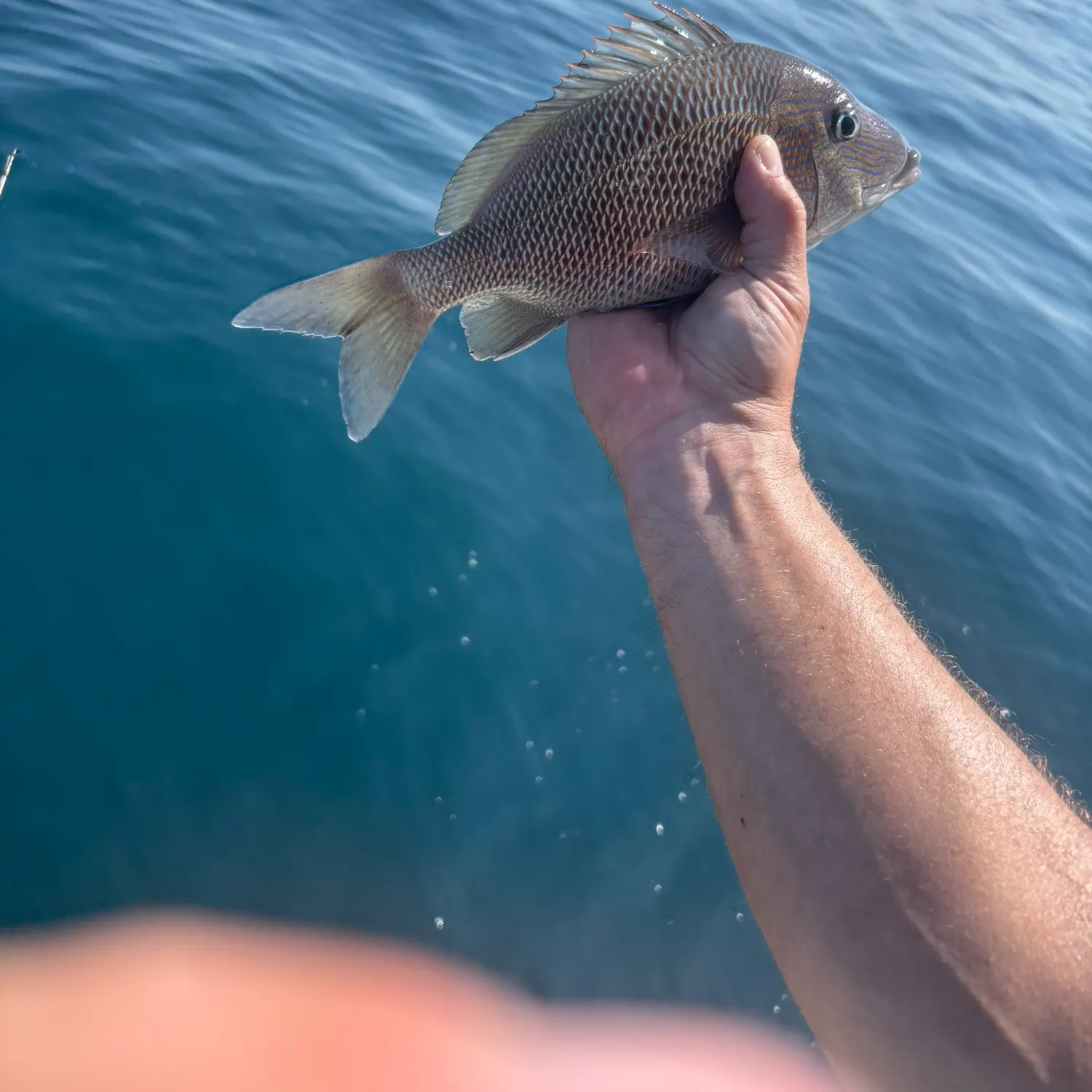
White grunt

15 in · 2 lb

Loading...

Northern red snapper

length · weight

Loading...

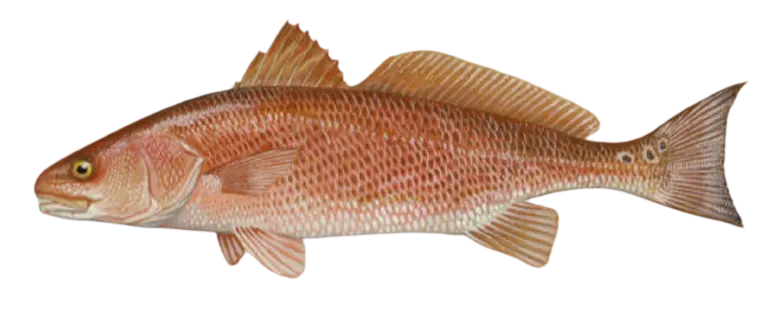
Red drum

length · weight

Loading...

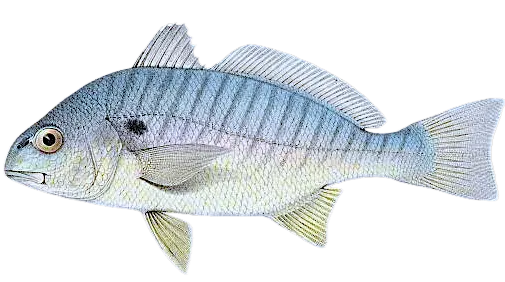
Spot croaker

length · weight

Loading...

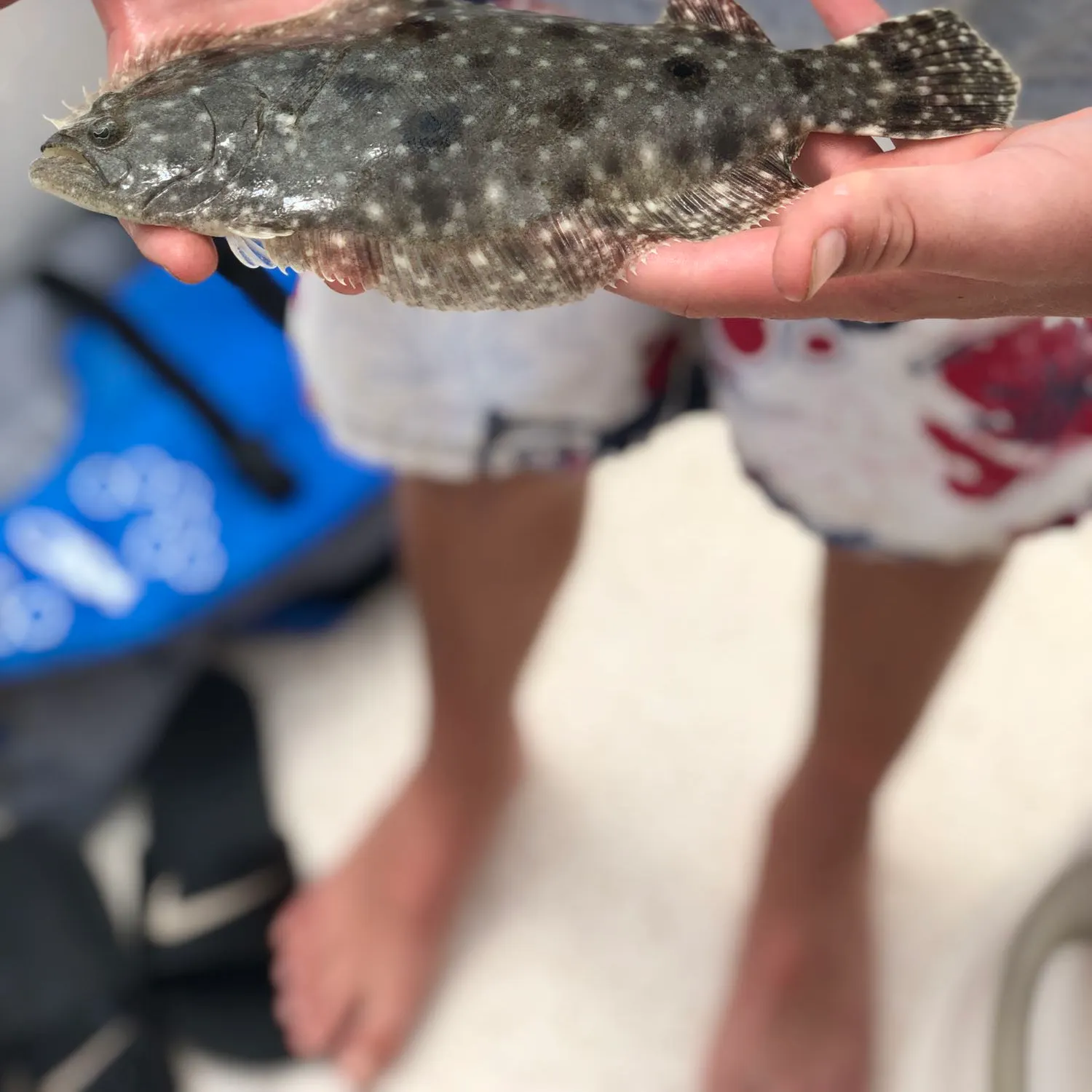
Summer flounder

length · weight

Fishbrain
More catches in the app...

Continue browsing catches and catch locations in the Fishbrain app

Loading...
Loading...
Loading...

General info

Lea-Hutaff Island is a part of an ocean located in Pender County, North Carolina, United States. It is most popular for fishing Red drum, Spotted seatrout, and Spot croaker.

Location

34°19′16.2″N 77°41′13.4″W
Directions

Fishing regulations at Lea-Hutaff Island, NC

Disclaimer: Always check local fishing regulations, water access rights and land ownership before fishing, regardless of any catches logged in that area by the Fishbrain community. Fishbrain has mapped millions of acres of government-owned land across the USA to help you identify potential fishing access, but you are responsible for ensuring compliance with all legal requirements.

Fishing regulations in North Carolina can change throughout the year. Make sure to check this page before fishing for the most up to date rules and regulations for the current season. Local regulations govern when you can fish, the max size of the fish you can keep, how many fish you can keep, and more.

Regulations for top species

Season open: year-round
Red drum

Red drum

Regulation boundaryNC North Carolina State Waters
Bag limit1

The maximum number of individual fish legally harvested per harvester per day. Bag limits are only for properly licensed anglers actively harvesting the species. People who are not actively harvesting or are not properly licensed (if a license is required) may NOT be counted for the purpose of bag limits.

Min size18" (Total Length)

No person shall harvest any individual fish less than the minimum size limit.

Total length means the straight line distance from the most forward point of the head with the mouth closed, to the farthest tip of the tail with the tail compressed or squeezed, while the fish is lying on its side.

Max size27" (Total Length)

No person shall harvest any individual fish greater than the maximum size except as permitted.

Total length means the straight line distance from the most forward point of the head with the mouth closed, to the farthest tip of the tail with the tail compressed or squeezed, while the fish is lying on its side.

Restrictions & requirements

Gigging

Harvest by gigging prohibited.

Spears

Harvest of this species by "spearing" is prohibited. Spearing includes the catching or taking of a fish by bow hunting, gigging, spearfishing, or by any device used to capture a fish by piercing the body.

Required licenses
Eligible for NC Saltwater Fishing Tournament managed by Division of Marine Fisheries.
Additional information
Harvest in federal waters prohibited. Unlawful to gig, spear, or gaff. Unlawful to posess redfish greater than 27 inches total length. Mandatory Harvest Reporting Requirement: All red drum that are kept must be reported to the Division of Marine Fisheries through an online form or iPhone App. Learn more.
Edibility
Very Good
Synonyms
Channel Bass, Redfish, Sciaenops ocellatus, Spottail Bass
Season open: July 1 - February 5
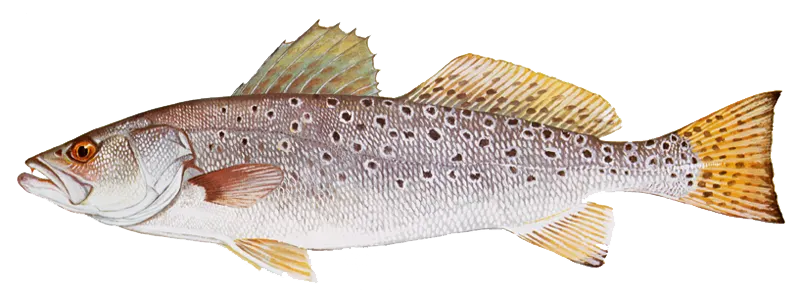
Spotted seatrout

Spotted seatrout

Regulation boundaryNC North Carolina State Waters
Bag limit3

The maximum number of individual fish legally harvested per harvester per day. Bag limits are only for properly licensed anglers actively harvesting the species. People who are not actively harvesting or are not properly licensed (if a license is required) may NOT be counted for the purpose of bag limits.

Min size14" (Total Length)

No person shall harvest any individual fish less than the minimum size limit.

Total length means the straight line distance from the most forward point of the head with the mouth closed, to the farthest tip of the tail with the tail compressed or squeezed, while the fish is lying on its side.

Max size20" (Total Length)

No person shall harvest any individual fish greater than the maximum size except as permitted.

Total length means the straight line distance from the most forward point of the head with the mouth closed, to the farthest tip of the tail with the tail compressed or squeezed, while the fish is lying on its side.

Required licenses
Eligible for NC Saltwater Fishing Tournament managed by Division of Marine Fisheries.
Additional information
North Carolina's Spotted Seatrout fishery will reopen to recreational and commercial harvest in joint and coastal waters on July 1, 2025, following a cold stun closure. Upon reopening of the fishery, new management from Amendment 1 to the Spotted Seatrout Fishery Management Plan will be implemented.A 14- to 20-inch slot limit with an allowance for one fish over 26 inchesA 3-fish individual bag limit For seasons, bag limits, size limits, or closures see Current Fisheries Proclamations. Mandatory Harvest Reporting Requirement: All seatrout that are kept must be reported to the Division of Marine Fisheries through an online form or iPhone App. Learn more.
Edibility
Excellent
Synonyms
Cynoscion nebulosus, Speckled Trout
Season open: year-round
Spot croaker

Spot croaker

Regulation boundaryNC North Carolina State Waters
Bag limit50

The maximum number of individual fish legally harvested per harvester per day. Bag limits are only for properly licensed anglers actively harvesting the species. People who are not actively harvesting or are not properly licensed (if a license is required) may NOT be counted for the purpose of bag limits.

Additional information
No minimum size.
Edibility
Good
Synonyms
Leiostomus xanthurus
License Icon
Local laws and licenses

North Carolina fishing license

Get license

Cities nearby

Hampstead

3.8 miles away

Murraysville

9.1 miles away

Surf City

10.5 miles away

Castle Hayne

13.1 miles away

Wilmington

13.7 miles away

Rocky Point

14.4 miles away

Holly Ridge

15.1 miles away

Myrtle Grove

17.7 miles away

Long Creek

20.4 miles away

Burgaw

20.8 miles away

Leland

21.1 miles away

Sea Breeze

21.1 miles away

Sneads Ferry

23.8 miles away

Kure Beach

25.5 miles away

Sandy Creek

26.7 miles away

Watha

27.5 miles away

Boiling Spring Lakes

29.5 miles away

Delco

30.8 miles away

Atkinson

31.0 miles away

Bolivia

31.5 miles away

Jacksonville

32.7 miles away

Sandyfield

35.1 miles away

Teachey

36.0 miles away

Chinquapin

36.1 miles away

Anything missing or inaccurate?

Suggest changes to improve what we show.

Suggest changes

FAQ about Lea-Hutaff Island fishing

📍 Where is Lea-Hutaff Island located?
Lea-Hutaff Island is a part of an ocean located in Pender County, North Carolina, United States. Its coordinates are:
34°19′16.2″N 77°41′13.4″W
.
🎣 Where on Lea-Hutaff Island is it best to fish?
Find the best fishing spots on Lea-Hutaff Island by looking at where other anglers have caught fish. This can easily be done in the where it is also possible to see big fish potential and how good fishing is right now along with Garmin® depth maps.
🐟 What species are in Lea-Hutaff Island?
The most common species in Lea-Hutaff Island are:
📢 What are the latest Lea-Hutaff Island fishing reports?
The latest Lea-Hutaff Island fishing reports are:
🗓️ What species are in season at Lea-Hutaff Island right now?
According to fishing regulations at Lea-Hutaff Island, some of the species in season this November include: Spotted seatrout, Summer flounder, Southern flounder, Cobia, and Red grouper. For full details on other species — including bag limits, minimum and maximum size limits, and seasonal closures — download the .
🪪 Do I need a fishing license to fish at Lea-Hutaff Island?

Fishing in North Carolina requires a valid state fishing license for anglers. Licenses include resident and non-resident, annual, short-term, and combination options, purchasable online or at vendors.

In North Carolina, no fishing license is required for anglers under 16. Residents 70 and older qualify for a discounted lifetime license. A few other exceptions worth knowing:

  • Free fishing days — most states designate 1–2 weekends a year where anyone can fish without a license

  • Tribal waters — tribal members fishing on tribal land operate under separate tribal regulations

  • Private ponds — landowners fishing their own water typically don't need a license

Non-residents usually pay more for a license than residents. Some species also require an extra stamp or endorsement on top of your base license.

Get license
App Section
Download Fishbrain and fish smarter
Unlimited access to the best fishing spot finder in the game. Get all the fishing intel you need to start catching more, and bigger, fish.

Free trial available

Loading...
Loading...
Loading...
Loading...