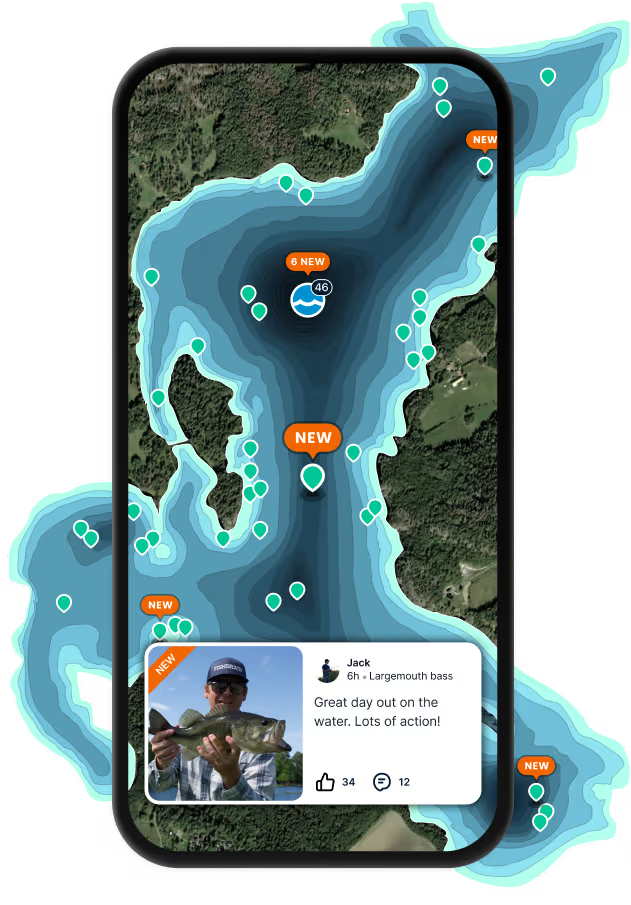
Map

Little Papillion Creek

Fishing spots, fishing reports, and regulations in

Nebraska, United States

3.0·119 catches

Top fish species at Little Papillion Creek
App Section

Check which species have trophy potential in Little Papillion Creek

Little Papillion Creek fishing reports
Loading...

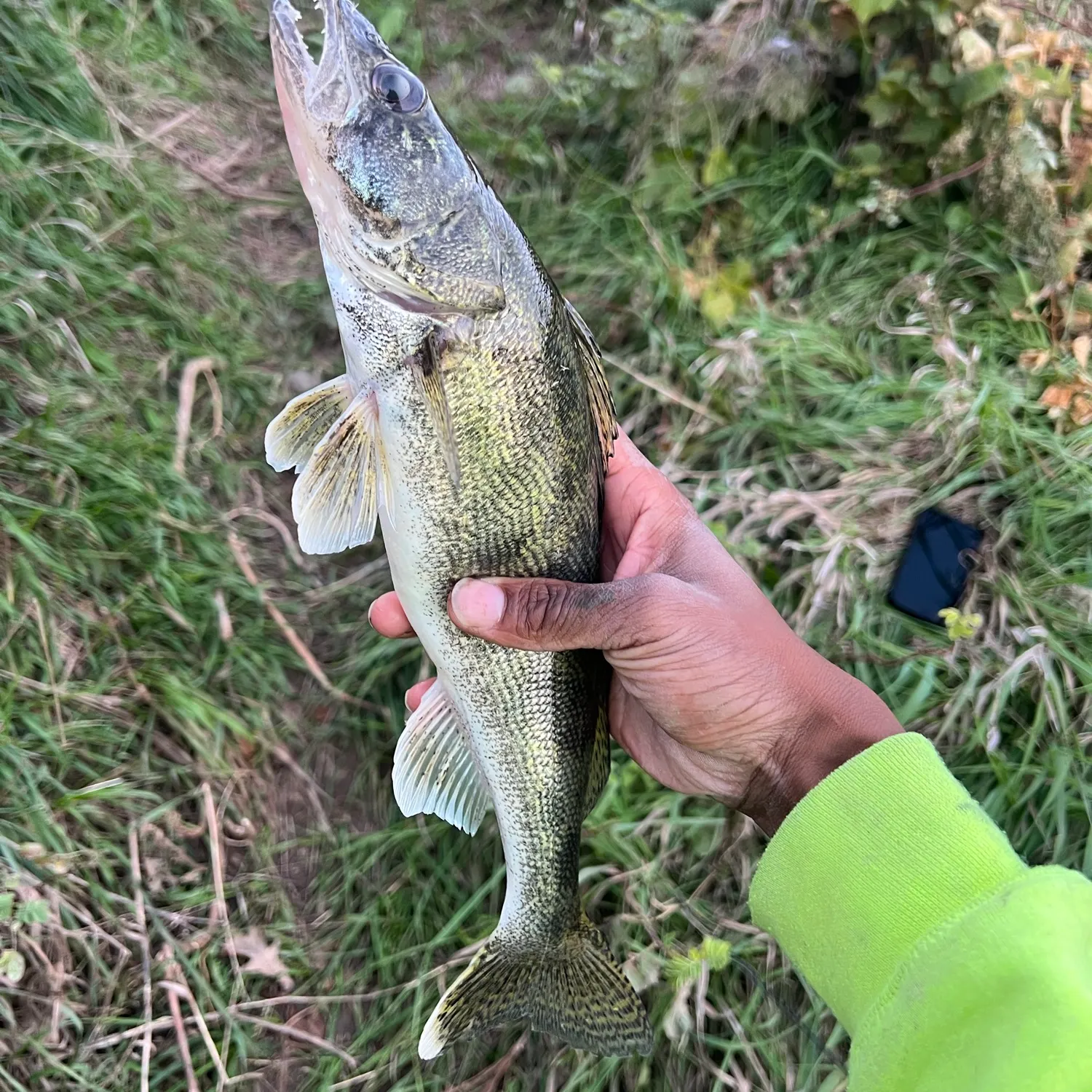
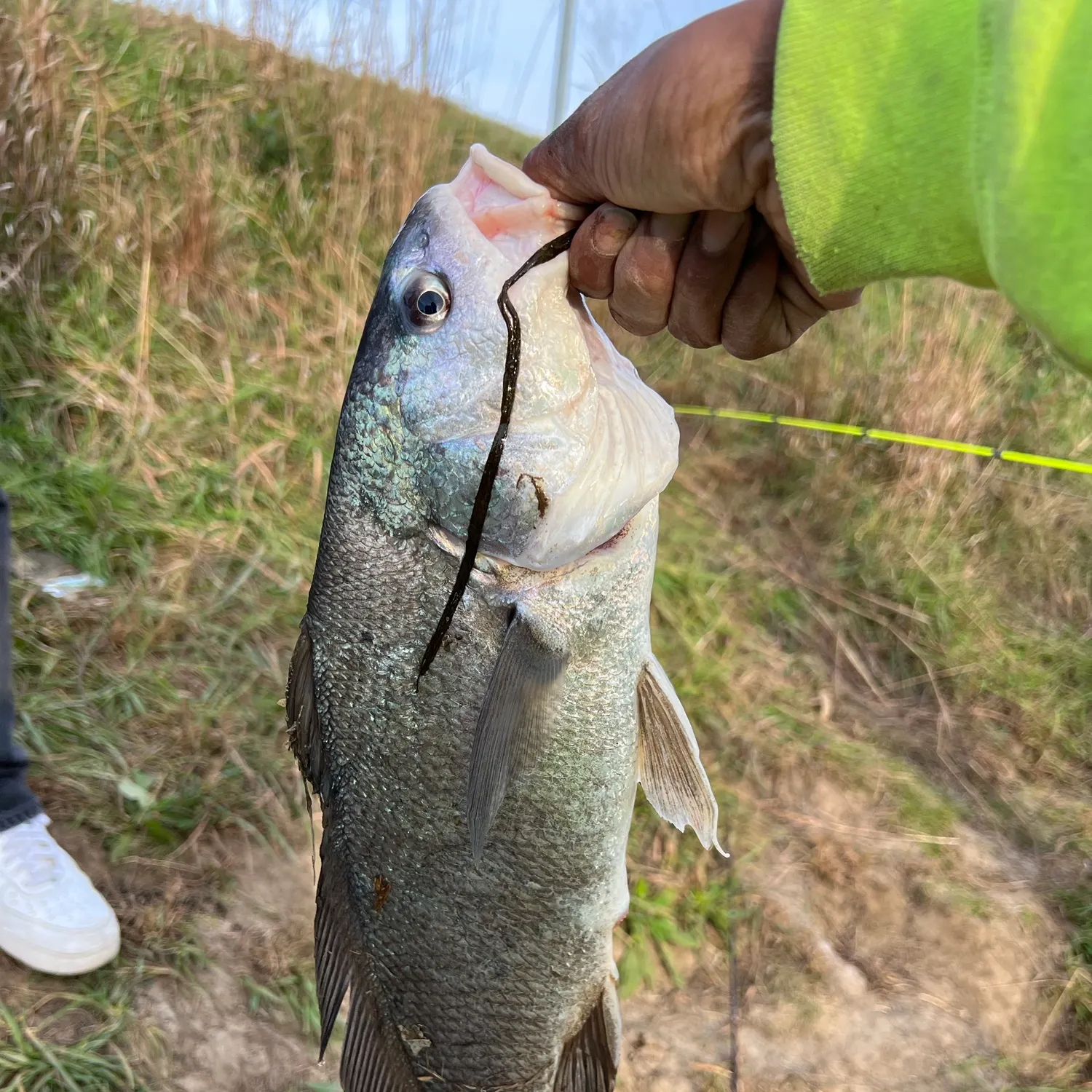
Saugeye

length · weight

Loading...

Freshwater drum

length · weight

Loading...

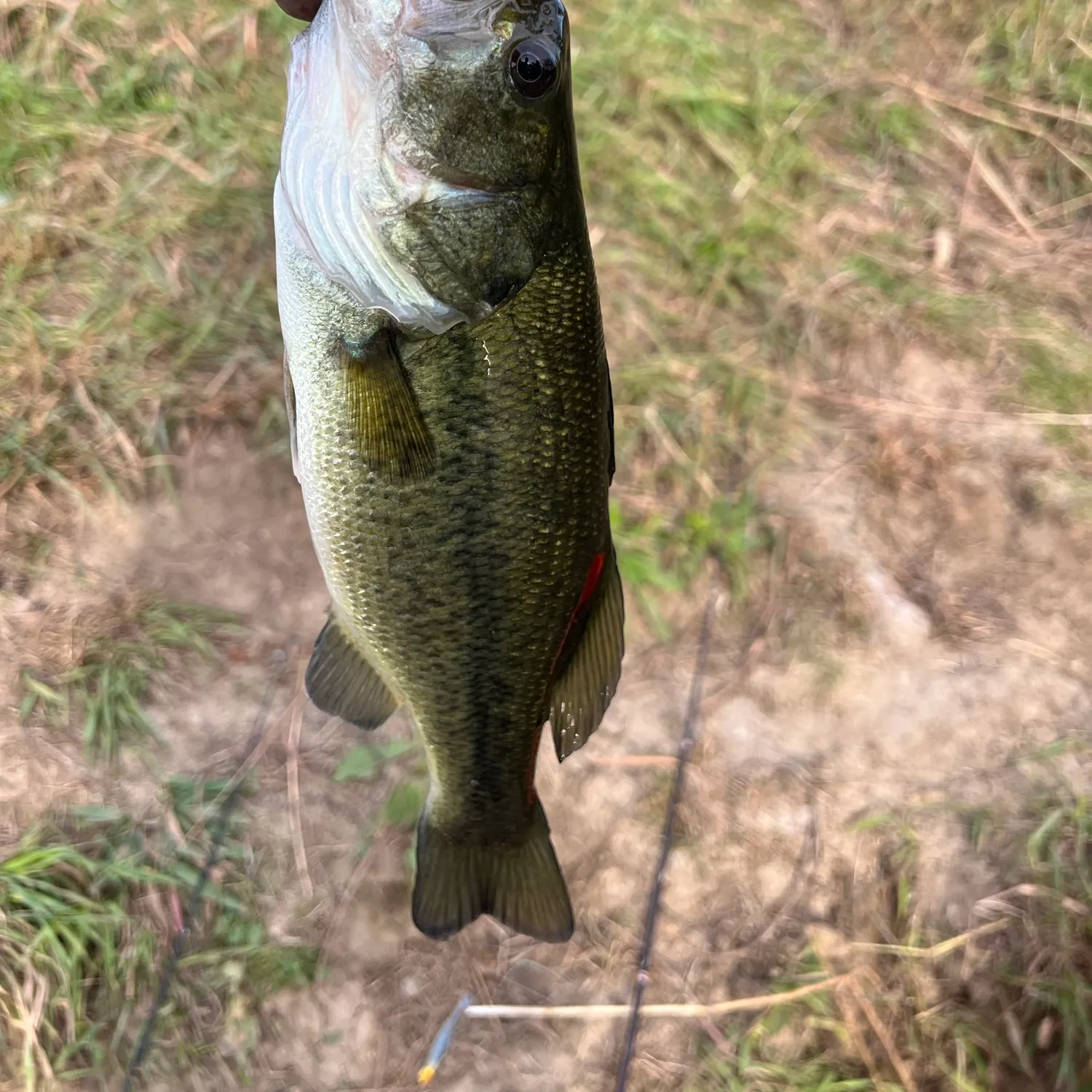
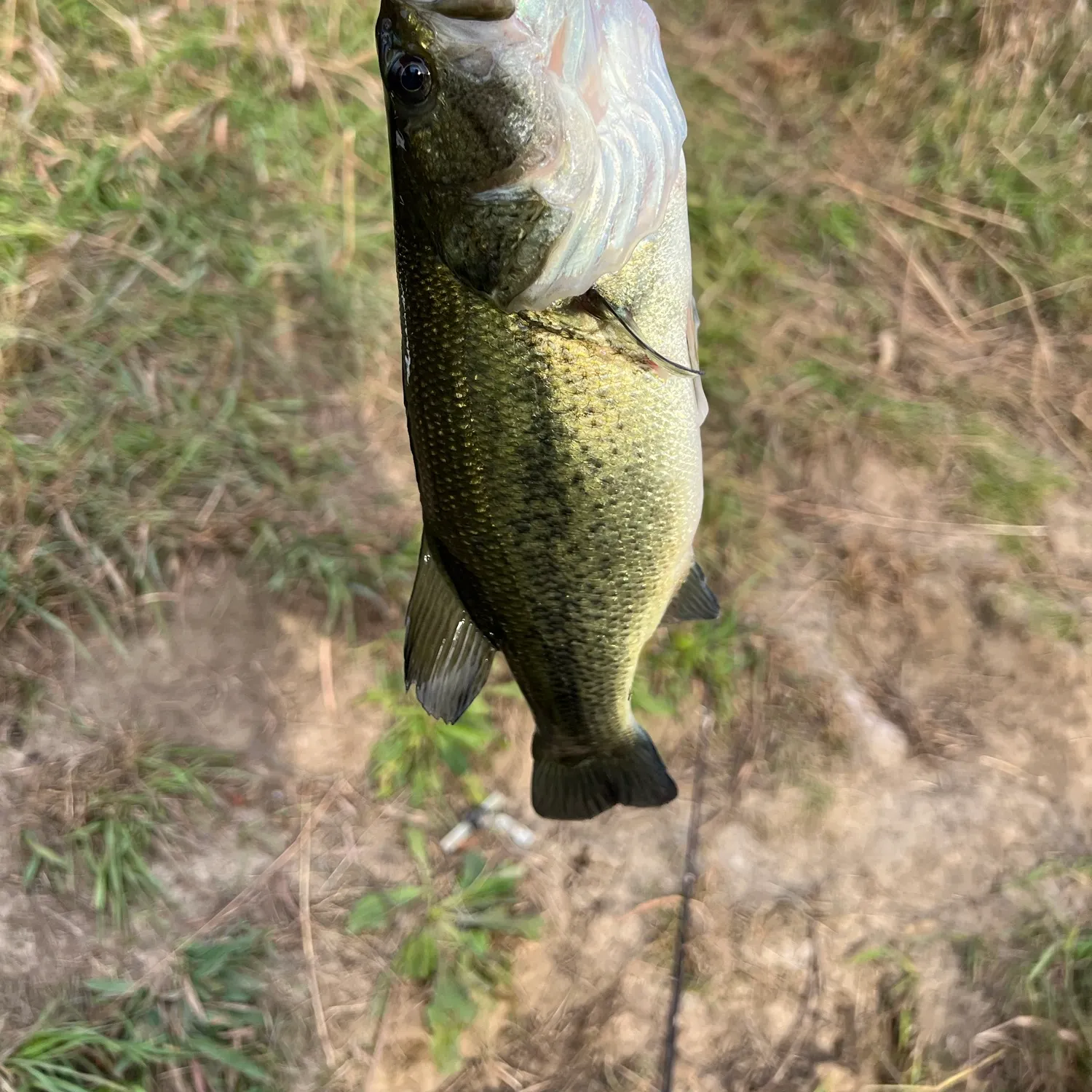
Largemouth bass

length · weight

Loading...

Largemouth bass

length · weight

Loading...

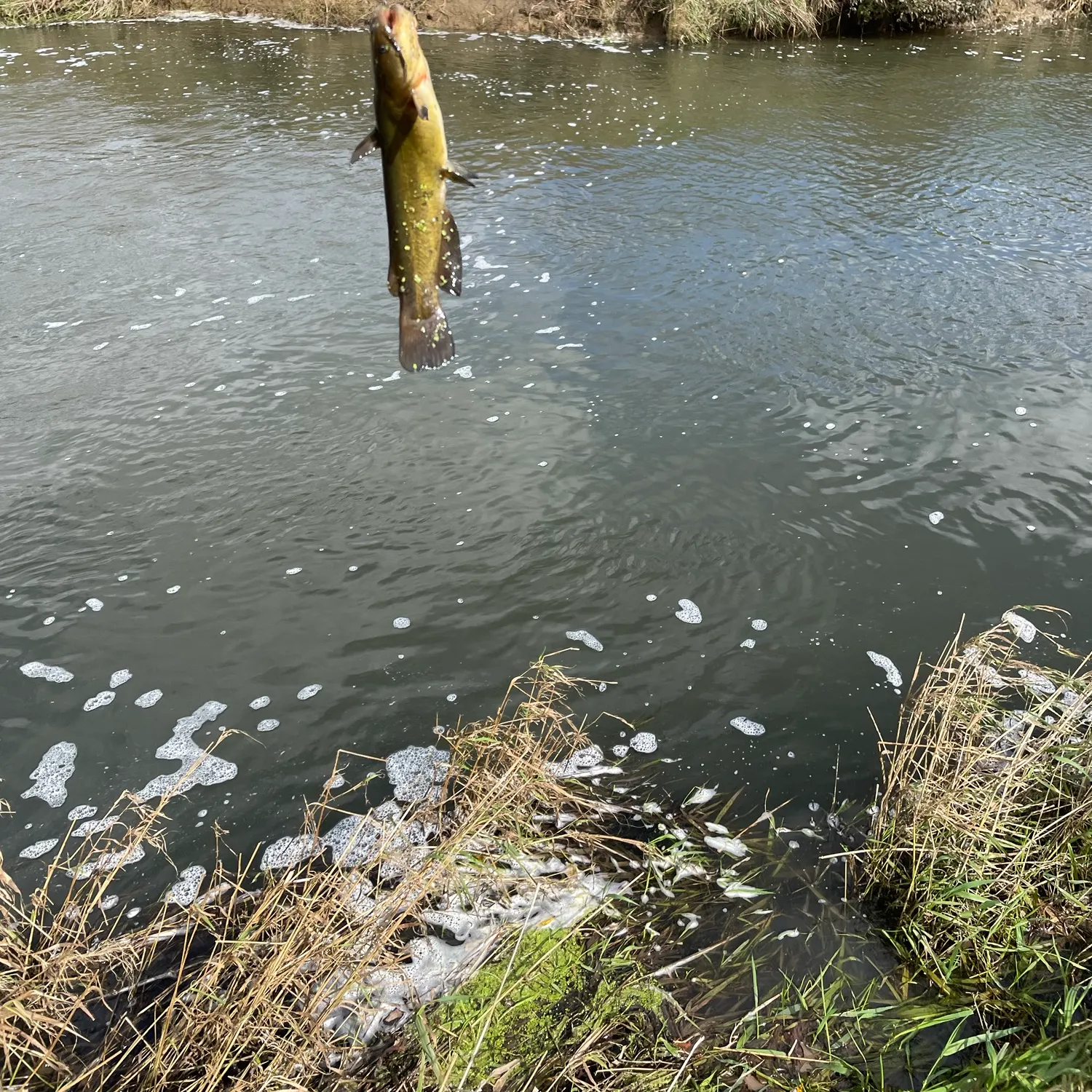
Black bullhead

length · weight

Loading...

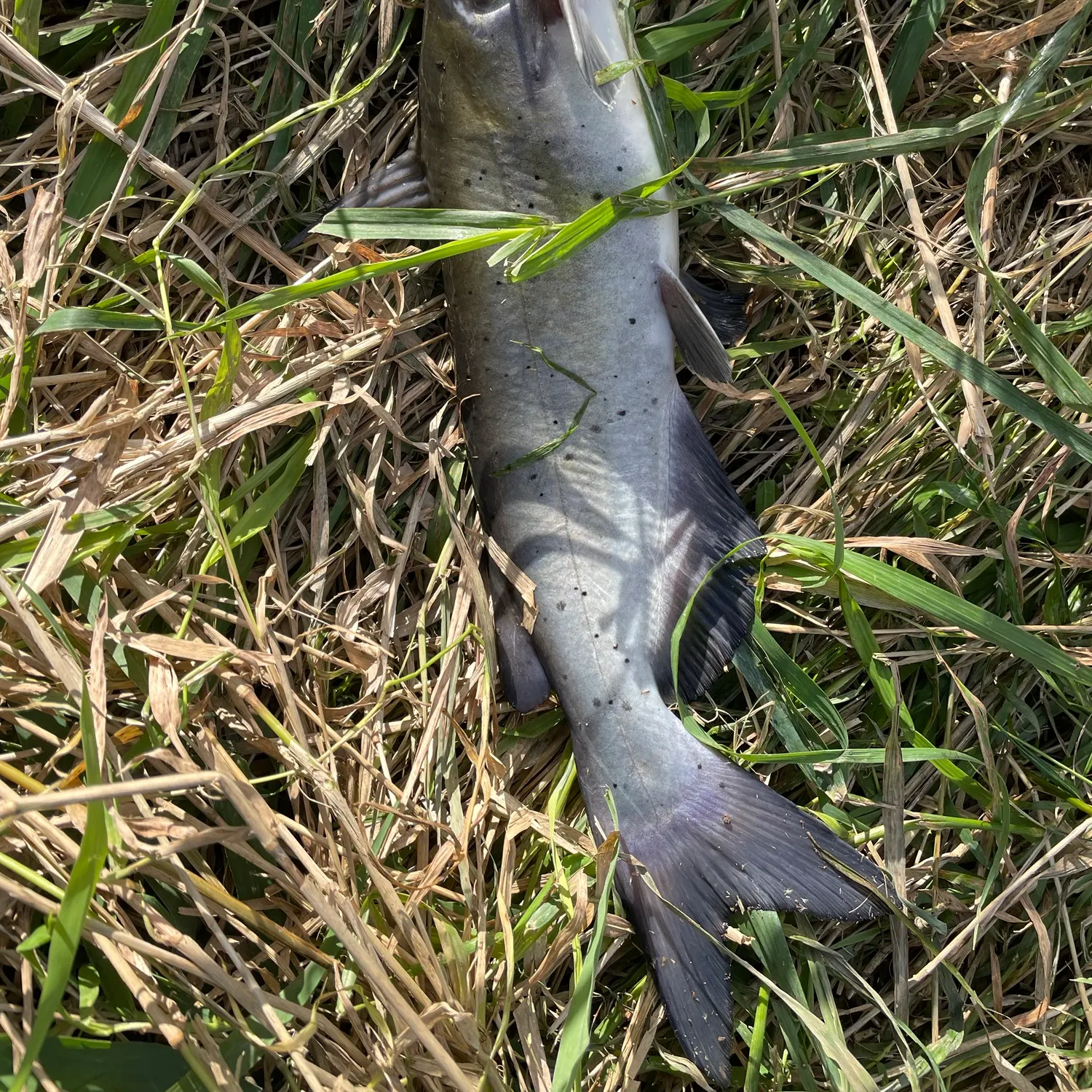
Channel catfish

length · weight

Fishbrain
More catches in the app...

Continue browsing catches and catch locations in the Fishbrain app

Loading...
Loading...
Loading...

General info

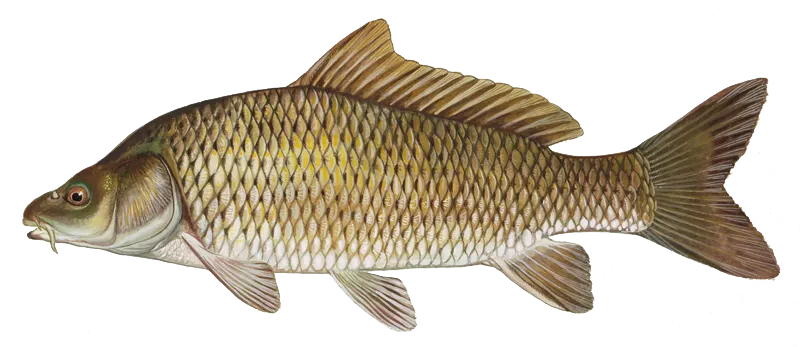
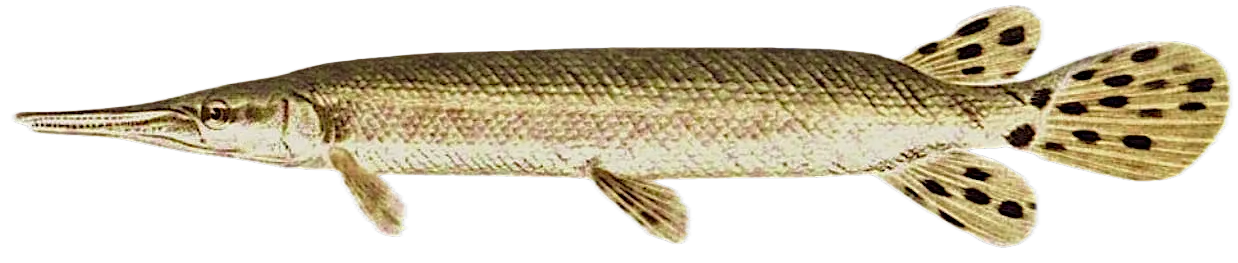
Little Papillion Creek is a stream located in Douglas County, Nebraska, United States. It is also intersecting with Washington County, Nebraska. It is most popular for fishing Common carp, Channel catfish, and Shortnose gar.

Location

41°19′17.1″N 96°02′41.4″W
Directions

Amenities

Fishing regulations at Little Papillion Creek, NE

Disclaimer: Always check local fishing regulations, water access rights and land ownership before fishing, regardless of any catches logged in that area by the Fishbrain community. Fishbrain has mapped millions of acres of government-owned land across the USA to help you identify potential fishing access, but you are responsible for ensuring compliance with all legal requirements.

Fishing regulations in Nebraska can change throughout the year. Make sure to check this page before fishing for the most up to date rules and regulations for the current season. Local regulations govern when you can fish, the max size of the fish you can keep, how many fish you can keep, and more.

Regulations for top species

Season open: year-round
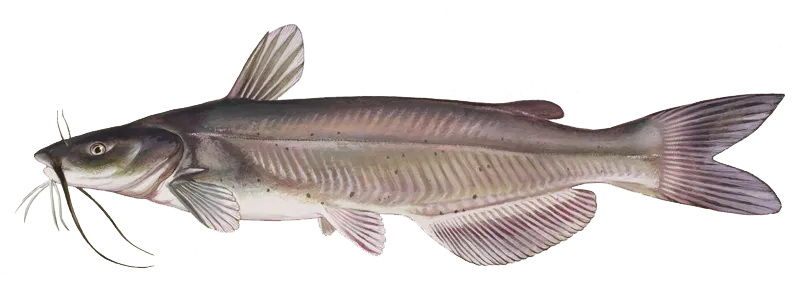
Channel catfish

Channel catfish

Regulation boundaryNE Nebraska State Waters
Bag limit5

The maximum number of individual fish legally harvested per harvester per day. Bag limits are only for properly licensed anglers actively harvesting the species. People who are not actively harvesting or are not properly licensed (if a license is required) may NOT be counted for the purpose of bag limits.

Special gear

NE Regs

HOOK-AND-LINE REGULATIONS Hook-and-line fishing is allowed year-round throughout the state, except as noted or as posted at an area. Definition of a Hook – One hook means a single-, double- or treble-pointed hook. All hooks attached to an artificial bait or lure shall be counted as one hook. Ponds, Lakes or Reservoirs – Anglers are limited to no more than two lines, with a maximum of two hooks on each line, with these being any type of attached line (such as rod and reel or fishing pole) on all lakes, ponds or reservoirs or in their inlets, outlets and canals within one-half mile of these bodies of water, with the exception of ice-fishing line limits. This includes Lewis and Clark Lake from Gavins Point Dam upstream to the Santee boat ramp in Knox County. Ice-Fishing – A total of five lines with two hooks on each line are permitted. Each line must be under direct supervision and within unaided observation of the angler. Holes made for ice-fishing may not exceed 10 inches in diameter on any area controlled or managed by Game and Parks, including U.S. Fish and Wildlife Service refuges. A special $5 permit is required for a permanent shelter on state recreation areas and wildlife management area lakes. Applications and regulations are available from conservation officers or Game and Parks offices. This does not apply to temporary shelters used and removed each day. Rivers or Streams – A total of 15 hooks are allowed, ranging from 15 lines each with a single hook attached, to three lines with a maximum of five hooks attached. These hook-and-line limits apply to anglers who must be one- half mile from any lake, pond or reservoir that is associated with that river or stream. These can be rods and reels, poles, bank lines, limb lines or setlines that are attached to a fixed object in a river, stream or canal and not free- floating. Jug lines are illegal and are defined as a free-floating line that contains fishing hooks entirely supported by flotation. All bank lines, limb lines and setlines must contain the angler's name, address and fishing-permit number or driver's license number. Bank lines, limb lines and setlines must be checked every 24 hours. Removal of Bank Lines, Limb Lines and Setlines – Upon completion of fishing, all bank lines, limb lines and setlines must be removed. Within the boundaries of the Missouri National Recreational River, limb lines and setlines are prohibited within 200 feet of public boat landings or swimming areas. 

Restrictions & requirements

Culling

Culling and high-grading are not allowed. Any fish that is not to be counted in the daily bag limit must be returned immediately to the water with as little injury as possible. Any fish placed on a stringer or in a container, or not returned to the water must be counted in the bag. 

NE Snagging

Snagging of paddlefish and nongame fish is permitted only in the Missouri River under season dates and limits specified in the Paddlefish snagging section. All other state waters are closed to snagging for all species at all times. All fish snagged accidentally or otherwise foul-hooked, must be returned to the water immediately.

Additional information
No length limit. Possession limit = 20 channel catfish.Exceptions:Flowing Water (rivers, streams and canals): bag limit = 10 channel catfishBox Butte Reservoir: one 30-inches or longerCalamus Reservoir: one 30-inches or longer Fort Kearny SRA No. 2: catch and release onlyGallagher Canyon Reservoir: bag limit = 10 channel catfishJeffrey Reservoir: bag limit = 10 channel catfish Johnson Lake: bag limit = 10 channel catfishLake Babcock: bag limit = 10 channel catfishLake Maloney: bag limit = 10 channel catfishLake North: bag limit = 10 channel catfishLewis and Clark Lake: bag limit = 10 channel catfishMerritt Reservoir: one 30-inches or longer Midway Canyon Reservoir: bag limit = 10 channel catfishNorth Platte River west of Hwy. 26 bridge: bag limit = 10 channel catfishPhillips Canyon Reservoir: bag limit = 10 channel catfishPlum Creek Canyon Reservoir: bag limit = 10 channel catfishRepublican River upstream of Hwy. 89 bridge west of Orleans: bag limit = 10 channel catfish Sutherland Reservoir: bag limit = 10 channel catfishTwo Rivers SRA Nos. 3 and 4: catch and release onlyWildwood Lake: catch and release onlyWindmill SRA No. 3: catch and release only
Edibility
Very good Catch, Clean, Cook Channel Catfish by BlueGabe
Synonyms
Ictalurus punctatus
License Icon
Local laws and licenses

Nebraska fishing license

Get license

Reviews of Little Papillion Creek

3.0
Loading...

2 ratings

5
4
3
2
1
Top reviews

Cities nearby

Omaha

4.1 miles away

Bennington

6.9 miles away

Fort Calhoun

9.4 miles away

La Vista

9.7 miles away

Crescent

10.1 miles away

Council Bluffs

11.6 miles away

Papillion

11.8 miles away

Waterloo

12.7 miles away

Bellevue

12.9 miles away

King Lake

13.3 miles away

Kennard

13.4 miles away

Loveland

14.5 miles away

Blair

15.9 miles away

Gretna

16.7 miles away

Arlington

18.6 miles away

McClelland

18.9 miles away

Yutan

19.0 miles away

Buccaneer Bay

19.2 miles away

Cedar Creek

19.3 miles away

Leshara

19.9 miles away

Mineola

22.0 miles away

Linoma Beach

23.0 miles away

Plattsmouth

23.2 miles away

Louisville

23.3 miles away

Anything missing or inaccurate?

Suggest changes to improve what we show.

Suggest changes

FAQ about Little Papillion Creek fishing

📍 Where is the Little Papillion Creek located?
the Little Papillion Creek is a stream located in Douglas County, Nebraska, United States. It is also intersecting with Washington County, Nebraska. Its coordinates are:
41°19′17.1″N 96°02′41.4″W
.
🎣 Where on the Little Papillion Creek is it best to fish?
Find the best fishing spots on the Little Papillion Creek by looking at where other anglers have caught fish. This can easily be done in the where it is also possible to see big fish potential and how good fishing is right now along with Garmin® depth maps.
🐟 What species are in the Little Papillion Creek?
The most common species in the Little Papillion Creek are:
📢 What are the latest Little Papillion Creek fishing reports?
The latest Little Papillion Creek fishing reports are:
🪪 Do I need a fishing license to fish at the Little Papillion Creek?

Fishing in Nebraska requires a valid state fishing license for anglers. Resident and non-resident annual and short-term licenses are available online or at authorized vendors.

In Nebraska, no fishing license is required for anglers under 16. Residents 64 and older qualify for a discounted license. A few other exceptions worth knowing:

  • Free fishing days — most states designate 1–2 weekends a year where anyone can fish without a license

  • Tribal waters — tribal members fishing on tribal land operate under separate tribal regulations

  • Private ponds — landowners fishing their own water typically don't need a license

Non-residents usually pay more for a license than residents. Some species also require an extra stamp or endorsement on top of your base license.

Get license
App Section
Download Fishbrain and fish smarter
Unlimited access to the best fishing spot finder in the game. Get all the fishing intel you need to start catching more, and bigger, fish.

Free trial available

Loading...
Loading...
Loading...
Loading...