Map

Kinzie Cove

Fishing spots, fishing reports, and regulations in

Florida, United States

3.0·67 catches

Top fish species at Kinzie Cove

App Section

Check which species have trophy potential in Kinzie Cove

Kinzie Cove fishing reports

Loading...

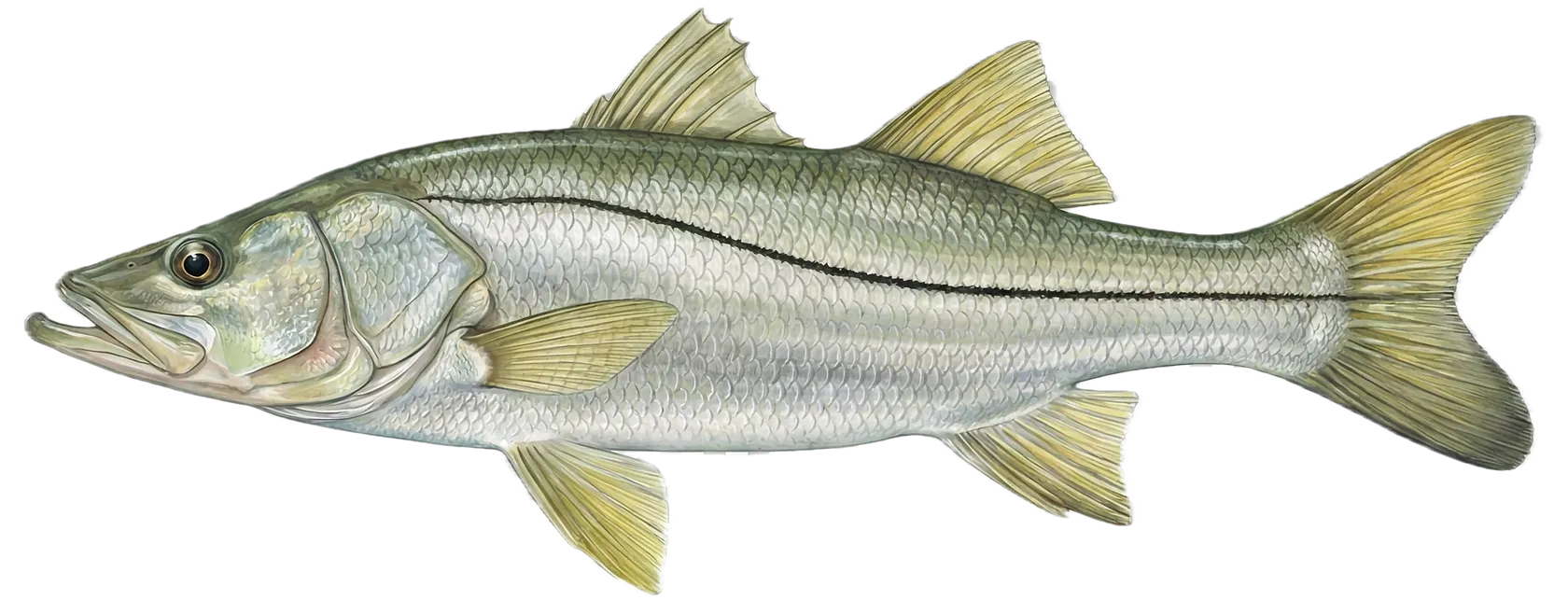
Common snook

length · weight

Loading...

Ladyfish

length · weight

Loading...

Spotted seatrout

length · weight

Loading...

Spotted seatrout

length · weight

Loading...

Common snook

length · weight

Loading...

Red drum

length · weight

Fishbrain
More catches in the app...

Continue browsing catches and catch locations in the Fishbrain app

Loading...
Loading...
Loading...

General info

Kinzie Cove is a stream located in Lee County, Florida, United States. It is most popular for fishing Spotted seatrout, Common snook, and Crevalle jack.

Location

26°31′18.7″N 82°00′23.8″W
Directions

When are Snook biting on Kinzie Cove?

Learn what time of year and day to go fishing at Kinzie Cove. Download Fishbrain today to look for new fishing spots, scout new fishing access, or prep for your next trip.

Bite time image

Fishing regulations at Kinzie Cove, FL

Disclaimer: Always check local fishing regulations, water access rights and land ownership before fishing, regardless of any catches logged in that area by the Fishbrain community. Fishbrain has mapped millions of acres of government-owned land across the USA to help you identify potential fishing access, but you are responsible for ensuring compliance with all legal requirements.

Fishing regulations in Florida can change throughout the year. Make sure to check this page before fishing for the most up to date rules and regulations for the current season. Local regulations govern when you can fish, the max size of the fish you can keep, how many fish you can keep, and more.

Regulations for top species
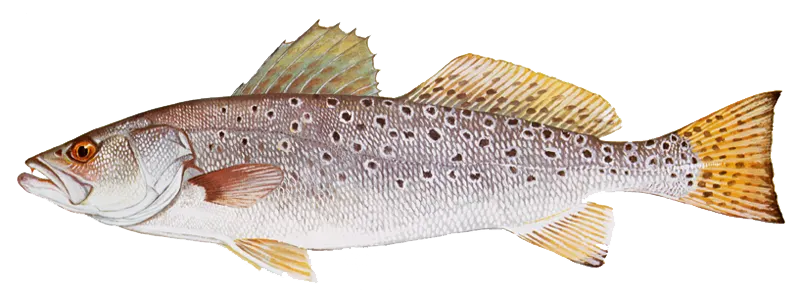
Season open: year-round
Spotted seatrout

Spotted seatrout

Regulation boundaryFL Seatrout Charlotte Harbor
Bag limit3

The maximum number of individual fish legally harvested per harvester per day. Bag limits are only for properly licensed anglers actively harvesting the species. People who are not actively harvesting or are not properly licensed (if a license is required) may NOT be counted for the purpose of bag limits.

Min size15" (Total Length)

No person shall harvest any individual fish less than the minimum size limit.

Total length means the straight line distance from the most forward point of the head with the mouth closed, to the farthest tip of the tail with the tail compressed or squeezed, while the fish is lying on its side.

Max size19" (Total Length)

No person shall harvest any individual fish greater than the maximum size except as permitted.

Total length means the straight line distance from the most forward point of the head with the mouth closed, to the farthest tip of the tail with the tail compressed or squeezed, while the fish is lying on its side.

Memorable / trophy limits1 > 19

The maximum number of trophy individuals legally harvested per harvester per day. A trophy is any individual of a length greater than the max size limit. Trophy individuals are included in the daily bag limit unless stated otherwise.

Restrictions & requirements

Gigging

Harvest by gigging prohibited.

Snagging

Harvest of this species by snagging (snatch hooking) is prohibited.

Multiple Hooks

Harvest of this species by or with the use of any multiple hooks in conjunction with live or dead natural bait is prohibited.

Zero Bag for Captain

Bag and possession limit for captains and crew on for-hire vessels is zero.

Hook & Line Only

Allowable gear: hook and line.

Additional information
Charlotte Harbor RegionRecreationalSlot limit: 15–19 inches total lengthBag limit: 3 per person/daySeason: Open year-roundOver-slot allowance:May possess no more than one fish per person or per vessel, whichever is less,that is greater than 19 inches total length, included in the bag limit. StatewideIllegal Gear: cannot harvest using any multiple hooks in conjunction with live or deadnatural bait; snatching prohibitedAllowable Gear: hook and line and cast netZero captain and crew bag limit when on a for-hire trip Charlotte Harbor: All Florida Waters and adjacent federal waters lying south of the Sarasota Bay Region and north of a line extending due west from a point located at 26°15.227'N, 81°49.412'W in Collier County, all waters of Collier County north of 26°15.227' North Latitude, all waters of Manatee and Sarasota counties east and south of the Sarasota Bay Region, all waters of the counties highlighted in yellow, including all waters and tributaries of the Caloosahatchee, Myakka, and Peace rivers, excluding all waters of Lake Okeechobee.
Edibility
Excellent
Synonyms
Cynoscion nebulosus, Speckled Trout
Season open: October 1 - November 30
Common snook

Common snook

Regulation boundaryFL Snook Charlotte Harbor
Bag limit1

The maximum number of individual fish legally harvested per harvester per day. Bag limits are only for properly licensed anglers actively harvesting the species. People who are not actively harvesting or are not properly licensed (if a license is required) may NOT be counted for the purpose of bag limits.

Min size28" (Total Length)

No person shall harvest any individual fish less than the minimum size limit.

Total length means the straight line distance from the most forward point of the head with the mouth closed, to the farthest tip of the tail with the tail compressed or squeezed, while the fish is lying on its side.

Max size33" (Total Length)

No person shall harvest any individual fish greater than the maximum size except as permitted.

Total length means the straight line distance from the most forward point of the head with the mouth closed, to the farthest tip of the tail with the tail compressed or squeezed, while the fish is lying on its side.

Restrictions & requirements

Gigging

Harvest by gigging prohibited.

Snagging

Harvest of this species by snagging (snatch hooking) is prohibited.

Spears

Harvest of this species by "spearing" is prohibited. Spearing includes the catching or taking of a fish by bow hunting, gigging, spearfishing, or by any device used to capture a fish by piercing the body.

Multiple Hooks

Harvest of this species by or with the use of any multiple hooks in conjunction with live or dead natural bait is prohibited.

Zero Bag for Captain

Bag and possession limit for captains and crew on for-hire vessels is zero.

Hook & Line Only

Allowable gear: hook and line.

Keep-Whole

Must remain in whole condition until landed ashore - head and tail must be intact.

Required licenses
Snook permit and recreational fishing license.
Additional information
No commercial harvest or sale of snook is permitted.Regulations apply to state and adjacent Federal Waters. For more information, see MyFWC Snook.This species may be eligible for prizes and recognition if you submit photos through CatchaFloridaMemory.com. Visit their website for more information.
Edibility
Excellent
Synonyms
Centropomus
Season open: year-round
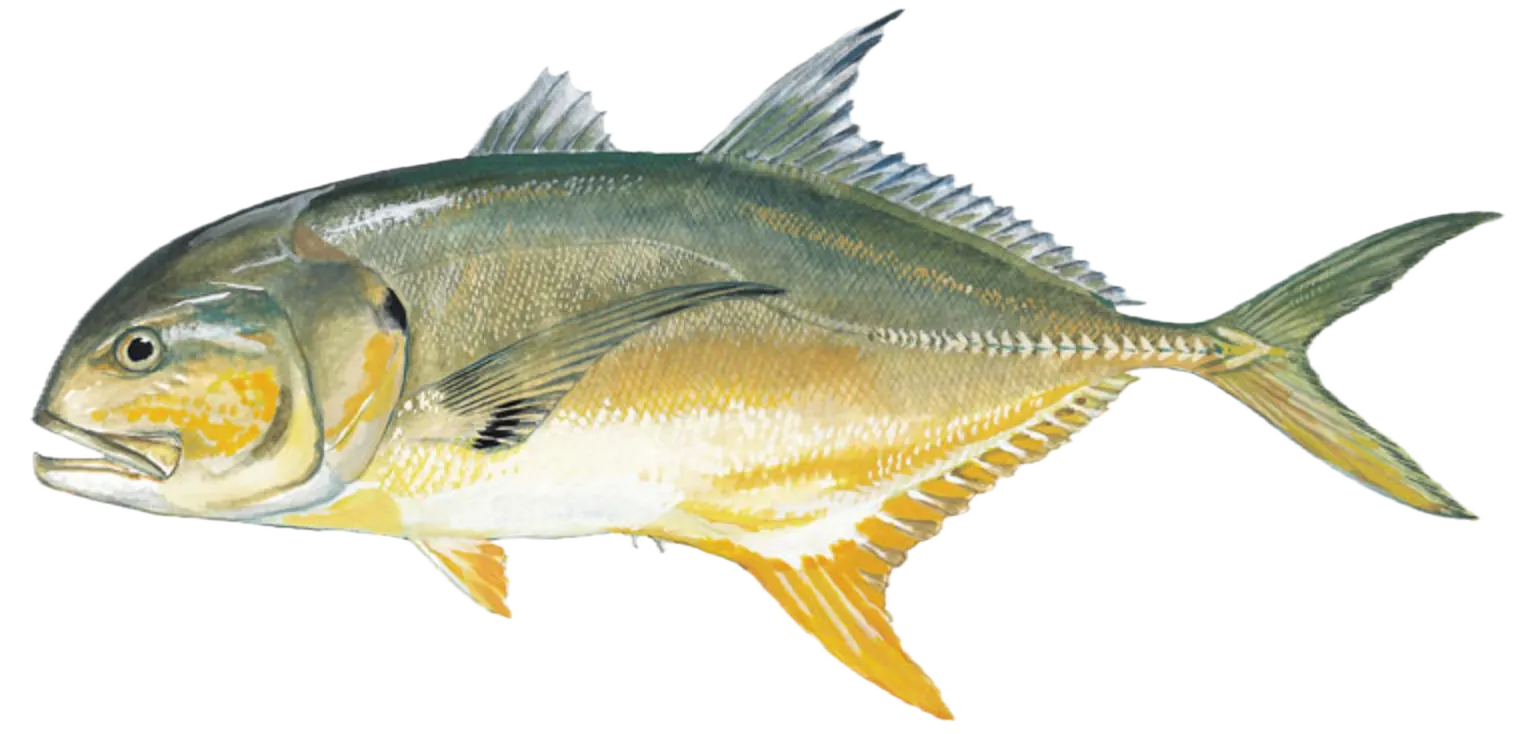
Crevalle jack

Crevalle jack

Regulation boundaryFL State Waters
Special gear

Circle Hooks

The use of a dehooking device is required when fishing for reef fish. All persons aboard a vessel harvesting reef fish in the Gulf of Mexico must possess and use non-stainless steel non-offset circle hooks when using natural baits.

Additional information
No minimum size limit Bag limit = 100 pounds If you catch a Crevalle jack over 36" fork length for adults (or 27" fork length youth), enter it into the Saltwater Reel Big Fish program to be recognized. For more information or to register your catch, visit Catch a Florida Memory. This species may be eligible for prizes and recognition if you submit photos through CatchaFloridaMemory.com Visit their website for more information.
Edibility
Large individuals may contain elevated mercury levels. Most people think Jack Crevalle are not good to eat, but check out this Catch, Clean, Cook video of Jack Crevalle by DMFD
Synonyms
Caranx hippos, River tuna
License Icon
Local laws and licenses

Florida fishing license

Get license

Reviews of Kinzie Cove

3.0
Loading...

1 ratings

5
4
3
2
1
Top reviews

Cities nearby

Punta Rassa

1.3 miles away

Iona

2.9 miles away

St. James City

6.0 miles away

Cypress Lake

6.7 miles away

Sanibel

7.6 miles away

Fort Myers Beach

8.5 miles away

Matlacha

8.5 miles away

Cape Coral

8.5 miles away

Villas

8.8 miles away

Pine Island Center

10.7 miles away

Captiva

11.4 miles away

San Carlos Park

12.0 miles away

Fort Myers

12.8 miles away

Pineland

13.1 miles away

Palmona Park

13.5 miles away

Bokeelia

13.7 miles away

Estero

14.6 miles away

Tice

15.8 miles away

Gateway

16.7 miles away

North Fort Myers

17.0 miles away

Bonita Springs

17.8 miles away

Anything missing or inaccurate?

Suggest changes to improve what we show.

Suggest changes

FAQ about Kinzie Cove fishing

📍 Where is the Kinzie Cove located?
the Kinzie Cove is a stream located in Lee County, Florida, United States. Its coordinates are:
26°31′18.7″N 82°00′23.8″W
.
🎣 Where on the Kinzie Cove is it best to fish?
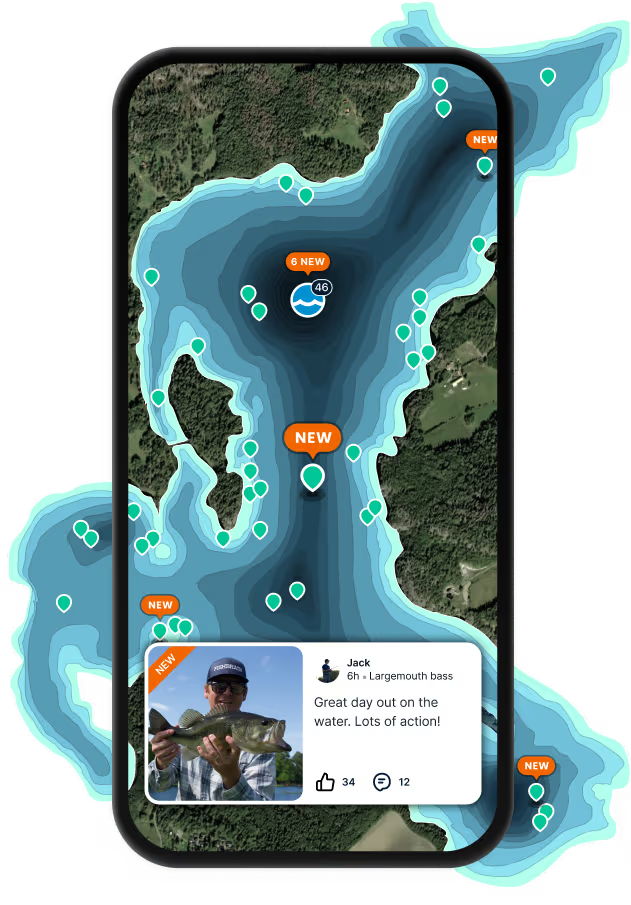
Find the best fishing spots on the Kinzie Cove by looking at where other anglers have caught fish. This can easily be done in the where it is also possible to see big fish potential and how good fishing is right now along with Garmin® depth maps.
🐟 What species are in the Kinzie Cove?
The most common species in the Kinzie Cove are:
📢 What are the latest Kinzie Cove fishing reports?
The latest Kinzie Cove fishing reports are:
🗓️ What species are in season at the Kinzie Cove right now?
According to fishing regulations at the Kinzie Cove, some of the species in season this November include: Common snook, Northern red snapper, Fat snook, Atlantic bluefin tuna, and Lane snapper. For full details on other species — including bag limits, minimum and maximum size limits, and seasonal closures — download the .
🪪 Do I need a fishing license to fish at the Kinzie Cove?

Fishing in Florida requires a valid state fishing license for anglers. Freshwater, saltwater, or combination licenses are available for residents and visitors, purchasable online, by phone, or at authorized retailers.

In Florida, no fishing license is required for anglers under 16 or residents 65 and older. A few other exceptions worth knowing:

  • Free fishing days — most states designate 1–2 weekends a year where anyone can fish without a license

  • Tribal waters — tribal members fishing on tribal land operate under separate tribal regulations

  • Private ponds — landowners fishing their own water typically don't need a license

Non-residents usually pay more for a license than residents. Some species also require an extra stamp or endorsement on top of your base license.

Get license
App Section
Download Fishbrain and fish smarter
Unlimited access to the best fishing spot finder in the game. Get all the fishing intel you need to start catching more, and bigger, fish.

Free trial available

Loading...
Loading...
Loading...
Loading...