Map

Coon Key Pass

Fishing spots, fishing reports, and regulations in

Florida, United States

4.1·27 catches

Top fish species at Coon Key Pass

App Section

Check which species have trophy potential in Coon Key Pass

Coon Key Pass fishing reports

Loading...

Smalltooth sawfish

120 in · 250 lb

Loading...

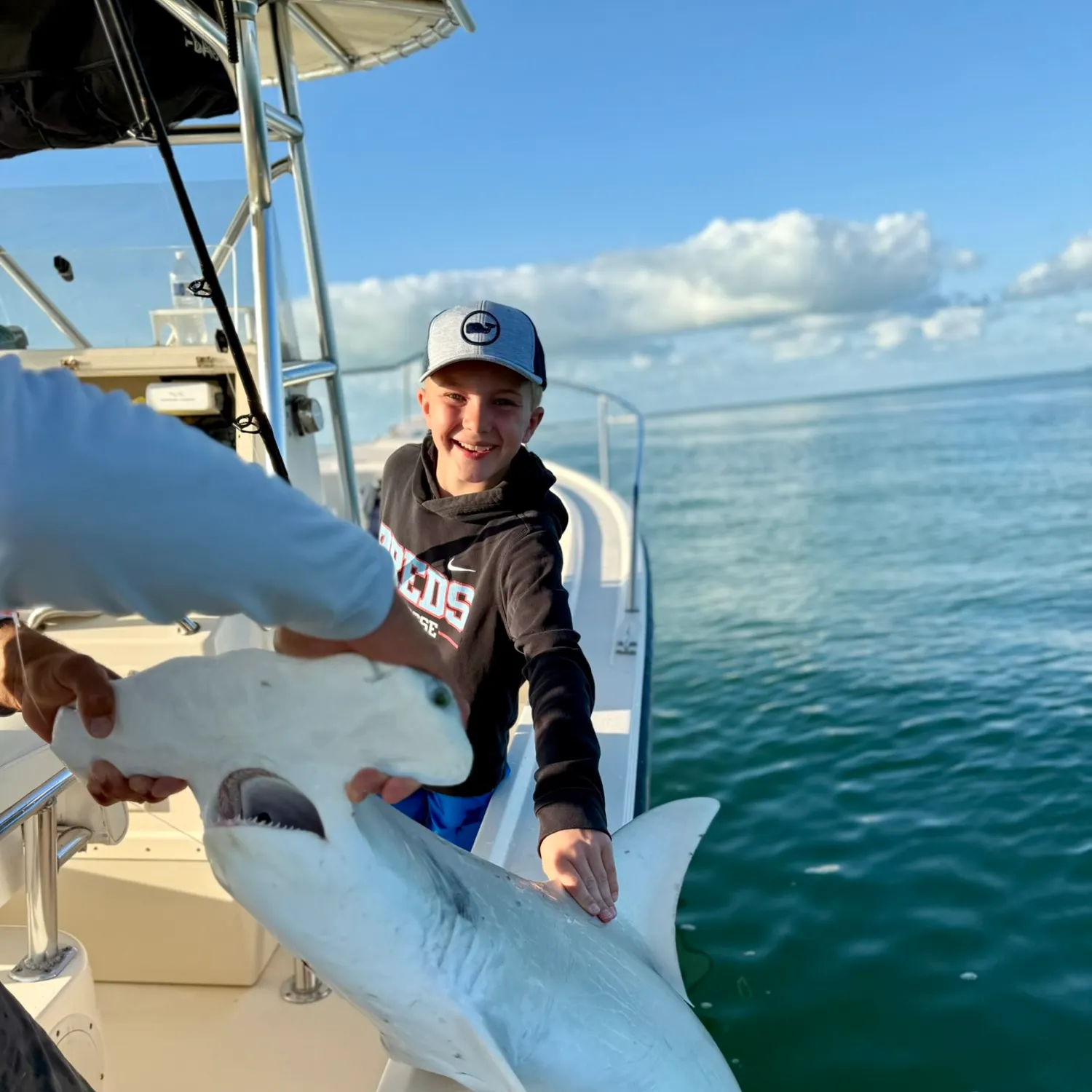
Bonnethead shark

length · weight

Loading...

Tarpon

length · weight

Loading...

Gafftopsail sea catfish

length · weight

Loading...

Ladyfish

length · weight

Loading...

length · weight

Fishbrain
More catches in the app...

Continue browsing catches and catch locations in the Fishbrain app

Loading...
Loading...
Loading...

General info

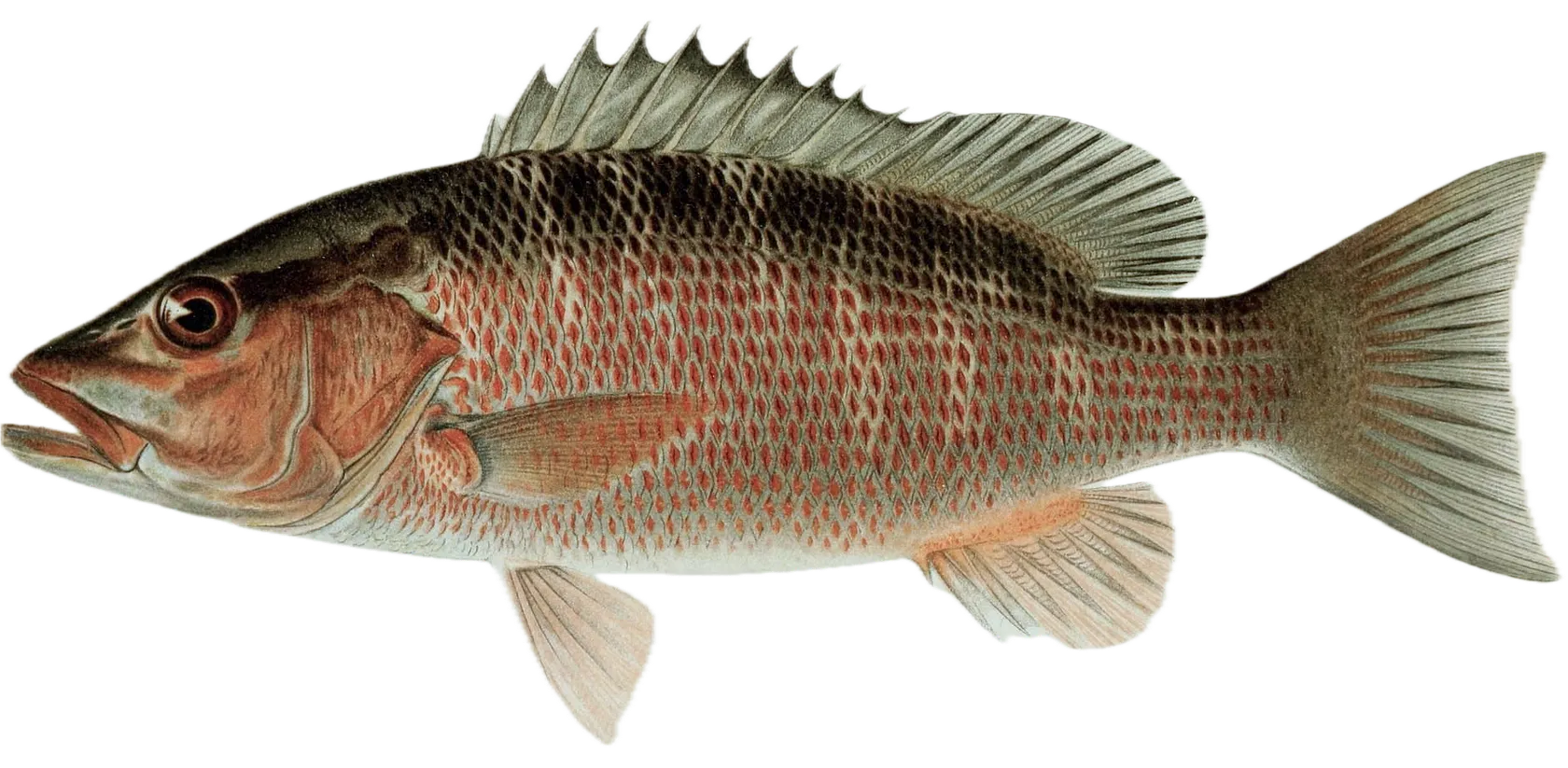
Coon Key Pass is a part of an ocean located in Collier County, Florida, United States. It is most popular for fishing Bonnethead shark, Ladyfish, and Mangrove snapper.

Location

25°54′20.2″N 81°38′19.4″W
Directions

Amenities

Fishing regulations at Coon Key Pass, FL

Disclaimer: Always check local fishing regulations, water access rights and land ownership before fishing, regardless of any catches logged in that area by the Fishbrain community. Fishbrain has mapped millions of acres of government-owned land across the USA to help you identify potential fishing access, but you are responsible for ensuring compliance with all legal requirements.

Fishing regulations in Florida can change throughout the year. Make sure to check this page before fishing for the most up to date rules and regulations for the current season. Local regulations govern when you can fish, the max size of the fish you can keep, how many fish you can keep, and more.

Regulations for top species
Season open: year-round
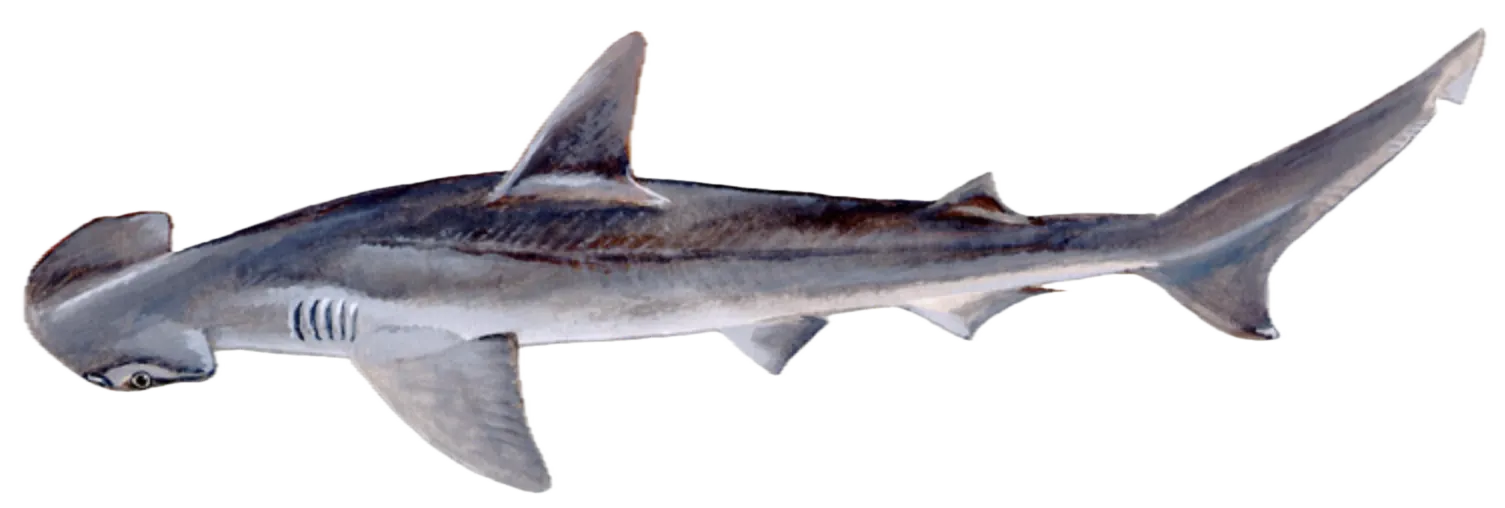
Bonnethead shark

Bonnethead shark

Regulation boundaryFL State Waters
Bag limit1

The maximum number of individual fish legally harvested per harvester per day. Bag limits are only for properly licensed anglers actively harvesting the species. People who are not actively harvesting or are not properly licensed (if a license is required) may NOT be counted for the purpose of bag limits.

Aggregate limit1

The maximum number of individual fish across an aggregate group of species legally harvested per harvester per day.

Vessel limit2

The maximum number of individual fish legally possessed aboard any vessel.

Restrictions & requirements

Snagging

Harvest of this species by snagging (snatch hooking) is prohibited.

Multiple Hooks

Harvest of this species by or with the use of any multiple hooks in conjunction with live or dead natural bait is prohibited.

Additional information
Hook and line gear only. No minimum size limit. 1 shark per harvester or 2 sharks per vessel, whichever is less. Must be Landed in Whole Condition – A person harvesting a shark shall land each shark in whole condition. A person may NOT possess in or on Florida Waters, on any public or private fishing pier, or on a bridge or catwalk attached to a bridge from which fishing is allowed, a shark that has been beheaded, sliced, divided, filleted, ground, skinned, finned, or had the caudal fin (tail) removed. This provision will not be construed to prohibit the evisceration (gutting) of a shark or slicing the base of the caudal fin to bleed the carcass as long as the caudal fin remains attached. This species may be eligible for prizes and recognition if you submit photos through CatchaFloridaMemory.com Visit their website for more information. Please consider releasing all shark species.
Synonyms
Sphyrna tiburo
Season open: year-round
Ladyfish

Ladyfish

Regulation boundaryFL State Waters
Additional information
No established size limit or bag limit. General limit of 100 pounds applies. This species may be eligible for prizes and recognition if you submit photos through CatchaFloridaMemory.com Visit their website for more information.
Edibility
Poor
Synonyms
Elops saurus
Season open: year-round
Mangrove snapper

Mangrove snapper

Regulation boundaryFL Gulf State Waters
Bag limit5

The maximum number of individual fish legally harvested per harvester per day. Bag limits are only for properly licensed anglers actively harvesting the species. People who are not actively harvesting or are not properly licensed (if a license is required) may NOT be counted for the purpose of bag limits.

Min size10" (Total Length)

No person shall harvest any individual fish less than the minimum size limit.

Total length means the straight line distance from the most forward point of the head with the mouth closed, to the farthest tip of the tail with the tail compressed or squeezed, while the fish is lying on its side.

Aggregate limit10

The maximum number of individual fish across an aggregate group of species legally harvested per harvester per day.

Special gear

Circle Hooks

The use of a dehooking device is required when fishing for reef fish. All persons aboard a vessel harvesting reef fish in the Gulf of Mexico must possess and use non-stainless steel non-offset circle hooks when using natural baits.

Restrictions & requirements

Keep-Whole

Must remain in whole condition until landed ashore - head and tail must be intact.

Descending Device/Venting Tool

Descending device or venting tool rigged and ready is required when fishing for reef fish, and use such device if releasing a fish that suffers from barotrauma. Get descending device gear for FREE by completing a 15-minute training from Return 'Em Right. Get started here: returnemright.org

Additional information
This species may be eligible for prizes and recognition if you submit photos through CatchaFloridaMemory.com Visit their website for more information.Anglers fishing for reef fish must have a venting tool or descending device rigged and ready to use. Take a short 15‑minute training to learn how to properly use required release gear and access it at a discounted price through returnemright.org.
Edibility
Excellent. Here's a fun and tasty mangrove snapper Catch, Clean, Cook by Deer Meat for Dinner!
Synonyms
Lutjanus griseus, Mangrove Snapper
License Icon
Local laws and licenses

Florida fishing license

Get license

Reviews of Coon Key Pass

4.1
Loading...

7 ratings

5
4
3
2
1
Top reviews

Cities nearby

Goodland

1.5 miles away

Marco Island

4.2 miles away

Winding Cypress

11.2 miles away

Lely Resort

13.3 miles away

Lely

14.8 miles away

Everglades

16.0 miles away

Chokoloskee

18.4 miles away

Naples

19.5 miles away

Golden Gate

19.7 miles away

Island Walk

24.3 miles away

Pelican Marsh

25.8 miles away

Heritage Bay

26.2 miles away

Naples Park

26.9 miles away

Orangetree

27.0 miles away

Ave Maria

31.3 miles away

Bonita Springs

32.4 miles away

Estero

37.3 miles away

Immokalee

38.3 miles away

Fort Myers Beach

40.1 miles away

San Carlos Park

41.0 miles away

Iona

46.6 miles away

Cypress Lake

46.7 miles away

Anything missing or inaccurate?

Suggest changes to improve what we show.

Suggest changes

FAQ about Coon Key Pass fishing

📍 Where is Coon Key Pass located?
Coon Key Pass is a part of an ocean located in Collier County, Florida, United States. Its coordinates are:
25°54′20.2″N 81°38′19.4″W
.
🎣 Where on Coon Key Pass is it best to fish?
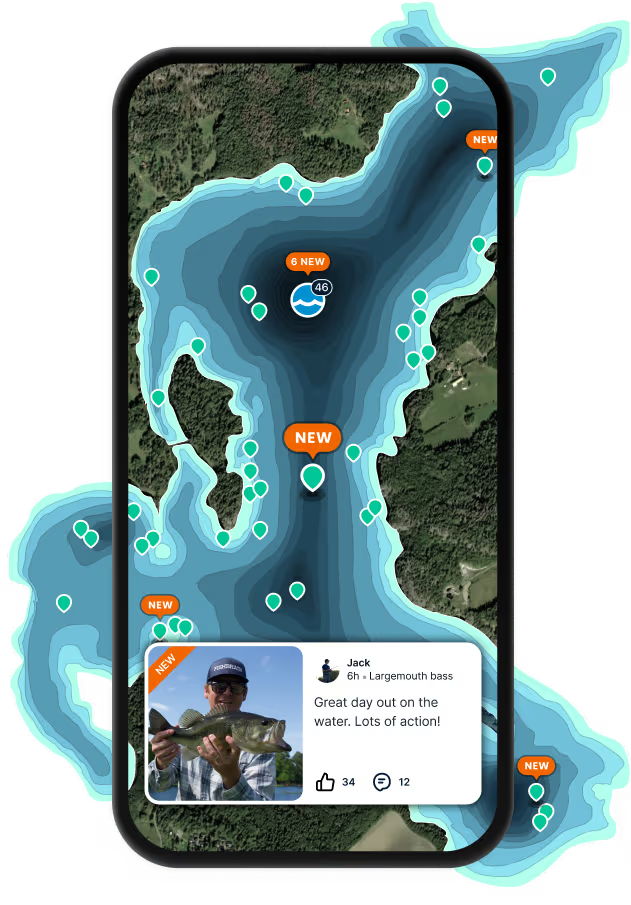
Find the best fishing spots on Coon Key Pass by looking at where other anglers have caught fish. This can easily be done in the where it is also possible to see big fish potential and how good fishing is right now along with Garmin® depth maps.
🐟 What species are in Coon Key Pass?
The most common species in Coon Key Pass are:
📢 What are the latest Coon Key Pass fishing reports?
The latest Coon Key Pass fishing reports are:
🗓️ What species are in season at Coon Key Pass right now?
According to fishing regulations at Coon Key Pass, some of the species in season this November include: Common snook, Northern red snapper, Fat snook, Atlantic bluefin tuna, and Lane snapper. For full details on other species — including bag limits, minimum and maximum size limits, and seasonal closures — download the .
🪪 Do I need a fishing license to fish at Coon Key Pass?

Fishing in Florida requires a valid state fishing license for anglers. Freshwater, saltwater, or combination licenses are available for residents and visitors, purchasable online, by phone, or at authorized retailers.

In Florida, no fishing license is required for anglers under 16 or residents 65 and older. A few other exceptions worth knowing:

  • Free fishing days — most states designate 1–2 weekends a year where anyone can fish without a license

  • Tribal waters — tribal members fishing on tribal land operate under separate tribal regulations

  • Private ponds — landowners fishing their own water typically don't need a license

Non-residents usually pay more for a license than residents. Some species also require an extra stamp or endorsement on top of your base license.

Get license
App Section
Download Fishbrain and fish smarter
Unlimited access to the best fishing spot finder in the game. Get all the fishing intel you need to start catching more, and bigger, fish.

Free trial available

Loading...
Loading...
Loading...
Loading...