Map

Deer Prairie Creek

Fishing spots, fishing reports, and regulations in

Florida, United States

4.9·106 catches

Top fish species at Deer Prairie Creek

App Section

Check which species have trophy potential in Deer Prairie Creek

Deer Prairie Creek fishing reports

Loading...

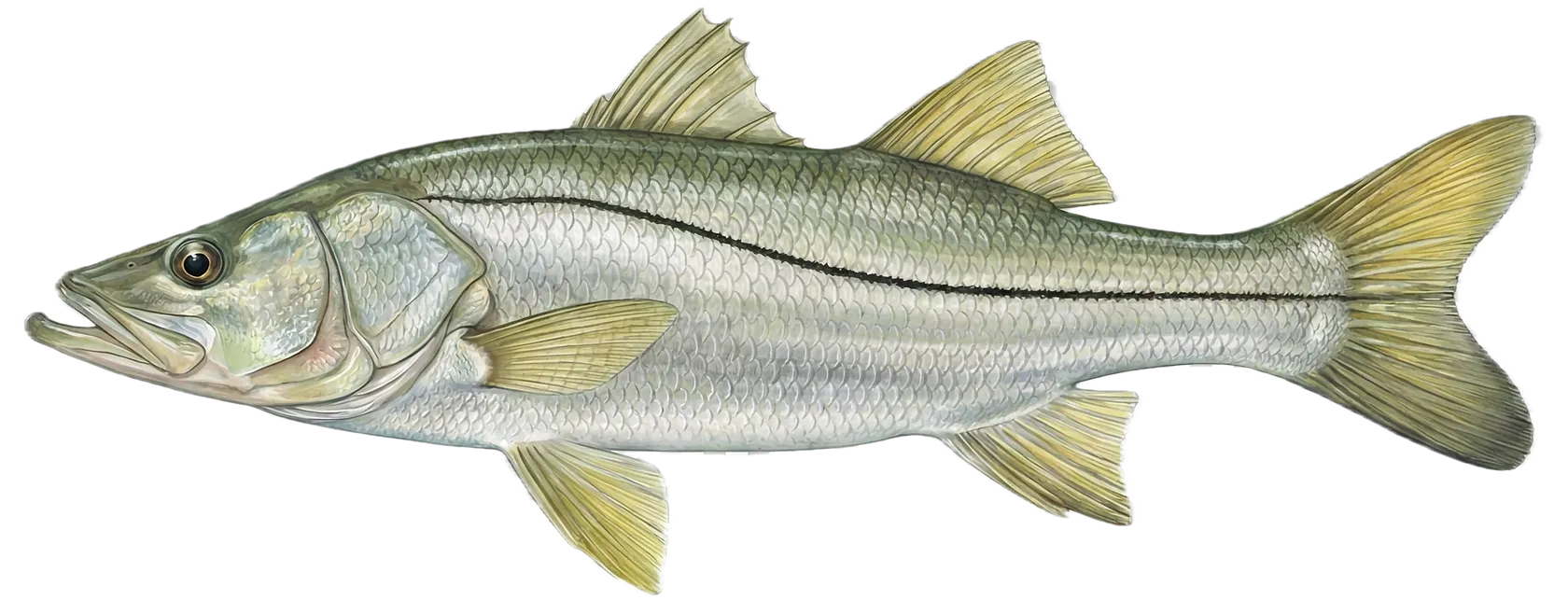
Common snook

length · weight

Loading...

Common snook

length · weight

Loading...

Crevalle jack

length · weight

Loading...

Mayan cichlid

length · weight

Loading...

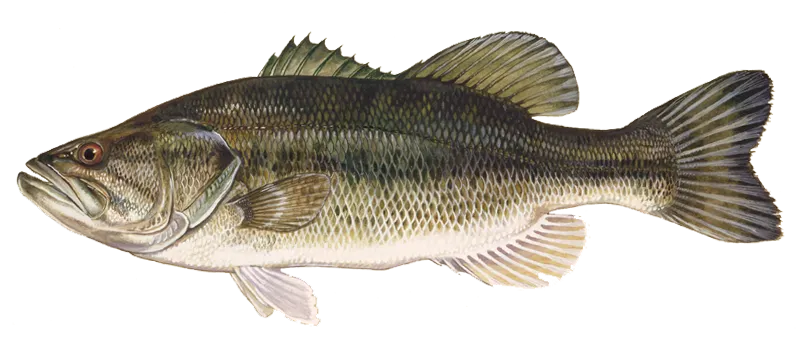
Largemouth bass

length · weight

Loading...

Largemouth bass

length · weight

Fishbrain
More catches in the app...

Continue browsing catches and catch locations in the Fishbrain app

Loading...
Loading...
Loading...

General info

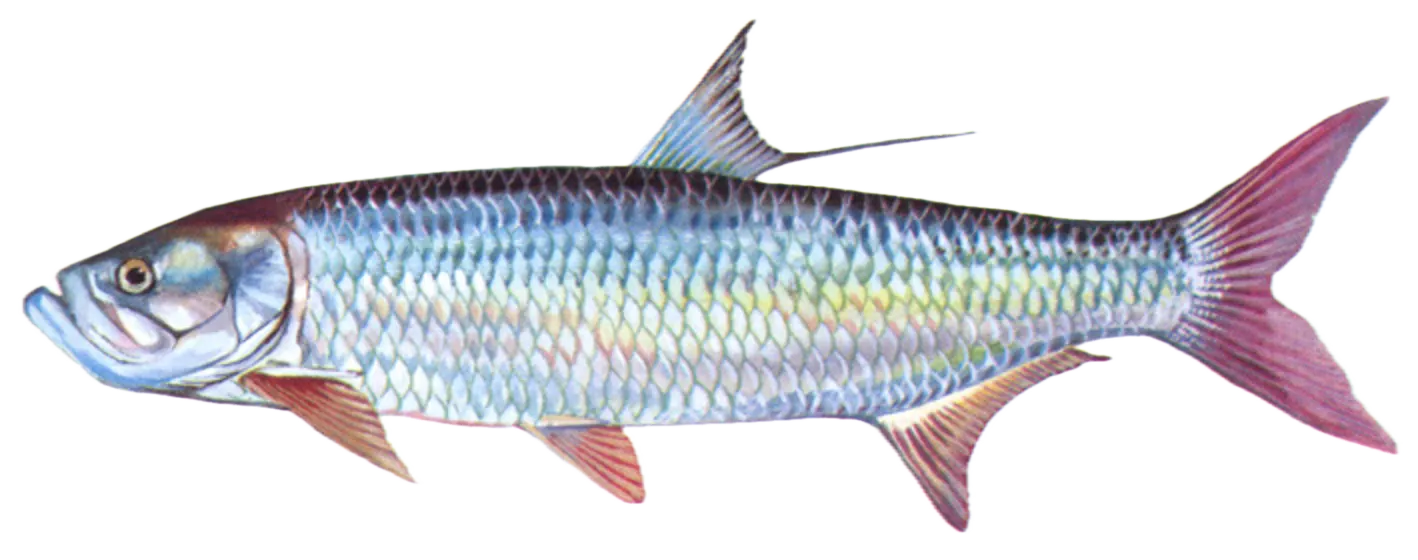
Deer Prairie Creek is a stream located in Sarasota County, Florida, United States. It is most popular for fishing Common snook, Largemouth bass, and Tarpon.

Location

27°05′17.3″N 82°16′38.8″W
Directions

Amenities

When are Snook biting on Deer Prairie Creek?

Learn what time of year and day to go fishing at Deer Prairie Creek. Download Fishbrain today to look for new fishing spots, scout new fishing access, or prep for your next trip.

Bite time image

Fishing regulations at Deer Prairie Creek, FL

Disclaimer: Always check local fishing regulations, water access rights and land ownership before fishing, regardless of any catches logged in that area by the Fishbrain community. Fishbrain has mapped millions of acres of government-owned land across the USA to help you identify potential fishing access, but you are responsible for ensuring compliance with all legal requirements.

Fishing regulations in Florida can change throughout the year. Make sure to check this page before fishing for the most up to date rules and regulations for the current season. Local regulations govern when you can fish, the max size of the fish you can keep, how many fish you can keep, and more.

Regulations for top species

Season open: October 1 - November 30
Common snook

Common snook

Regulation boundaryFL Snook Charlotte Harbor
Bag limit1

The maximum number of individual fish legally harvested per harvester per day. Bag limits are only for properly licensed anglers actively harvesting the species. People who are not actively harvesting or are not properly licensed (if a license is required) may NOT be counted for the purpose of bag limits.

Min size28" (Total Length)

No person shall harvest any individual fish less than the minimum size limit.

Total length means the straight line distance from the most forward point of the head with the mouth closed, to the farthest tip of the tail with the tail compressed or squeezed, while the fish is lying on its side.

Max size33" (Total Length)

No person shall harvest any individual fish greater than the maximum size except as permitted.

Total length means the straight line distance from the most forward point of the head with the mouth closed, to the farthest tip of the tail with the tail compressed or squeezed, while the fish is lying on its side.

Restrictions & requirements

Gigging

Harvest by gigging prohibited.

Snagging

Harvest of this species by snagging (snatch hooking) is prohibited.

Spears

Harvest of this species by "spearing" is prohibited. Spearing includes the catching or taking of a fish by bow hunting, gigging, spearfishing, or by any device used to capture a fish by piercing the body.

Multiple Hooks

Harvest of this species by or with the use of any multiple hooks in conjunction with live or dead natural bait is prohibited.

Zero Bag for Captain

Bag and possession limit for captains and crew on for-hire vessels is zero.

Hook & Line Only

Allowable gear: hook and line.

Keep-Whole

Must remain in whole condition until landed ashore - head and tail must be intact.

Required licenses
Snook permit and recreational fishing license.
Additional information
No commercial harvest or sale of snook is permitted.Regulations apply to state and adjacent Federal Waters. For more information, see MyFWC Snook.This species may be eligible for prizes and recognition if you submit photos through CatchaFloridaMemory.com. Visit their website for more information.
Edibility
Excellent
Synonyms
Centropomus
Season open: year-round
Largemouth bass

Largemouth bass

Regulation boundaryFL State Waters
Bag limit5

The maximum number of individual fish legally harvested per harvester per day. Bag limits are only for properly licensed anglers actively harvesting the species. People who are not actively harvesting or are not properly licensed (if a license is required) may NOT be counted for the purpose of bag limits.

Max size16" (Total Length)

No person shall harvest any individual fish greater than the maximum size except as permitted.

Total length means the straight line distance from the most forward point of the head with the mouth closed, to the farthest tip of the tail with the tail compressed or squeezed, while the fish is lying on its side.

Aggregate limit5

The maximum number of individual fish across an aggregate group of species legally harvested per harvester per day.

Memorable / trophy limits1 > 16

The maximum number of trophy individuals legally harvested per harvester per day. A trophy is any individual of a length greater than the max size limit. Trophy individuals are included in the daily bag limit unless stated otherwise.

RequirementKeep intact

In waters where minimum-length or slot-size limits apply, game fish may not be filleted, nor their head or tail fin removed until the angler has completed fishing for the day.

Special gear

FL FW Game Fish

Freshwater game fish may only be taken with pole-and-line or rod-and-reel. There is no limit on the number of rods an angler may use.

Restrictions & requirements

Keep Intact

In waters where minimum-length or slot-size limits apply, game fish may not be filleted, nor their head or tail fin removed until the angler has completed fishing for the day.

Additional information
No minimum length. Only 1 bass may be 16-inches or longer in total length. Black Bass or any part thereof may not be used as bait.Regulations are the same for both Florida Bass and Largemouth Bass throughout Florida, so there is no need for anglers to distinguish between the two species for regulations purposes. Catch a largemouth bass 8-pounds or heavier, check out our TrophyCatch for some amazing prizes.An angler participating in the TrophyCatch Program may temporarily possess in live condition one largemouth bass, 8 pounds or greater, over the legal length limit and bag limit in order to obtain photographic or video documentation of the fish. All largemouth bass retained for this purpose must be released alive into the waterbody in which it was caught immediately after documentation.An angler may possess one largemouth bass 16.5 pounds or greater, per day over the legal length or bag limit when submitting for the certification of a potential state record provided they contact the Commission at this link MYFWC-Potential state record largemouth bass. Largemouth bass maintained in live condition may only be possessed on the waterbody or adjacent shore from which the fish was caught and may only be released alive in the same waterbody, unless otherwise directed by Commission staff.
Edibility
Very good Catch, Clean, Cook Largemouth Bass by BlueGabe
Synonyms
Micropterus nigricans
Season open: year-round
Tarpon

Tarpon

Regulation boundaryFL State Waters
Restrictions & requirements

Snagging

Harvest of this species by snagging (snatch hooking) is prohibited.

Spears

Harvest of this species by "spearing" is prohibited. Spearing includes the catching or taking of a fish by bow hunting, gigging, spearfishing, or by any device used to capture a fish by piercing the body.

Multiple Hooks

Harvest of this species by or with the use of any multiple hooks in conjunction with live or dead natural bait is prohibited.

Catch and Release Only

Daily Creel Limit = 0 (Catch and Release Fishing Only)

Required licenses
Tarpon Tag required to posess or harvest
Additional information
Tarpon is a catch-and-release only fishery. Hook and line only. Snagging, snatch hooking, spearing and the use of a multiple hook in conjunction with live or dead natural bait is prohibited. One tarpon tag per person per year may be purchased when in pursuit of an International Game Fish Association (IGFA) record. Vessel, transport and shipment limited to one fish. Anglers are allowed to temporarily possess a Tarpon for photography, measurement of length and girth and scientific sampling. Tarpon more than 40 inches long MUST REMAIN IN THE WATER. For more info, see MyFWC Tarpon FAQsThis species may be eligible for prizes and recognition if you submit photos through CatchaFloridaMemory.com Visit their website for more information.
Edibility
Poor
Synonyms
Megalops atlanticus
License Icon
Local laws and licenses

Florida fishing license

Get license

Reviews of Deer Prairie Creek

4.9
Loading...

7 ratings

5
4
3
2
1
Top reviews

Cities nearby

Warm Mineral Springs

2.9 miles away

North Port

5.3 miles away

Venice

8.6 miles away

South Venice

9.0 miles away

Englewood

10.0 miles away

Laurel

11.7 miles away

Port Charlotte

12.1 miles away

Manasota Key

12.4 miles away

Grove City

12.9 miles away

Rotonda

14.1 miles away

Osprey

14.4 miles away

Palmer Ranch

15.2 miles away

Old Miakka

16.0 miles away

Charlotte Harbor

16.1 miles away

Lake Sarasota

17.2 miles away

Harbour Heights

17.9 miles away

Gulf Gate Estates

18.4 miles away

Solana

18.5 miles away

Punta Gorda

19.3 miles away

Sarasota Springs

19.7 miles away

Cleveland

19.9 miles away

Fruitville

20.3 miles away

Southgate

20.8 miles away

Siesta Key

21.3 miles away

Anything missing or inaccurate?

Suggest changes to improve what we show.

Suggest changes

FAQ about Deer Prairie Creek fishing

📍 Where is the Deer Prairie Creek located?
the Deer Prairie Creek is a stream located in Sarasota County, Florida, United States. Its coordinates are:
27°05′17.3″N 82°16′38.8″W
.
🎣 Where on the Deer Prairie Creek is it best to fish?
Find the best fishing spots on the Deer Prairie Creek by looking at where other anglers have caught fish. This can easily be done in the where it is also possible to see big fish potential and how good fishing is right now along with Garmin® depth maps.
🐟 What species are in the Deer Prairie Creek?
The most common species in the Deer Prairie Creek are:
  • Common snook - 8 members reported to have caught this fish
  • Largemouth bass - 17 members reported to have caught this fish
  • Tarpon - 1 members reported to have caught this fish
📢 What are the latest Deer Prairie Creek fishing reports?
The latest Deer Prairie Creek fishing reports are:
🗓️ What species are in season at the Deer Prairie Creek right now?
According to fishing regulations at the Deer Prairie Creek, some of the species in season this November include: Common snook, Fat snook, Atlantic bluefin tuna, Lane snapper, and Grey triggerfish. For full details on other species — including bag limits, minimum and maximum size limits, and seasonal closures — download the .
🪪 Do I need a fishing license to fish at the Deer Prairie Creek?

Fishing in Florida requires a valid state fishing license for anglers. Freshwater, saltwater, or combination licenses are available for residents and visitors, purchasable online, by phone, or at authorized retailers.

In Florida, no fishing license is required for anglers under 16 or residents 65 and older. A few other exceptions worth knowing:

  • Free fishing days — most states designate 1–2 weekends a year where anyone can fish without a license

  • Tribal waters — tribal members fishing on tribal land operate under separate tribal regulations

  • Private ponds — landowners fishing their own water typically don't need a license

Non-residents usually pay more for a license than residents. Some species also require an extra stamp or endorsement on top of your base license.

Get license
App Section
Download Fishbrain and fish smarter
Unlimited access to the best fishing spot finder in the game. Get all the fishing intel you need to start catching more, and bigger, fish.

Free trial available

Loading...
Loading...
Loading...
Loading...