
Logged catches
Top fish species at Clear Lake

Check which species have trophy potential in Clear Lake

Clear Lake fishing reports
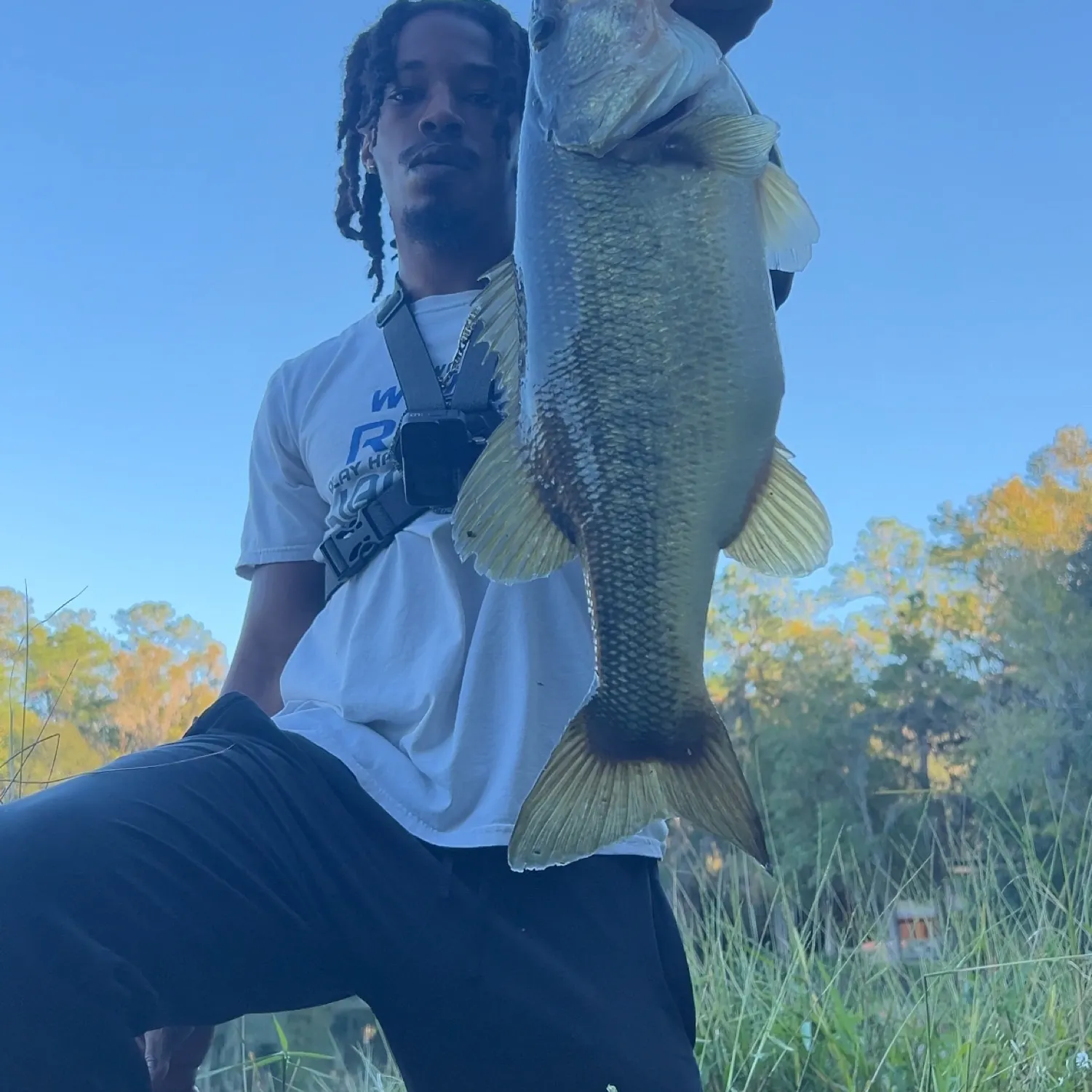
length · weight
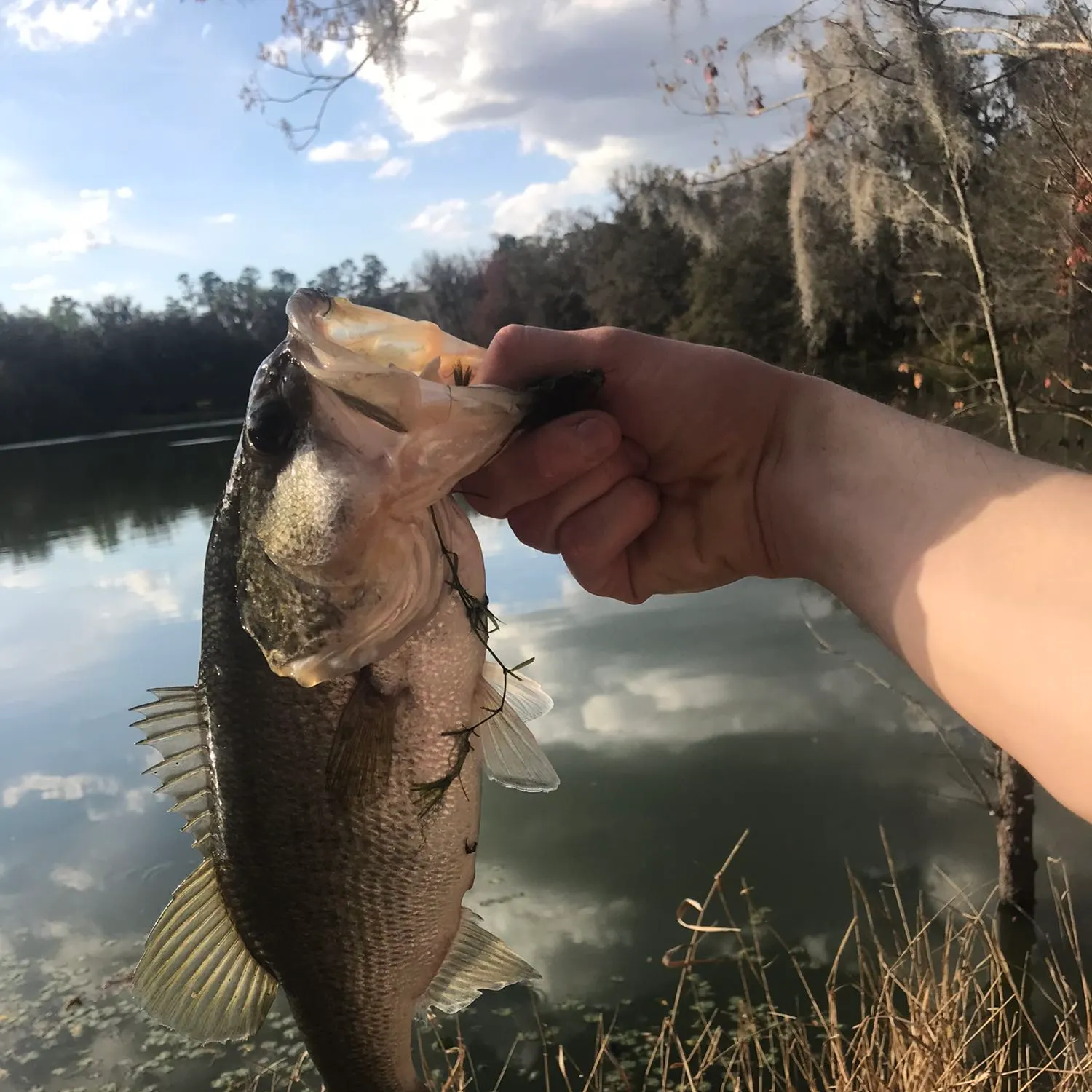
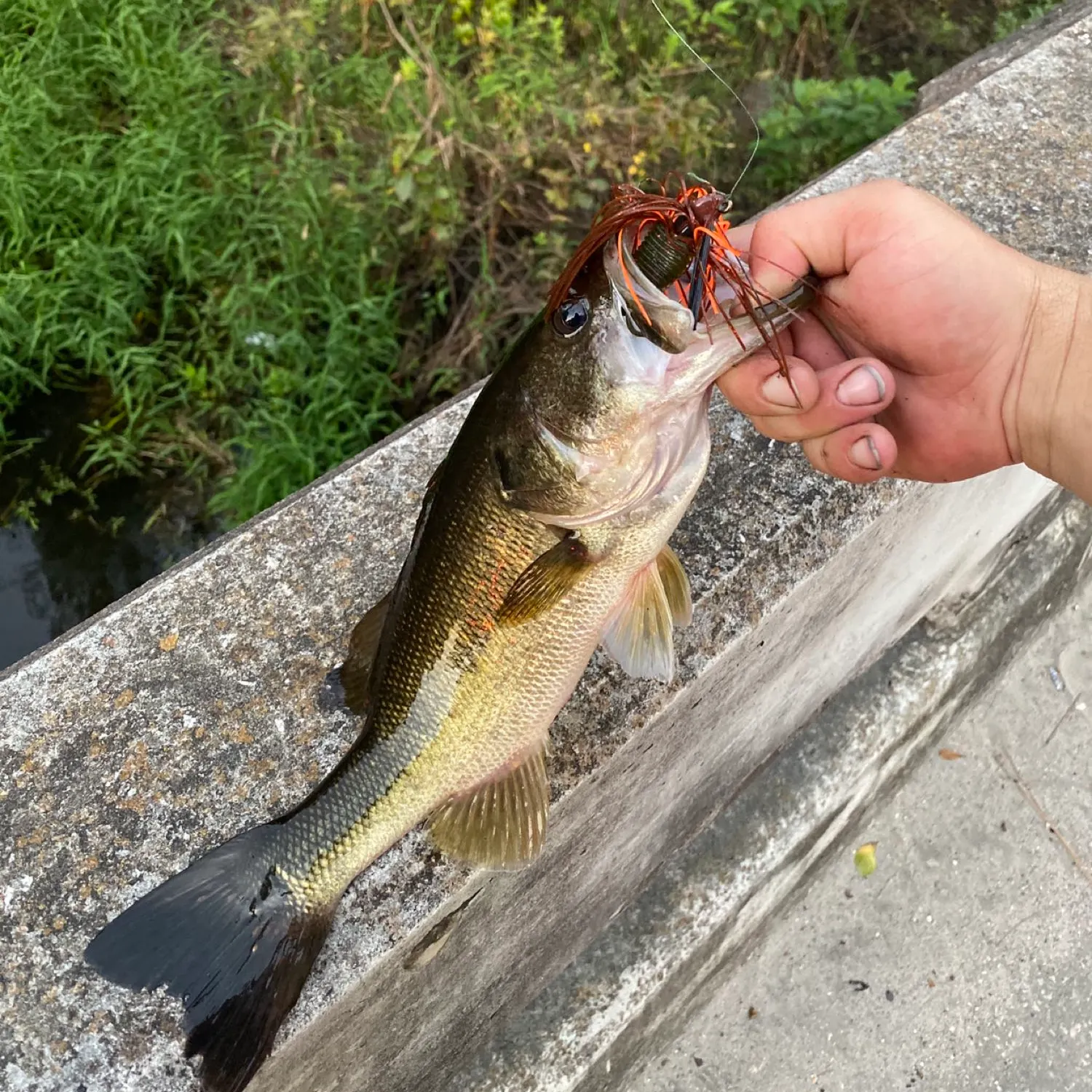
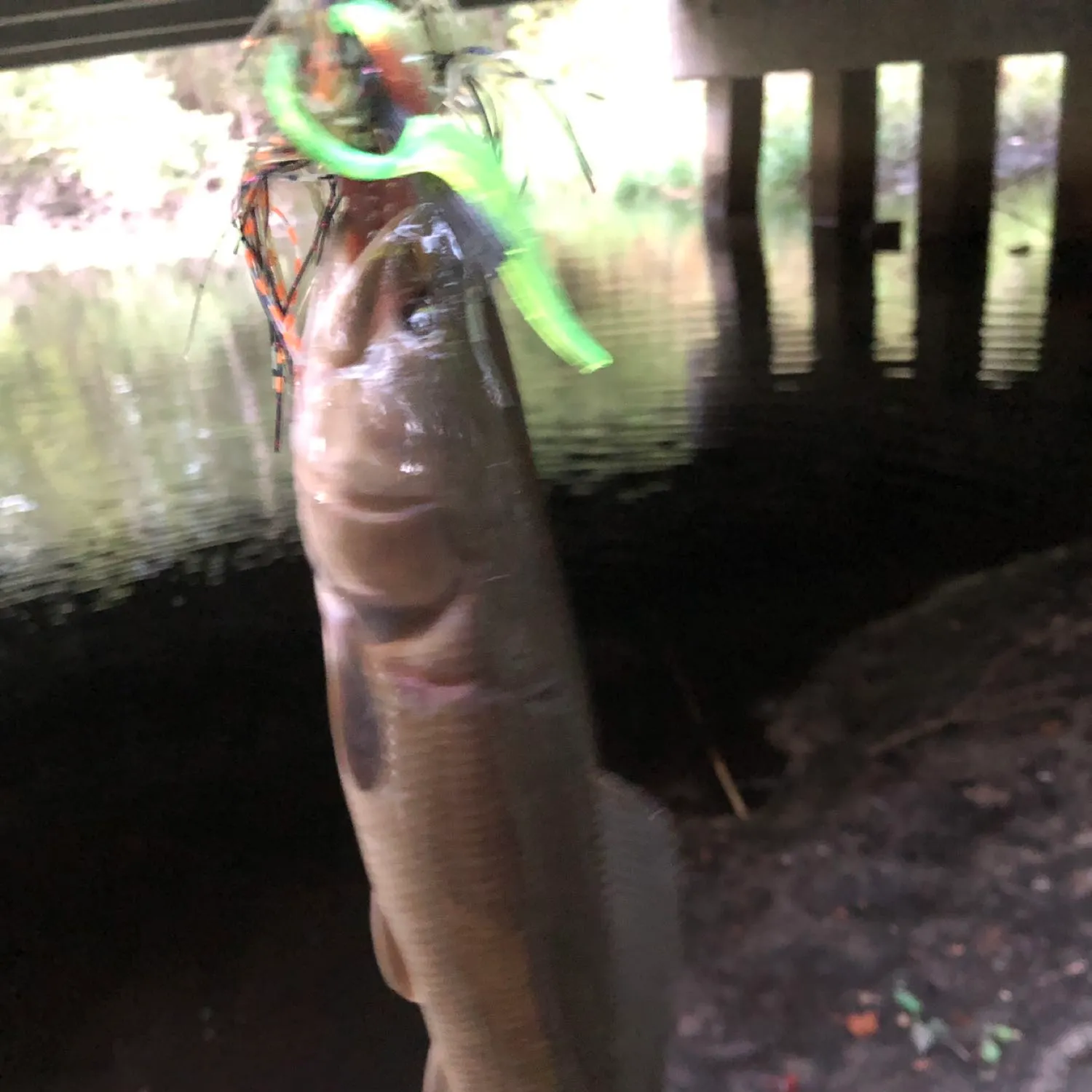
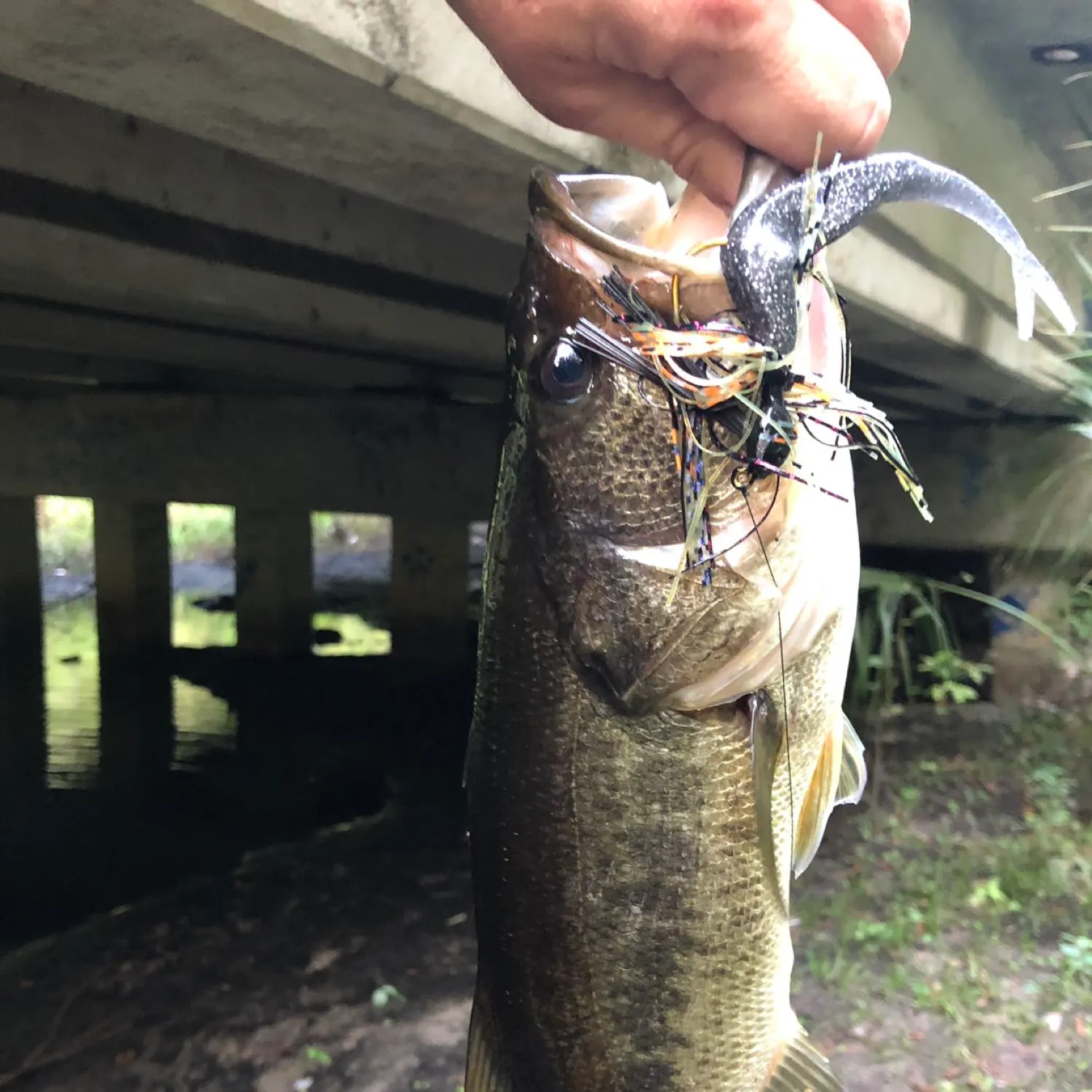


Continue browsing catches and catch locations in the Fishbrain app

When are Largemouth Bass biting on Clear Lake?
Learn what time of year and day to go fishing at Clear Lake. Download Fishbrain today to look for new fishing spots, scout new fishing access, or prep for your next trip.

Fishing regulations at Clear Lake, FL
Disclaimer: Always check local fishing regulations, water access rights and land ownership before fishing, regardless of any catches logged in that area by the Fishbrain community. Fishbrain has mapped millions of acres of government-owned land across the USA to help you identify potential fishing access, but you are responsible for ensuring compliance with all legal requirements.
Fishing regulations in Florida can change throughout the year. Make sure to check this page before fishing for the most up to date rules and regulations for the current season. Local regulations govern when you can fish, the max size of the fish you can keep, how many fish you can keep, and more.
Regulations for top species
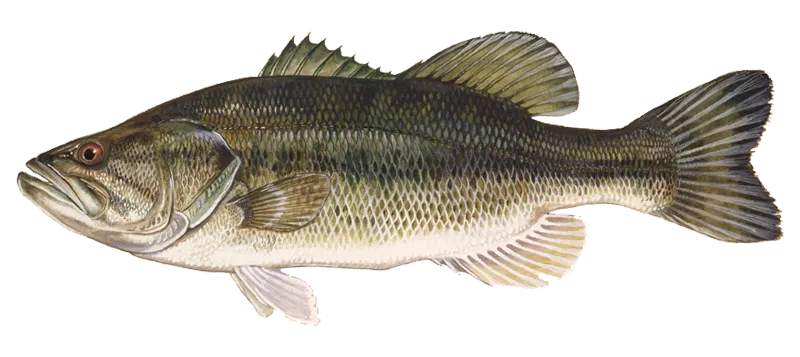
Largemouth bass
Bag limit5
The maximum number of individual fish legally harvested per harvester per day. Bag limits are only for properly licensed anglers actively harvesting the species. People who are not actively harvesting or are not properly licensed (if a license is required) may NOT be counted for the purpose of bag limits.
Max size16" (Total Length)
No person shall harvest any individual fish greater than the maximum size except as permitted.
Total length means the straight line distance from the most forward point of the head with the mouth closed, to the farthest tip of the tail with the tail compressed or squeezed, while the fish is lying on its side.
Aggregate limit5
The maximum number of individual fish across an aggregate group of species legally harvested per harvester per day.
Memorable / trophy limits1 > 16
The maximum number of trophy individuals legally harvested per harvester per day. A trophy is any individual of a length greater than the max size limit. Trophy individuals are included in the daily bag limit unless stated otherwise.
RequirementKeep intact
In waters where minimum-length or slot-size limits apply, game fish may not be filleted, nor their head or tail fin removed until the angler has completed fishing for the day.
Special gear
FL FW Game Fish
Freshwater game fish may only be taken with pole-and-line or rod-and-reel. There is no limit on the number of rods an angler may use.
Restrictions & requirements
Keep Intact
In waters where minimum-length or slot-size limits apply, game fish may not be filleted, nor their head or tail fin removed until the angler has completed fishing for the day.
Additional information
Edibility
Synonyms
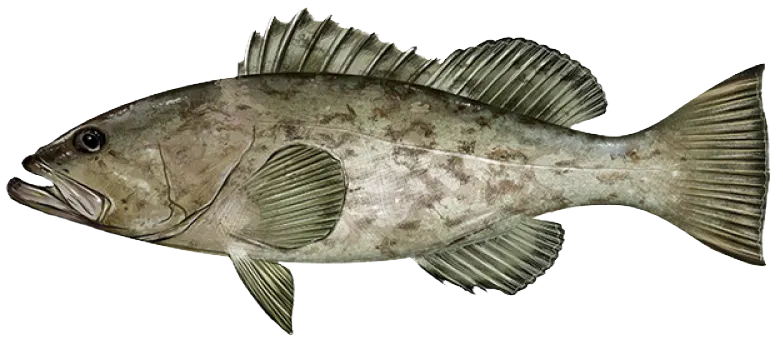
Gag grouper
Bag limit2
The maximum number of individual fish legally harvested per harvester per day. Bag limits are only for properly licensed anglers actively harvesting the species. People who are not actively harvesting or are not properly licensed (if a license is required) may NOT be counted for the purpose of bag limits.
Min size24" (Total Length)
No person shall harvest any individual fish less than the minimum size limit.
Total length means the straight line distance from the most forward point of the head with the mouth closed, to the farthest tip of the tail with the tail compressed or squeezed, while the fish is lying on its side.
Aggregate limit4
The maximum number of individual fish across an aggregate group of species legally harvested per harvester per day.
Special gear
Circle Hooks
The use of a dehooking device is required when fishing for reef fish. All persons aboard a vessel harvesting reef fish in the Gulf of Mexico must possess and use non-stainless steel non-offset circle hooks when using natural baits.
Restrictions & requirements
Zero Bag for Captain
Bag and possession limit for captains and crew on for-hire vessels is zero.
Keep-Whole
Must remain in whole condition until landed ashore - head and tail must be intact.
Descending Device/Venting Tool
Descending device or venting tool rigged and ready is required when fishing for reef fish, and use such device if releasing a fish that suffers from barotrauma. Get descending device gear for FREE by completing a 15-minute training from Return 'Em Right. Get started here: returnemright.org
Required licenses
Additional information
Edibility
Synonyms
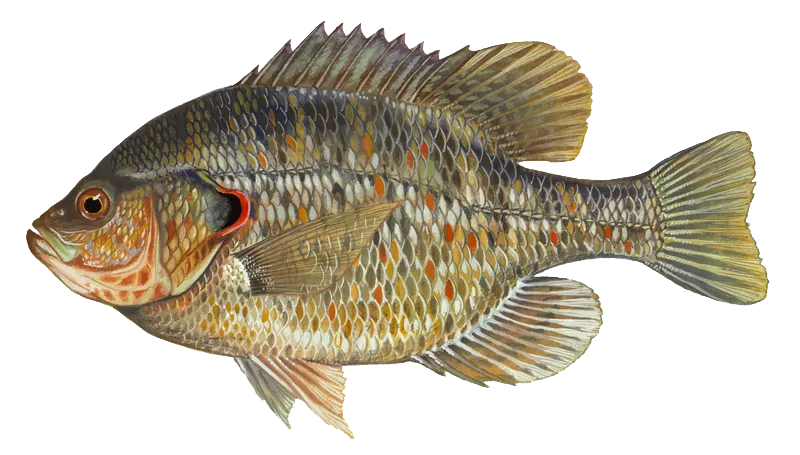
Redear sunfish
Bag limit50
The maximum number of individual fish legally harvested per harvester per day. Bag limits are only for properly licensed anglers actively harvesting the species. People who are not actively harvesting or are not properly licensed (if a license is required) may NOT be counted for the purpose of bag limits.
Aggregate limit50
The maximum number of individual fish across an aggregate group of species legally harvested per harvester per day.
RequirementKeep intact
In waters where minimum-length or slot-size limits apply, game fish may not be filleted, nor their head or tail fin removed until the angler has completed fishing for the day.
Special gear
FL FW Game Fish
Freshwater game fish may only be taken with pole-and-line or rod-and-reel. There is no limit on the number of rods an angler may use.
Restrictions & requirements
Keep Intact
In waters where minimum-length or slot-size limits apply, game fish may not be filleted, nor their head or tail fin removed until the angler has completed fishing for the day.
Additional information
Edibility
Synonyms

Free trial available