Logged catches

Check which species have trophy potential in Neosho River
Scan the QR code to download the app!


Continue browsing catches and catch locations in the Fishbrain app
Scan the QR code to download the app!
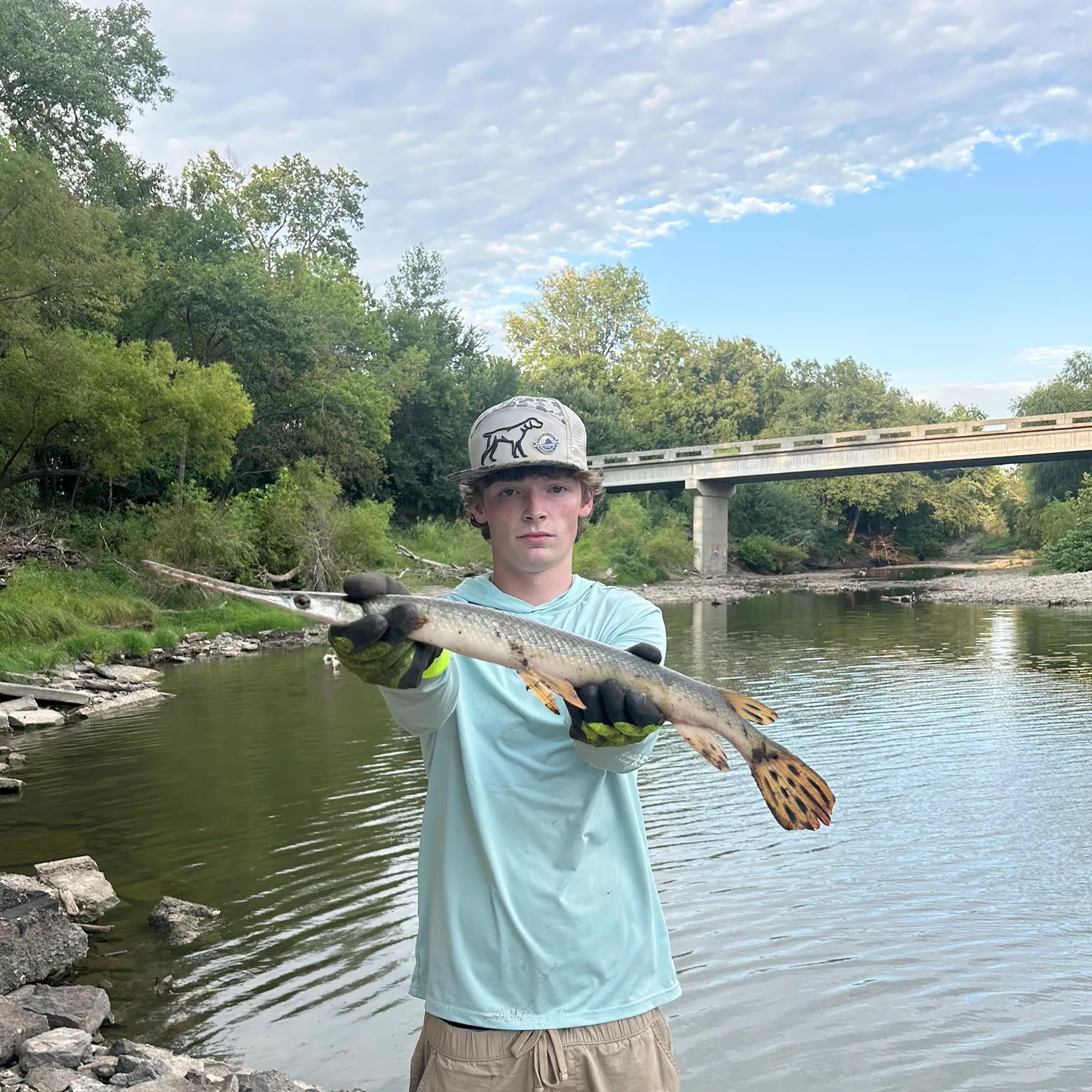
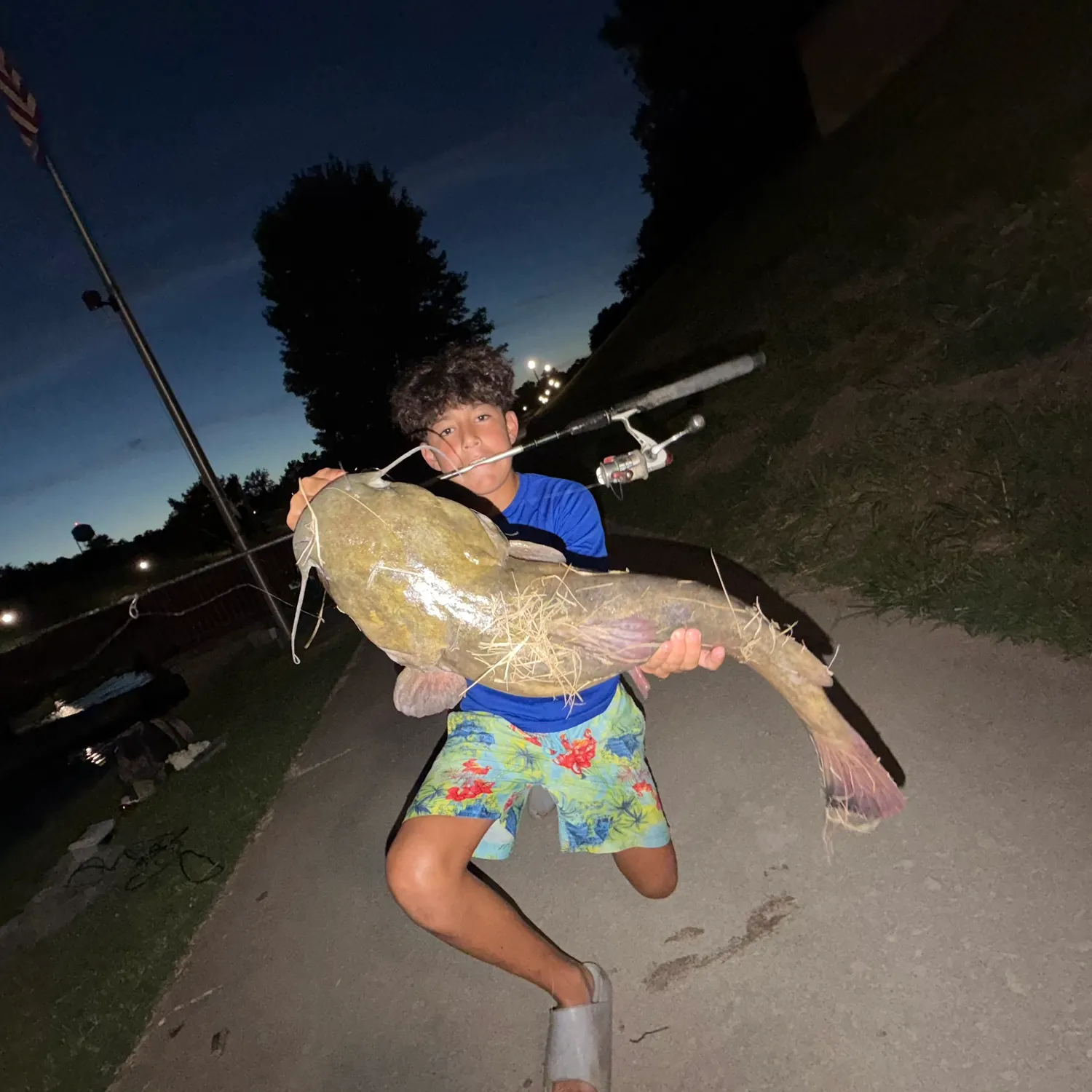
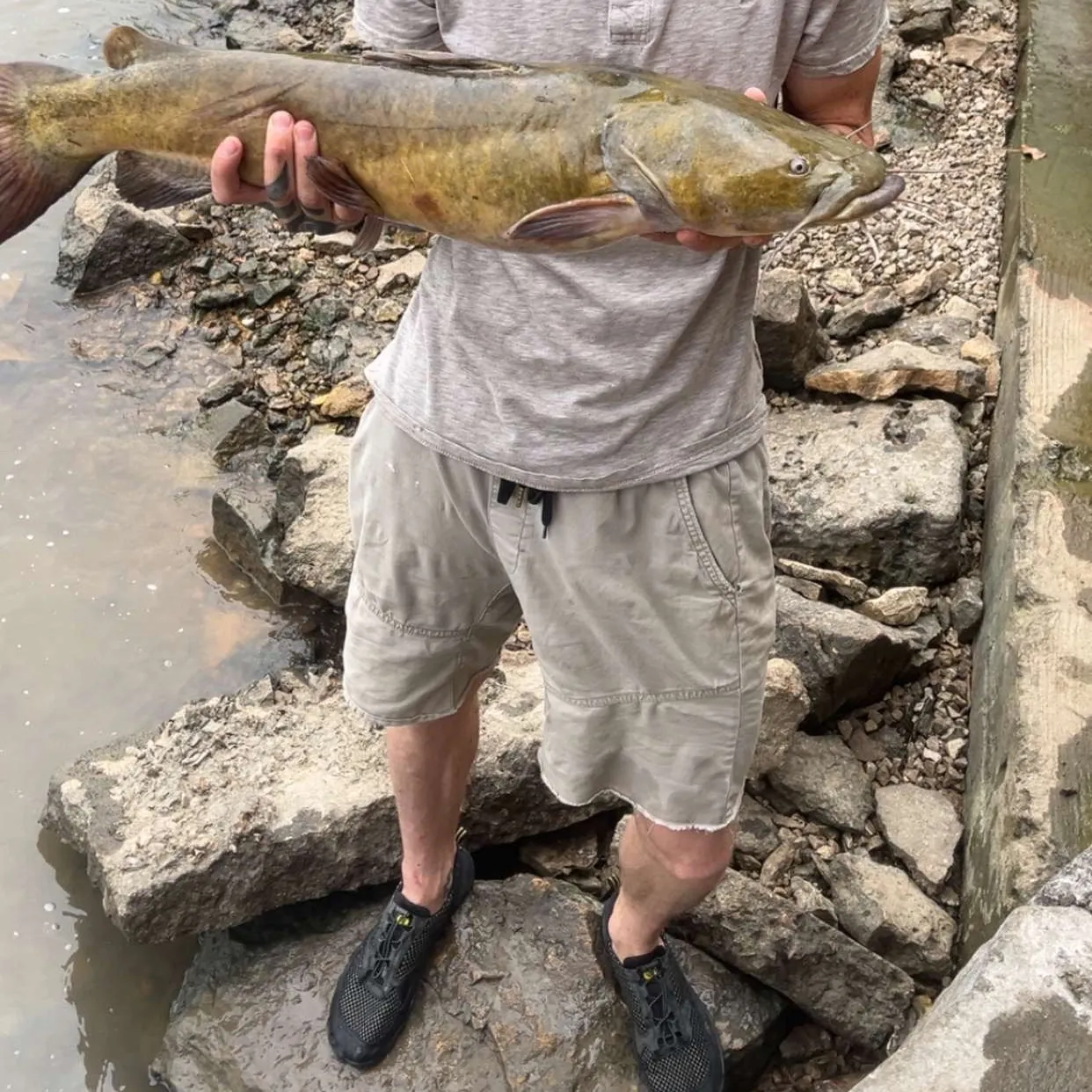
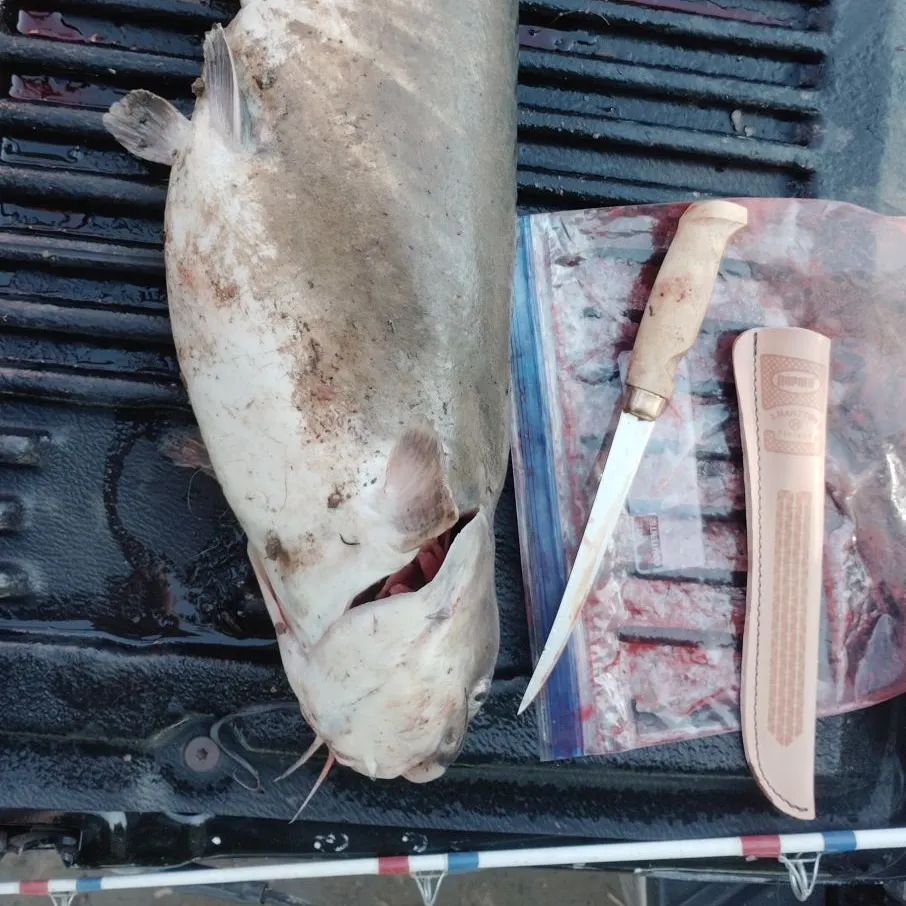
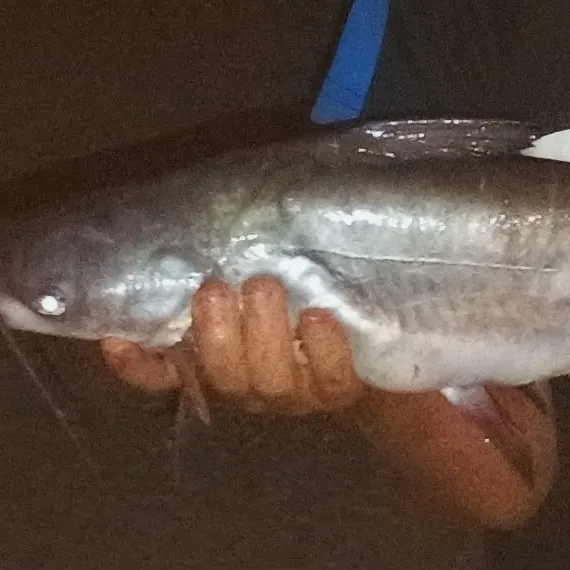
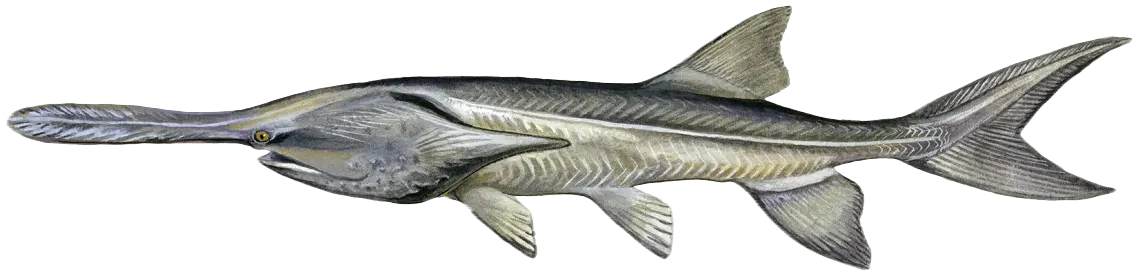
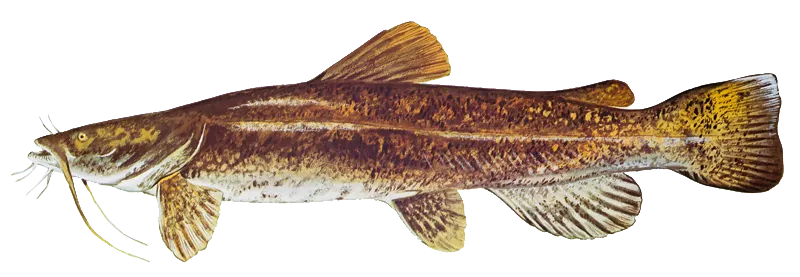
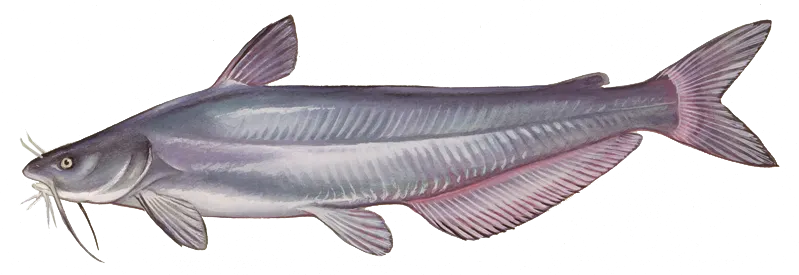
Neosho River is a stream located in Coffey County, Kansas, United States. It is also intersecting with Allen County, Kansas and Craig County, Oklahoma. It is most popular for fishing Paddlefish, Flathead catfish, and Blue catfish.
Disclaimer: Always check local fishing regulations, water access rights and land ownership before fishing, regardless of any catches logged in that area by the Fishbrain community. Fishbrain has mapped millions of acres of government-owned land across the USA to help you identify potential fishing access, but you are responsible for ensuring compliance with all legal requirements.
Fishing regulations in Kansas can change throughout the year. Make sure to check this page before fishing for the most up to date rules and regulations for the current season. Local regulations govern when you can fish, the max size of the fish you can keep, how many fish you can keep, and more.
The maximum number of individual fish legally harvested per harvester per day. Bag limits are only for properly licensed anglers actively harvesting the species. People who are not actively harvesting or are not properly licensed (if a license is required) may NOT be counted for the purpose of bag limits.
Keep-Whole
Must remain in whole condition until landed ashore - head and tail must be intact.
No size limit. No closed season.
The paddlefish snagging season is open March 15 through May 15 on posted areas inside Chetopa and Burlington city parks on the Neosho River; Neosho River at Iola, downstream from dam to city limits; Marais des Cygnes River below Osawatomie Dam, downstream to posted boundary; and Marais des Cygnes River on the upstream boundary of Marais des Cygnes Wildlife Area, downstream to the Kansas-Missouri border and the Browning Oxbow of the Missouri River. Paddlefish may be snagged using pole and line with not more than two single or treble barbless hooks. Catch and release is allowed in Burlington, Chetopa, and Iola except that once attached to a stringer, a fish becomes part of the daily creel. The daily creel limit for paddlefish is two and the season limit is six. On Missouri River boundary waters, there is a 32-inch minimum length limit. There is a 34- inch minimum length limit on the Marias des Cygnes River. Measure paddlefish from the front of the eye to the fork of the tail.
A paddlefish permit includes six carcass tags. However, an angler younger than 16 may use an adult's paddlefish permit while accompanied by that adult with at least one unused carcass tag in possession. Each paddlefish snagged and kept by the youth angler shall be included as part of the daily limit creel limit of the permit holder. Immediately upon attaching fish to stringer, anglers must sign a carcass tag, record the county/date/time of harvest, and attach the carcass tag to the lower jaw of the paddlefish taken. Anglers must stop snagging once the daily creel limit of paddlefish is reached.
Paddlefish caught outside the paddlefish season or in non-snagging areas may be kept if they are hooked in the mouth.
No person may possess paddlefish eggs attached to the egg membrane of more than one fish. No person may possess more than 3 pounds of processed paddlefish eggs or fresh paddlefish eggs removed from the membrane. No person shall ship into or out of, transport into or out of, have in possession with the intent to transport, or cause to be removed from this state any raw unprocessed paddlefish eggs, processed paddlefish eggs or frozen paddlefish eggs. A paddlefish carcass must have all entrails removed before it is transported from Kansas.
The maximum number of individual fish legally harvested per harvester per day. Bag limits are only for properly licensed anglers actively harvesting the species. People who are not actively harvesting or are not properly licensed (if a license is required) may NOT be counted for the purpose of bag limits.
Snagging
Harvest of this species by snagging (snatch hooking) is prohibited.
Keep-Whole
Must remain in whole condition until landed ashore - head and tail must be intact.
No size limit. No closed season.
For site-specific regulations that apply in specified reservoirs, state fishing lakes, and community lakes, see
The maximum number of individual fish legally harvested per harvester per day. Bag limits are only for properly licensed anglers actively harvesting the species. People who are not actively harvesting or are not properly licensed (if a license is required) may NOT be counted for the purpose of bag limits.
Snagging
Harvest of this species by snagging (snatch hooking) is prohibited.
Keep-Whole
Must remain in whole condition until landed ashore - head and tail must be intact.
No size limit. No closed season.
Site-specific Exceptions:
Bag limit = 10 blue catfish per person per day
For site-specific regulations that apply in specified reservoirs, state fishing lakes, and community lakes, see
5 ratings
8.0 miles away
9.3 miles away
10.2 miles away
14.5 miles away
14.8 miles away
17.6 miles away
18.9 miles away
19.3 miles away
20.9 miles away
21.4 miles away
24.2 miles away
24.3 miles away
24.5 miles away
26.5 miles away
28.1 miles away
30.5 miles away
30.8 miles away
34.0 miles away
38.0 miles away
38.9 miles away
39.1 miles away
40.0 miles away
40.4 miles away
44.2 miles away
Suggest changes to improve what we show.
Fishing in Kansas requires a valid state fishing license for anglers. Resident and non-resident annual and short-term licenses are available online or at authorized retailers.
In Kansas, no fishing license is required for anglers under 16 or residents 75 and older. Residents 65 and older qualify for a discounted license. A few other exceptions worth knowing:
Free fishing days — most states designate 1–2 weekends a year where anyone can fish without a license
Tribal waters — tribal members fishing on tribal land operate under separate tribal regulations
Private ponds — landowners fishing their own water typically don't need a license
Non-residents usually pay more for a license than residents. Some species also require an extra stamp or endorsement on top of your base license.
Get license
Free trial available