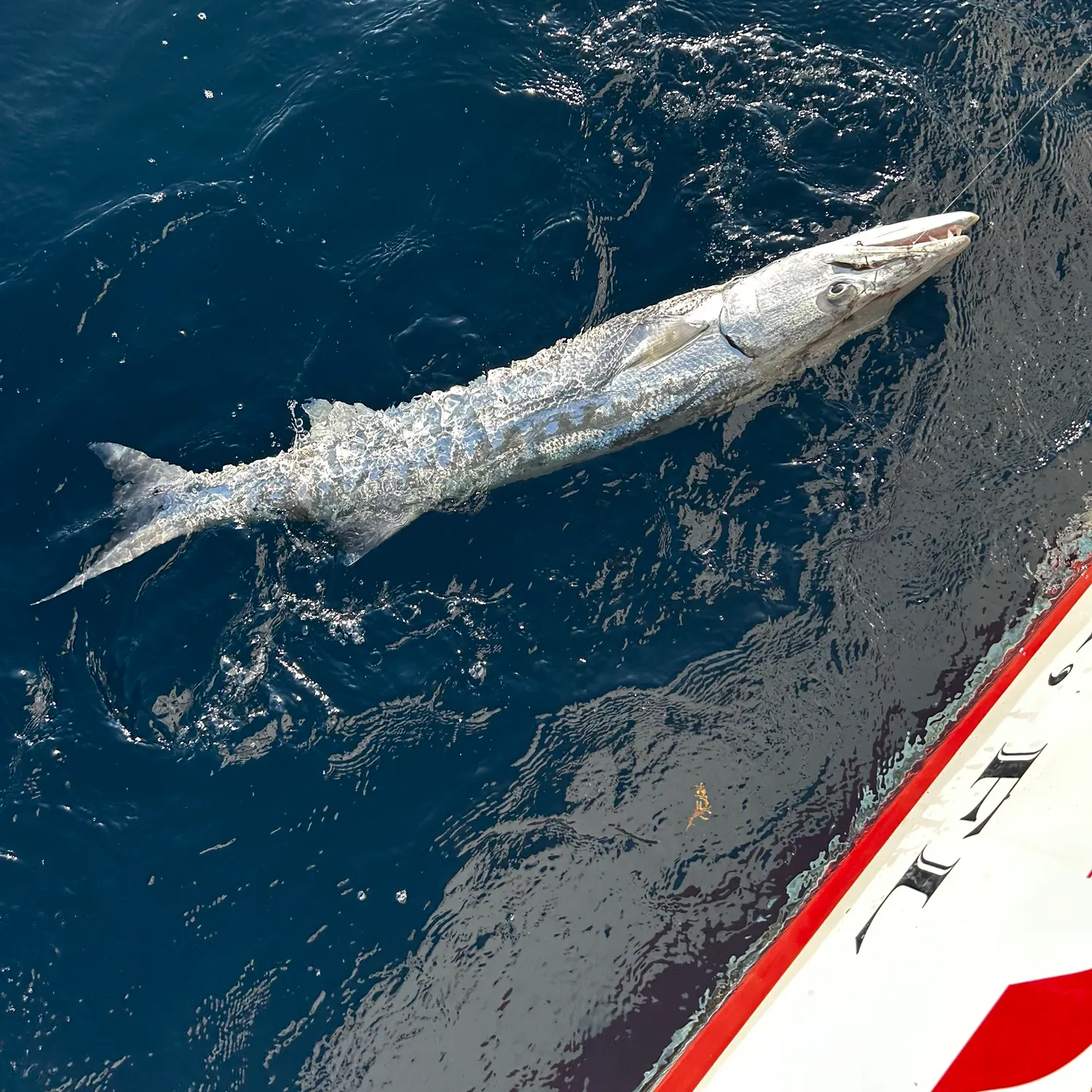
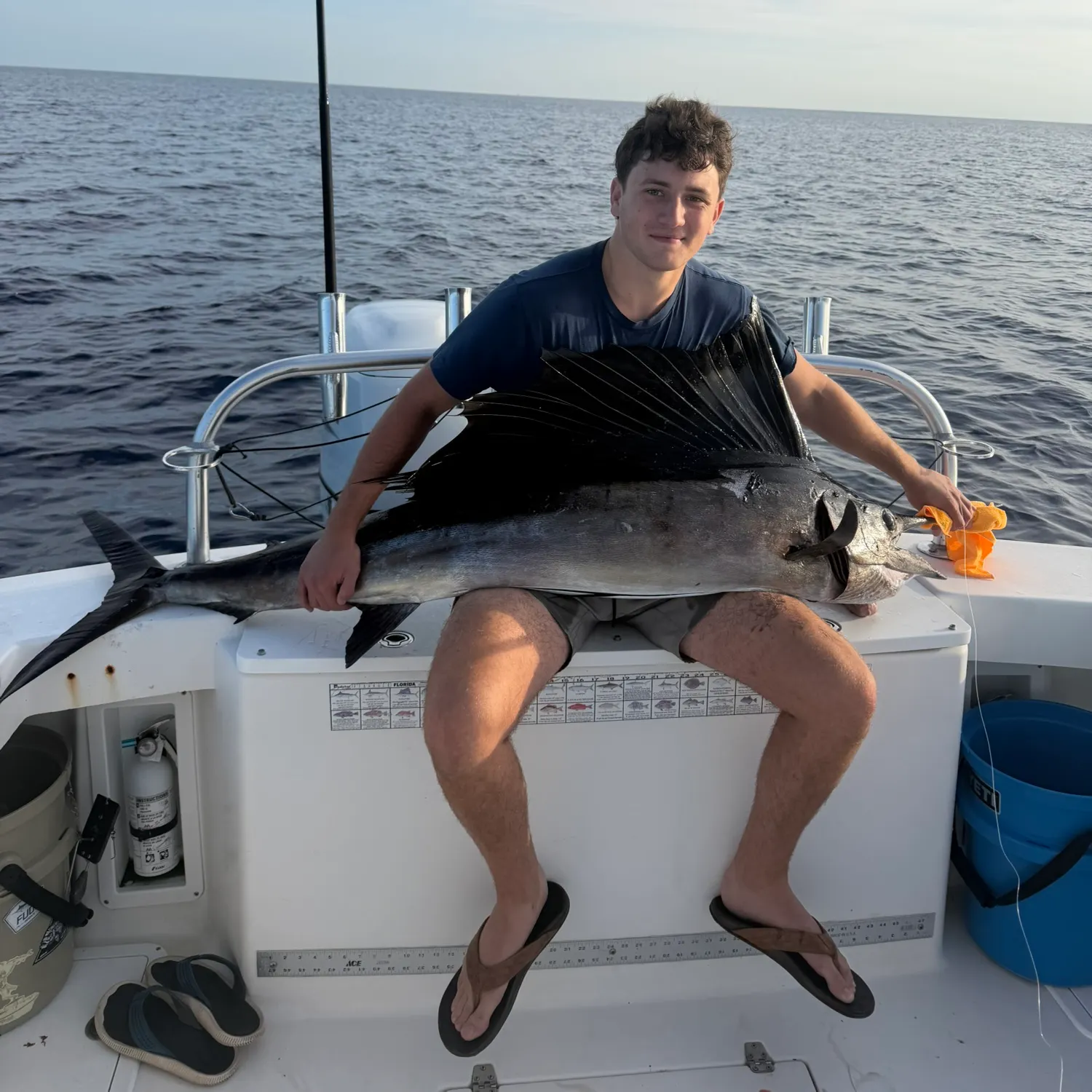
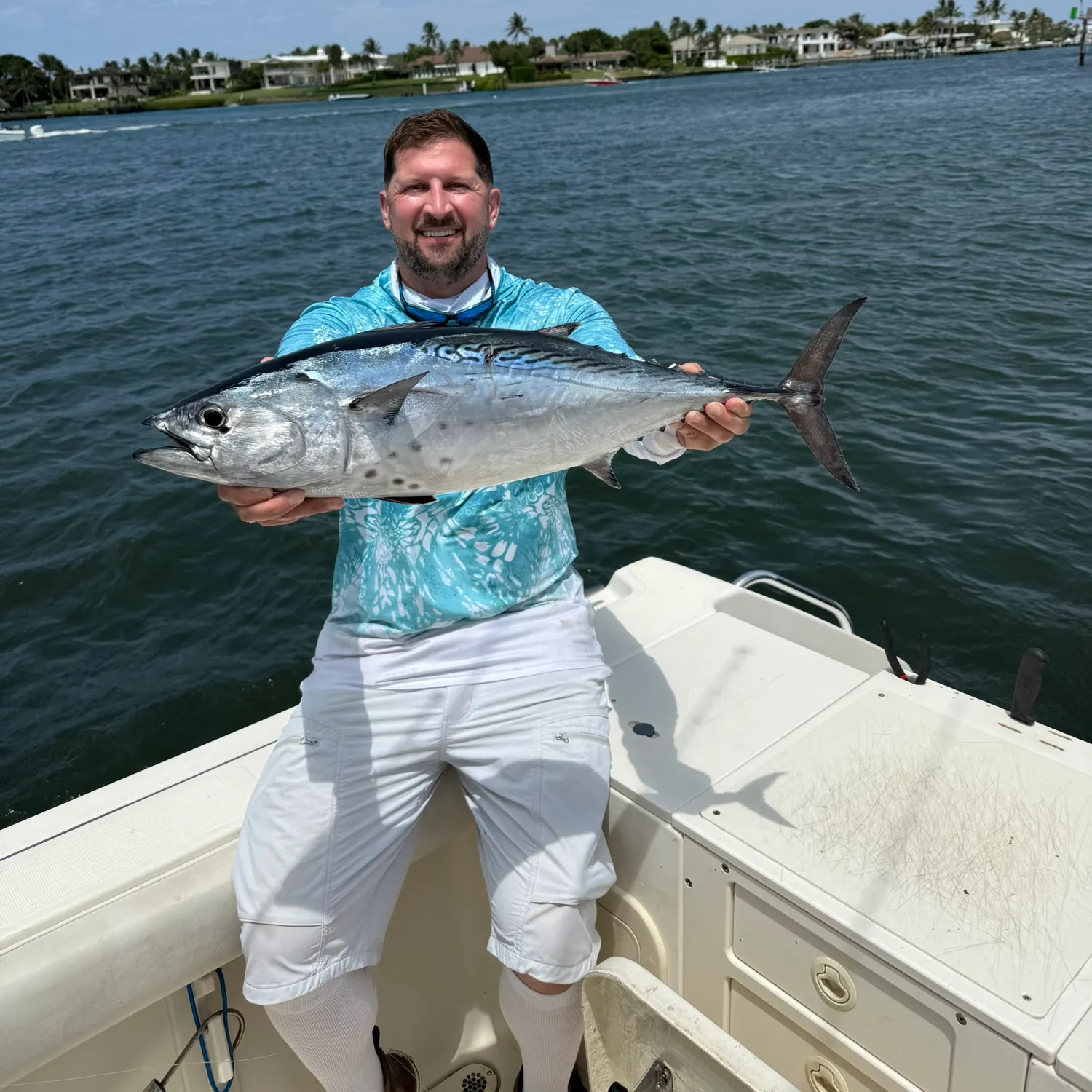
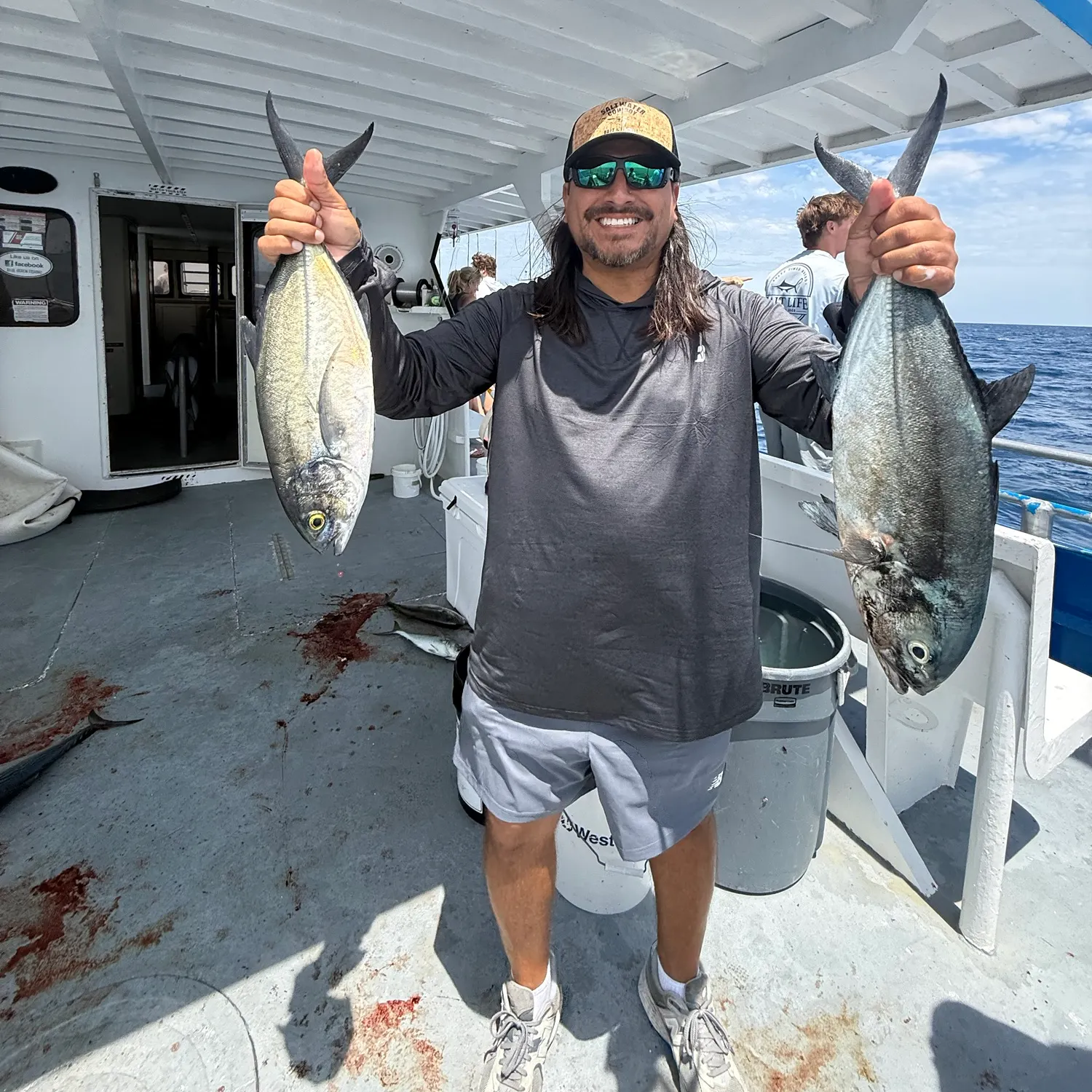
Check which species have trophy potential in Juno Ledge
Scan the QR code to download the app!


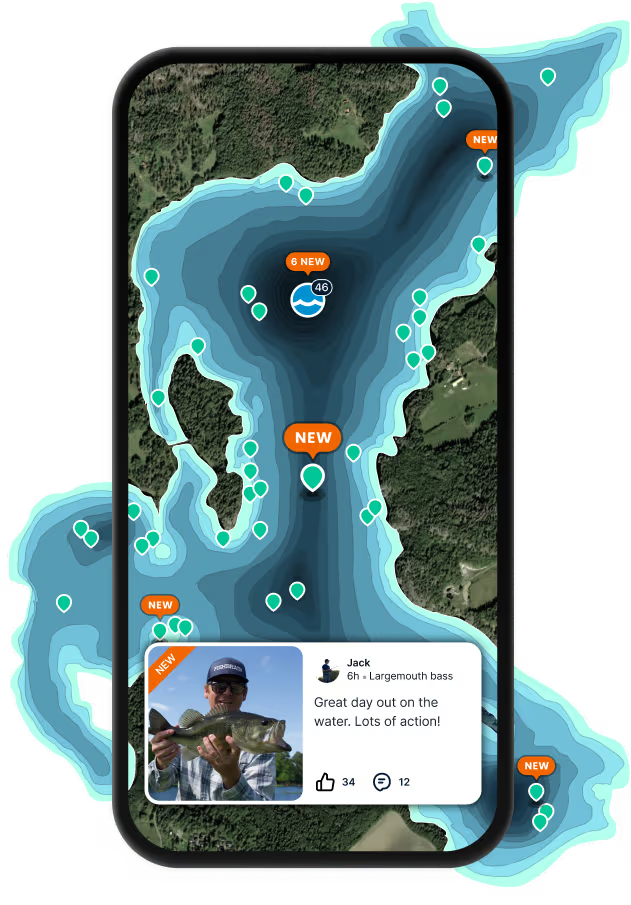
Continue browsing catches and catch locations in the Fishbrain app
Scan the QR code to download the app!
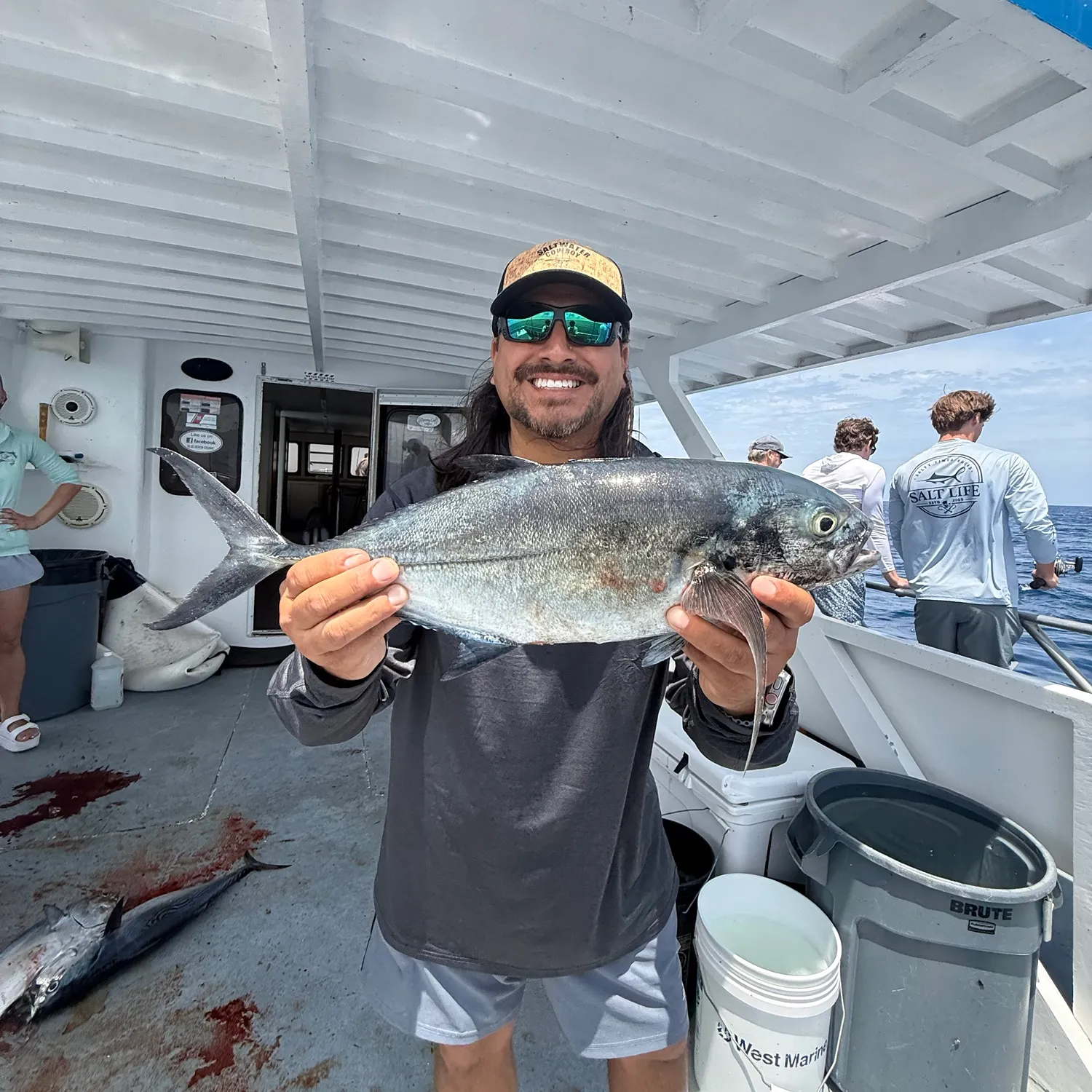
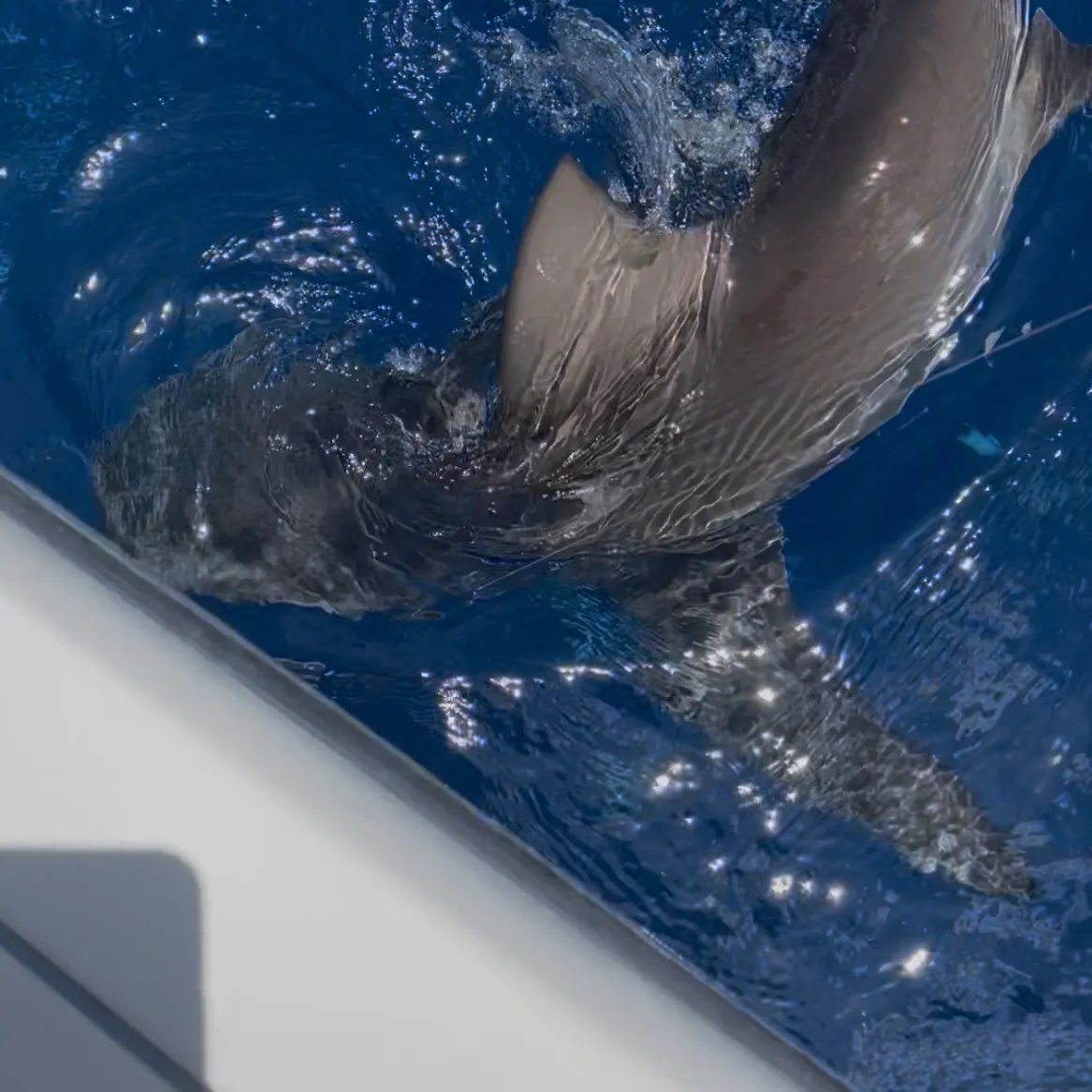
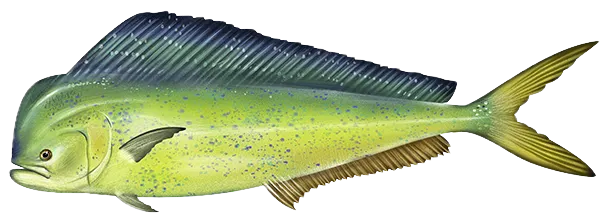
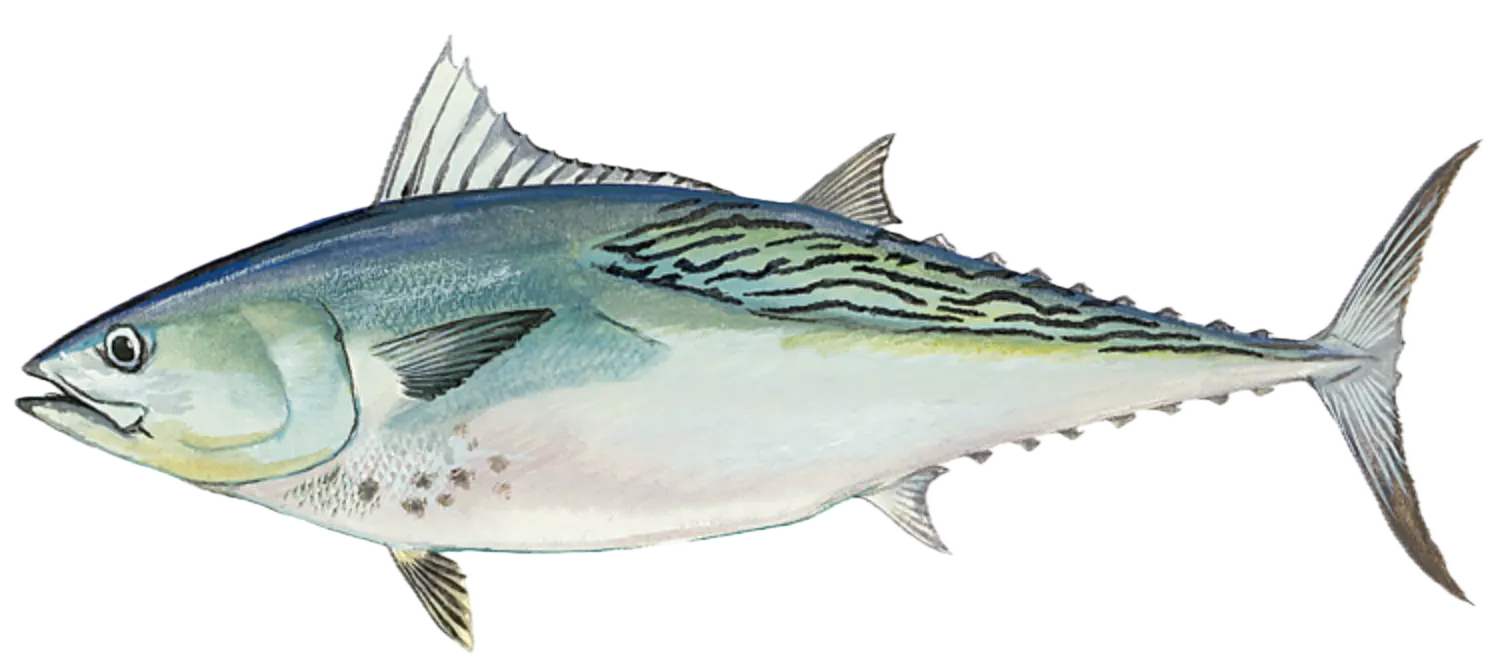
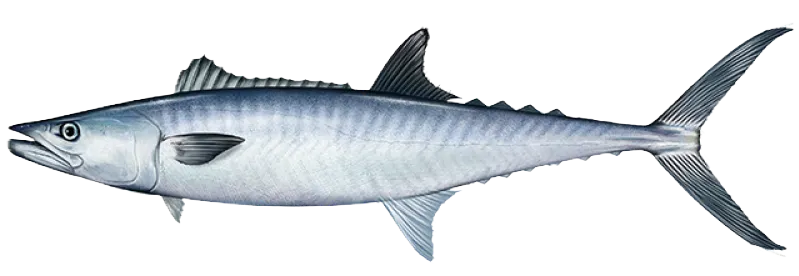
Juno Ledge is a part of an ocean located in Palm Beach County, Florida, United States. It is most popular for fishing Common dolphinfish, King mackerel, and Little tunny.
Disclaimer: Always check local fishing regulations, water access rights and land ownership before fishing, regardless of any catches logged in that area by the Fishbrain community. Fishbrain has mapped millions of acres of government-owned land across the USA to help you identify potential fishing access, but you are responsible for ensuring compliance with all legal requirements.
Fishing regulations in Florida can change throughout the year. Make sure to check this page before fishing for the most up to date rules and regulations for the current season. Local regulations govern when you can fish, the max size of the fish you can keep, how many fish you can keep, and more.
The maximum number of individual fish legally harvested per harvester per day. Bag limits are only for properly licensed anglers actively harvesting the species. People who are not actively harvesting or are not properly licensed (if a license is required) may NOT be counted for the purpose of bag limits.
No person shall harvest any individual fish less than the minimum size limit.
The maximum number of individual fish legally possessed aboard any vessel.
Fork Length means the length of a fish as measured from the most forward point of the head to the rear center edge of the tail.
Effective May 2nd 2022, the recreational vessel limit for dolphin is 54 fish (excluding headboats). The 10 dolphin per person per day recreational bag limit will remain unchanged for all recreational vessels (private, charter vessels, and headboats). See Fishery Bulletin Must be landed with head and fins intact.
Minimum size limit only applies in waters off Florida, Georgia, and South Carolina.
If you are bringing fish back to the U.S. from the Bahamas by water, please see Bringing fish back from the Bahamas.
----------
Federally Permitted Charter/Headboats: -If a federally permitted vessel fishing in federal waters catches a species that is closed to harvest in federal waters, the vessel is not allowed to retain that fish. -If a federally permitted vessel fishing in state waters catches a species that is closed to harvest in federal waters but open in state waters, the vessel is not allowed to retain that species. -If a federally permitted vessel fishing in federal waters catches a species that is closed to harvest in state waters but open to harvest in federal waters, they may retain that fish if they do not stop to fish in state waters when returning to port. All gear must be stowed.
For more information on management of South Atlantic federal fisheries, please visit SAFMC or NOAA Fisheries.
The maximum number of individual fish legally harvested per harvester per day. Bag limits are only for properly licensed anglers actively harvesting the species. People who are not actively harvesting or are not properly licensed (if a license is required) may NOT be counted for the purpose of bag limits.
No person shall harvest any individual fish less than the minimum size limit.
Fork Length means the length of a fish as measured from the most forward point of the head to the rear center edge of the tail.
Allowed to keep cut-off (damaged) Atlantic king mackerel caught under the recreational bag limit and complies with the minimum size limits.
A person who is on a trip that spans more than 24 hours may possess no more than two daily bag limits, provided: such trip is aboard a vessel operating as a charter vessel or headboat; the vessel has two licensed operators aboard; and each passenger is issued and has in possession a receipt issued on behalf of the vessel that verifies the length of the trip.
----------
Federally Permitted Charter/Headboats: -If a federally permitted vessel fishing in federal waters catches a species that is closed to harvest in federal waters, the vessel is not allowed to retain that fish. -If a federally permitted vessel fishing in state waters catches a species that is closed to harvest in federal waters but open in state waters, the vessel is not allowed to retain that species. -If a federally permitted vessel fishing in federal waters catches a species that is closed to harvest in state waters but open to harvest in federal waters, they may retain that fish if they do not stop to fish in state waters when returning to port. All gear must be stowed.
For more information on management of South Atlantic federal fisheries, please visit SAFMC or NOAA Fisheries.
To see commercial regulations, download Fish Rules Commercial App for iOS devices or Android devices.
21 ratings
5.4 miles away
5.5 miles away
7.6 miles away
8.2 miles away
9.4 miles away
10.5 miles away
11.1 miles away
11.2 miles away
12.2 miles away
13.9 miles away
14.1 miles away
15.0 miles away
16.1 miles away
16.9 miles away
18.2 miles away
18.5 miles away
20.5 miles away
21.0 miles away
21.0 miles away
21.4 miles away
22.4 miles away
23.0 miles away
23.7 miles away
23.9 miles away
Suggest changes to improve what we show.

Free trial available