

Check which species have trophy potential in Fort Peck Lake

Fort Peck Lake fishing reports
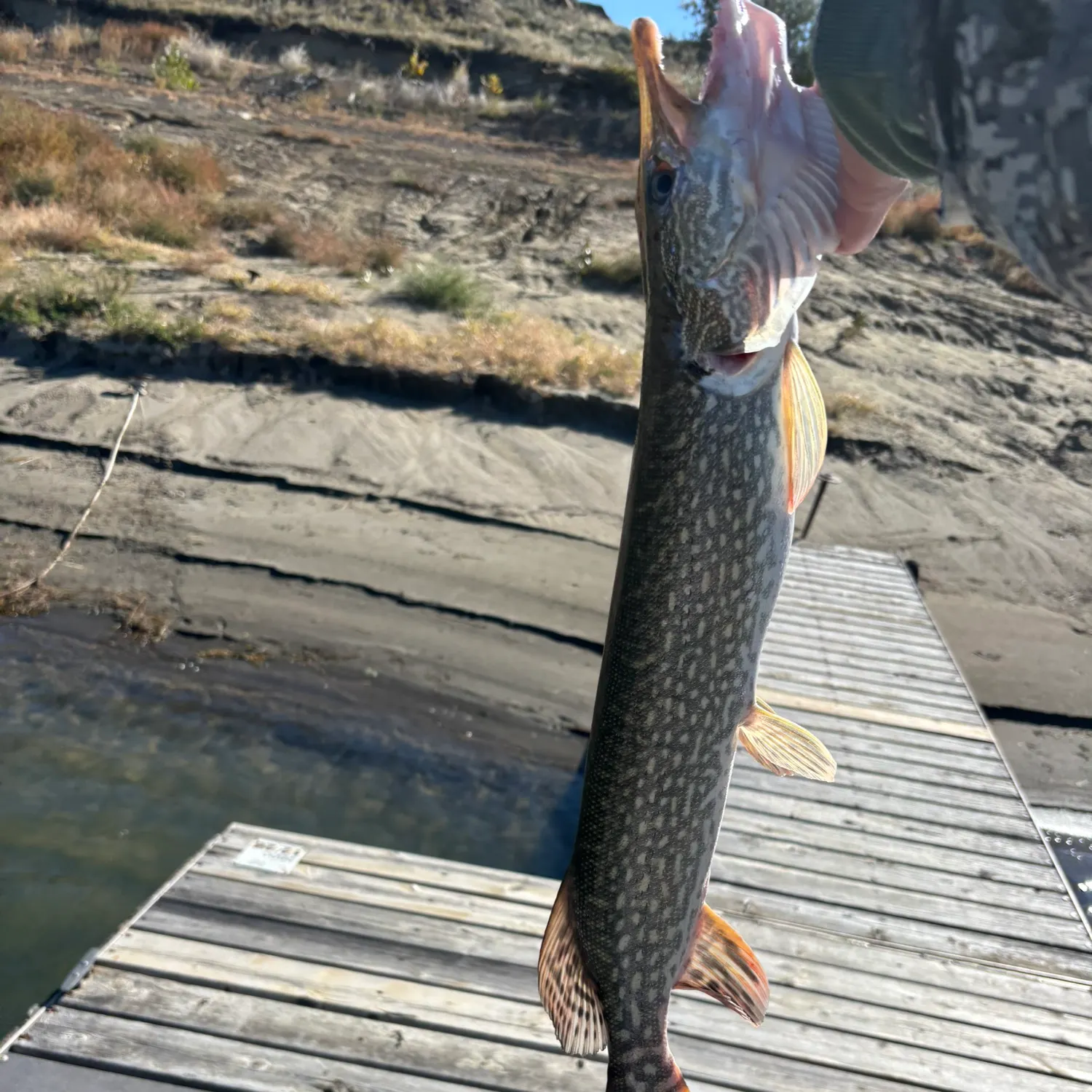
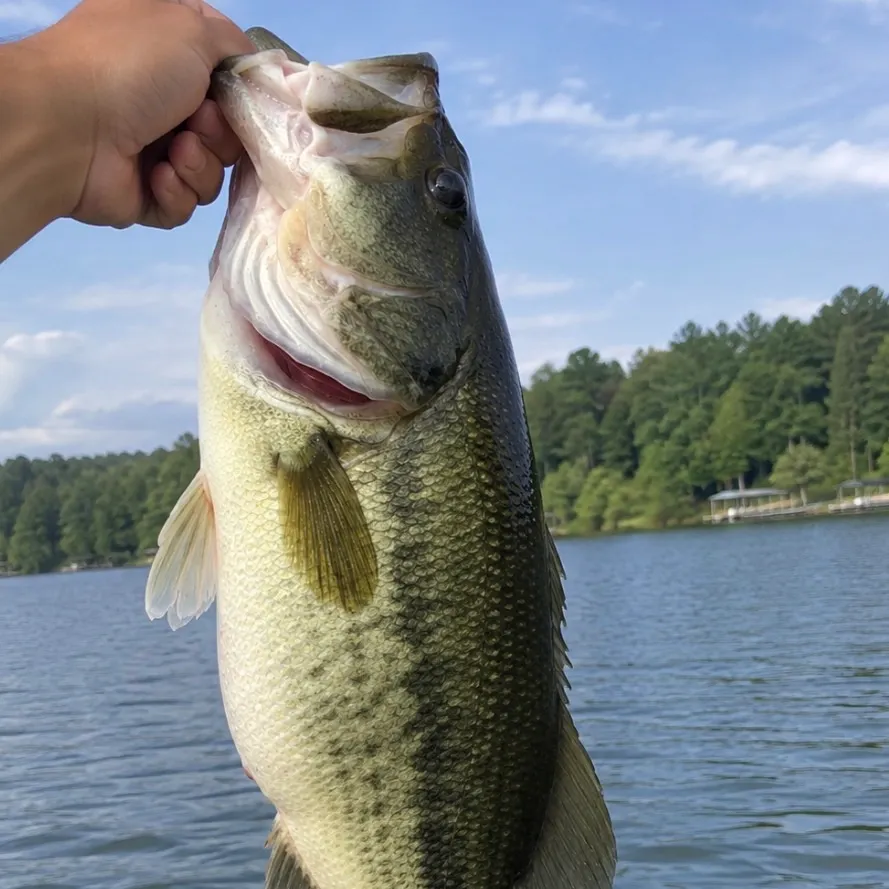
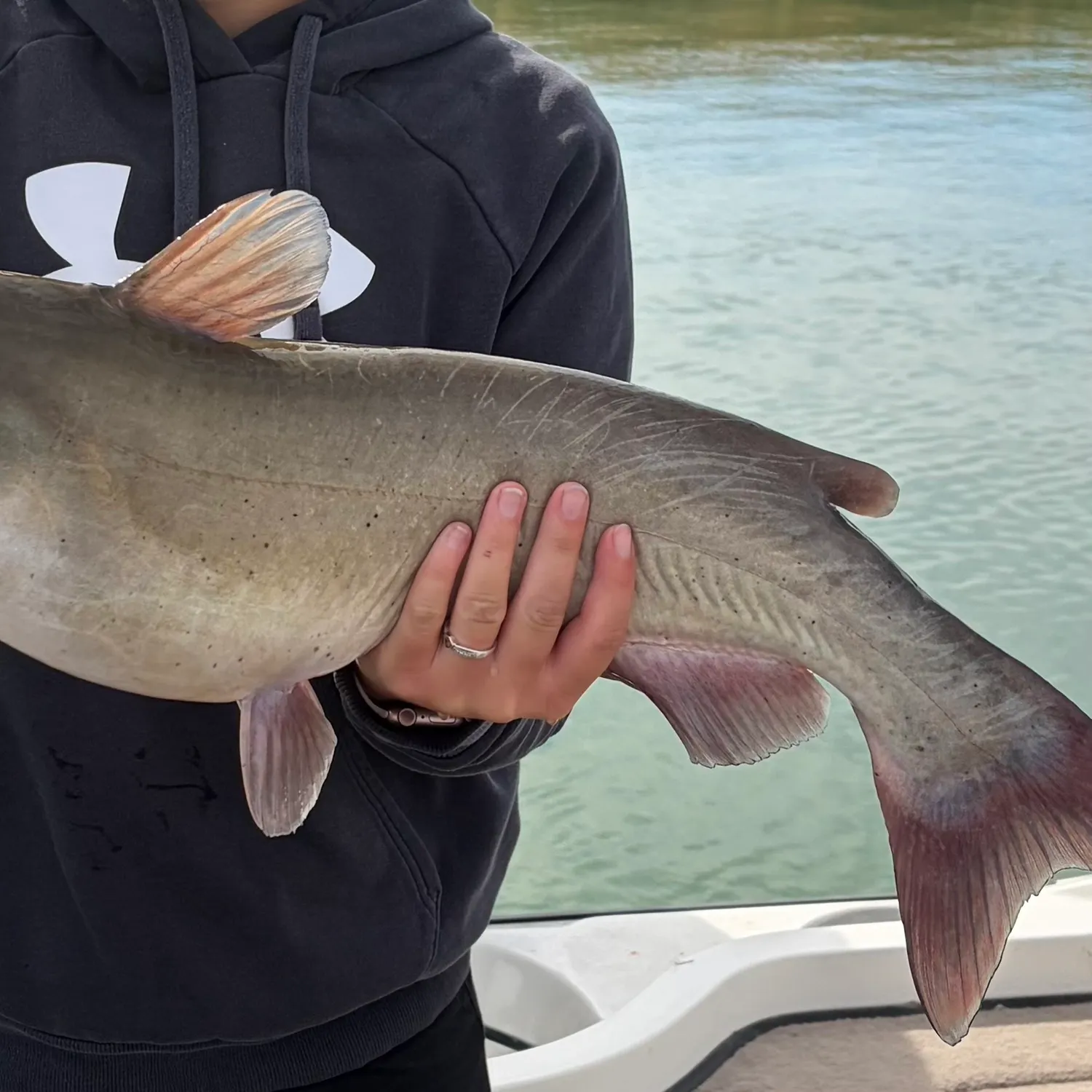
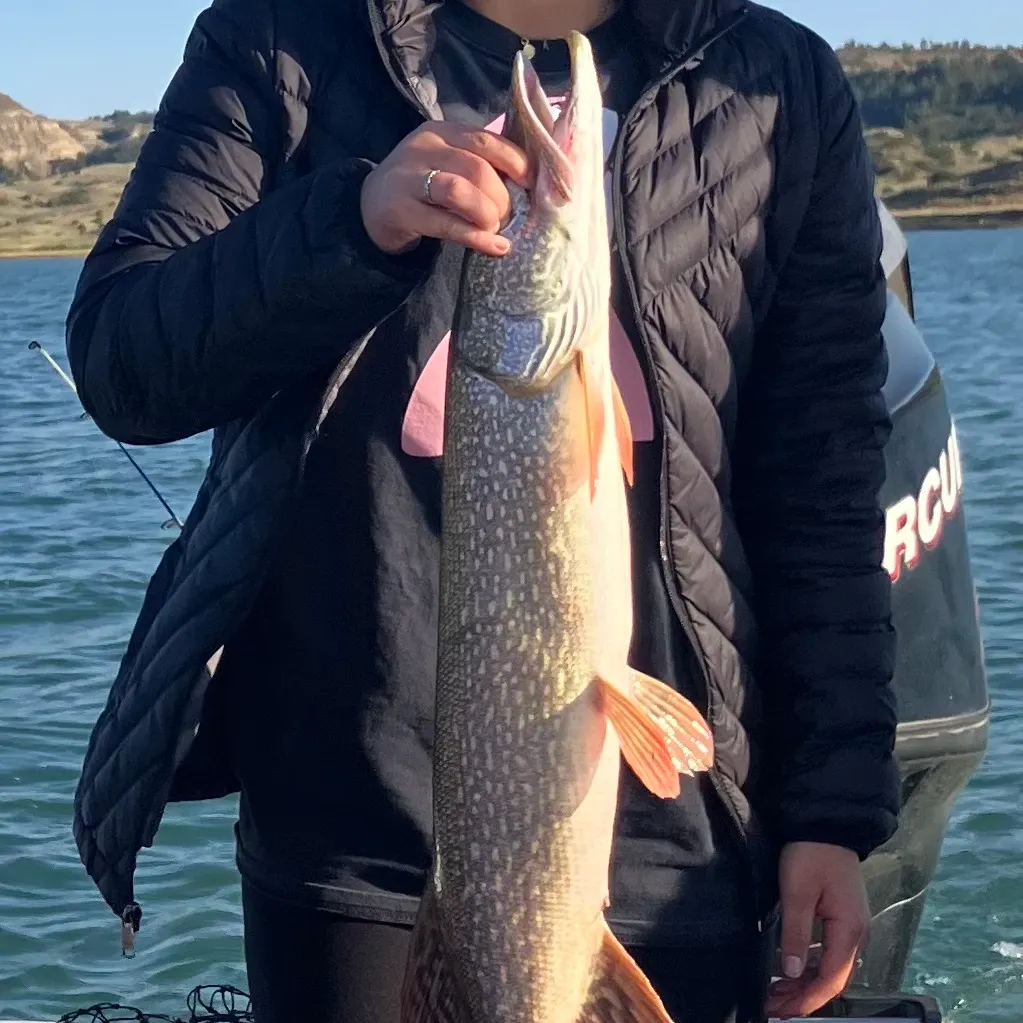


Continue browsing catches and catch locations in the Fishbrain app

When are Northern Pike biting on Fort Peck Lake?
Learn what time of year and day to go fishing at Fort Peck Lake. Download Fishbrain today to look for new fishing spots, scout new fishing access, or prep for your next trip.

Fishing regulations at Fort Peck Lake, MT
Disclaimer: Always check local fishing regulations, water access rights and land ownership before fishing, regardless of any catches logged in that area by the Fishbrain community. Fishbrain has mapped millions of acres of government-owned land across the USA to help you identify potential fishing access, but you are responsible for ensuring compliance with all legal requirements.
Fishing regulations in Montana can change throughout the year. Make sure to check this page before fishing for the most up to date rules and regulations for the current season. Local regulations govern when you can fish, the max size of the fish you can keep, how many fish you can keep, and more.
Regulations for top species
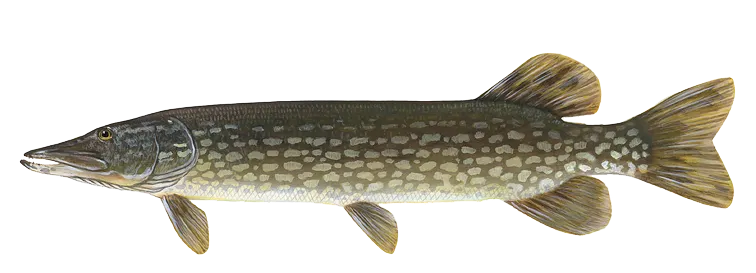
Northern pike
Bag limit10
The maximum number of individual fish legally harvested per harvester per day. Bag limits are only for properly licensed anglers actively harvesting the species. People who are not actively harvesting or are not properly licensed (if a license is required) may NOT be counted for the purpose of bag limits.
Restrictions & requirements
MT Crossbow
Fishing with a crossbow is unlawful in Montana.
MT Noodling/Catching Fish by Hand
It is unlawful to catch any fish by hand in Montana.
MT Eastern District Hook and Line on Lakes and Reservoirs
2 lines with 2 hooks per line or as noted under Exceptions to Standard Regulations. All lines must be attended and in the angler's immediate control unless they are used as setlines.
MT Eastern District Ice Fishing
Ice Fishing on Lakes, Reservoirs, Rivers and Streams• 6 lines with 2 hooks per line through the ice. When a line is used through the ice, the angler need not be in immediate control but must be in the vicinity and in visual contact with the line unless they are used as setlines.Shelters:Removal After the Season: The owner of an ice fishing shelter shall remove it from the ice before it becomes irretrievable at the end of the season or within five days from receipt of notification from FWP to remove the shelter. Shelters may remain on the ice after March 1 but must be removed daily if not occupied overnight.
MT Eastern District Bow and Arrow
Unless otherwise noted in the exceptions to the standard regulations, all waters open to angling are open to taking non-game fish by bow and arrow. Paddlefish can be harvested by bow and arrow by anglers with a valid paddlefish tag and during an open paddlefish harvest day.
MT Eastern District Hoop Net
The use of hoop nets is permitted in certain areas of the Eastern Fishing District.• The use of hoop nets is limited to licensed resident anglers.• A permit is required. • Closed statewide March 1 through May 15.
MT Eastern District Snagging
Snagging Allowed for (1) chinook salmon on Fort Peck Reservoir only from Oct. 1 through Nov. 30; (2) paddlefish by anglers with a valid paddlefish tag/ license during an open paddlefish season; and (3) non-game fish on all open waters in the Eastern District except on the Missouri River downstream from Fort Benton to the North Dakota border, the Yellowstone River downstream from the mouth of the Bighorn River, and Powder River downstream of Highway 10 bridge.
MT Eastern District Spearing and Gigging
Spearing: In all waters open to fishing, non-game fish, northern pike, burbot (ling), walleye and whitefish may be taken with rubber or spring-propelled spears by persons swimming or submerged. Spears or gigs may be used through the ice for non-game fish, northern pike, walleye, sauger and burbot (ling).
MT Eastern District Bait Restrictions
Game fish, including yellow perch, may not be used as bait except as authorized below under Dead Bait. See "Game Fish" in definitions (page 5) for complete list of game species.• It is unlawful to release live bait of any kind into Montana waters; do not empty any live bait containers at your fishing site.•Collection Methods: Non-game fish may be taken for use as live bait in the following manner:- with hook and line; or- with seines no larger than 12 feet x 4 feet; or- with minnow traps (the dimensions shall not exceed 24 inches x 12inches x 12 inches); or- with cast nets (maximum 6-foot radius) and dip nets (no larger than 3 feet x 3 feet).•Non-game fish may be taken from:- waters where live fish may be used as bait ;- all rivers and streams;- all irrigation ditches, canals and associated infrastructure; or- public and private ponds with fathead minnows.•Landowner permission is required to capture live bait from privately owned ponds or irrigation systems for personal use.•All unattended fishing devices (crayfish traps, minnow traps, fish traps, setlines, etc.) must have the angler's name and phone number or name and an individual identifying number issued by the department attached.•Areas within the Eastern Fishing District that have been identified as contaminated with Eurasian watermilfoil have additional bait restrictions as described below. Dead Bait• Non-game fish that are freshly killed or have been preserved by freezing, salting or pickling may be used as bait on all waters not restricted to artificial lures only. Heads and entrails of non-game fish may also be used as bait.Whole game fish may not be used as bait.Parts/pieces of bass, burbot (ling), channel catfish, crappie, northern pike,paddlefish, sauger, shovelnose sturgeon, walleye, or yellow perch may be used as bait if edible portions are not wasted.The eggs of Salmonids (char, cisco, arctic grayling, salmon or trout) may be used as bait. Other parts/pieces of Salmonids may not be used as bait unless noted under waterbody exception. Live Bait• Live bait fish may not be imported into Montana.•Live animals such as meal worms, red worms, night crawlers, leeches, maggots, crayfish, reptiles, amphibians and insects may be used as bait on all waters not restricted to artificial lures only.•Transport of invasive species is unlawful.•Leeches may only be imported into Montana from FWP-approved leech dealers. Anglers who import leeches must have in their possession a bill- of-sale (a receipt) from the approved out-of-state leech dealer when fishing with leeches in Montana.•Non-game fish species that may be collected, possessed, and used as live bait in the Eastern Fishing District include only the following: fathead minnow, flathead chub, western silvery minnow, plains minnow, emerald shiner, longnose dace, lake chub, creek chub, longnose sucker, and white sucker. All other non-game fish species (not listed above) must be released immediately at the collection site or killed prior to transporting away from the collection site.•Bait fish that cannot be positively identified should not be used as live bait.•The non-game fish species listed above may be used as live bait only in the following waters:Big Horn Co. – Tongue River Reservoir (see exceptions to standard regulations)Blaine Co. – Cow Creek Reservoir, Dry Fork Reservoir, Anita Reservoir, Reser ReservoirCarter Co. –Doug Gardner #2 Reservoir, Talcott PondCuster Co. – Spotted Eagle Pond, Haughan PondDaniels Co. – Whitetail ReservoirDawson Co. – Hollecker Pond, Johnson Reservoir, Lindsey ReservoirFallon Co. - Baker Lake, South Sandstone ReservoirGarfield Co. – Fort Peck Reservoir, Whiteside ReservoirHill Co. – Beaver Creek Reservoir, Bailey ReservoirMcCone Co. – Flat Lake, Fort Peck Reservoir, Hedstrom ReservoirPetroleum Co. – Fort Peck Reservoir, Petrolia ReservoirPrairie Co. – Grants Reservoir, Homestead ReservoirPhillips Co. – Bison Bone Reservoir, Big McNeil Slough, Cole Ponds, Ester Reservoir, Fort Peck Reservoir, Frenchman Reservoir, Little Warm Reservoir, McChesney Reservoir, Nelson Reservoir, Wildhorse ReservoirRichland Co. – Buxbaum West Reservoir, Gartside Reservoir, Kuester ReservoirRoosevelt Co. – Bainville Railroad PondsRosebud Co. – Castle Rock Lake, Lee PondSheridan Co. – Box Elder Reservoir, Engstrom Reservoir, Medicine Lake Nat. Wildlife Refuge, Raymond ReservoirValley Co. – Fort Peck Dredge Cut Trout Pond, Fort Peck Reservoir, Grub Reservoir, Gut Shot Reservoir, Shoot Reservoir, Triple Crossing Reservoir, Valley Reservoir, VR2 Reservoir, Wards Res., and all BLM reservoirs in the Willow Creek DrainageWibaux Co. – Wibaux PondAll streams and rivers in the Eastern Fishing District except:Milk River and its tributaries upstream from Fresno Dam.Beaver Creek upstream from Beaver Creek Reservoir Bait Restrictions in Eurasian Watermilfoil Contaminated AreasEurasian watermilfoil is an invasive aquatic plant species that has become established in some Montana waters. This water weed is easily spread from one body of water to another primarily by plant fragments. Areas within the Eastern Fishing District that have been identified as contaminated with Eurasian watermilfoil are:• Fort Peck Reservoir• Fort Peck Dredge Cut Ponds• Missouri River from Fort Peck Dam to the mouth of the Milk RiverThe additional bait restrictions within the contaminated areas are:• Commercial collection of bait animals is not permitted.•Transport of live aquatic bait animals to and from these contaminated areas is allowed only in clean water.Anglers shall inspect all bait buckets and live wells to ensure that NO PLANT FRAGMENTS are present when leaving a body of water. It takes only a small fragment of Eurasian watermilfoil (less than 2 inches) to start a new plant and infest a body of water.
MT Eastern District Hook and Line on Rivers and Streams
6 lines with 6 hooks per line. The line(s) must be attended and in the angler's immediate control unless they are used as setlines.
Synonyms
Location regulation notes
Location specific information
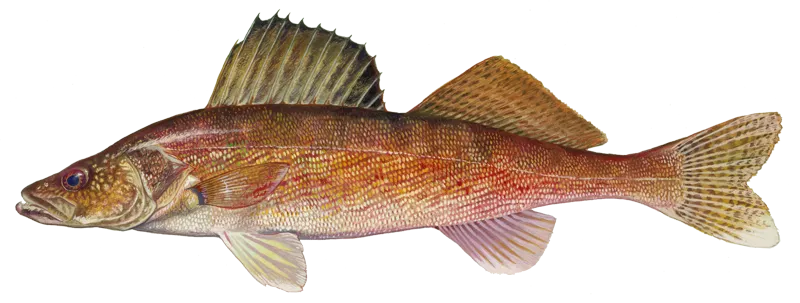
Walleye
Bag limit5
The maximum number of individual fish legally harvested per harvester per day. Bag limits are only for properly licensed anglers actively harvesting the species. People who are not actively harvesting or are not properly licensed (if a license is required) may NOT be counted for the purpose of bag limits.
Aggregate limit5
The maximum number of individual fish across an aggregate group of species legally harvested per harvester per day.
Restrictions & requirements
MT Crossbow
Fishing with a crossbow is unlawful in Montana.
MT Noodling/Catching Fish by Hand
It is unlawful to catch any fish by hand in Montana.
MT Eastern District Hook and Line on Lakes and Reservoirs
2 lines with 2 hooks per line or as noted under Exceptions to Standard Regulations. All lines must be attended and in the angler's immediate control unless they are used as setlines.
MT Eastern District Ice Fishing
Ice Fishing on Lakes, Reservoirs, Rivers and Streams• 6 lines with 2 hooks per line through the ice. When a line is used through the ice, the angler need not be in immediate control but must be in the vicinity and in visual contact with the line unless they are used as setlines.Shelters:Removal After the Season: The owner of an ice fishing shelter shall remove it from the ice before it becomes irretrievable at the end of the season or within five days from receipt of notification from FWP to remove the shelter. Shelters may remain on the ice after March 1 but must be removed daily if not occupied overnight.
MT Eastern District Bow and Arrow
Unless otherwise noted in the exceptions to the standard regulations, all waters open to angling are open to taking non-game fish by bow and arrow. Paddlefish can be harvested by bow and arrow by anglers with a valid paddlefish tag and during an open paddlefish harvest day.
MT Eastern District Hoop Net
The use of hoop nets is permitted in certain areas of the Eastern Fishing District.• The use of hoop nets is limited to licensed resident anglers.• A permit is required. • Closed statewide March 1 through May 15.
MT Eastern District Snagging
Snagging Allowed for (1) chinook salmon on Fort Peck Reservoir only from Oct. 1 through Nov. 30; (2) paddlefish by anglers with a valid paddlefish tag/ license during an open paddlefish season; and (3) non-game fish on all open waters in the Eastern District except on the Missouri River downstream from Fort Benton to the North Dakota border, the Yellowstone River downstream from the mouth of the Bighorn River, and Powder River downstream of Highway 10 bridge.
MT Eastern District Spearing and Gigging
Spearing: In all waters open to fishing, non-game fish, northern pike, burbot (ling), walleye and whitefish may be taken with rubber or spring-propelled spears by persons swimming or submerged. Spears or gigs may be used through the ice for non-game fish, northern pike, walleye, sauger and burbot (ling).
MT Eastern District Bait Restrictions
Game fish, including yellow perch, may not be used as bait except as authorized below under Dead Bait. See "Game Fish" in definitions (page 5) for complete list of game species.• It is unlawful to release live bait of any kind into Montana waters; do not empty any live bait containers at your fishing site.•Collection Methods: Non-game fish may be taken for use as live bait in the following manner:- with hook and line; or- with seines no larger than 12 feet x 4 feet; or- with minnow traps (the dimensions shall not exceed 24 inches x 12inches x 12 inches); or- with cast nets (maximum 6-foot radius) and dip nets (no larger than 3 feet x 3 feet).•Non-game fish may be taken from:- waters where live fish may be used as bait ;- all rivers and streams;- all irrigation ditches, canals and associated infrastructure; or- public and private ponds with fathead minnows.•Landowner permission is required to capture live bait from privately owned ponds or irrigation systems for personal use.•All unattended fishing devices (crayfish traps, minnow traps, fish traps, setlines, etc.) must have the angler's name and phone number or name and an individual identifying number issued by the department attached.•Areas within the Eastern Fishing District that have been identified as contaminated with Eurasian watermilfoil have additional bait restrictions as described below. Dead Bait• Non-game fish that are freshly killed or have been preserved by freezing, salting or pickling may be used as bait on all waters not restricted to artificial lures only. Heads and entrails of non-game fish may also be used as bait.Whole game fish may not be used as bait.Parts/pieces of bass, burbot (ling), channel catfish, crappie, northern pike,paddlefish, sauger, shovelnose sturgeon, walleye, or yellow perch may be used as bait if edible portions are not wasted.The eggs of Salmonids (char, cisco, arctic grayling, salmon or trout) may be used as bait. Other parts/pieces of Salmonids may not be used as bait unless noted under waterbody exception. Live Bait• Live bait fish may not be imported into Montana.•Live animals such as meal worms, red worms, night crawlers, leeches, maggots, crayfish, reptiles, amphibians and insects may be used as bait on all waters not restricted to artificial lures only.•Transport of invasive species is unlawful.•Leeches may only be imported into Montana from FWP-approved leech dealers. Anglers who import leeches must have in their possession a bill- of-sale (a receipt) from the approved out-of-state leech dealer when fishing with leeches in Montana.•Non-game fish species that may be collected, possessed, and used as live bait in the Eastern Fishing District include only the following: fathead minnow, flathead chub, western silvery minnow, plains minnow, emerald shiner, longnose dace, lake chub, creek chub, longnose sucker, and white sucker. All other non-game fish species (not listed above) must be released immediately at the collection site or killed prior to transporting away from the collection site.•Bait fish that cannot be positively identified should not be used as live bait.•The non-game fish species listed above may be used as live bait only in the following waters:Big Horn Co. – Tongue River Reservoir (see exceptions to standard regulations)Blaine Co. – Cow Creek Reservoir, Dry Fork Reservoir, Anita Reservoir, Reser ReservoirCarter Co. –Doug Gardner #2 Reservoir, Talcott PondCuster Co. – Spotted Eagle Pond, Haughan PondDaniels Co. – Whitetail ReservoirDawson Co. – Hollecker Pond, Johnson Reservoir, Lindsey ReservoirFallon Co. - Baker Lake, South Sandstone ReservoirGarfield Co. – Fort Peck Reservoir, Whiteside ReservoirHill Co. – Beaver Creek Reservoir, Bailey ReservoirMcCone Co. – Flat Lake, Fort Peck Reservoir, Hedstrom ReservoirPetroleum Co. – Fort Peck Reservoir, Petrolia ReservoirPrairie Co. – Grants Reservoir, Homestead ReservoirPhillips Co. – Bison Bone Reservoir, Big McNeil Slough, Cole Ponds, Ester Reservoir, Fort Peck Reservoir, Frenchman Reservoir, Little Warm Reservoir, McChesney Reservoir, Nelson Reservoir, Wildhorse ReservoirRichland Co. – Buxbaum West Reservoir, Gartside Reservoir, Kuester ReservoirRoosevelt Co. – Bainville Railroad PondsRosebud Co. – Castle Rock Lake, Lee PondSheridan Co. – Box Elder Reservoir, Engstrom Reservoir, Medicine Lake Nat. Wildlife Refuge, Raymond ReservoirValley Co. – Fort Peck Dredge Cut Trout Pond, Fort Peck Reservoir, Grub Reservoir, Gut Shot Reservoir, Shoot Reservoir, Triple Crossing Reservoir, Valley Reservoir, VR2 Reservoir, Wards Res., and all BLM reservoirs in the Willow Creek DrainageWibaux Co. – Wibaux PondAll streams and rivers in the Eastern Fishing District except:Milk River and its tributaries upstream from Fresno Dam.Beaver Creek upstream from Beaver Creek Reservoir Bait Restrictions in Eurasian Watermilfoil Contaminated AreasEurasian watermilfoil is an invasive aquatic plant species that has become established in some Montana waters. This water weed is easily spread from one body of water to another primarily by plant fragments. Areas within the Eastern Fishing District that have been identified as contaminated with Eurasian watermilfoil are:• Fort Peck Reservoir• Fort Peck Dredge Cut Ponds• Missouri River from Fort Peck Dam to the mouth of the Milk RiverThe additional bait restrictions within the contaminated areas are:• Commercial collection of bait animals is not permitted.•Transport of live aquatic bait animals to and from these contaminated areas is allowed only in clean water.Anglers shall inspect all bait buckets and live wells to ensure that NO PLANT FRAGMENTS are present when leaving a body of water. It takes only a small fragment of Eurasian watermilfoil (less than 2 inches) to start a new plant and infest a body of water.
MT Eastern District Hook and Line on Rivers and Streams
6 lines with 6 hooks per line. The line(s) must be attended and in the angler's immediate control unless they are used as setlines.
Edibility
Synonyms
Location regulation notes
Location specific information
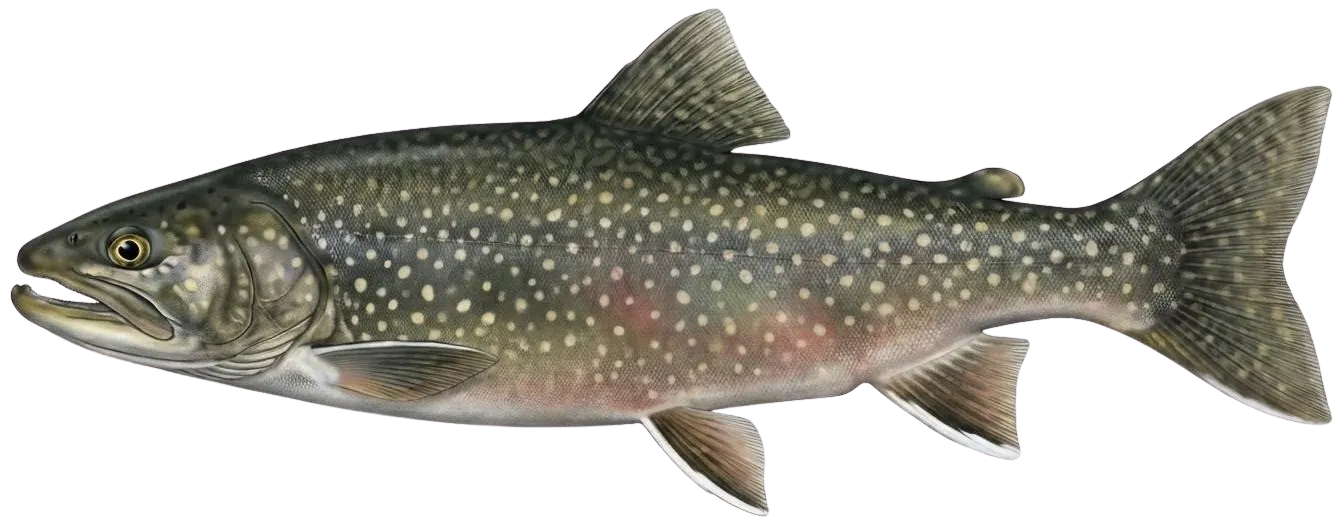
Lake char
Bag limit3
The maximum number of individual fish legally harvested per harvester per day. Bag limits are only for properly licensed anglers actively harvesting the species. People who are not actively harvesting or are not properly licensed (if a license is required) may NOT be counted for the purpose of bag limits.
Restrictions & requirements
MT Crossbow
Fishing with a crossbow is unlawful in Montana.
MT Noodling/Catching Fish by Hand
It is unlawful to catch any fish by hand in Montana.
MT Eastern District Hook and Line on Lakes and Reservoirs
2 lines with 2 hooks per line or as noted under Exceptions to Standard Regulations. All lines must be attended and in the angler's immediate control unless they are used as setlines.
MT Eastern District Ice Fishing
Ice Fishing on Lakes, Reservoirs, Rivers and Streams• 6 lines with 2 hooks per line through the ice. When a line is used through the ice, the angler need not be in immediate control but must be in the vicinity and in visual contact with the line unless they are used as setlines.Shelters:Removal After the Season: The owner of an ice fishing shelter shall remove it from the ice before it becomes irretrievable at the end of the season or within five days from receipt of notification from FWP to remove the shelter. Shelters may remain on the ice after March 1 but must be removed daily if not occupied overnight.
MT Eastern District Bow and Arrow
Unless otherwise noted in the exceptions to the standard regulations, all waters open to angling are open to taking non-game fish by bow and arrow. Paddlefish can be harvested by bow and arrow by anglers with a valid paddlefish tag and during an open paddlefish harvest day.
MT Eastern District Hoop Net
The use of hoop nets is permitted in certain areas of the Eastern Fishing District.• The use of hoop nets is limited to licensed resident anglers.• A permit is required. • Closed statewide March 1 through May 15.
MT Eastern District Snagging
Snagging Allowed for (1) chinook salmon on Fort Peck Reservoir only from Oct. 1 through Nov. 30; (2) paddlefish by anglers with a valid paddlefish tag/ license during an open paddlefish season; and (3) non-game fish on all open waters in the Eastern District except on the Missouri River downstream from Fort Benton to the North Dakota border, the Yellowstone River downstream from the mouth of the Bighorn River, and Powder River downstream of Highway 10 bridge.
MT Eastern District Spearing and Gigging
Spearing: In all waters open to fishing, non-game fish, northern pike, burbot (ling), walleye and whitefish may be taken with rubber or spring-propelled spears by persons swimming or submerged. Spears or gigs may be used through the ice for non-game fish, northern pike, walleye, sauger and burbot (ling).
MT Eastern District Bait Restrictions
Game fish, including yellow perch, may not be used as bait except as authorized below under Dead Bait. See "Game Fish" in definitions (page 5) for complete list of game species.• It is unlawful to release live bait of any kind into Montana waters; do not empty any live bait containers at your fishing site.•Collection Methods: Non-game fish may be taken for use as live bait in the following manner:- with hook and line; or- with seines no larger than 12 feet x 4 feet; or- with minnow traps (the dimensions shall not exceed 24 inches x 12inches x 12 inches); or- with cast nets (maximum 6-foot radius) and dip nets (no larger than 3 feet x 3 feet).•Non-game fish may be taken from:- waters where live fish may be used as bait ;- all rivers and streams;- all irrigation ditches, canals and associated infrastructure; or- public and private ponds with fathead minnows.•Landowner permission is required to capture live bait from privately owned ponds or irrigation systems for personal use.•All unattended fishing devices (crayfish traps, minnow traps, fish traps, setlines, etc.) must have the angler's name and phone number or name and an individual identifying number issued by the department attached.•Areas within the Eastern Fishing District that have been identified as contaminated with Eurasian watermilfoil have additional bait restrictions as described below. Dead Bait• Non-game fish that are freshly killed or have been preserved by freezing, salting or pickling may be used as bait on all waters not restricted to artificial lures only. Heads and entrails of non-game fish may also be used as bait.Whole game fish may not be used as bait.Parts/pieces of bass, burbot (ling), channel catfish, crappie, northern pike,paddlefish, sauger, shovelnose sturgeon, walleye, or yellow perch may be used as bait if edible portions are not wasted.The eggs of Salmonids (char, cisco, arctic grayling, salmon or trout) may be used as bait. Other parts/pieces of Salmonids may not be used as bait unless noted under waterbody exception. Live Bait• Live bait fish may not be imported into Montana.•Live animals such as meal worms, red worms, night crawlers, leeches, maggots, crayfish, reptiles, amphibians and insects may be used as bait on all waters not restricted to artificial lures only.•Transport of invasive species is unlawful.•Leeches may only be imported into Montana from FWP-approved leech dealers. Anglers who import leeches must have in their possession a bill- of-sale (a receipt) from the approved out-of-state leech dealer when fishing with leeches in Montana.•Non-game fish species that may be collected, possessed, and used as live bait in the Eastern Fishing District include only the following: fathead minnow, flathead chub, western silvery minnow, plains minnow, emerald shiner, longnose dace, lake chub, creek chub, longnose sucker, and white sucker. All other non-game fish species (not listed above) must be released immediately at the collection site or killed prior to transporting away from the collection site.•Bait fish that cannot be positively identified should not be used as live bait.•The non-game fish species listed above may be used as live bait only in the following waters:Big Horn Co. – Tongue River Reservoir (see exceptions to standard regulations)Blaine Co. – Cow Creek Reservoir, Dry Fork Reservoir, Anita Reservoir, Reser ReservoirCarter Co. –Doug Gardner #2 Reservoir, Talcott PondCuster Co. – Spotted Eagle Pond, Haughan PondDaniels Co. – Whitetail ReservoirDawson Co. – Hollecker Pond, Johnson Reservoir, Lindsey ReservoirFallon Co. - Baker Lake, South Sandstone ReservoirGarfield Co. – Fort Peck Reservoir, Whiteside ReservoirHill Co. – Beaver Creek Reservoir, Bailey ReservoirMcCone Co. – Flat Lake, Fort Peck Reservoir, Hedstrom ReservoirPetroleum Co. – Fort Peck Reservoir, Petrolia ReservoirPrairie Co. – Grants Reservoir, Homestead ReservoirPhillips Co. – Bison Bone Reservoir, Big McNeil Slough, Cole Ponds, Ester Reservoir, Fort Peck Reservoir, Frenchman Reservoir, Little Warm Reservoir, McChesney Reservoir, Nelson Reservoir, Wildhorse ReservoirRichland Co. – Buxbaum West Reservoir, Gartside Reservoir, Kuester ReservoirRoosevelt Co. – Bainville Railroad PondsRosebud Co. – Castle Rock Lake, Lee PondSheridan Co. – Box Elder Reservoir, Engstrom Reservoir, Medicine Lake Nat. Wildlife Refuge, Raymond ReservoirValley Co. – Fort Peck Dredge Cut Trout Pond, Fort Peck Reservoir, Grub Reservoir, Gut Shot Reservoir, Shoot Reservoir, Triple Crossing Reservoir, Valley Reservoir, VR2 Reservoir, Wards Res., and all BLM reservoirs in the Willow Creek DrainageWibaux Co. – Wibaux PondAll streams and rivers in the Eastern Fishing District except:Milk River and its tributaries upstream from Fresno Dam.Beaver Creek upstream from Beaver Creek Reservoir Bait Restrictions in Eurasian Watermilfoil Contaminated AreasEurasian watermilfoil is an invasive aquatic plant species that has become established in some Montana waters. This water weed is easily spread from one body of water to another primarily by plant fragments. Areas within the Eastern Fishing District that have been identified as contaminated with Eurasian watermilfoil are:• Fort Peck Reservoir• Fort Peck Dredge Cut Ponds• Missouri River from Fort Peck Dam to the mouth of the Milk RiverThe additional bait restrictions within the contaminated areas are:• Commercial collection of bait animals is not permitted.•Transport of live aquatic bait animals to and from these contaminated areas is allowed only in clean water.Anglers shall inspect all bait buckets and live wells to ensure that NO PLANT FRAGMENTS are present when leaving a body of water. It takes only a small fragment of Eurasian watermilfoil (less than 2 inches) to start a new plant and infest a body of water.
MT Eastern District Hook and Line on Rivers and Streams
6 lines with 6 hooks per line. The line(s) must be attended and in the angler's immediate control unless they are used as setlines.
Edibility
Synonyms
Location regulation notes
Location specific information
Free trial available