
Logged catches
Top fish species at Port Susan


Check which species have trophy potential in Port Susan

Port Susan fishing reports

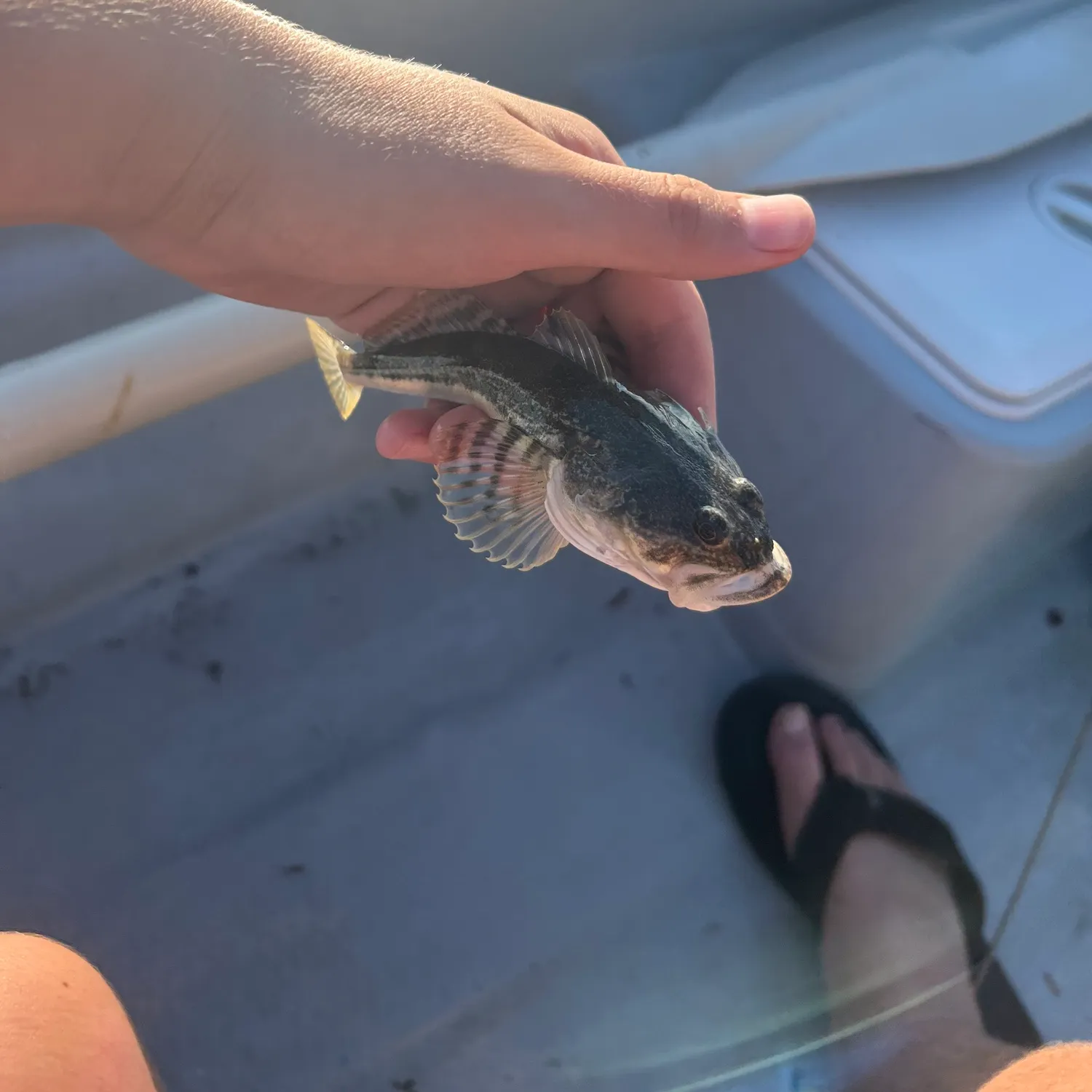
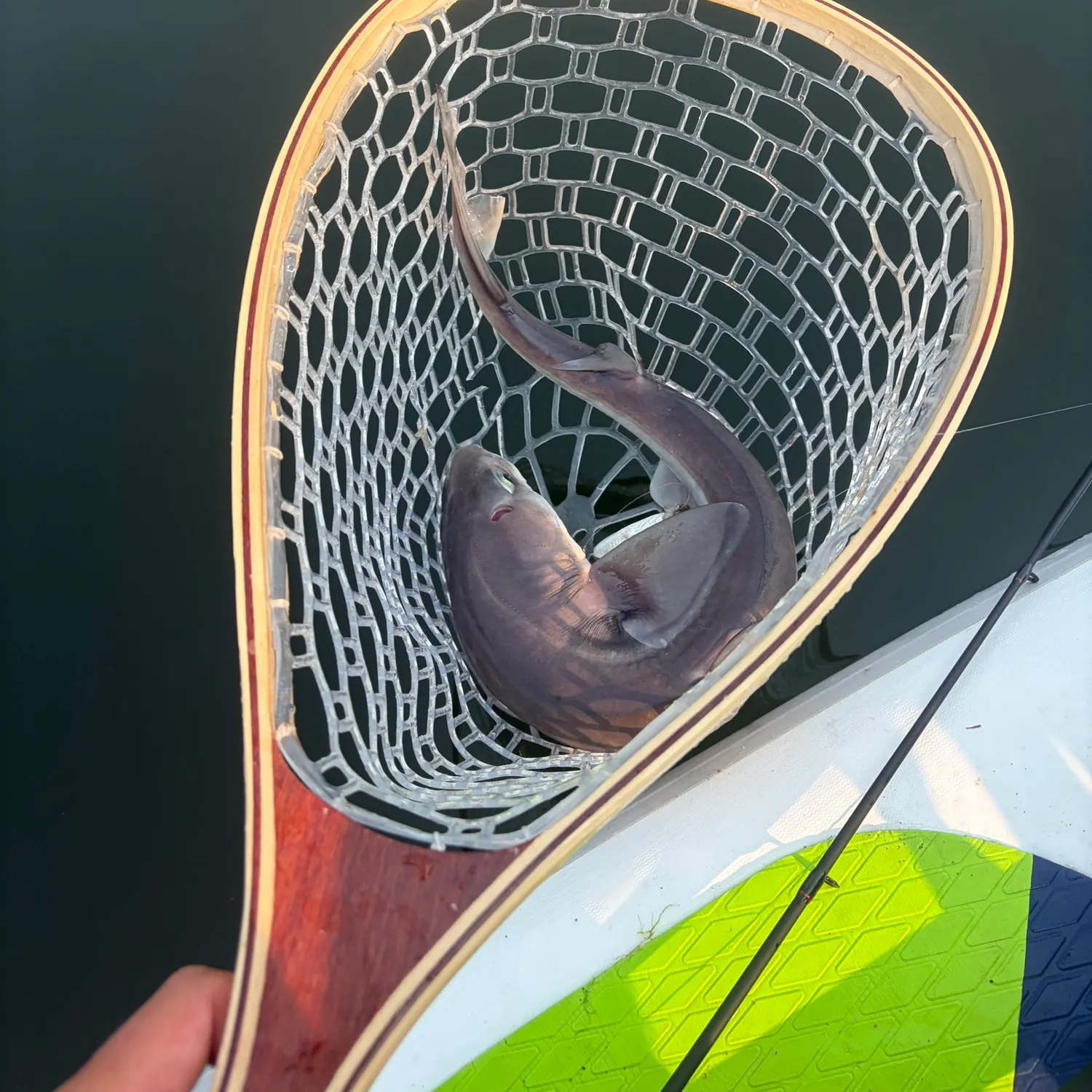
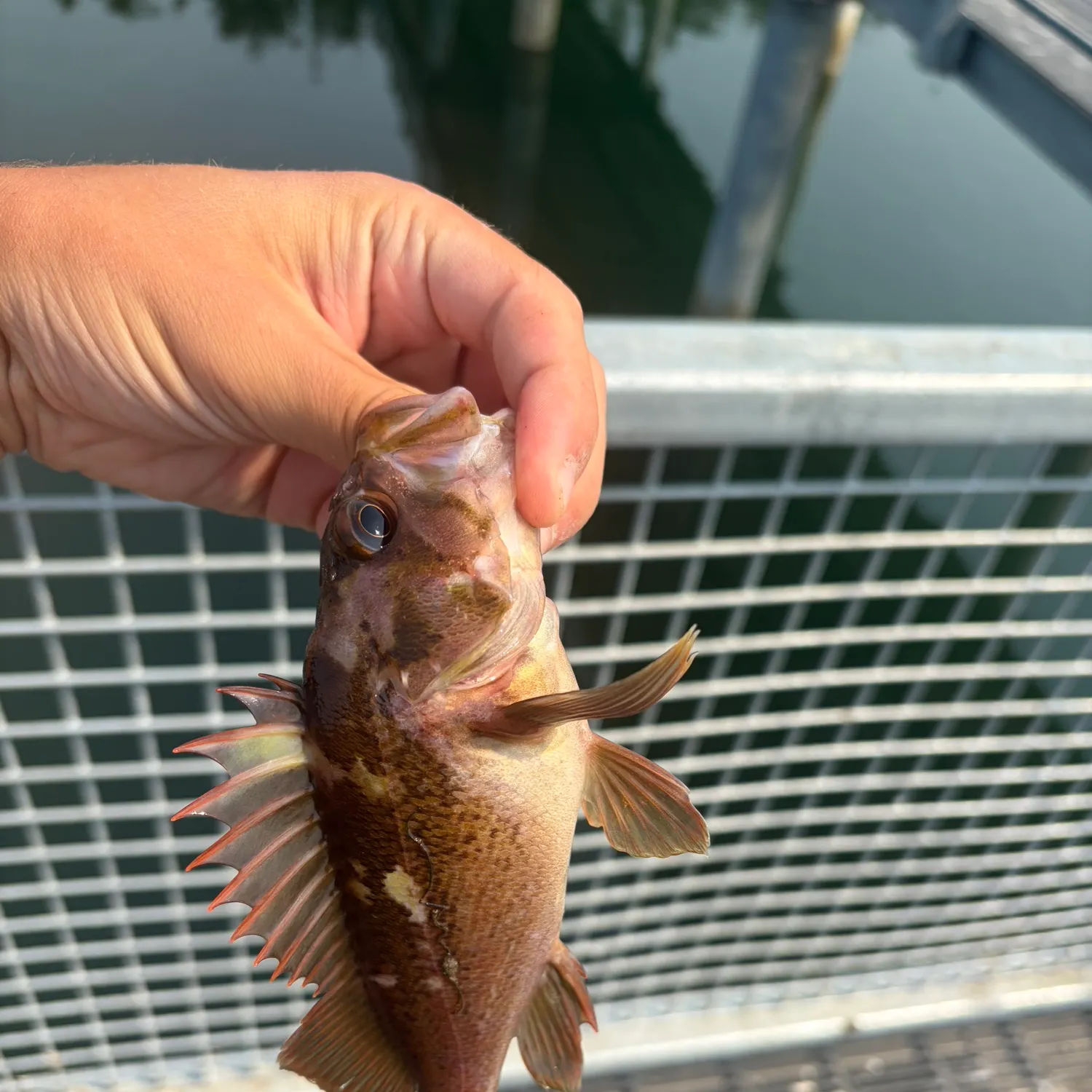
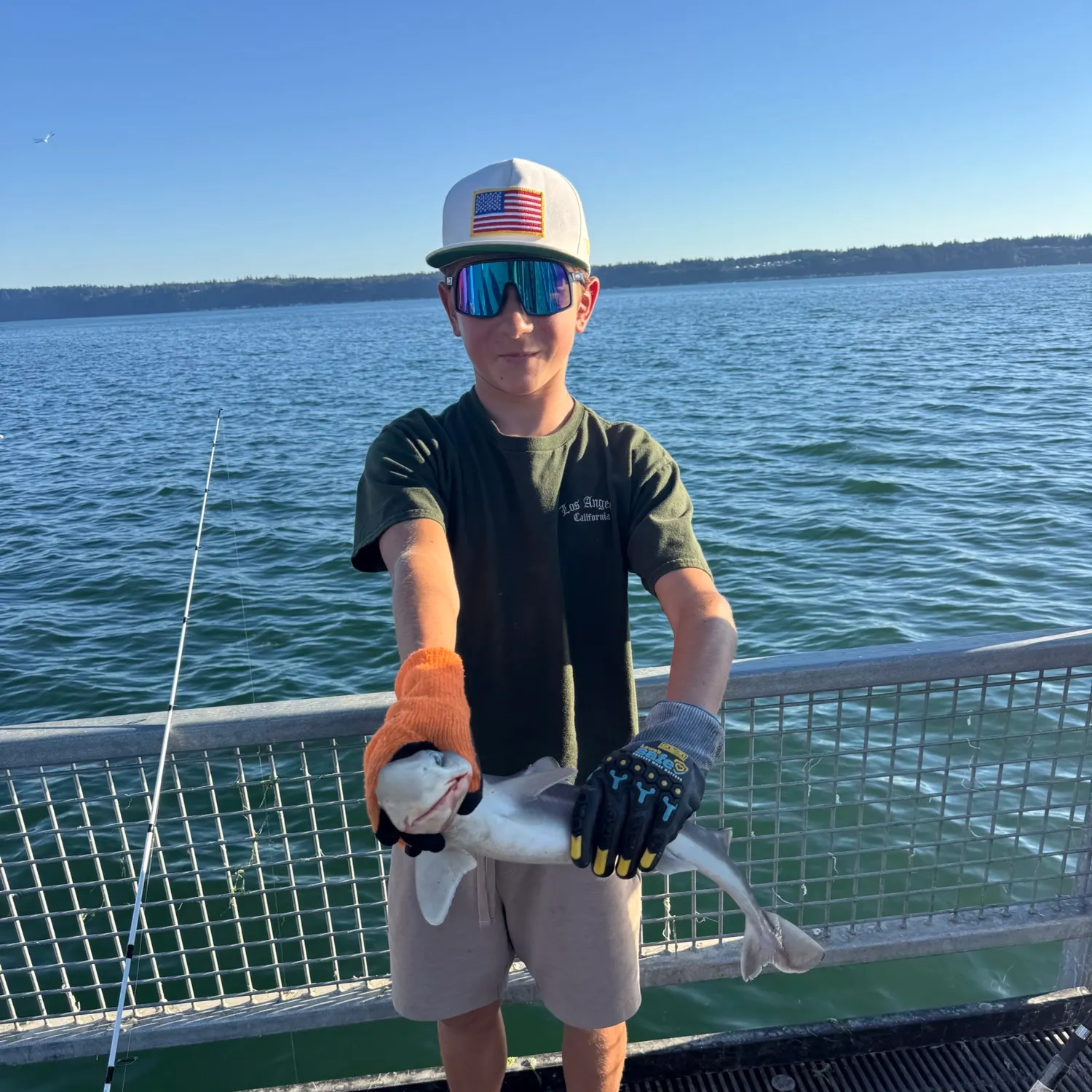


Continue browsing catches and catch locations in the Fishbrain app

Fishing regulations at Port Susan, WA
Disclaimer: Always check local fishing regulations, water access rights and land ownership before fishing, regardless of any catches logged in that area by the Fishbrain community. Fishbrain has mapped millions of acres of government-owned land across the USA to help you identify potential fishing access, but you are responsible for ensuring compliance with all legal requirements.
Fishing regulations in Washington can change throughout the year. Make sure to check this page before fishing for the most up to date rules and regulations for the current season. Local regulations govern when you can fish, the max size of the fish you can keep, how many fish you can keep, and more.
Regulations for top species

Pacific staghorn sculpin
Bag limit15
The maximum number of individual fish legally harvested per harvester per day. Bag limits are only for properly licensed anglers actively harvesting the species. People who are not actively harvesting or are not properly licensed (if a license is required) may NOT be counted for the purpose of bag limits.
Aggregate limit15
The maximum number of individual fish across an aggregate group of species legally harvested per harvester per day.
Restrictions & requirements
WA Snagging
You may not snag or attempt to snag fish. It is unlawful to possess a fish taken from freshwater that was not hooked inside the mouth or on the head. The head is defined as any portion forward of the rear margin of the gill plate.
WA Use of Drugs, Explosives or Poisons
You may not use drugs, explosives, or poison that may kill or injure fish and wildlife.
WA Crossbow
You may not use a crossbow to harvest fish or shellfish.
WA Sale or Barter
You may not offer any recreationally-caught fish or shellfish for sale or barter.
WA All Other Fish
Any fish species not listed are CLOSED to fishing, retaining, or possessing. For more information please see State of Washington Fishing Regulations.
WA Possession and Fishing Rules
You may not fish for or harvest fish or shellfish in an area with catch in your possession that does not meet the rules of that area. However, you may pass through such an area without stopping to fish. Also, you may catch fish in one area and land them at a port in a different area even if that different area is closed or has different rules, with the exception of landing halibut in a closed area, or landing bottom fish caught in Oregon.
WA Harvesting another Person's Limit
You may not harvest any part of another person's daily limit, except for persons who possess a Designated Harvester Companion Card unless otherwise specified.
WA Bait
You may not chum (broadcast feed) to attract Game Fish unless authorized by Special Rules. You many not use salmon, herring, or halibut for anything other than human consumption or fishing bait. It is unlawful to possess or use live aquatic animals as bait, except: (1) Live aquatic animals (other than fish) collected from the water being fished; (2) Live sand shrimp; (3) Live forage fish in the Columbia River (downstream of Rocky Point/Tongue Point).
WA Transport of Live Fish
You may not transport live fish or relocate shellfish or shells into state waters without a permit.
WA Use of a Net
You may not use a net, except when using a dip net to land legally-hooked fish, a forage fish dip net to harvest forage fish.
WA Use of Chemicals
You may not use any type of chemical irritant to harvest fish, or shellfish unless a special exception has been made by the Director.
WA Bow and Arrow, Spear and Spearfishing
You may not fish for Game Fish, salmon, sturgeon, shad, octopus, crab, or other shellfish with bow and arrow, spear, or spearfishing gear unless authorized by Special Rules.
WA Gaff Hooks
You may not use a gaff hook, except to land lingcod (in Marine Areas 1-3 and 4 West of Bonilla-Tatoosh line), halibut, tuna, or dogfish shark that will be retained.
WA Marine All Fishing Gear
All Fishing Gear must be kept in immediate control, and gear may not be left unattended while fishing.
WA Marine Hook & Line Angling
Hook and Line Angling: Unless noted differently, only one line with up to 2 hooks is allowed.
WA Marine Landing a Fish Rules
Landing a Fish: A club or dipnet (landing net) may be used to assist landing a legal fish taken by legal gear. A gaff may only be used to land a legally hooked lingcod (in Marine Areas 1-3 and 4 West of Bonilla-Tatoosh line), halibut, tuna, or dogfish shark that will be retained. Halibut may be shot or harpooned while landing.
WA Marine Downriggers & Rodholders
Downriggers - May be used with a line if the line releases from the downrigger while playing and landing the fish.Rodholders - May be used; the rod must be easily removed without delay; rod may be left in the holder while playing the fish.
WA Marine Electric Reels
Electric Reels: May be used if designed for sport fishing and attached to a fishing rod.
WA Marine Spearfishing
Spearfishing: The diver must be swimming or floating in the water while spearfishing. The use of explosives or bullets attached to the spear ("bang sticks") is prohibited.
WA Cooperation with Data Collection
You must cooperate with data collection or other sampling of fish, shellfish or seaweed upon request of Department of Fish and Wildlife personnel. This includes relinquishing any part of a salmon, steelhead, or other species of fish containing coded-wire tags.
WA Marine Descending Device
Descending Device – A device used for the rapid descent or recompression of fish. A descending device must be onboard vessels and rigged for immediate use when fishing for or possessing halibut or bottomfish. See https://wdfw.wa.gov/ species-habitats/at-risk/species-recovery/rockfish for more information.
WA Marine Barbless Hooks
Barbless Hooks are required for all species in Marine Areas 5-13, except forage fish jig gear. When fishing for salmon in Areas 1-13, single-point barbless hooks must be used.
Additional information
Synonyms
Location specific information
Free trial available