Top fish species at Jordan Creek

Walleye
Walleye
App Section

Check which species have trophy potential in Jordan Creek

Jordan Creek fishing reports
Loading...

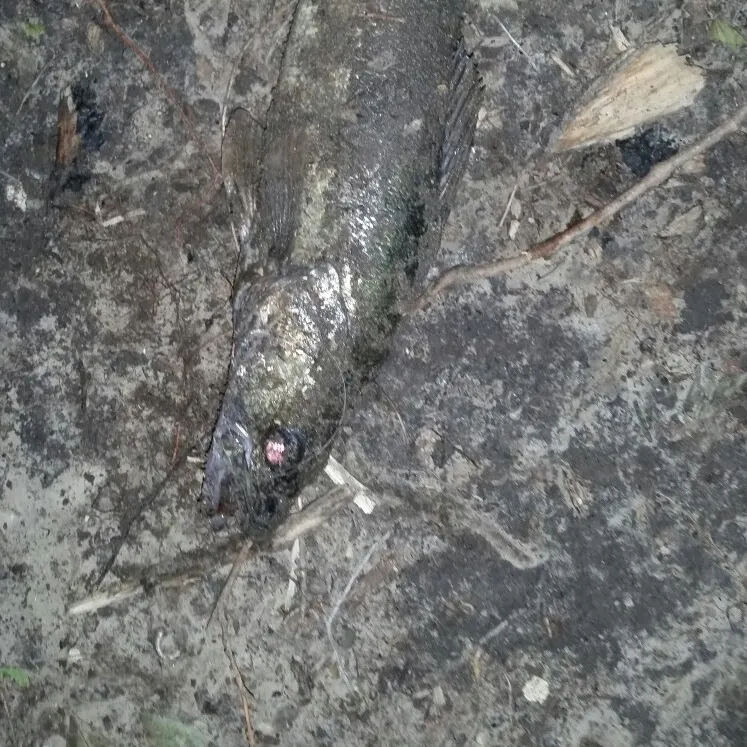
Walleye

19 in · 3 lb

Fishbrain
Have you been fishing here?

Log your catch and check out other catches from the community in the Fishbrain app.

Loading...
Loading...
Loading...

General info

Jordan Creek is a stream located in Laclede County, Missouri, United States. It is most popular for fishing Walleye.

Location

37°46′48.1″N 92°32′3.9″W
Directions

Fishing regulations at Jordan Creek, MO

Disclaimer: Always check local fishing regulations, water access rights and land ownership before fishing, regardless of any catches logged in that area by the Fishbrain community. Fishbrain has mapped millions of acres of government-owned land across the USA to help you identify potential fishing access, but you are responsible for ensuring compliance with all legal requirements.

Fishing regulations in Missouri can change throughout the year. Make sure to check this page before fishing for the most up to date rules and regulations for the current season. Local regulations govern when you can fish, the max size of the fish you can keep, how many fish you can keep, and more.

Regulations for top species
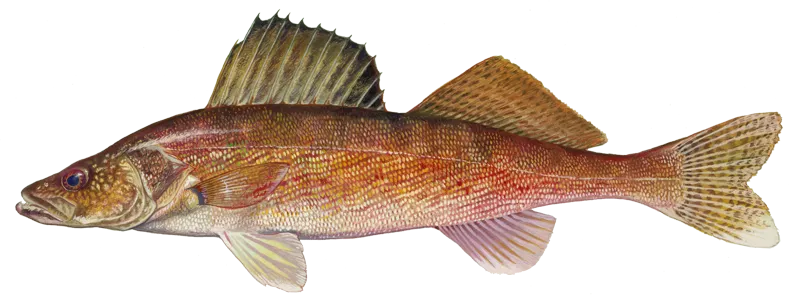
Season open: year-round
Walleye

Walleye

Regulation boundaryMissouri State Waters
Bag limit4

The maximum number of individual fish legally harvested per harvester per day. Bag limits are only for properly licensed anglers actively harvesting the species. People who are not actively harvesting or are not properly licensed (if a license is required) may NOT be counted for the purpose of bag limits.

Min size15" (Total Length)

No person shall harvest any individual fish less than the minimum size limit.

Total length means the straight line distance from the most forward point of the head with the mouth closed, to the farthest tip of the tail with the tail compressed or squeezed, while the fish is lying on its side.

Aggregate limit4

The maximum number of individual fish across an aggregate group of species legally harvested per harvester per day.

Restrictions & requirements

Gigging

Harvest by gigging prohibited.

Snagging

Harvest of this species by snagging (snatch hooking) is prohibited.

Spears

Harvest of this species by "spearing" is prohibited. Spearing includes the catching or taking of a fish by bow hunting, gigging, spearfishing, or by any device used to capture a fish by piercing the body.

MO Explosives Chemicals Poison Electricity

No one may use any explosive, poison, chemical or electrical equipment to kill or stupefy fish. Such material or equipment may not be possessed on waters of the state or adjacent banks.

MO Hand Fishing

It also is illegal to attempt to take fish by hand, with or without a hook, and to intentionally leave or abandon any commonly edible portion of any fish.

MO Spearguns

Spearguns may not be possessed on unimpounded waters or adjacent banks, and spears may not be propelled by explosives.

Additional information
From February 20 through April 14, walleye and sauger can be taken and possessed only between 1/2 hour before sunrise and 1/2 after sunset. This restriction applies to all streams, except the Missouri and Mississippi rivers.For more information please see https://mdc.mo.gov/fishing/species/walleye-sauger Special Areas:Bull Shoals LakeLakewide: Ozark and TaneyLength limit:Walleye and sauger: minimum 18"In the Swan Creek Arm above U.S. Highway 160: Taney From February 20 through April 14, walleye and sauger may be taken and possessed only between 1/2 hour before sunrise to 1/2 hour after sunset.From Powersite Dam to Highway 76: Taney Prohibited Methods: Trotlines, throwlines and limb linesFor more information please see Walleye and Sauger special area restrictions Eleven Point RiverMainstem and its tributaries: Walleye and sauger—18 inch minimum length limitIn Oregon County: The use of porous-soled waders is prohibited.For more information please see Walleye and Sauger special area restrictions Long Branch LakeLength Limits:Walleye and sauger: minimum 18"For more information please see Walleye and Sauger special area restrictions Mississippi RiverThis area encompasses the Mississippi River, including, Pools 20-26, the temporary overflow waters east of the Missouri Pacific Railroad between Cape Girardeau and Scott City and the temporary overflow waters east of the mainline and setback levees between Commerce and the Arkansas state line.Mississippi River, including Pools 20-26Walleye and sauger: The daily and possession limit is 8, combined total of both species.Length limits:Walleye and sauger: NoneAllowed methods:Limit of 2 poles per licensed anglerLimit of 50 hooks on a trotlineTemporary overflow waters east of the Missouri Pacific Railroad between Cape Girardeau and Scott CityFor more information please see Walleye and Sauger special area restrictions Missouri RiverRiverwideWalleye and sauger: No seasonal restrictions on the hours for take and possession. Norfolk LakeOn the lake and its tributaries:Length limit:Walleye and sauger: minimum 18"For more information please see Walleye and Sauger special area restrictions St. Francis RiverAbove Wappapello Dam, from the lake and its tributaries including the St. Francis River and its tributaries:Size limit: Walleye and sauger — minimum 18"Within 225 feet below Wappapello Dam:No fishing is allowed.From within 700 feet below the spillway walls of Wappapello Dam:Trotlines, throwlines, limb lines, bowfishing, gigging and atlatls are prohibited.For more information please see Walleye and Sauger special area restrictions Table Rock LakeLakewide:Daily limit: Do not continue to snag, snare or grab for any species after taking a daily limit of 2 paddlefish.Size limit:Walleye and sauger: minimum 18"For more information please see Walleye and Sauger special area restrictions Wappapello LakeDaily Limit: Crappie: 30 with no more than 15 fish over nine inches.On the lake and its tributaries including the St. Francis River and its tributaries above Wappapello DamLength limit: Walleye and sauger: minimum 18"For more information please see Walleye and Sauger special area restrictions
Edibility
Excellent
Synonyms
Sander vitreus
License Icon
Local laws and licenses

Missouri fishing license

Get license

Cities nearby

Stoutland

2.6 miles away

Richland

9.3 miles away

Lebanon

10.2 miles away

Montreal

13.4 miles away

Evergreen

16.3 miles away

Waynesville

17.4 miles away

Bennett Springs

17.8 miles away

Crocker

18.6 miles away

Camdenton

19.9 miles away

Phillipsburg

20.9 miles away

Brumley

21.4 miles away

Fort Leonard Wood

22.3 miles away

Friedenswald

23.7 miles away

Conway

25.0 miles away

Osage Beach

25.3 miles away

Plato

25.7 miles away

Grovespring

26.5 miles away

Macks Creek

26.8 miles away

Dixon

28.2 miles away

Sunrise Beach

29.9 miles away

Bagnell

31.3 miles away

Tuscumbia

31.8 miles away

Buffalo

32.1 miles away

Laurie

33.5 miles away

Anything missing or inaccurate?

Suggest changes to improve what we show.

Suggest changes

FAQ about Jordan Creek fishing

📍 Where is the Jordan Creek located?
the Jordan Creek is a stream located in Laclede County, Missouri, United States. Its coordinates are:
37°46′48.1″N 92°32′3.9″W
.
🎣 Where on the Jordan Creek is it best to fish?
Find the best fishing spots on the Jordan Creek by looking at where other anglers have caught fish. This can easily be done in the where it is also possible to see big fish potential and how good fishing is right now along with Garmin® depth maps.
🐟 What species are in the Jordan Creek?
The most common species in the Jordan Creek are:
  • Walleye - 1 members reported to have caught this fish
📢 What are the latest Jordan Creek fishing reports?
The latest Jordan Creek fishing reports are:
🪪 Do I need a fishing license to fish at the Jordan Creek?

Fishing in Missouri requires a valid state fishing license for anglers. Resident and non-resident annual and short-term licenses are available online or from licensed vendors.

In Missouri, no fishing license is required for anglers under 16 or residents 65 and older. A few other exceptions worth knowing:

  • Free fishing days — most states designate 1–2 weekends a year where anyone can fish without a license

  • Tribal waters — tribal members fishing on tribal land operate under separate tribal regulations

  • Private ponds — landowners fishing their own water typically don't need a license

Non-residents usually pay more for a license than residents. Some species also require an extra stamp or endorsement on top of your base license.

Get license
App Section
Download Fishbrain and fish smarter
Unlimited access to the best fishing spot finder in the game. Get all the fishing intel you need to start catching more, and bigger, fish.

Free trial available

Loading...
Loading...
Loading...
Loading...