Map

Bayou Lafourche

Fishing spots, fishing reports, and regulations in

Louisiana, United States

11 catches

Top fish species at Bayou Lafourche

App Section

Check which species have trophy potential in Bayou Lafourche

Bayou Lafourche fishing reports

Loading...

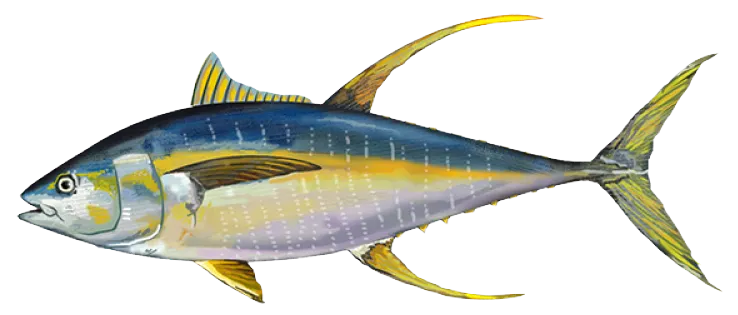
Yellowfin tuna

length · weight

Loading...

Blue catfish

49 in · 50 lb

Loading...

length · weight

Loading...

Flathead catfish

length · weight

Loading...

Blue catfish

length · weight

Loading...

Largemouth bass

length · weight

Fishbrain
More catches in the app...

Continue browsing catches and catch locations in the Fishbrain app

Loading...
Loading...
Loading...

General info

Bayou Lafourche is a stream located in Ouachita Parish, Louisiana, United States. It is also intersecting with Caldwell Parish, Louisiana. It is most popular for fishing Blue catfish, Yellowfin tuna, and Eyetail bowfin.

Location

32°20′42.3″N 92°00′42.2″W
Directions

Fishing regulations at Bayou Lafourche, LA

Disclaimer: Always check local fishing regulations, water access rights and land ownership before fishing, regardless of any catches logged in that area by the Fishbrain community. Fishbrain has mapped millions of acres of government-owned land across the USA to help you identify potential fishing access, but you are responsible for ensuring compliance with all legal requirements.

Fishing regulations in Louisiana can change throughout the year. Make sure to check this page before fishing for the most up to date rules and regulations for the current season. Local regulations govern when you can fish, the max size of the fish you can keep, how many fish you can keep, and more.

Regulations for top species
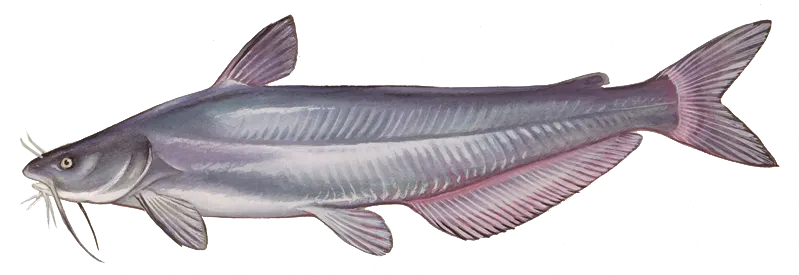
Season open: year-round
Blue catfish

Blue catfish

Regulation boundaryLouisiana State Waters
Bag limit100

The maximum number of individual fish legally harvested per harvester per day. Bag limits are only for properly licensed anglers actively harvesting the species. People who are not actively harvesting or are not properly licensed (if a license is required) may NOT be counted for the purpose of bag limits.

Min size12" (Total Length)

No person shall harvest any individual fish less than the minimum size limit.

Total length means the straight line distance from the most forward point of the head with the mouth closed, to the farthest tip of the tail with the tail compressed or squeezed, while the fish is lying on its side.

Aggregate limit100

The maximum number of individual fish across an aggregate group of species legally harvested per harvester per day.

Additional information
An angler may possess up to 25 undersized catfish of the three species (blue catfish, channel catfish, flathead catfish) combined. The following waterbodies have modified size and bag limits for regulated catfish: Caddo Lake: no size limit; bag limit = 50 in aggregate (blue catfish + channel catfish) with no more than 5 over 30-inches; Sabine River: no size limit; bag limit = 50 in aggregate (blue catfish + channel catfish) with no more than 5 over 30-inches; Toledo Bend: no size limit; bag limit = 50 in aggregate (blue catfish + channel catfish) with no more than 5 over 30-inches;
Edibility
Very good
Synonyms
Ictalurus furcatus
Season open: year-round
Yellowfin tuna

Yellowfin tuna

Regulation boundaryLouisiana State Waters
Bag limit3

The maximum number of individual fish legally harvested per harvester per day. Bag limits are only for properly licensed anglers actively harvesting the species. People who are not actively harvesting or are not properly licensed (if a license is required) may NOT be counted for the purpose of bag limits.

Min size27" (Curved Fork Length)

No person shall harvest any individual fish less than the minimum size limit.

Curved fork length means the length of a tuna taken in a line tracing the contour of the body from the tip of the upper jaw to the fork of the tail. The measuring tape must pass over (and touch) the pectoral fin and the caudal keel.

Required licenses
Recreational Offshore Landing Permit
Additional information
Anglers fishing for tunas within or outside Louisiana state waters are subject to both state and federal laws, rules and regulations. Federal regulations regarding the recreational harvest of tunas change often, especially for bluefin tuna. Prior to angling for or harvest of tuna, be aware of the most current federal regulations for fishing or harvest, including sizes, bag limits and closed seasons by calling 1-888-872-8862 or see hmspermits.noaa.gov. Recreational anglers and charter captains are required to obtain a free Recreational Offshore Landing Permit to possess snapper, grouper, hind, tunas, billfish, swordfish, amberjacks, cobia, wahoo and dolphin. Anglers may register for or renew their permit at Recreational Offshore Landing Permit. Minors (under 16) are not required to obtain a recreational offshore landing permit. Angling customers on a paid-for-hire charter trip also do not need a permit. All tunas must be landed with at least the tail and one pectoral fin attached. Any tuna caught by a hook and not retained must be released by cutting the line near the hook or by using a dehooking device, without removing the fish from the water.
Edibility
Excellent, but may contain high mercury levels. Catch, Clean, Cook Yellowfin Tuna by DMFDSpearfishing Yellowfin Tuna by DMFD
Synonyms
Thunnus albacares, ‘ahi
Season open: year-round
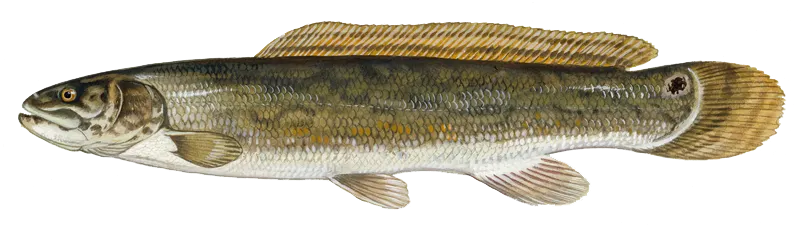
Eyetail bowfin

Eyetail bowfin

Regulation boundaryLouisiana State Waters
Min size16" (Total Length)

No person shall harvest any individual fish less than the minimum size limit.

Total length means the straight line distance from the most forward point of the head with the mouth closed, to the farthest tip of the tail with the tail compressed or squeezed, while the fish is lying on its side.

Additional information
No bag limit.
Edibility
Poor
Synonyms
Amia calva, Mudfish, choupique
License Icon
Local laws and licenses

Louisiana fishing license

Get license

Cities nearby

Monroe

12.6 miles away

Start

13.2 miles away

West Monroe

14.1 miles away

Swartz

16.4 miles away

Columbia

17.2 miles away

Claiborne

17.2 miles away

Winnsboro

21.1 miles away

Calhoun

23.2 miles away

Sterlington

23.9 miles away

Eros

24.3 miles away

Collinston

25.1 miles away

Chatham

25.8 miles away

Bastrop

30.3 miles away

Downsville

30.4 miles away

Delhi

31.3 miles away

Mer Rouge

32.4 miles away

Choudrant

32.4 miles away

Farmerville

37.4 miles away

Ruston

38.7 miles away

Marion

40.6 miles away

Quitman

41.5 miles away

Bonita

44.3 miles away

Dubach

45.0 miles away

Bernice

50.3 miles away

Anything missing or inaccurate?

Suggest changes to improve what we show.

Suggest changes

FAQ about Bayou Lafourche fishing

📍 Where is the Bayou Lafourche located?
the Bayou Lafourche is a stream located in Ouachita Parish, Louisiana, United States. It is also intersecting with Caldwell Parish, Louisiana. Its coordinates are:
32°20′42.3″N 92°00′42.2″W
.
🎣 Where on the Bayou Lafourche is it best to fish?
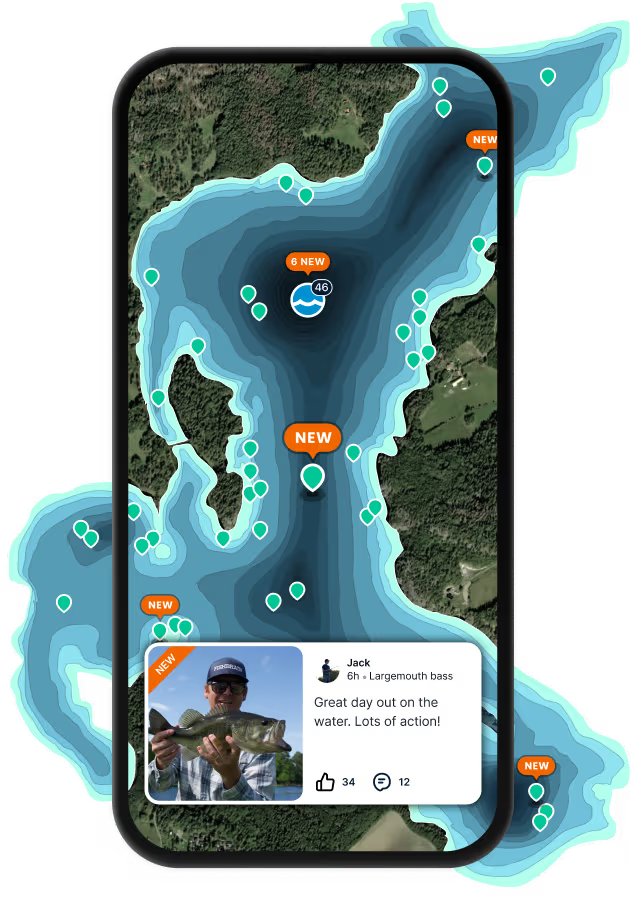
Find the best fishing spots on the Bayou Lafourche by looking at where other anglers have caught fish. This can easily be done in the where it is also possible to see big fish potential and how good fishing is right now along with Garmin® depth maps.
🐟 What species are in the Bayou Lafourche?
The most common species in the Bayou Lafourche are:
📢 What are the latest Bayou Lafourche fishing reports?
The latest Bayou Lafourche fishing reports are:
🗓️ What species are in season at the Bayou Lafourche right now?
According to fishing regulations at the Bayou Lafourche, some of the species in season this November include: Bonnethead shark, Red grouper, Gag grouper, Atlantic bluefin tuna, and Lane snapper. For full details on other species — including bag limits, minimum and maximum size limits, and seasonal closures — download the .
🪪 Do I need a fishing license to fish at the Bayou Lafourche?

Fishing in Louisiana requires a valid state fishing license for anglers. Licenses include resident and non-resident, annual, short-term, and combination options, available online or at vendors statewide.

In Louisiana, no fishing license is required for anglers under 16. Residents 60 and older qualify for a discounted license. A few other exceptions worth knowing:

  • Free fishing days — most states designate 1–2 weekends a year where anyone can fish without a license

  • Tribal waters — tribal members fishing on tribal land operate under separate tribal regulations

  • Private ponds — landowners fishing their own water typically don't need a license

Non-residents usually pay more for a license than residents. Some species also require an extra stamp or endorsement on top of your base license.

Get license
App Section
Download Fishbrain and fish smarter
Unlimited access to the best fishing spot finder in the game. Get all the fishing intel you need to start catching more, and bigger, fish.

Free trial available

Loading...
Loading...
Loading...
Loading...