Map

Wailua Reservoir

Fishing spots, fishing reports, and regulations in

Hawaii, United States

3.8·168 catches

Top fish species at Wailua Reservoir

App Section

Check which species have trophy potential in Wailua Reservoir

Wailua Reservoir fishing reports
Loading...

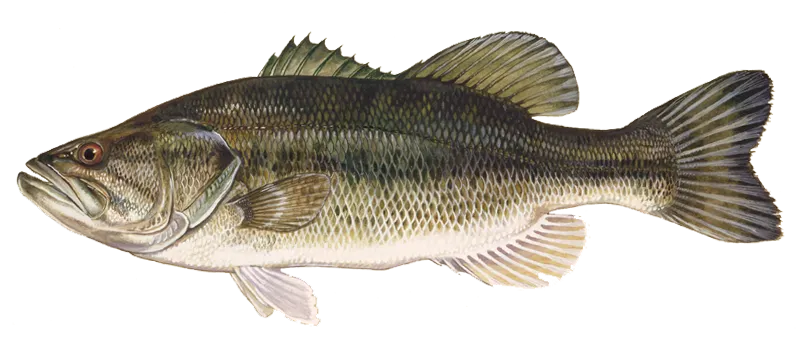
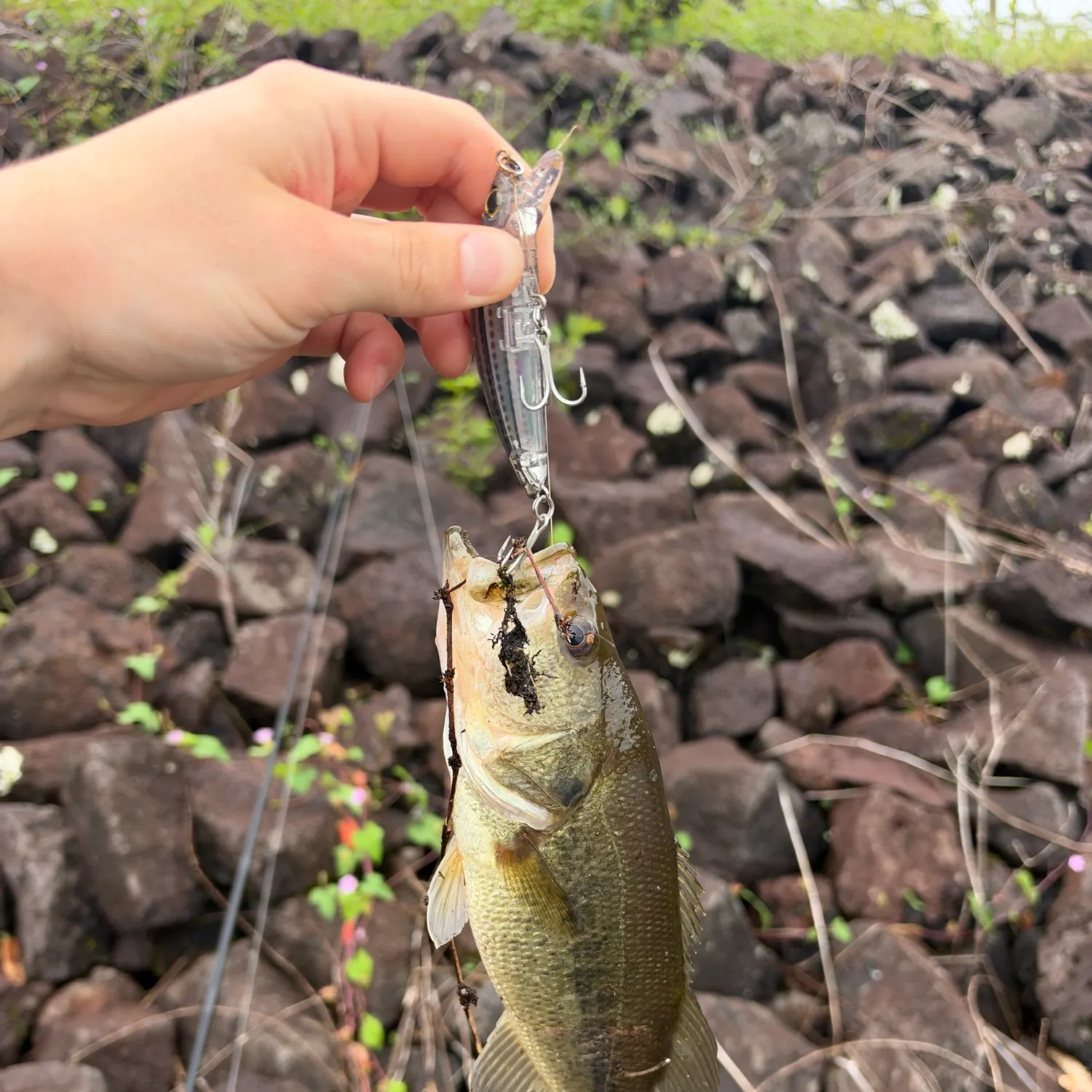
Largemouth bass

length · weight

Loading...

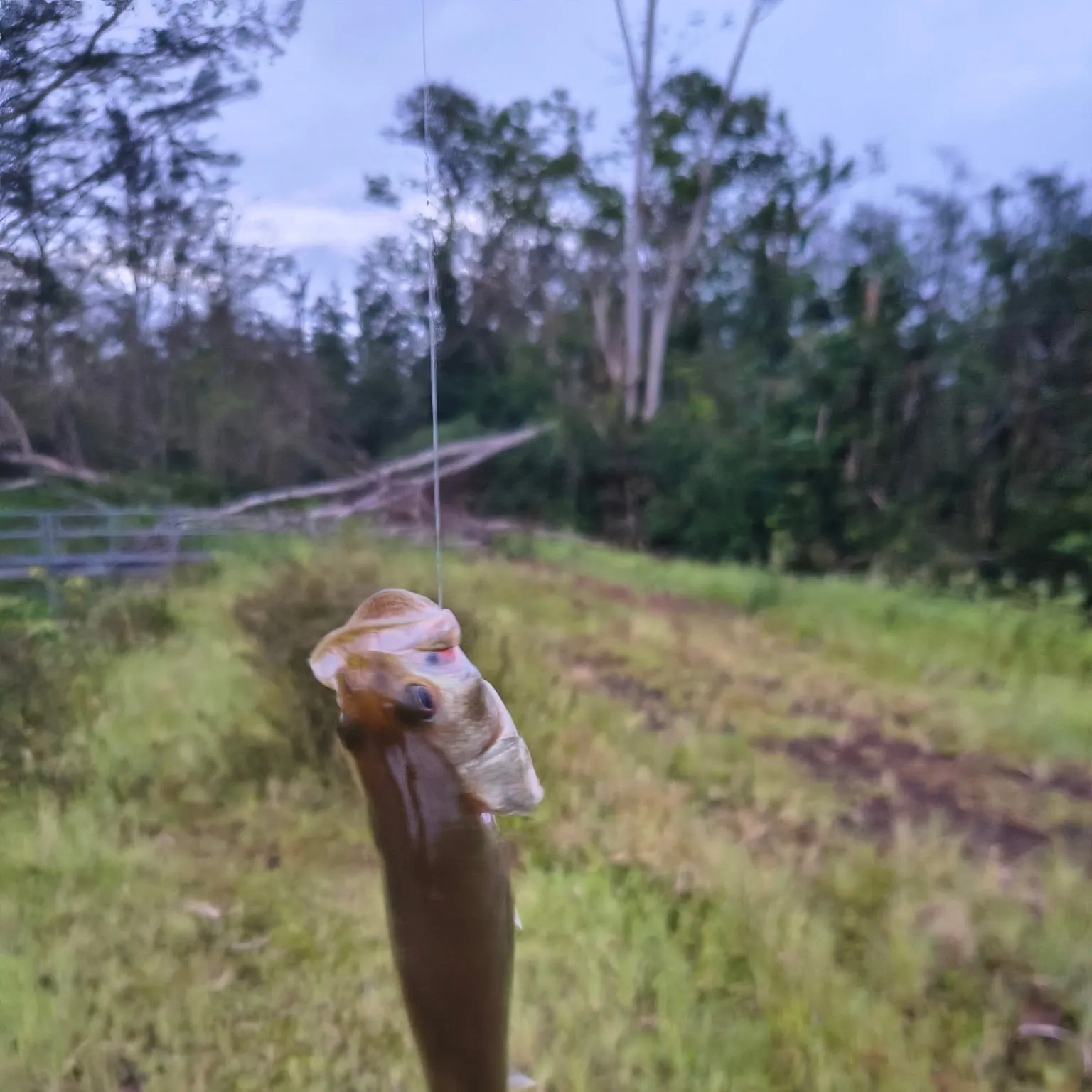
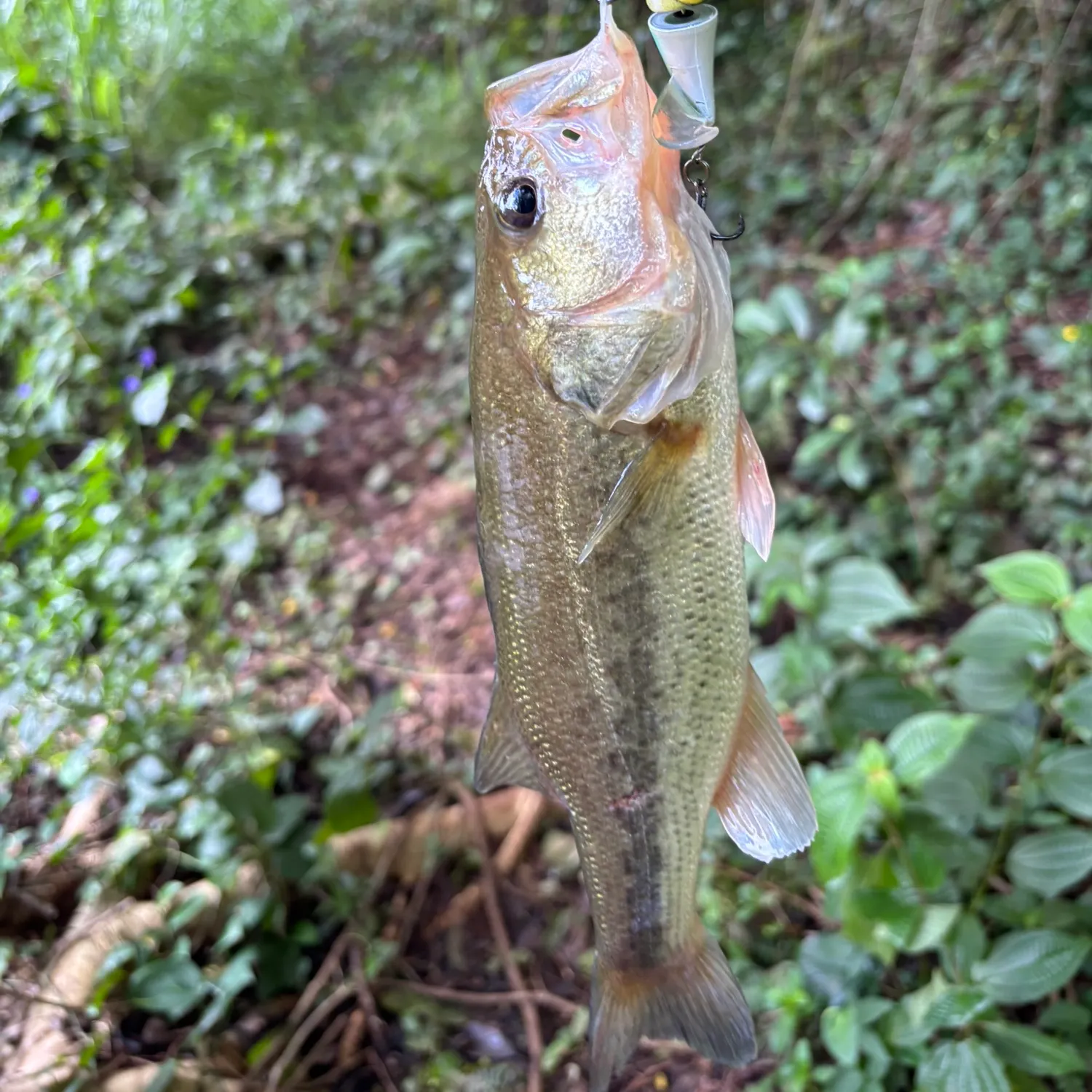
Largemouth bass

6 in · 3 oz

Loading...

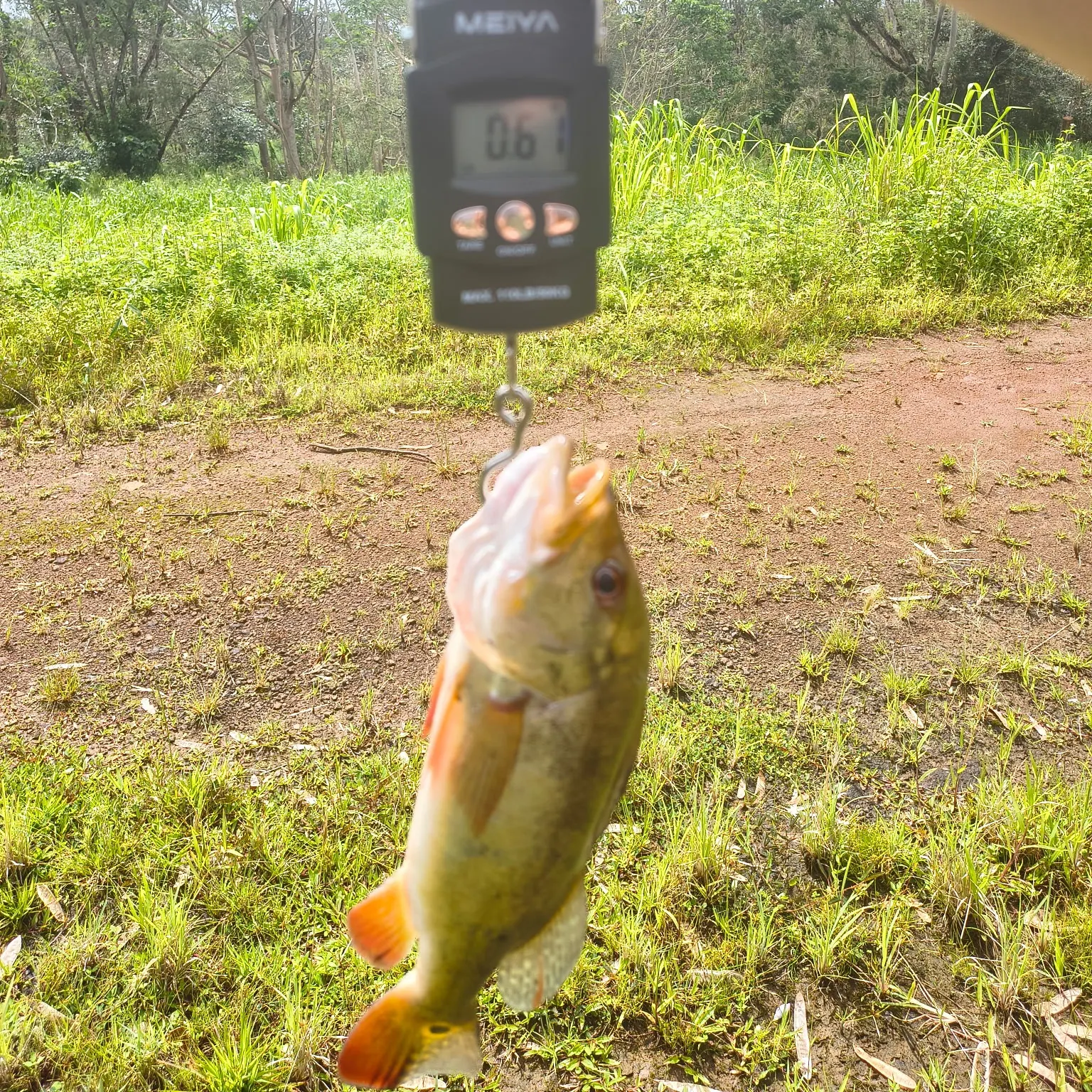
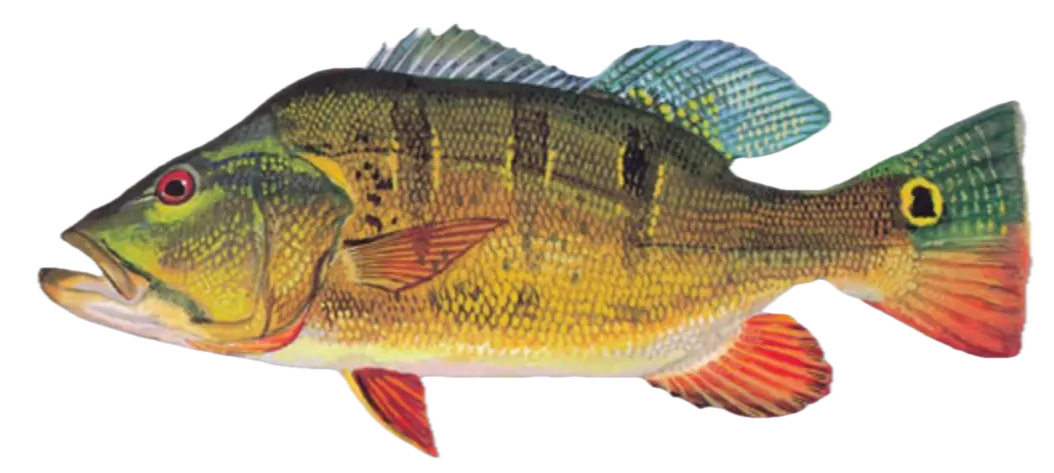
Butterfly peacock bass

9 in · 1 lb

Loading...

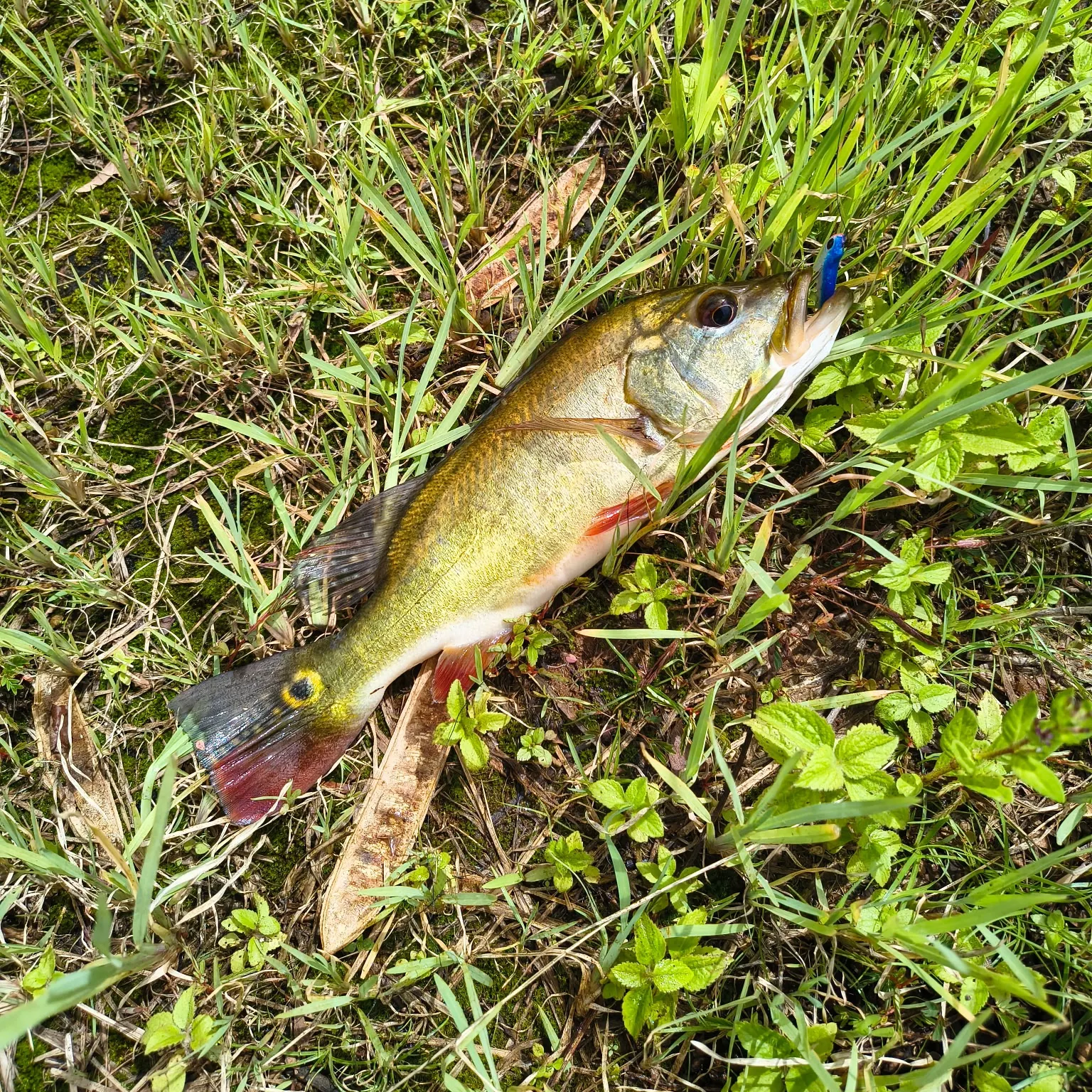
Butterfly peacock bass

9 in · 1 lb

Loading...

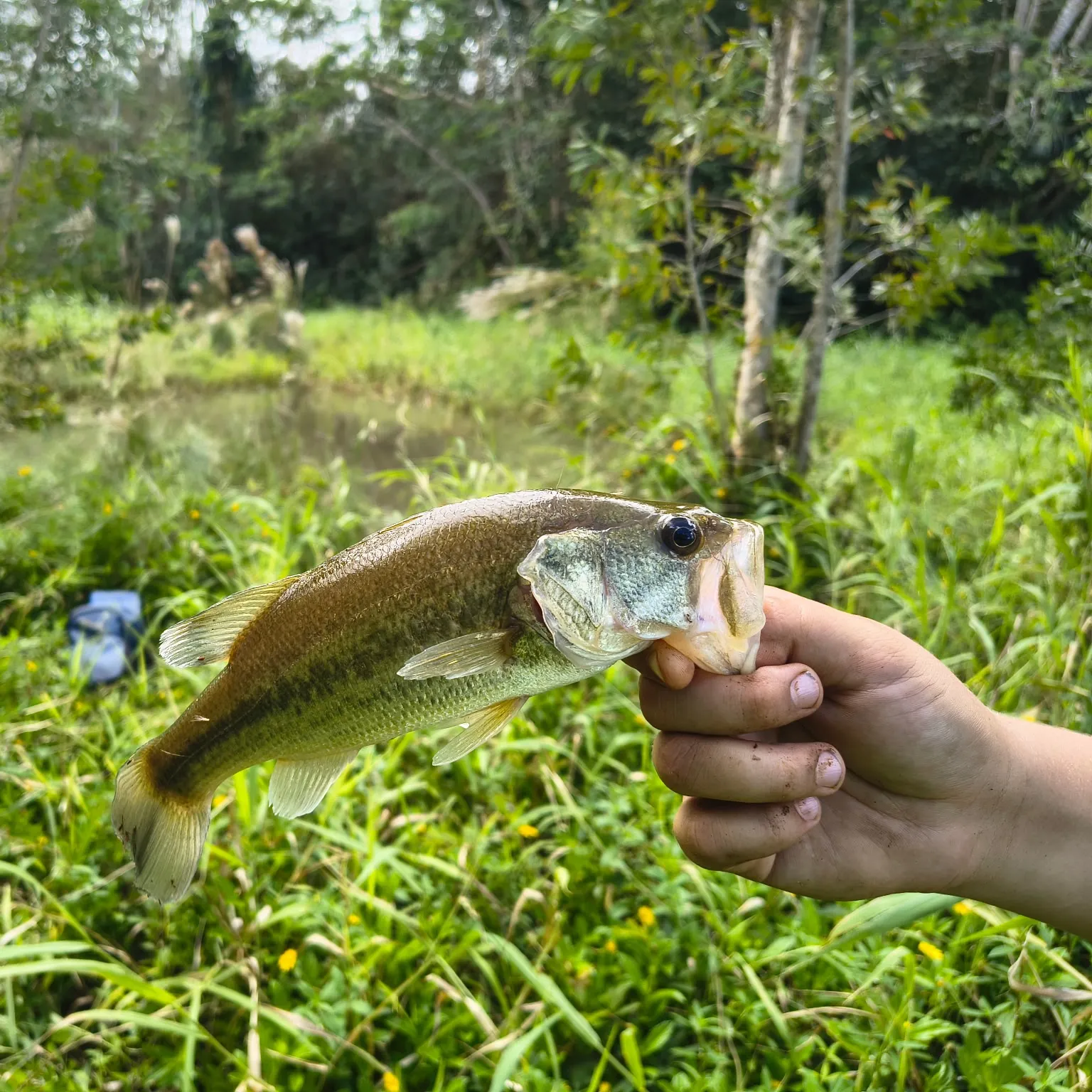
Largemouth bass

8 in · 5 oz

Loading...

Largemouth bass

7 in · 5 oz

Fishbrain
More catches in the app...

Continue browsing catches and catch locations in the Fishbrain app

Loading...
Loading...
Loading...

General info

Wailua Reservoir is a lake located in Kauai County, Hawaii, United States. It is most popular for fishing Largemouth bass, Butterfly peacock bass, and Redbreast tilapia.

Location

22°03′55.6″N 159°24′4.9″W
Directions

Official website

dlnr.hawaii.gov

Amenities

When are Largemouth Bass biting on Wailua Reservoir?

Learn what time of year and day to go fishing at Wailua Reservoir. Download Fishbrain today to look for new fishing spots, scout new fishing access, or prep for your next trip.

Bite time image

Fishing regulations at Wailua Reservoir, HI

Disclaimer: Always check local fishing regulations, water access rights and land ownership before fishing, regardless of any catches logged in that area by the Fishbrain community. Fishbrain has mapped millions of acres of government-owned land across the USA to help you identify potential fishing access, but you are responsible for ensuring compliance with all legal requirements.

Fishing regulations in Hawaii can change throughout the year. Make sure to check this page before fishing for the most up to date rules and regulations for the current season. Local regulations govern when you can fish, the max size of the fish you can keep, how many fish you can keep, and more.

Regulations for top species

Season open: year-round
Largemouth bass

Largemouth bass

Regulation boundaryHI Hawaii State Waters
Bag limit10

The maximum number of individual fish legally harvested per harvester per day. Bag limits are only for properly licensed anglers actively harvesting the species. People who are not actively harvesting or are not properly licensed (if a license is required) may NOT be counted for the purpose of bag limits.

Min size9" (Total Length)

No person shall harvest any individual fish less than the minimum size limit.

Total length means the straight line distance from the most forward point of the head with the mouth closed, to the farthest tip of the tail with the tail compressed or squeezed, while the fish is lying on its side.

Aggregate limit10

The maximum number of individual fish across an aggregate group of species legally harvested per harvester per day.

Required licenses
Freshwater Game Fishing License
Additional information
In Wahiawā Public Fishing Area bass and tucunare are catch and release only. It is unlawful to keep, retain, hold, or kill any bass or tucunare in Wahiawā Public Fishing Area. Bass or tucunare brought to shore or on board a vessel must be returned to the water immediately. In Wailua Reservoir Public Fishing Area bag limit = 2; minimum size = 9 inches total length; maximum size = 14 inches total length; Aggregate total bag limit of 3 fish applies.
Edibility
Very good Catch, Clean, Cook Largemouth Bass by BlueGabe
Synonyms
Micropterus nigricans
Location regulation notes
To see maps of DAR's official marine managed areas, please see Hawaii DAR's ARCGIS Map Viewer.
Location specific information
To see maps of DAR's official marine managed areas, please see Hawaii DAR's ARCGIS Map Viewer. Wailua Reservoir Public Fishing Area Prohibited: To fish for, take or possess any fish except as described in permitted activities above. To possess spears, chemicals, trotlines, or nets, except as indicated in permitted activities above. To snag any fish. To possess or use any live animal or plant as bait. To enter into or fish from any irrigation infrastructure, including catwalks, valve towers, or ditches. To launch or use any vessel or floatable object, motorized, non-motorized, or wind-powered, in the reservoir. To swim, bathe, or conduct any activity in the reservoir other than fishing. To enter into or fish for any aquatic life at any portion of the reservoir designated as a wildlife or waterbird sanctuary. To contaminate or pollute the reservoir, ditch, or stream. Permitted: With a valid Freshwater Game Fishing License, to fish using one pole and line, or one line with one lure or baited hook attached to the single line. To use a dip net up to two feet in longest axis, excluding the handle, to land hooked fish. To take up to an aggregate total of three fish per licensee per day, provided that fishers must allow inspection of any bag or container, or any vehicle or other conveyance used to carry or transport aquatic life. To fish only during the day (no night fishing).
Season open: year-round
Butterfly peacock bass

Butterfly peacock bass

Regulation boundaryHI Hawaii State Waters
Bag limit3

The maximum number of individual fish legally harvested per harvester per day. Bag limits are only for properly licensed anglers actively harvesting the species. People who are not actively harvesting or are not properly licensed (if a license is required) may NOT be counted for the purpose of bag limits.

Min size12" (Total Length)

No person shall harvest any individual fish less than the minimum size limit.

Total length means the straight line distance from the most forward point of the head with the mouth closed, to the farthest tip of the tail with the tail compressed or squeezed, while the fish is lying on its side.

Required licenses
Freshwater Game Fishing License
Additional information
In Wahiawā Public Fishing Area bass and tucunare are catch and release only. It is unlawful to keep, retain, hold, or kill any bass or tucunare in Wahiawā Public Fishing Area. Bass or tucunare brought to shore or on board a vessel must be returned to the water immediately. In Wailua Reservoir Public Fishing Area bag limit = 2; minimum size = 12 inches total length; maximum size = 15 inches total length; Aggregate total bag limit of 3 fish applies.
Edibility
Good but not as good as snakehead or largemouth bass, see Catch, Clean, Cook Peacock Bass by DMFD
Synonyms
Cichla ocellaris, tucunare
Location regulation notes
To see maps of DAR's official marine managed areas, please see Hawaii DAR's ARCGIS Map Viewer.
Location specific information
To see maps of DAR's official marine managed areas, please see Hawaii DAR's ARCGIS Map Viewer. Wailua Reservoir Public Fishing Area Prohibited: To fish for, take or possess any fish except as described in permitted activities above. To possess spears, chemicals, trotlines, or nets, except as indicated in permitted activities above. To snag any fish. To possess or use any live animal or plant as bait. To enter into or fish from any irrigation infrastructure, including catwalks, valve towers, or ditches. To launch or use any vessel or floatable object, motorized, non-motorized, or wind-powered, in the reservoir. To swim, bathe, or conduct any activity in the reservoir other than fishing. To enter into or fish for any aquatic life at any portion of the reservoir designated as a wildlife or waterbird sanctuary. To contaminate or pollute the reservoir, ditch, or stream. Permitted: With a valid Freshwater Game Fishing License, to fish using one pole and line, or one line with one lure or baited hook attached to the single line. To use a dip net up to two feet in longest axis, excluding the handle, to land hooked fish. To take up to an aggregate total of three fish per licensee per day, provided that fishers must allow inspection of any bag or container, or any vehicle or other conveyance used to carry or transport aquatic life. To fish only during the day (no night fishing).
License Icon
Local laws and licenses

Hawaii fishing license

Get license

Reviews of Wailua Reservoir

3.8
Loading...

5 ratings

5
4
3
2
1
Top reviews

Cities nearby

Wailua Homesteads

1.6 miles away

Wailua

4.0 miles away

Hanamaulu

5.9 miles away

Lihue

7.1 miles away

Puhi

7.2 miles away

Anahola

7.8 miles away

Kilauea

10.0 miles away

Omao

11.1 miles away

Hanalei

11.4 miles away

Princeville

11.7 miles away

Kalaheo

13.0 miles away

Wainiha

13.0 miles away

Poipu

13.1 miles away

Haena

14.7 miles away

Eleele

15.8 miles away

Hanapepe

15.9 miles away

Pakala Village

17.6 miles away

Kekaha

21.1 miles away

Mokuleia

85.8 miles away

Makaha

86.7 miles away

Makaha Valley

87.8 miles away

Waialua

89.1 miles away

Waianae

89.2 miles away

Haleiwa

89.5 miles away

Anything missing or inaccurate?

Suggest changes to improve what we show.

Suggest changes

FAQ about Wailua Reservoir fishing

📍 Where is Wailua Reservoir located?
Wailua Reservoir is a lake located in Kauai County, Hawaii, United States. Its coordinates are:
22°03′55.6″N 159°24′4.9″W
.
🎣 Where on Wailua Reservoir is it best to fish?
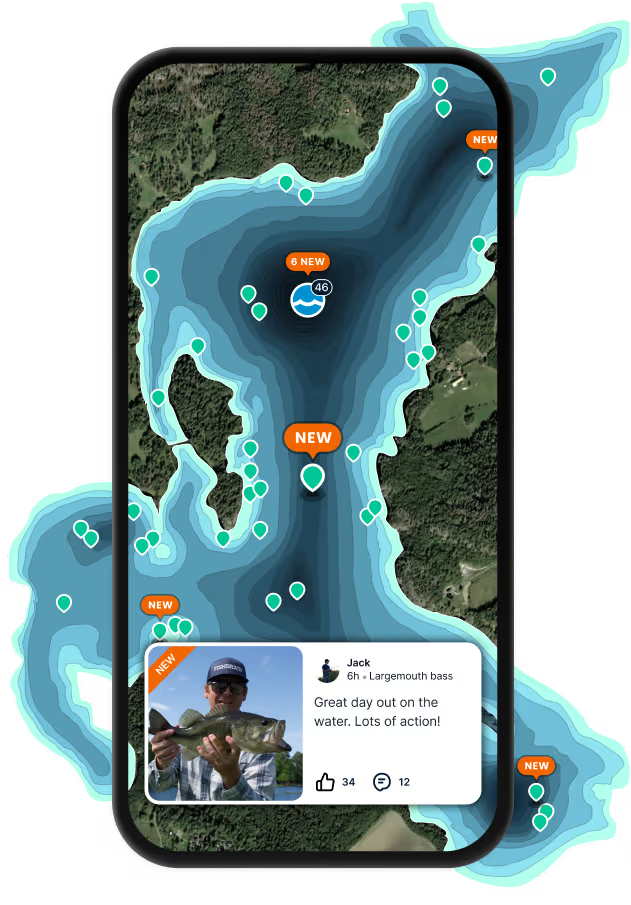
Find the best fishing spots on Wailua Reservoir by looking at where other anglers have caught fish. This can easily be done in the where it is also possible to see big fish potential and how good fishing is right now along with Garmin® depth maps.
🐟 What species are in Wailua Reservoir?
The most common species in Wailua Reservoir are:
📢 What are the latest Wailua Reservoir fishing reports?
The latest Wailua Reservoir fishing reports are:
🗓️ What species are in season at Wailua Reservoir right now?
According to fishing regulations at Wailua Reservoir, some of the species in season this November include: Striped mullet, and Sixfinger threadfin. For full details on other species — including bag limits, minimum and maximum size limits, and seasonal closures — download the .
🪪 Do I need a fishing license to fish at Wailua Reservoir?

Fishing in Hawaii requires a valid state fishing license for anglers. Saltwater licenses include resident and non-resident options, available online and at authorized vendors.

In Hawaii, no freshwater fishing license is required for anglers of any age. A few other exceptions worth knowing:

  • Free fishing days — most states designate 1–2 weekends a year where anyone can fish without a license

  • Tribal waters — tribal members fishing on tribal land operate under separate tribal regulations

  • Private ponds — landowners fishing their own water typically don't need a license

Non-residents usually pay more for a license than residents. Some species also require an extra stamp or endorsement on top of your base license.

Get license
App Section
Download Fishbrain and fish smarter
Unlimited access to the best fishing spot finder in the game. Get all the fishing intel you need to start catching more, and bigger, fish.

Free trial available

Loading...
Loading...
Loading...
Loading...