
Logged catches
Top fish species at Cottonwood Lake

Check which species have trophy potential in Cottonwood Lake

Cottonwood Lake fishing reports
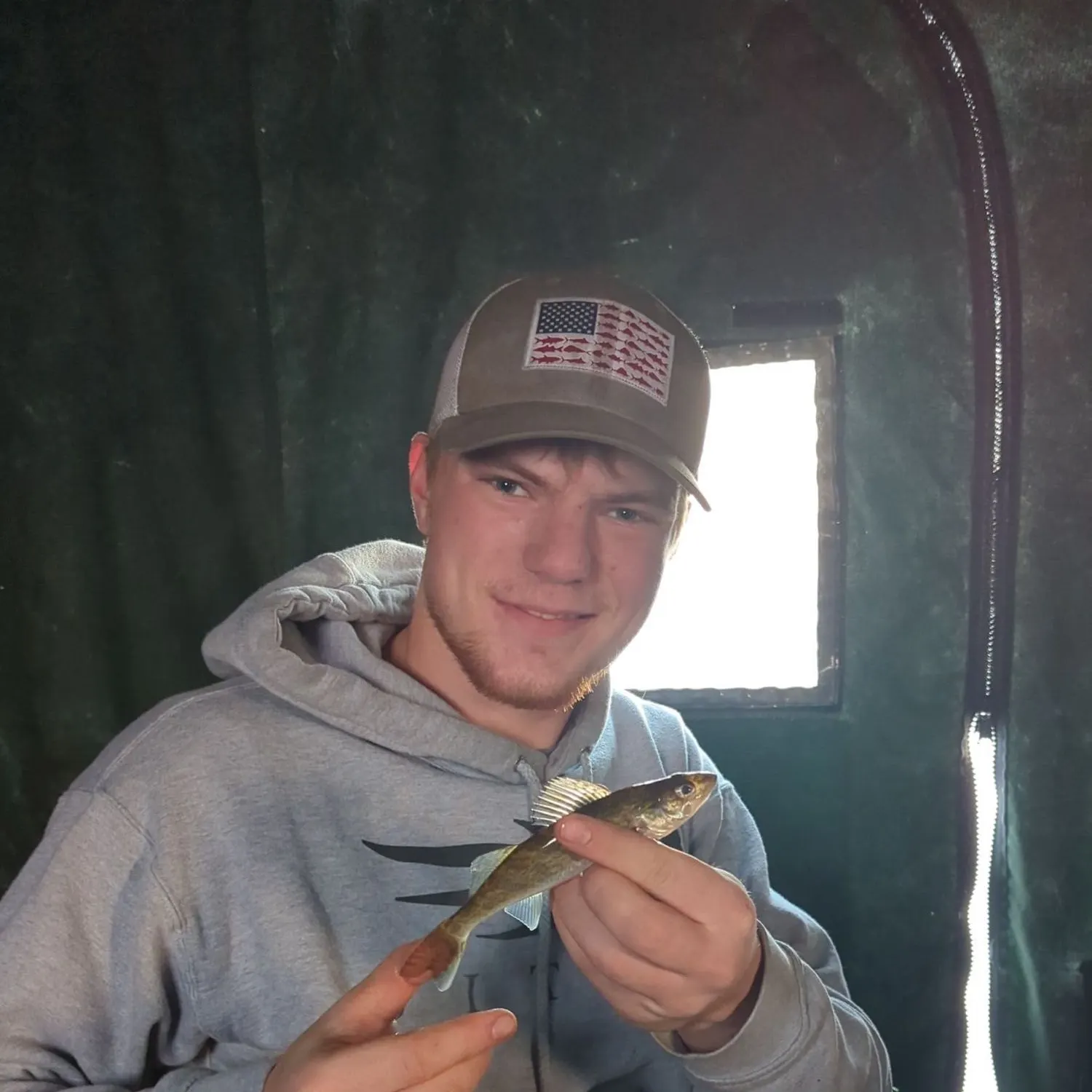

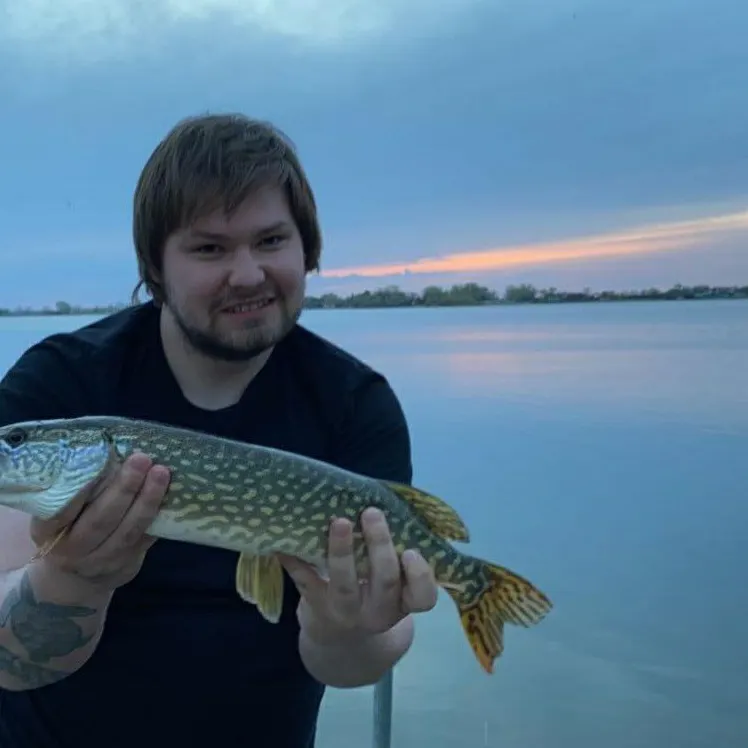


Continue browsing catches and catch locations in the Fishbrain app

When are Northern Pike biting on Cottonwood Lake?
Learn what time of year and day to go fishing at Cottonwood Lake. Download Fishbrain today to look for new fishing spots, scout new fishing access, or prep for your next trip.

Fishing regulations at Cottonwood Lake, SD
Disclaimer: Always check local fishing regulations, water access rights and land ownership before fishing, regardless of any catches logged in that area by the Fishbrain community. Fishbrain has mapped millions of acres of government-owned land across the USA to help you identify potential fishing access, but you are responsible for ensuring compliance with all legal requirements.
Fishing regulations in South Dakota can change throughout the year. Make sure to check this page before fishing for the most up to date rules and regulations for the current season. Local regulations govern when you can fish, the max size of the fish you can keep, how many fish you can keep, and more.
Regulations for top species
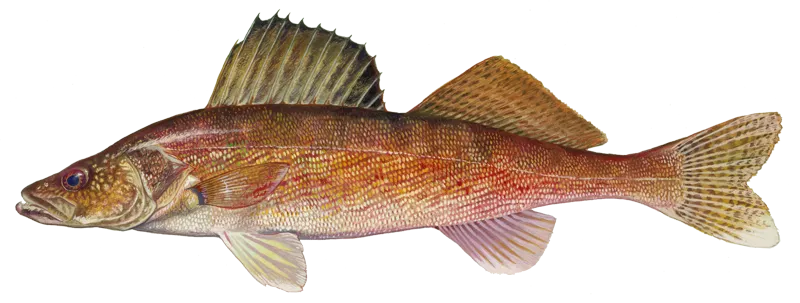
Walleye
Bag limit4
The maximum number of individual fish legally harvested per harvester per day. Bag limits are only for properly licensed anglers actively harvesting the species. People who are not actively harvesting or are not properly licensed (if a license is required) may NOT be counted for the purpose of bag limits.
Aggregate limit4
The maximum number of individual fish across an aggregate group of species legally harvested per harvester per day.
Memorable / trophy limits1 > 20
The maximum number of trophy individuals legally harvested per harvester per day. A trophy is any individual of a length greater than the max size limit. Trophy individuals are included in the daily bag limit unless stated otherwise.
Restrictions & requirements
Gigging
Harvest by gigging prohibited.
Snagging
Harvest of this species by snagging (snatch hooking) is prohibited.
Spears
Harvest of this species by "spearing" is prohibited. Spearing includes the catching or taking of a fish by bow hunting, gigging, spearfishing, or by any device used to capture a fish by piercing the body.
Additional information
Edibility
Synonyms
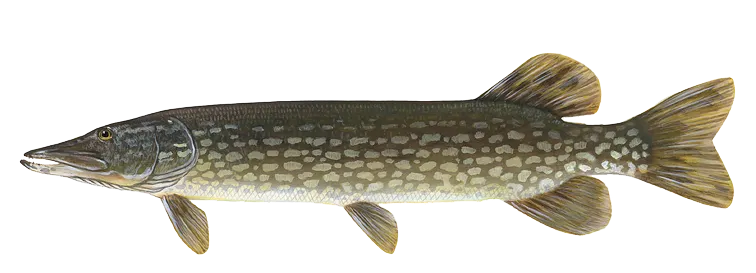
Northern pike
Bag limit6
The maximum number of individual fish legally harvested per harvester per day. Bag limits are only for properly licensed anglers actively harvesting the species. People who are not actively harvesting or are not properly licensed (if a license is required) may NOT be counted for the purpose of bag limits.
Restrictions & requirements
SD Felt Soles
External felt sole footwear including boots and waders may not be used in the waters of South Dakota. This type of waders or boots can be a pathway for transmission of aquatic invasive species as the absorbent felt material can trap sediment and organic material which may include didymo (rock snot) cells, disease spores or invertebrate larvae.
SD Game Fish
Game fish includes all species belonging to the paddlefish, salmon/trout (including splake, lake trout, lake herring and whitefish), sturgeon, pike, catfish (including bullheads), sunfish (including largemouth bass, smallmouth bass and crappies), perch (including walleye and sauger) and bass families (including white bass). Season dates, limits and restrictions are established for all game fish. The season is closed for all sturgeon species in SD inland and border waters.
SD Snagging
Intentional snagging of fish is prohibited, except for paddlefish and salmon during established seasons. Foul-hooked fish may be kept as part of the legal limit. Foul-hooked fish are those inadvertently snagged in body areas other than the mouth with conventional lures by anglers using normal fishing methods. Foul-hooked paddlefish may only be kept by anglers with paddlefish permits during the established paddlefish seasons.
SD Landing Aids
Landing nets, gaffs, and similar devices may be used to land fish, which are in the process of being caught by legal methods. Gaffs and other penetrating devices cannot be used to land snagged paddlefish.
SD Bait
The following fish species and their cleanings may not be used as bait in hook and line fishing: common carp, goldfish, gamefish, aquatic invasive fish.Anglers may not import live baitfish into South Dakota. It is illegal to empty receptacles containing bait into public waters. Bait may not be transported in water taken from a lake, pond, stream, or river. Species that may be used as bait by lawful anglers are: bullhead, lake herring, fathead minnow, white sucker, creek chub, flathead chub, western silvery minnow, plains minnow, golden shiner, emerald shiner, spottail shiner, gizzard shad, sunfish of the genus Lepomis (green sunfish, pumpkinseed, orange-spotted sunfish, bluegill, redear sunfish, Lepomis sunfish hybrids), tiger salamander (all subspecies), leopard frog (all subspecies), crayfish (all native species), freshwater shrimp and leeches. Live gizzard shad may not be transported away from the water in which they were taken. Bullhead and sunfish of the genus Lepomis (green sunfish, pumpkinseed, orange-spotted sunfish, bluegill, redear sunfish, Lepomis sunfish hybrids) may be used as bait by licensed anglers when taken by legal hook and line. Lake herring may be used as bait by licensed anglers when taken by hook and line, seines, lift nets, cast nets, and dip nets.
SD High Grading
High grading (culling) is the act of releasing fish that have been held in a livewell, on a stringer, or with other fish holding devices. High grading increases the likelihood of fish mortality due to extra fish handling and the presence of warm surface water in livewells and other fish holding devices. Anglers can help reduce unnecessary fish mortality by not high grading. Regulations restricting high grading do not prevent catch and release or selective harvest, but prohibit exchanging a fish held in possession with a recently-caught fish. High grading of Walleye is prohibited statewide, including border waters. High grading of all trout species is prohibited in the Black Hills Fish Management Area.
SD Hook and Line
A line is defined as a length of string or cord to which a hook or artificial lure is attached for the purpose of catching fish. Two lines may be used for open-water fishing whereas four lines may be used for fishing through the ice. Only two lines may be used in the South Dakota-Minnesota Border Waters year-round. A line may have three hooks per line year-round, including the South Dakota-Minnesota Border Waters. Only one end of each line may be equipped with hooks. An artificial lure constitutes one hook, regardless of the number of gang hooks attached. A legal bow and arrow, legal crossbow, legal spear, or legal speargun is to be counted as one line when anglers are using multiple lines.
SD Attended Lines
Each line used must be under the direct supervision and within the unaided observation of the legal user at all times.
Additional information
Synonyms
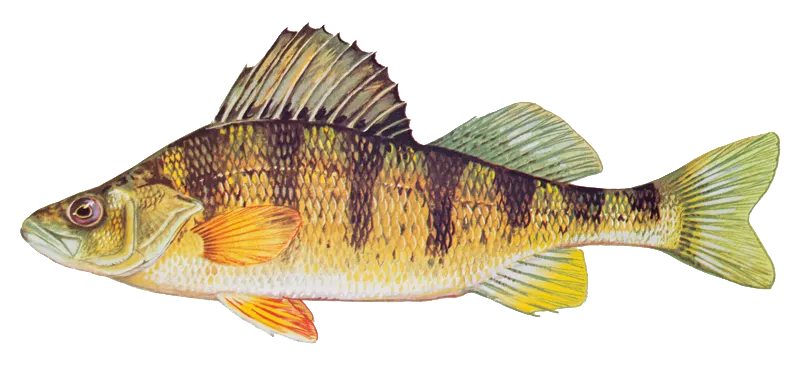
Yellow perch
Bag limit15
The maximum number of individual fish legally harvested per harvester per day. Bag limits are only for properly licensed anglers actively harvesting the species. People who are not actively harvesting or are not properly licensed (if a license is required) may NOT be counted for the purpose of bag limits.
Restrictions & requirements
SD Felt Soles
External felt sole footwear including boots and waders may not be used in the waters of South Dakota. This type of waders or boots can be a pathway for transmission of aquatic invasive species as the absorbent felt material can trap sediment and organic material which may include didymo (rock snot) cells, disease spores or invertebrate larvae.
SD Game Fish
Game fish includes all species belonging to the paddlefish, salmon/trout (including splake, lake trout, lake herring and whitefish), sturgeon, pike, catfish (including bullheads), sunfish (including largemouth bass, smallmouth bass and crappies), perch (including walleye and sauger) and bass families (including white bass). Season dates, limits and restrictions are established for all game fish. The season is closed for all sturgeon species in SD inland and border waters.
SD Snagging
Intentional snagging of fish is prohibited, except for paddlefish and salmon during established seasons. Foul-hooked fish may be kept as part of the legal limit. Foul-hooked fish are those inadvertently snagged in body areas other than the mouth with conventional lures by anglers using normal fishing methods. Foul-hooked paddlefish may only be kept by anglers with paddlefish permits during the established paddlefish seasons.
SD Landing Aids
Landing nets, gaffs, and similar devices may be used to land fish, which are in the process of being caught by legal methods. Gaffs and other penetrating devices cannot be used to land snagged paddlefish.
SD Bait
The following fish species and their cleanings may not be used as bait in hook and line fishing: common carp, goldfish, gamefish, aquatic invasive fish.Anglers may not import live baitfish into South Dakota. It is illegal to empty receptacles containing bait into public waters. Bait may not be transported in water taken from a lake, pond, stream, or river. Species that may be used as bait by lawful anglers are: bullhead, lake herring, fathead minnow, white sucker, creek chub, flathead chub, western silvery minnow, plains minnow, golden shiner, emerald shiner, spottail shiner, gizzard shad, sunfish of the genus Lepomis (green sunfish, pumpkinseed, orange-spotted sunfish, bluegill, redear sunfish, Lepomis sunfish hybrids), tiger salamander (all subspecies), leopard frog (all subspecies), crayfish (all native species), freshwater shrimp and leeches. Live gizzard shad may not be transported away from the water in which they were taken. Bullhead and sunfish of the genus Lepomis (green sunfish, pumpkinseed, orange-spotted sunfish, bluegill, redear sunfish, Lepomis sunfish hybrids) may be used as bait by licensed anglers when taken by legal hook and line. Lake herring may be used as bait by licensed anglers when taken by hook and line, seines, lift nets, cast nets, and dip nets.
SD Hook and Line
A line is defined as a length of string or cord to which a hook or artificial lure is attached for the purpose of catching fish. Two lines may be used for open-water fishing whereas four lines may be used for fishing through the ice. Only two lines may be used in the South Dakota-Minnesota Border Waters year-round. A line may have three hooks per line year-round, including the South Dakota-Minnesota Border Waters. Only one end of each line may be equipped with hooks. An artificial lure constitutes one hook, regardless of the number of gang hooks attached. A legal bow and arrow, legal crossbow, legal spear, or legal speargun is to be counted as one line when anglers are using multiple lines.
SD Attended Lines
Each line used must be under the direct supervision and within the unaided observation of the legal user at all times.
Additional information
Edibility
Synonyms
Free trial available