Map

Wolf Creek Estates

Fishing spots, fishing reports, and regulations in

Kansas, United States

37 catches

Top fish species at Wolf Creek Estates

App Section

Check which species have trophy potential in Wolf Creek Estates

Wolf Creek Estates fishing reports
Loading...

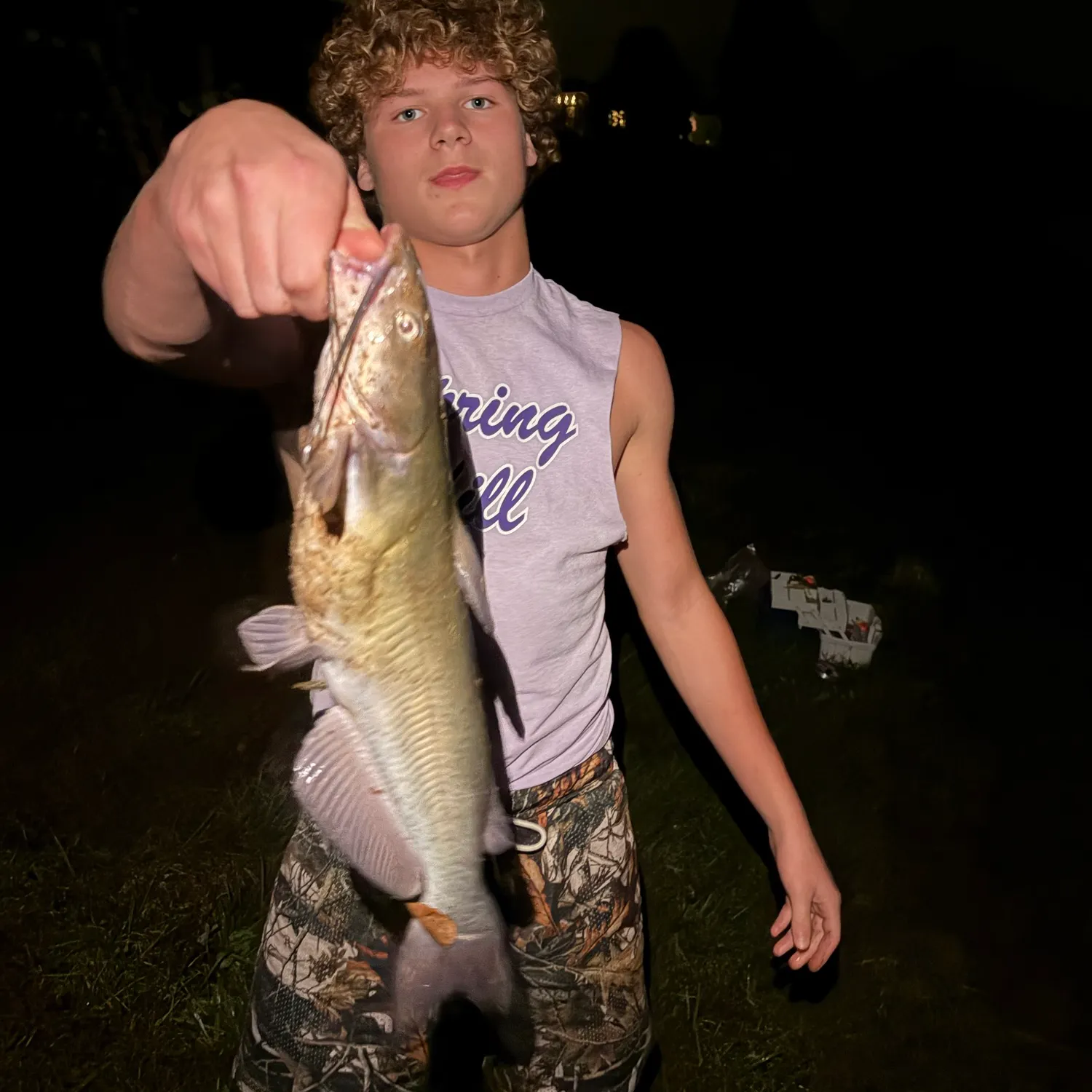
Channel catfish

length · weight

Loading...

18 in · 4 lb

Loading...

Channel catfish

25 in · 6 lb

Loading...

Channel catfish

21 in · 5 lb

Loading...

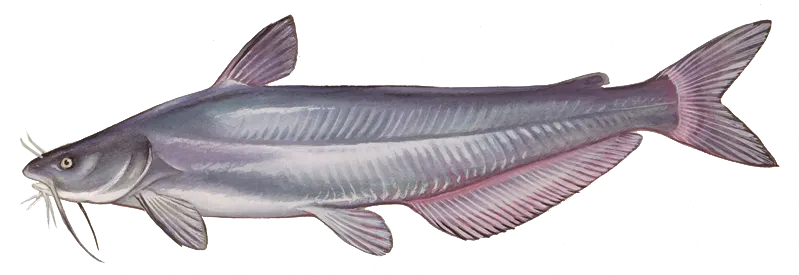
Blue catfish

15 in · 2 lb

Loading...

Blue catfish

20 in · 5 lb

Fishbrain
More catches in the app...

Continue browsing catches and catch locations in the Fishbrain app

Loading...
Loading...
Loading...

General info

Wolf Creek Estates is a water located in Johnson County, Kansas, United States. It is most popular for fishing Channel catfish, Blue catfish, and Largemouth bass.

Location

38°46′35.3″N 94°48′9″W
Directions

When are Largemouth Bass biting on Wolf Creek Estates?

Learn what time of year and day to go fishing at Wolf Creek Estates. Download Fishbrain today to look for new fishing spots, scout new fishing access, or prep for your next trip.

Bite time image

Fishing regulations at Wolf Creek Estates, KS

Disclaimer: Always check local fishing regulations, water access rights and land ownership before fishing, regardless of any catches logged in that area by the Fishbrain community. Fishbrain has mapped millions of acres of government-owned land across the USA to help you identify potential fishing access, but you are responsible for ensuring compliance with all legal requirements.

Fishing regulations in Kansas can change throughout the year. Make sure to check this page before fishing for the most up to date rules and regulations for the current season. Local regulations govern when you can fish, the max size of the fish you can keep, how many fish you can keep, and more.

Regulations for top species
Season open: year-round
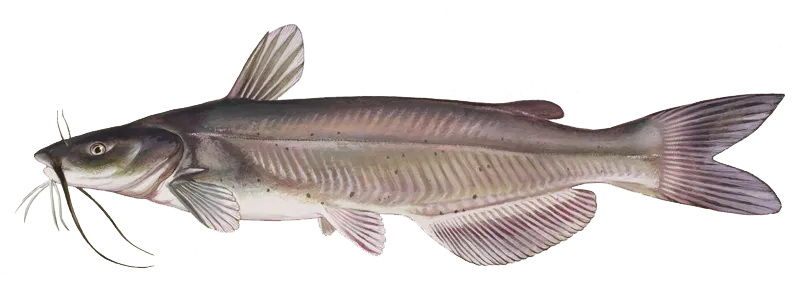
Channel catfish

Channel catfish

Regulation boundaryKansas State Waters
Bag limit10

The maximum number of individual fish legally harvested per harvester per day. Bag limits are only for properly licensed anglers actively harvesting the species. People who are not actively harvesting or are not properly licensed (if a license is required) may NOT be counted for the purpose of bag limits.

Restrictions & requirements

Snagging

Harvest of this species by snagging (snatch hooking) is prohibited.

Keep-Whole

Must remain in whole condition until landed ashore - head and tail must be intact.

Additional information
No size limit. No closed season.Statewide in Impounded WIFA Waters: 2 fish daily creel limit.For site-specific regulations that apply in specified reservoirs, state fishing lakes, and community lakes, see Northwest RegionNortheast RegionSouthwest RegionSouth Central RegionSoutheast Region
Edibility
Very good Catch, Clean, Cook Channel Catfish by BlueGabe
Synonyms
Ictalurus punctatus
Season open: year-round
Blue catfish

Blue catfish

Regulation boundaryKansas State Waters
Bag limit5

The maximum number of individual fish legally harvested per harvester per day. Bag limits are only for properly licensed anglers actively harvesting the species. People who are not actively harvesting or are not properly licensed (if a license is required) may NOT be counted for the purpose of bag limits.

Restrictions & requirements

Snagging

Harvest of this species by snagging (snatch hooking) is prohibited.

Keep-Whole

Must remain in whole condition until landed ashore - head and tail must be intact.

Additional information
No size limit. No closed season.Site-specific Exceptions: Bag limit = 10 blue catfish per person per dayCaney River and all its tributariesLittle Caney River and all its tributariesVerdigris River from Ok-KS line to Tronto Reservoir Dam and all tributaries including Elk River to Elk City Reservoir damFall River to Fall River Reservoir Dam and Big Hill Creek to Big Hill Reservoir DamNeosho River from OK-KS line to John Redmond Reservoir Dam and all tributaries including Labette creek to Parsons City Lake DamWolf Creek to Coffey County Lake DamArkansas River form OK-KS line to 21st Street North Dam (Witchita)Ninnescah River from confluence with Arkansas River to confluence with South Fork of Ninnescah RiverSouth Fork of Ninnescah River to Kingman Citny Lake DamFor site-specific regulations that apply in specified reservoirs, state fishing lakes, and community lakes, see Northwest RegionNortheast RegionSouthwest RegionSouth Central RegionSoutheast Region
Edibility
Very good
Synonyms
Ictalurus furcatus
Season open: year-round
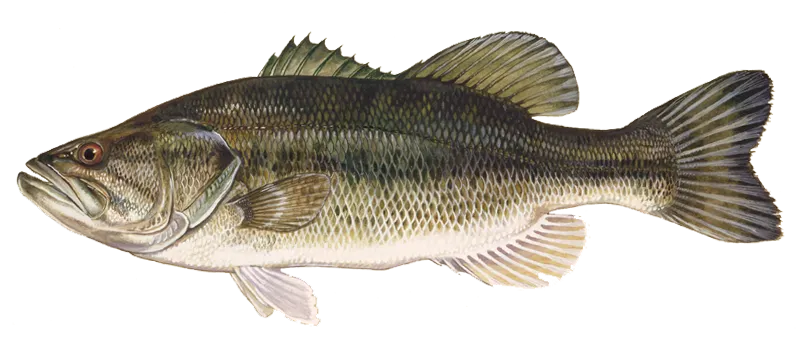
Largemouth bass

Largemouth bass

Regulation boundaryKansas State Waters
Bag limit5

The maximum number of individual fish legally harvested per harvester per day. Bag limits are only for properly licensed anglers actively harvesting the species. People who are not actively harvesting or are not properly licensed (if a license is required) may NOT be counted for the purpose of bag limits.

Min size15" (Total Length)

No person shall harvest any individual fish less than the minimum size limit.

Total length means the straight line distance from the most forward point of the head with the mouth closed, to the farthest tip of the tail with the tail compressed or squeezed, while the fish is lying on its side.

Aggregate limit5

The maximum number of individual fish across an aggregate group of species legally harvested per harvester per day.

Restrictions & requirements

Snagging

Harvest of this species by snagging (snatch hooking) is prohibited.

Keep-Whole

Must remain in whole condition until landed ashore - head and tail must be intact.

Additional information
No closed season.Statewide in Impounded WIFA Waters: 18-inch minimum length limit, 2 fish daily creel limit.For site-specific regulations that apply in specified reservoirs, state fishing lakes, and community lakes, see Northwest RegionNortheast RegionSouthwest RegionSouth Central RegionSoutheast Region
Edibility
Very good Catch, Clean, Cook Largemouth Bass by BlueGabe
Synonyms
Micropterus nigricans
License Icon
Local laws and licenses

Kansas fishing license

Get license

Cities nearby

Spring Hill

1.7 miles away

Gardner

7.4 miles away

Olathe

7.4 miles away

Hillsdale

8.6 miles away

Overland Park

9.8 miles away

Lenexa

12.7 miles away

Louisburg

12.7 miles away

Cleveland

12.9 miles away

Leawood

13.1 miles away

Belton

14.8 miles away

West Line

15.1 miles away

Wellsville

15.4 miles away

De Soto

15.6 miles away

Shawnee

16.5 miles away

Grandview

16.7 miles away

Prairie Village

17.1 miles away

Merriam

17.7 miles away

Raymore

18.6 miles away

Eudora

19.2 miles away

Freeman

19.3 miles away

Osawatomie

20.3 miles away

Baldwin City

20.8 miles away

Drexel

21.9 miles away

Rantoul

22.5 miles away

Anything missing or inaccurate?

Suggest changes to improve what we show.

Suggest changes

FAQ about Wolf Creek Estates fishing

📍 Where is Wolf Creek Estates located?
Wolf Creek Estates is a water located in Johnson County, Kansas, United States. Its coordinates are:
38°46′35.3″N 94°48′9″W
.
🎣 Where on Wolf Creek Estates is it best to fish?
Find the best fishing spots on Wolf Creek Estates by looking at where other anglers have caught fish. This can easily be done in the where it is also possible to see big fish potential and how good fishing is right now along with Garmin® depth maps.
🐟 What species are in Wolf Creek Estates?
The most common species in Wolf Creek Estates are:
📢 What are the latest Wolf Creek Estates fishing reports?
The latest Wolf Creek Estates fishing reports are:
🪪 Do I need a fishing license to fish at Wolf Creek Estates?

Fishing in Kansas requires a valid state fishing license for anglers. Resident and non-resident annual and short-term licenses are available online or at authorized retailers.

In Kansas, no fishing license is required for anglers under 16 or residents 75 and older. Residents 65 and older qualify for a discounted license. A few other exceptions worth knowing:

  • Free fishing days — most states designate 1–2 weekends a year where anyone can fish without a license

  • Tribal waters — tribal members fishing on tribal land operate under separate tribal regulations

  • Private ponds — landowners fishing their own water typically don't need a license

Non-residents usually pay more for a license than residents. Some species also require an extra stamp or endorsement on top of your base license.

Get license
App Section
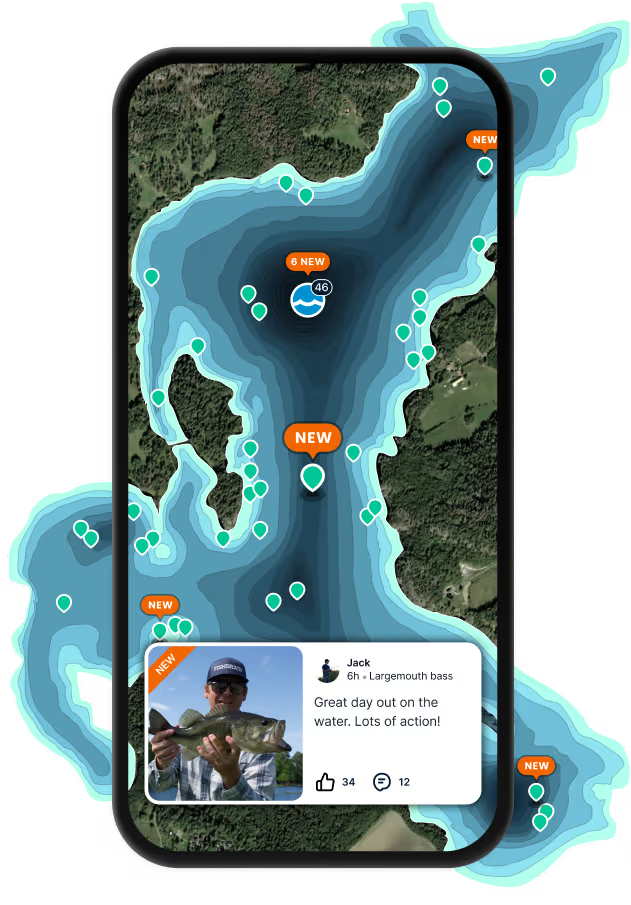
Download Fishbrain and fish smarter
Unlimited access to the best fishing spot finder in the game. Get all the fishing intel you need to start catching more, and bigger, fish.

Free trial available

Loading...
Loading...
Loading...
Loading...