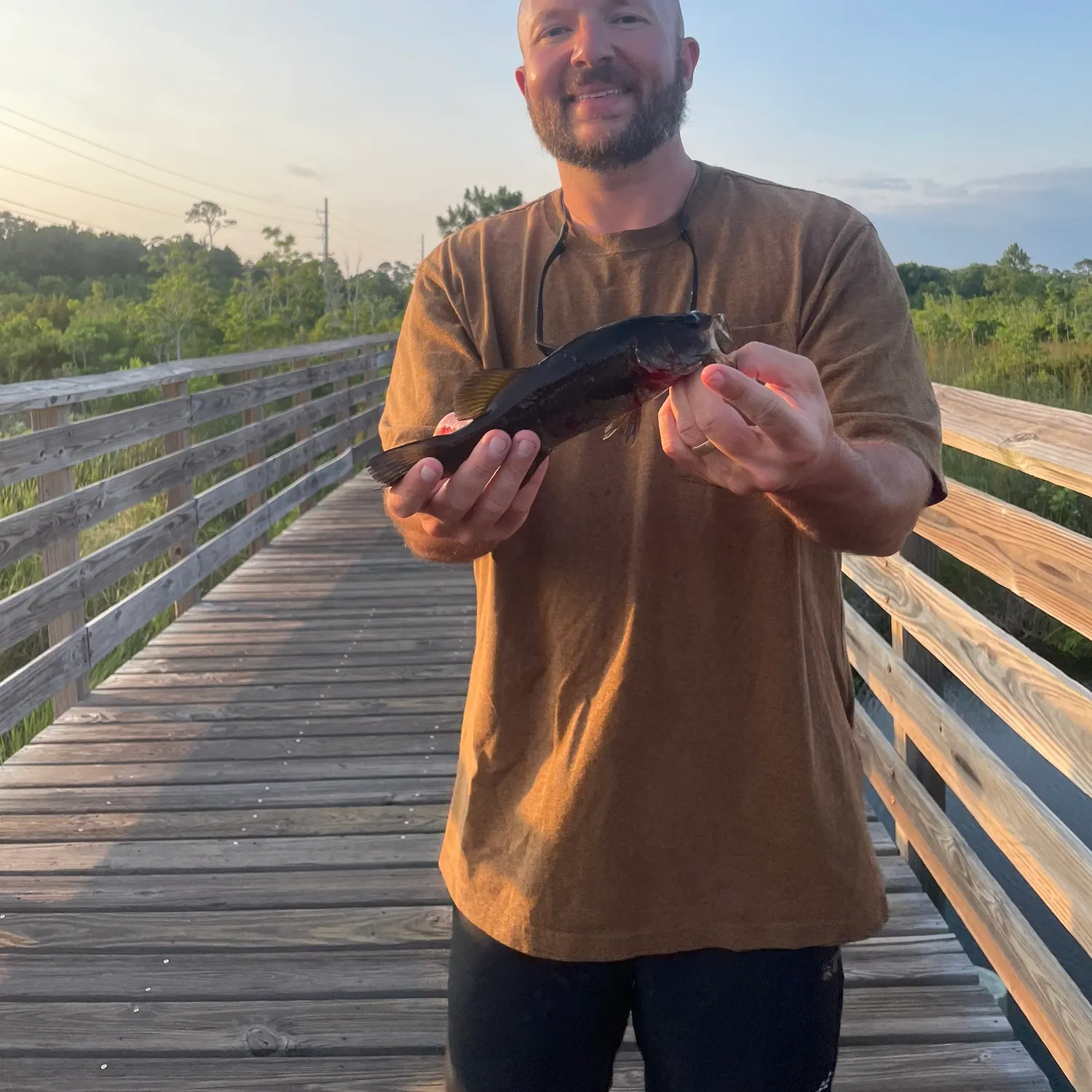
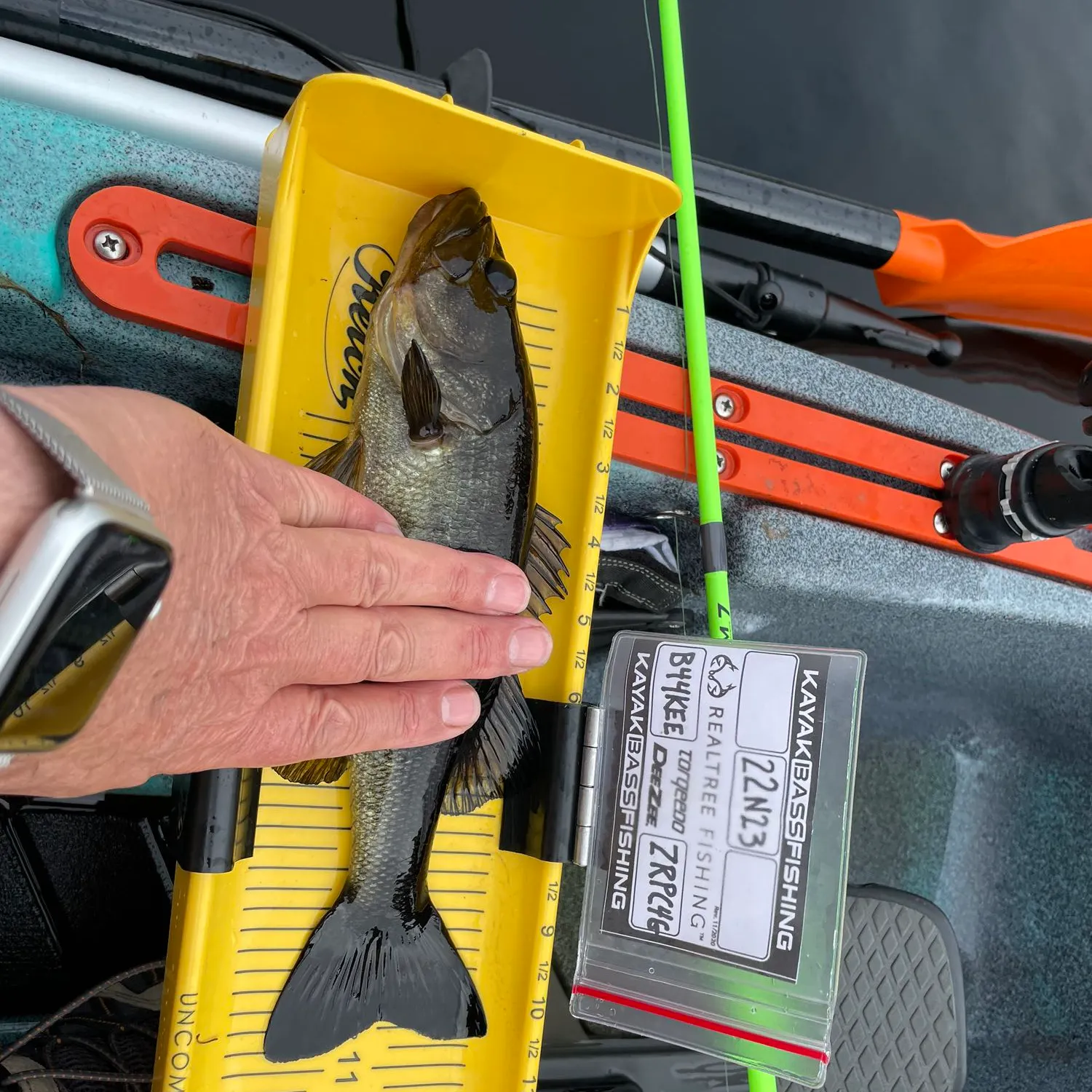
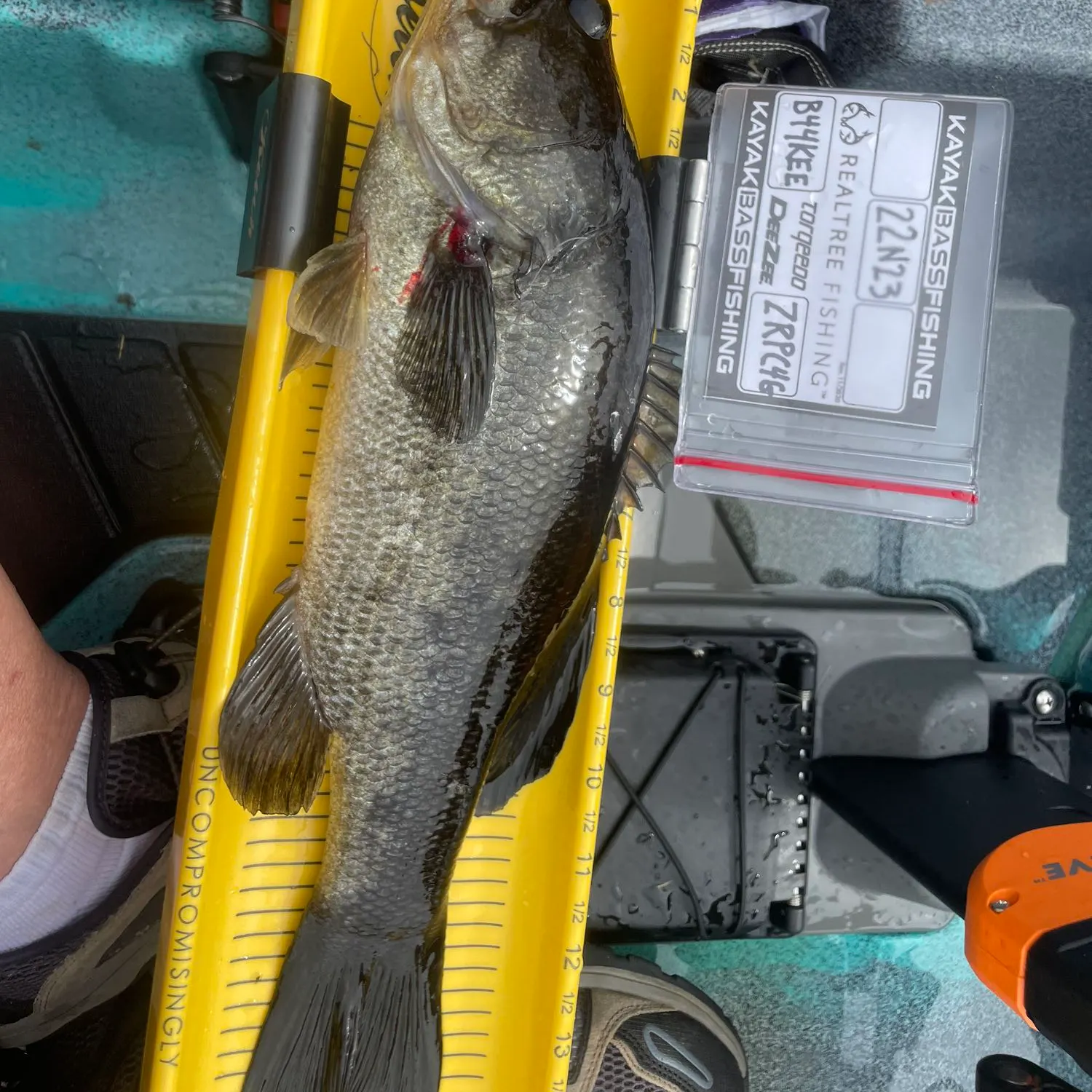
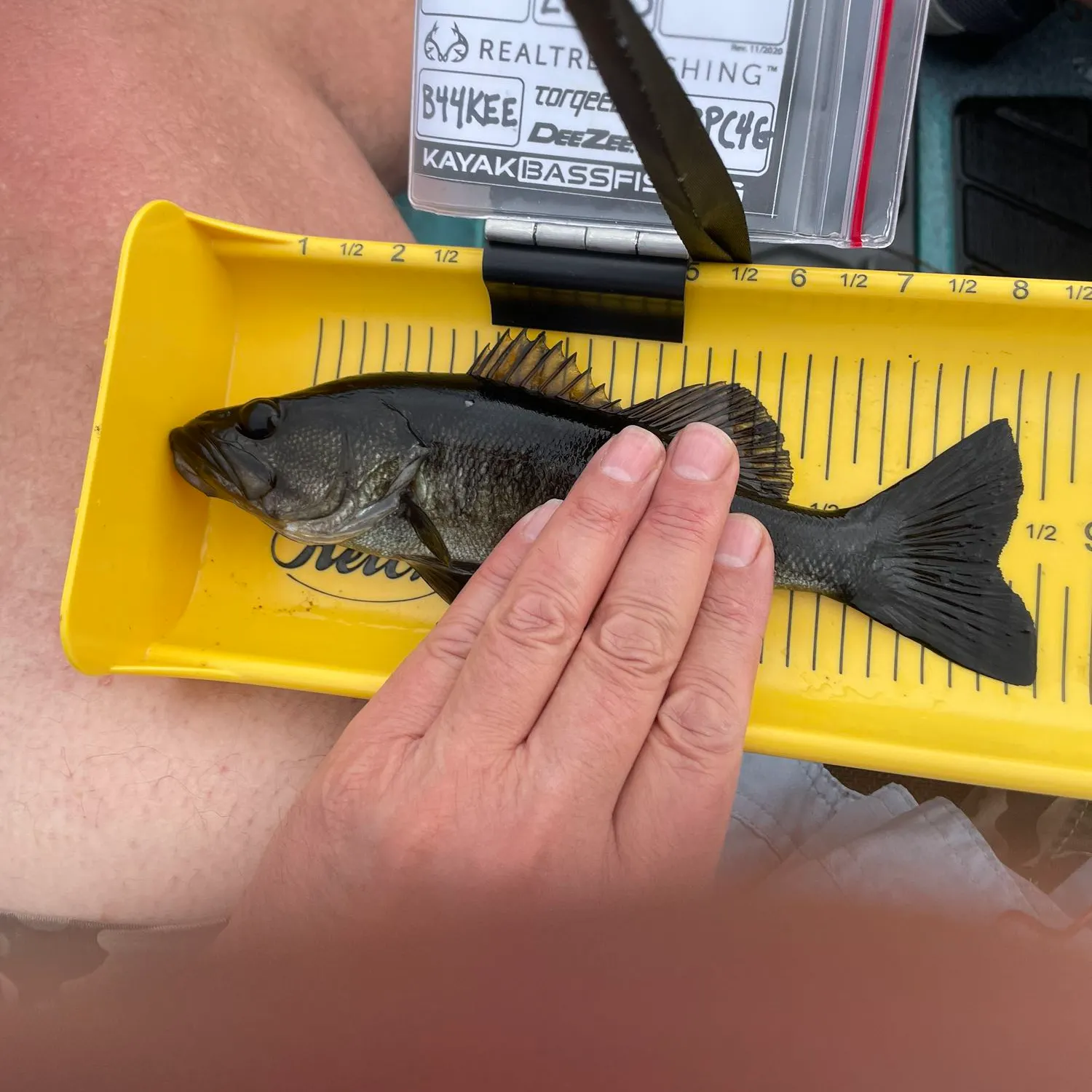
Logged catches

Check which species have trophy potential in Middle River
Scan the QR code to download the app!


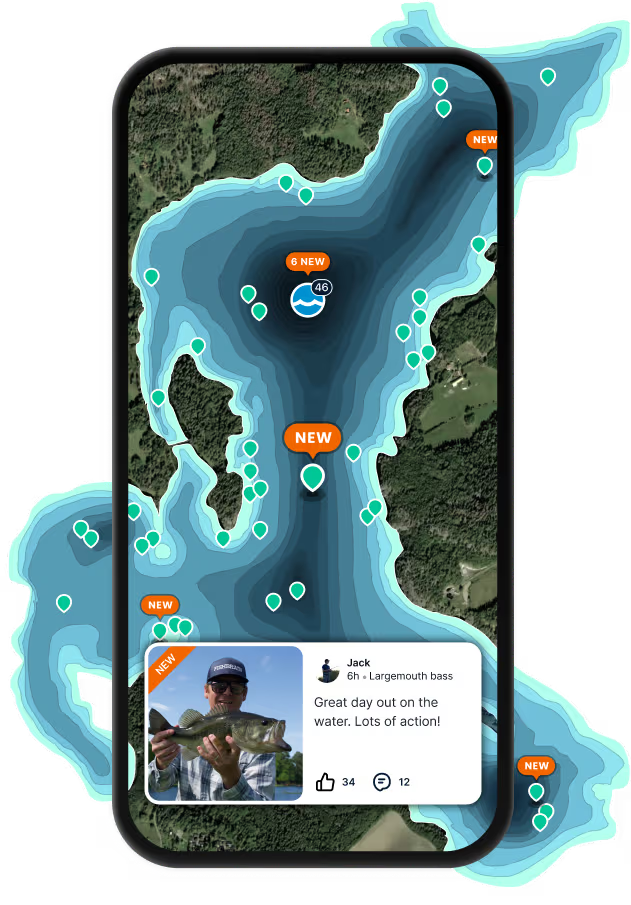
Continue browsing catches and catch locations in the Fishbrain app
Scan the QR code to download the app!
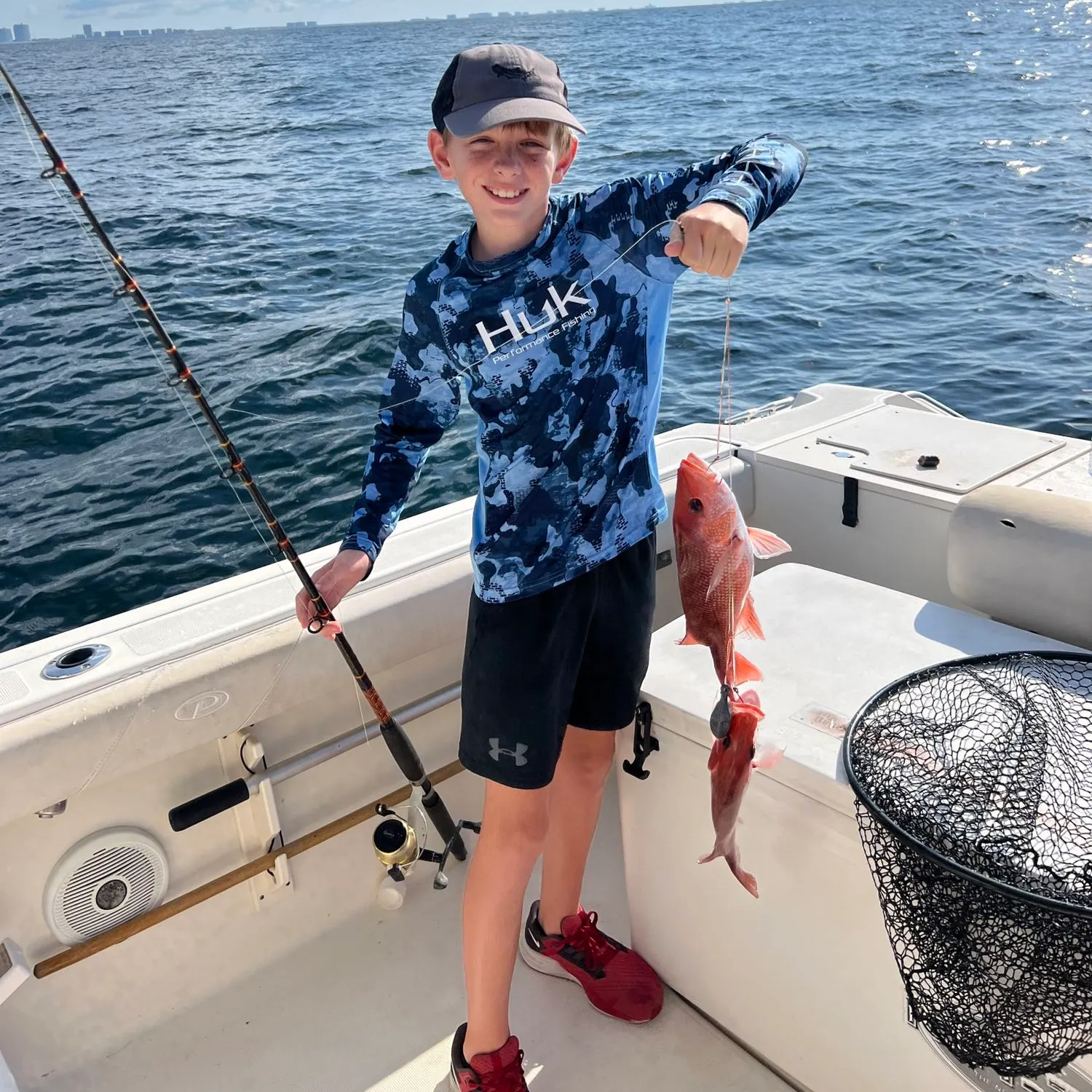
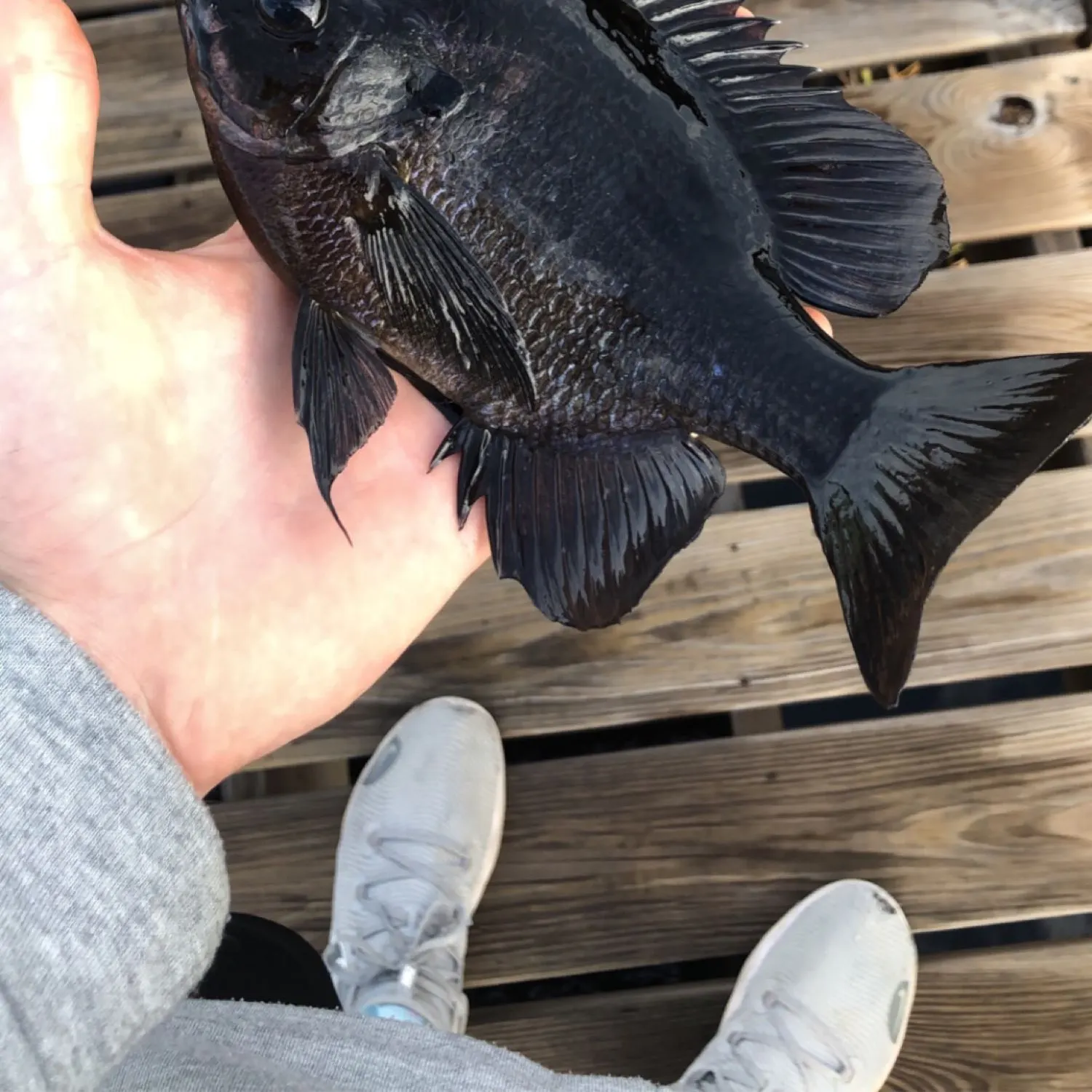
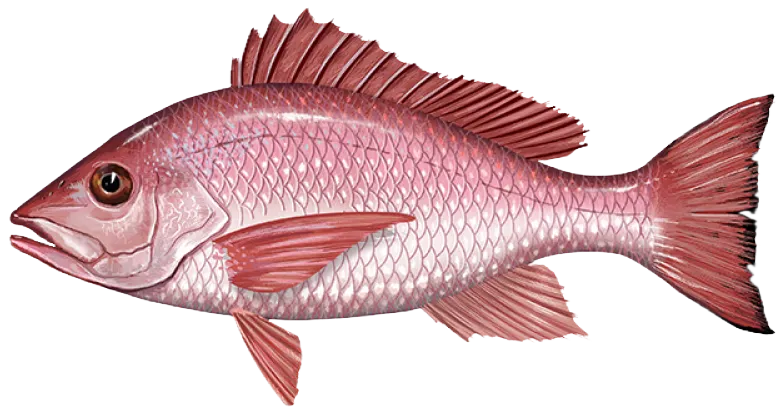
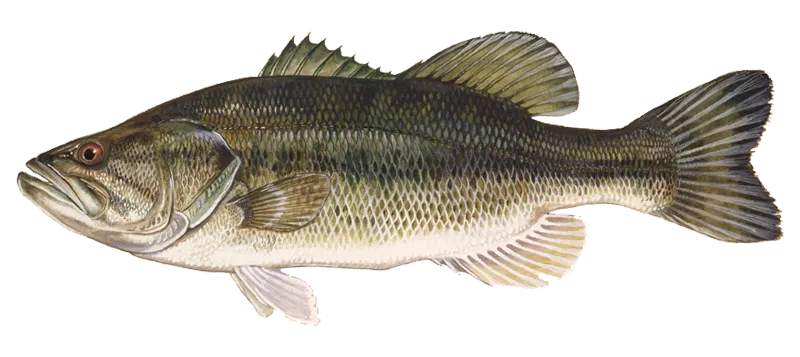
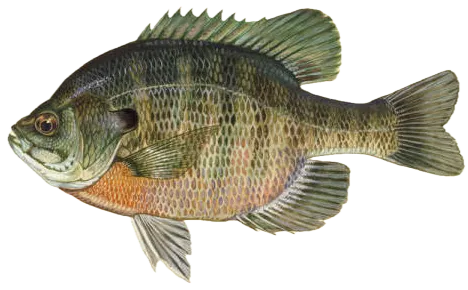
Middle River is a stream located in Baldwin County, Alabama, United States. It is most popular for fishing Northern red snapper, Largemouth bass, and Bluegill.
Learn what time of year and day to go fishing at Middle River. Download Fishbrain today to look for new fishing spots, scout new fishing access, or prep for your next trip.

Disclaimer: Always check local fishing regulations, water access rights and land ownership before fishing, regardless of any catches logged in that area by the Fishbrain community. Fishbrain has mapped millions of acres of government-owned land across the USA to help you identify potential fishing access, but you are responsible for ensuring compliance with all legal requirements.
Fishing regulations in Alabama can change throughout the year. Make sure to check this page before fishing for the most up to date rules and regulations for the current season. Local regulations govern when you can fish, the max size of the fish you can keep, how many fish you can keep, and more.
The maximum number of individual fish legally harvested per harvester per day. Bag limits are only for properly licensed anglers actively harvesting the species. People who are not actively harvesting or are not properly licensed (if a license is required) may NOT be counted for the purpose of bag limits.
No person shall harvest any individual fish less than the minimum size limit.
Total length means the straight line distance from the most forward point of the head with the mouth closed, to the farthest tip of the tail with the tail compressed or squeezed, while the fish is lying on its side.
Non-SS Circle Hook
Anglers must use non-stainless steel circle hooks when using natural bait.
Descending Device/Venting Tool
Anglers fishing for reef fish must have a venting tool or descending device rigged and ready to use. Take a short 15‑minute training to learn how to properly use required release gear and access it at a discounted price through returnemright.org.
Alabama state waters and federal waters will open to private and state-licensed charter vessel anglers for red snapper harvest on Friday, May 22, 2026. The season will be open 7 days a week until the end of the year or when Alabama's quota has been met. NOAA Fisheries has set the 2026 private angler quota for Alabama at 664,552 pounds. A season closure date will be announced when the 2026 quota is anticipated to be met.
*Remember to report your red snapper, gray triggerfish and greater amberjack harvest through Snapper Check. In addition to an Alabama saltwater fishing license or saltwater angler registry a Reef Fish Endorsement is also required to land reef fish in Alabama.
*Operators of vessels with an Alabama Commercial Party Boat License without federal for-hire permits must abide by the state season, possess an Alabama Gulf Reef Fish Endorsement for charter vessels and may only fish inside the 9-mile state waters line.
Click Here for the 2025 Red Snapper Landings Summary
The season for federally permitted for-hire reef fish vessels will open at 12:01 a.m., local time, on June 1, 2026, and will close at 12:01 a.m., local time, October 26, 2026.
The 2026 red snapper fishing season for vessels with a federal for-hire reef fish permit is 147 days in federal waters of the Gulf.
The maximum number of individual fish legally harvested per harvester per day. Bag limits are only for properly licensed anglers actively harvesting the species. People who are not actively harvesting or are not properly licensed (if a license is required) may NOT be counted for the purpose of bag limits.
The maximum number of individual fish across an aggregate group of species legally harvested per harvester per day.
Daily Creel Limit = 10 Largemouth Bass as part of the 10 Black Bass aggregate limit, which includes combinations of largemouth, smallmouth, spotted, Alabama, shoal and those species formerly known as "redeye" bass, which are now known separately as Coosa, Warrior, Cahaba, Tallapoosa and Chattahoochee bass, based on their respective drainages. The Alabama bass was formerly known as spotted bass in the Mobile drainage.
Guntersville Reservoir and Its Tributary of Town Creek: It is illegal to possess any largemouth or smallmouth bass less than 15 inches in total length.
Harris Reservoir: It is illegal to possess any largemouth bass between 13 inches and 16 inches in total length.
Lake Jackson at Florala: Creel limit of five black bass greater than 12 inches in total length. Only one of the five can be over 22 inches in total length.
Lewis Smith Reservoir: It is illegal to possess any black bass between 13 inches and 15 inches in total length.
Little Bear Creek Reservoir of the B.C.D.A. Lakes: It is illegal to possess largemouth bass between 13 inches and 16 inches in total length.
Pickwick Reservoir: It is illegal to possess any smallmouth bass or largemouth bass less than 15 inches in total length.
Walter F. George Reservoir (Lake Eufaula) and its Tributaries: It is illegal to possess any largemouth bass less than 14 inches in total length.
West Point Reservoir and its Tributaries: It is illegal to possess any largemouth bass less than 14 inches in total length.
Wilson Reservoir and Its Tributaries of Big Nance and Town Creeks: It is illegal to possess any smallmouth bass less than 15 inches in total length.
The maximum number of individual fish legally harvested per harvester per day. Bag limits are only for properly licensed anglers actively harvesting the species. People who are not actively harvesting or are not properly licensed (if a license is required) may NOT be counted for the purpose of bag limits.
No minimum size limit.
Daily bag limit is 50 bream per person. Bream includes the following species: Banded Sunfish, Bluegill, Bluespotted Sunfish, Dollar Sunfish, Flier, Green Sunfish, Longear Sunfish, Mud Sunfish, Orangespotted Sunfish, Redbreast Sunfish, Redear Sunfish, Redspotted Sunfish, Rock Bass, Shadow Bass, and/or Warmouth.
5 ratings
2.8 miles away
4.8 miles away
9.3 miles away
12.9 miles away
15.0 miles away
20.2 miles away
20.6 miles away
21.0 miles away
21.5 miles away
22.7 miles away
23.3 miles away
23.7 miles away
26.2 miles away
27.3 miles away
27.6 miles away
28.4 miles away
29.2 miles away
29.3 miles away
29.4 miles away
31.0 miles away
32.1 miles away
34.7 miles away
35.3 miles away
35.5 miles away
Suggest changes to improve what we show.
Fishing in Alabama requires a valid state fishing license for anglers. Licenses are available for residents and non-residents, with options for daily, annual, or multi-year permits, purchasable online or from authorized retailers.
In Alabama, no fishing license is required for anglers under 16 or residents 65 and older. A few other exceptions worth knowing:
Free fishing days — most states designate 1–2 weekends a year where anyone can fish without a license
Tribal waters — tribal members fishing on tribal land operate under separate tribal regulations
Private ponds — landowners fishing their own water typically don't need a license
Non-residents usually pay more for a license than residents. Some species also require an extra stamp or endorsement on top of your base license.
Get license
Free trial available