Top Florida exotics to target
Fishing for invasive species in Florida offers anglers an exciting way to protect native ecosystems while enjoying year-round action. From aggressive snakeheads to hard-fighting peacock bass and prolific tilapia, Florida’s waterways are full of non-native fish that provide both challenge and opportunity. In this guide, you’ll discover the best techniques, gear tips, and top locations for targeting invasive species, along with regulations and conservation insights. Whether you’re a seasoned angler or just getting started, learn how to turn your next fishing trip into an eco-friendly adventure in the Sunshine State.
Share this article
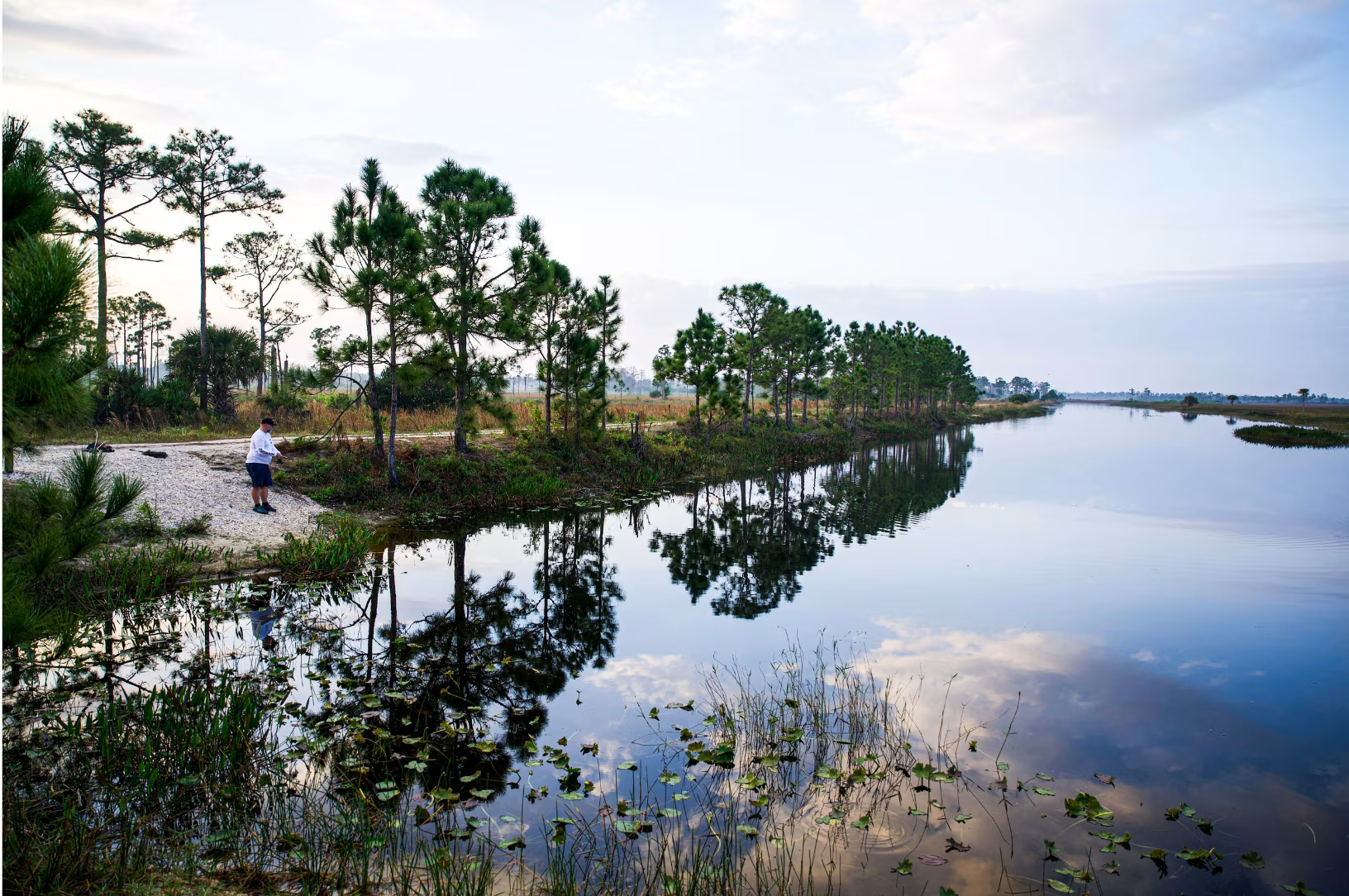
The Sunshine State is Graceland to those who prefer to spend their days with hands covered in bait and fish slime. The numerous chances to catch a once in a lifetime native fish in both fresh and saltwater make it a prime destination, but one of the best opportunities (unfortunately) is the invasive species bucket list. Florida is a hub for invasive species on the land and in the water, but the aquatic species provide an amazing opportunity for anglers who may not have the chance to globe trot with a fishing rod in hand.
We consulted our very own Florida man for his expert opinion on the best invasive fish species you should be targeting.
Snakehead
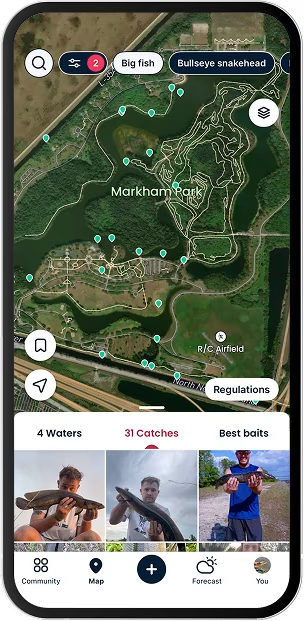
These aquatic monsters from Africa and Asia first started appearing in south Florida canals in the early 2000s. The species now has a strong foothold in the ponds and canals of Florida. Snakeheads are a ferocious striking fish, willing to take almost everything you throw at them from subsurface worms, to topwater frogs. They can live in any water, but prefer shallow, stagnant water with vegetation, making them readily found in south Florida’s many canal systems. They can also grow up to almost three feet and survive in incredibly low oxygen waters, or even on land for days as long as they stay wet. To top it all off, snakeheads are renowned for their table fare, which very well could be why they were introduced into Florida waters in the first place.
Clown knifefish
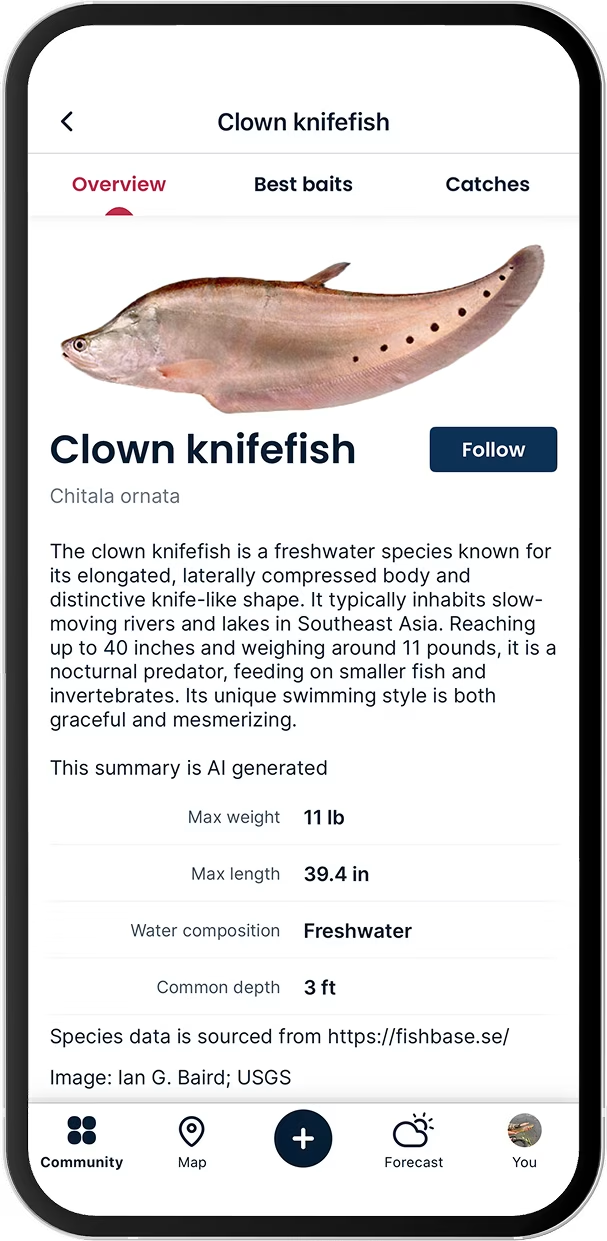
Another species brought in from Southeast Asia, the clown knifefish is an absolute one of a kind. Knifefish are unmistakable with their flat, silver body, tiny dorsal fin and black spots. The wriggling motion of the body is almost eel-like and makes the knifefish one of the few fish that can swim backwards.
These fish were first discovered in Florida in the 90s and it's still unclear how they arrived. Some theories have to do with the exotic aquarium trade and implementation as a subsistence fish. Knifefish are found in Lakes Osborne and Ida, as well as the canal systems surrounding them. Like snakeheads, they can survive in low oxygen, shallow waters. They can be found under overhanging trees, near docks, under bridges and around other structures. Lures that mimic small shrimp, tiny crawfish and baitfish should all work well. Shiners, shrimp, and whatever other live bait you can net also works.
Peacock bass
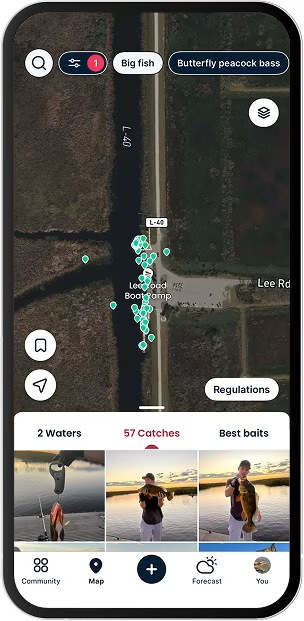
Arguably the most well known invasive species in Florida, the peacock bass hails from South America. These multi-colored usurpers of south Florida are aggressive hunters, sometimes hunting in schools. Peacocks were introduced to Florida in 1984 as a means to prey on other non native species. The peacock flourished and is now prevalent in south Florida canals and fresh waterways, but because of their intolerance to lower temperatures, they are confined to this region.
Peacocks tend to hunt in lowlight conditions, like dawn and dusk and attack with impressive speed. Spinners, chatterbaits, and most soft plastics mimicking baitfish should entice a hungry peacock on the prowl.
Lionfish
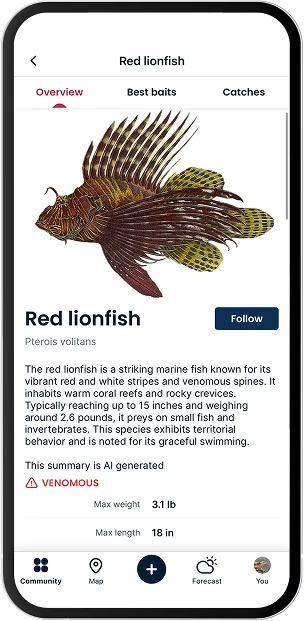
These spiny, venomous fish first appeared on the Florida coast back in 1985. No one is quite sure what led to their appearance, coming from the southern Caribbean, but it could be due to tropical storms, or it was intentional because of their excellent tasting meat. The species now has a firm foothold along the Florida coast and even up into North Carolina. These fish are highly damaging to the natural habitat and species in Florida and Florida Fish Wildlife and Conservation Commission encourages people to take as many of the fish out of the water whenever they can. Traditional hook and line fishing does not work well with these fish, however. The most effective method is with diving equipment (tanks, or free diving) and spear. Still, if you do end up hooking one as a bycatch, be cautious of the venomous spines and dispatch the fish quickly.
Mayan cichlid
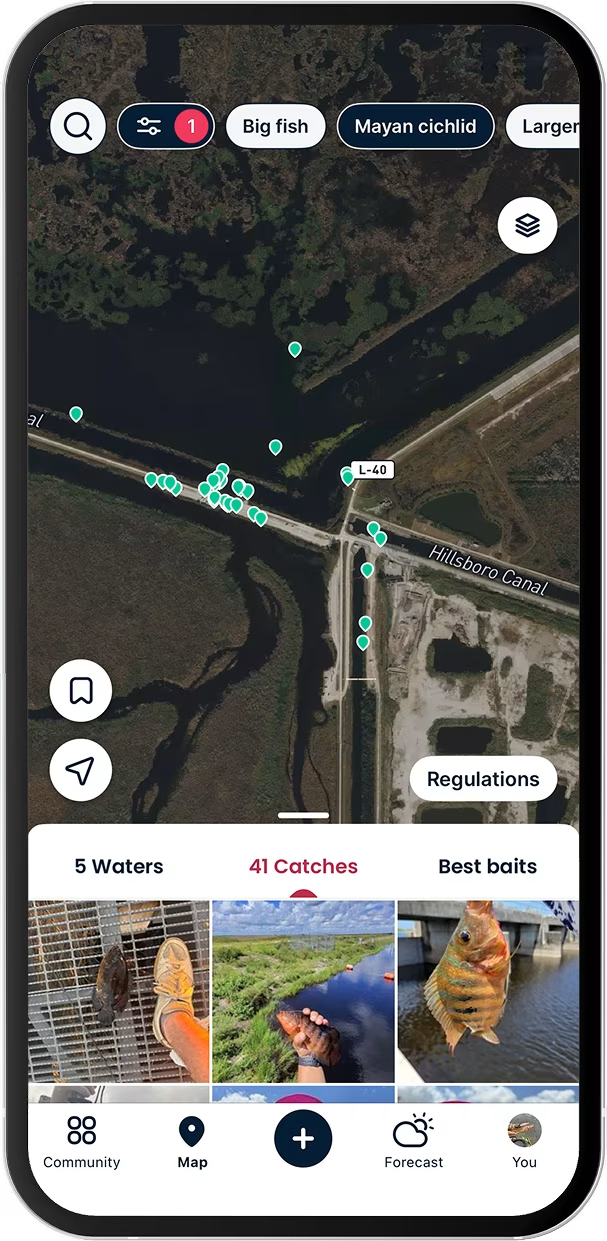
Cichlids are sometimes referred to as the atomic sunfish, which makes sense. They are a little bigger than a sunfish and similarly exhibit vibrant colors. These invasives hail from South America, were found in Florida in 1983 and are now readily found as far north as Lake Okeechobee. These cichlids can grow up to around 12 inches and are great for eating and have white, flaky meat. They eat just about anything a bluegill will, so you should focus on live bait and bobber rigs, small streamers, lures, like Panther Martins, or small shrimp imitations. Small hooks with small baits on light tackle are perfect for anybody from the experienced angler looking to catch something exotic, to the young novice looking to set their very first hook.
Others
Florida is such an exotic zoo, these species hardly represent the complete picture of exotics to chase. Amazonian redtail catfish, blue tilapia, multiple other species of cichlids and more species can be found within Florida’s wild interior. Now let's go fishing. If you haven't experienced the #1 fishing app worldwide, make sure to check out Fishbrain to see all the fish data, fishing spots, weather conditions you've been missing out on and much more.

Download the Fishbrain app and access the best fishing spots in your area
Related blog posts
If fish keep trailing your lure without ever committing, you're not alone, and it's rarely bad luck. This guide breaks down why fish follow instead of striking, plus the retrieve changes, lure swaps and hookset tricks that turn hesitant followers into solid bites. You'll also learn how to read what those follows are telling you about depth, mood and presentation, so you can adjust on the water instead of guessing.
Every fall, Florida's coast erupts as millions of mullet trigger a feeding frenzy. See why the mullet run is fishing's wildest spectacle.
Worn or old fishing line can cost you the catch. Learn how often to replace mono, fluorocarbon, and braid, plus how to store and dispose of line properly.