The best species to fish for in Victoria, Australia
Your guide to Victoria’s best fish to catch in rivers, lakes, and coastal waters. Learn prime species, fishing tips, and key regulations
Share this article
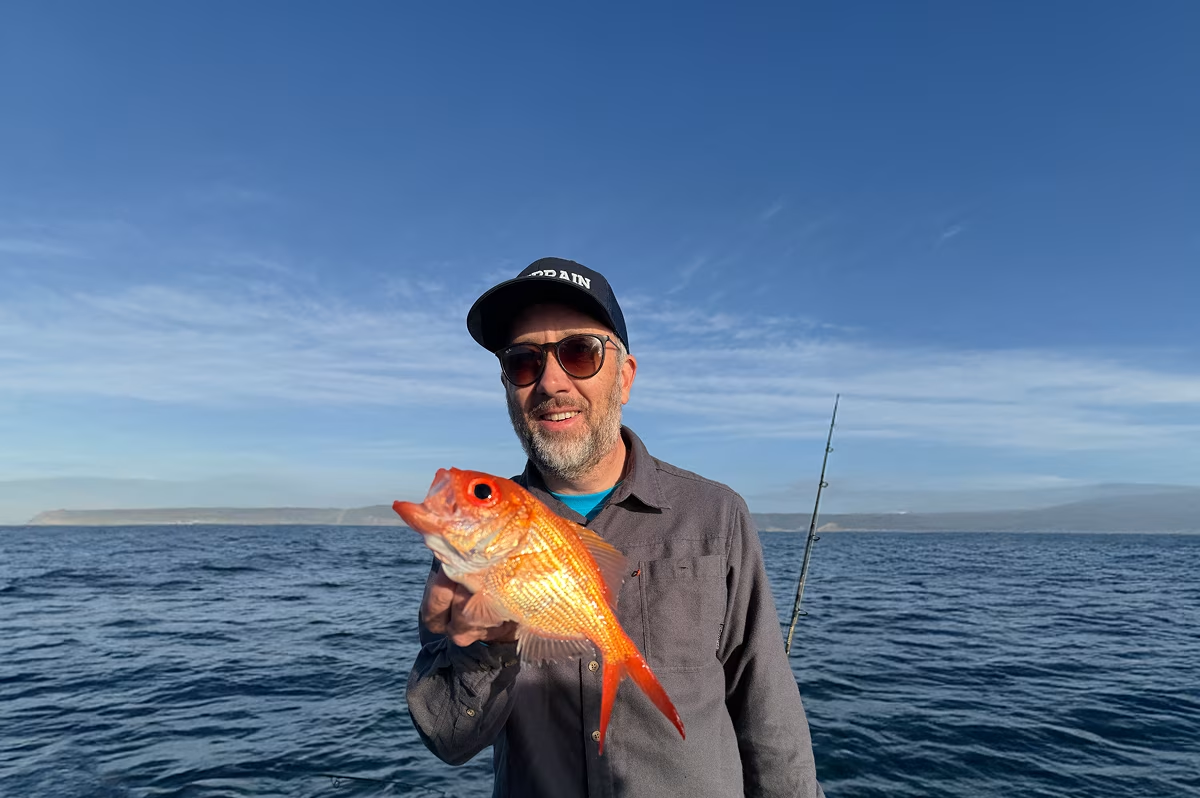
Australia’s southeast corner is where the mountain’s meet the ocean and the collision of geographic features makes for excellent fishing. The Australian Alps create a somewhat alpine climate for cold water fish and warm water lakes and ponds dot the landscape between the mountains and the Pacific. Each water ecosystem holds different varieties of fish, and plentiful options for anglers, new and experienced.
Saltwater
Black bream
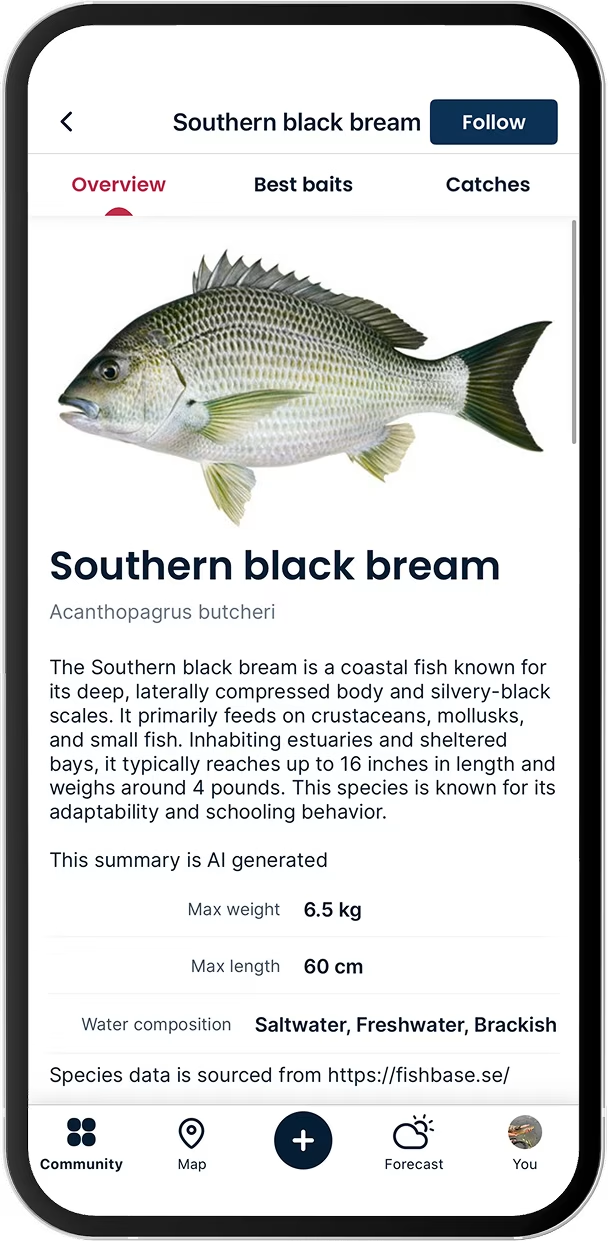
A southern Australian species found in slow moving estuaries. The name of the game with this fish is fast and finesse. These notoriously picky eaters can be spooked by heavy line so try sizing down your leder and go with light tackle.
Dusky flathead
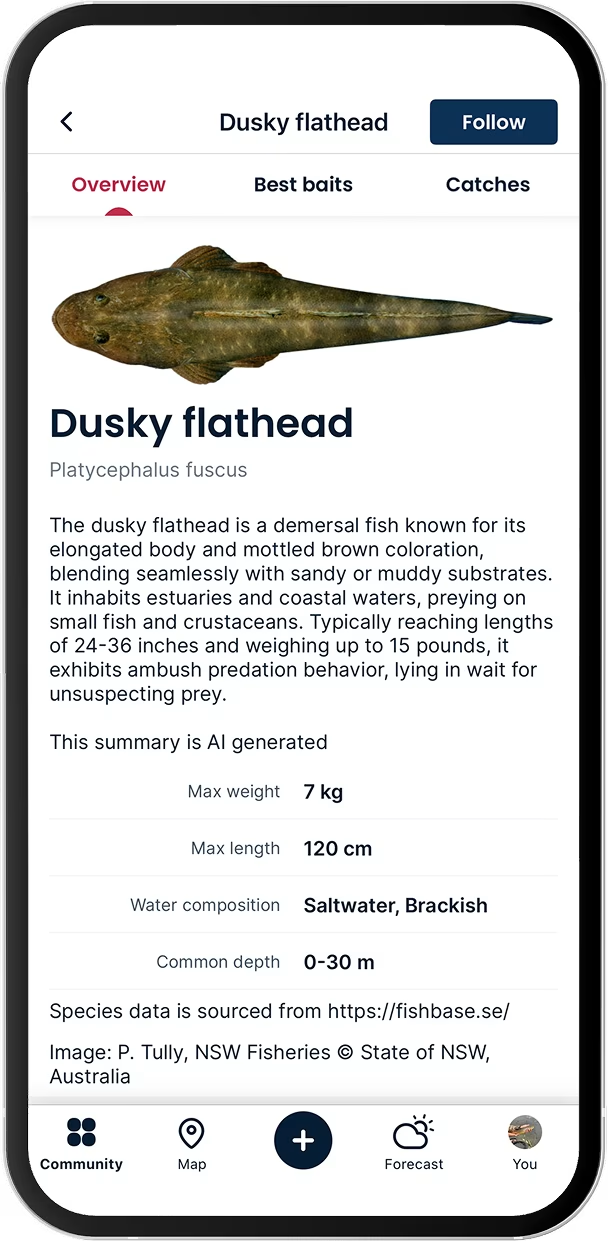
Like other flatfish, flatheads prefer sand, or mud bottoms as they use the cover to ambush mullet during the changing tides. These fish can also live in brackish water and are found up rivers as far as the salt will take them. Target duskies in the warm months like November through late March and remember the slot limit if you’re looking to catch and keep.
(Slot limit of 30-55 cm applies).
King George Whiting
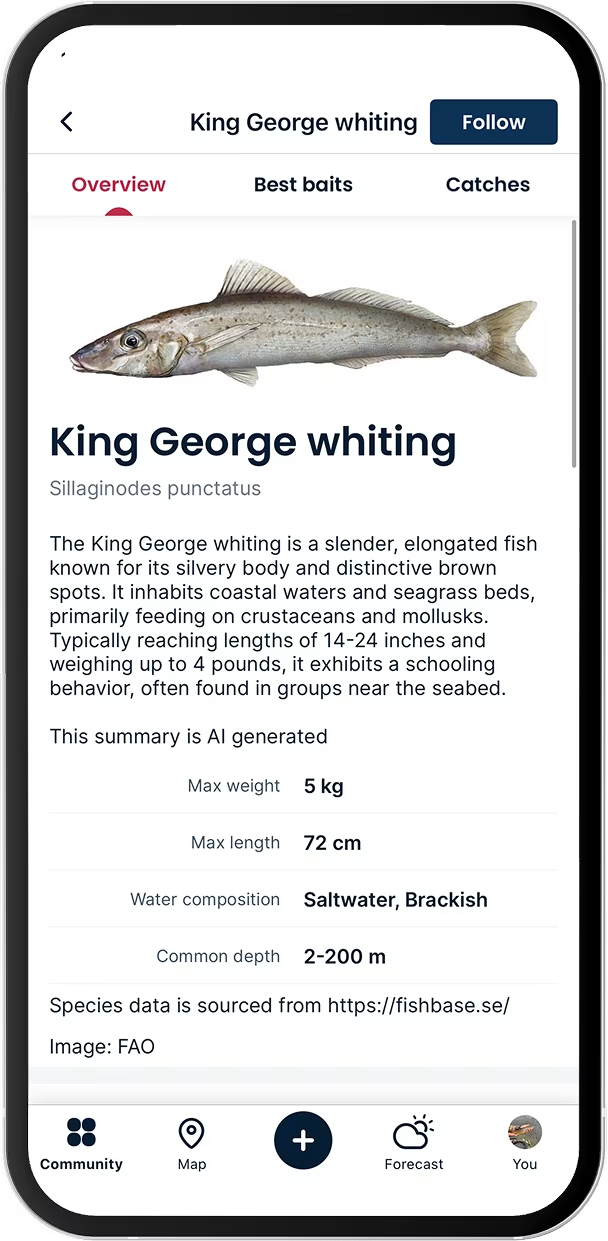
Whiting are caught year round in bays and estuaries from land, or watercraft, but the peak times are fall and summer. Whiting make for great eating after a long day of fishing. The name of this game is finding the schools first and you can start the game by targeting the edge of sand bottoms and weed patches.
27cm size limit
20 a day bag limit
Australian Salmon
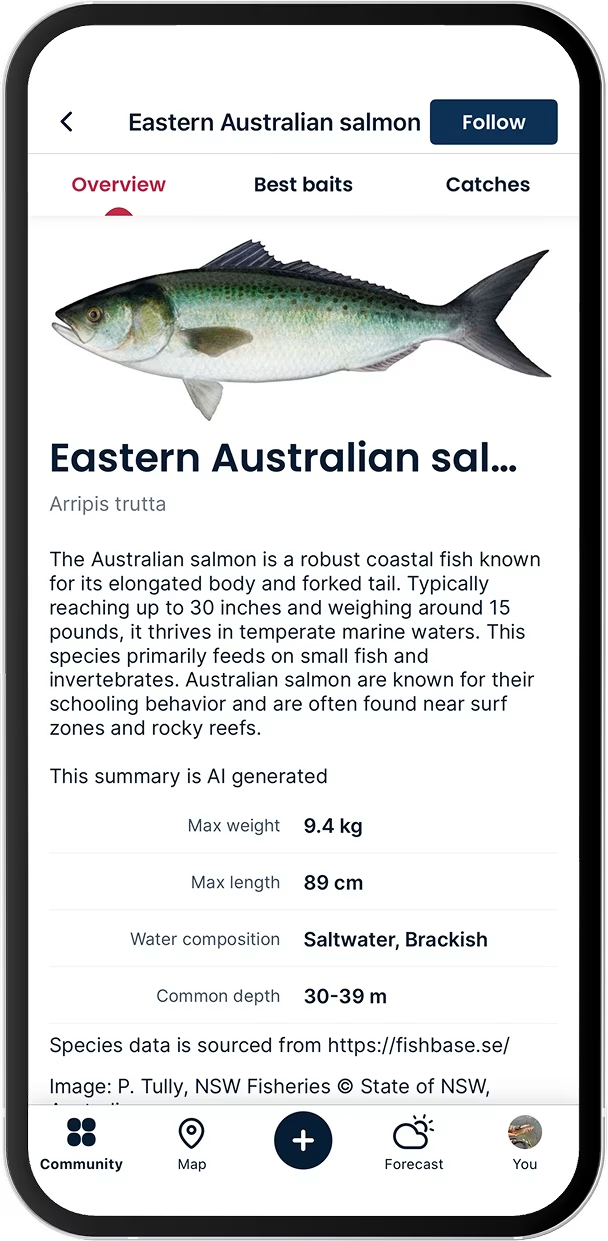
Possibly the most iconic sportfish in Australia, Aussie salmon are available from boats, kayaks and even surf fishing on the beach. Salmon tend to like trenches, or gutters, near strong surf as ambush spots for smaller baitfish. During their migration season in late fall and winter you can find larger schools of salmon moving up and down the coast lines.
Snapper
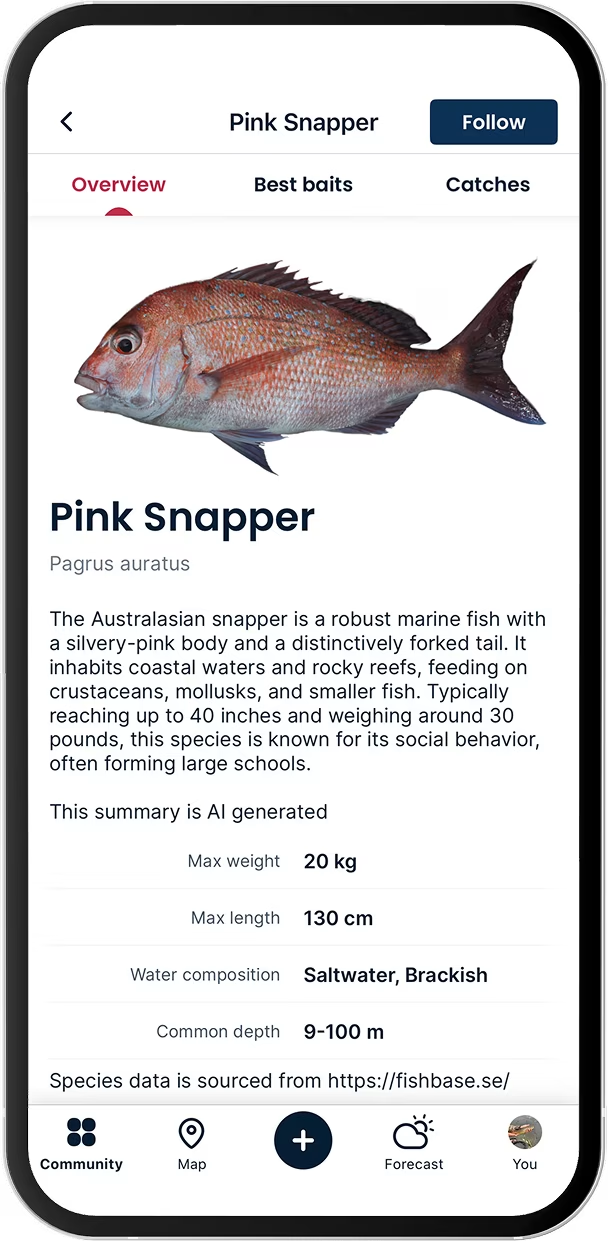
A widespread species that is sought after for its fight and for the fryer. Snapper love coastal structure of different kinds like old wrecks, rocky bottoms or even weeds. Winter is an excellent time to target snapper as they move closer to shore and become even more accessible.
Bag limit 10 fish. No more than 3 can be 40 cm or longer
Found in bay and coastal waters, especially structure or reefs.
Freshwater
Heading from the salt and into the freshwater, we start our look with arguably the most iconic freshwater sportfish in Australia. A fish many anglers have traveled around the world to set the hook on and cross off their bucket list.
Murray Cod
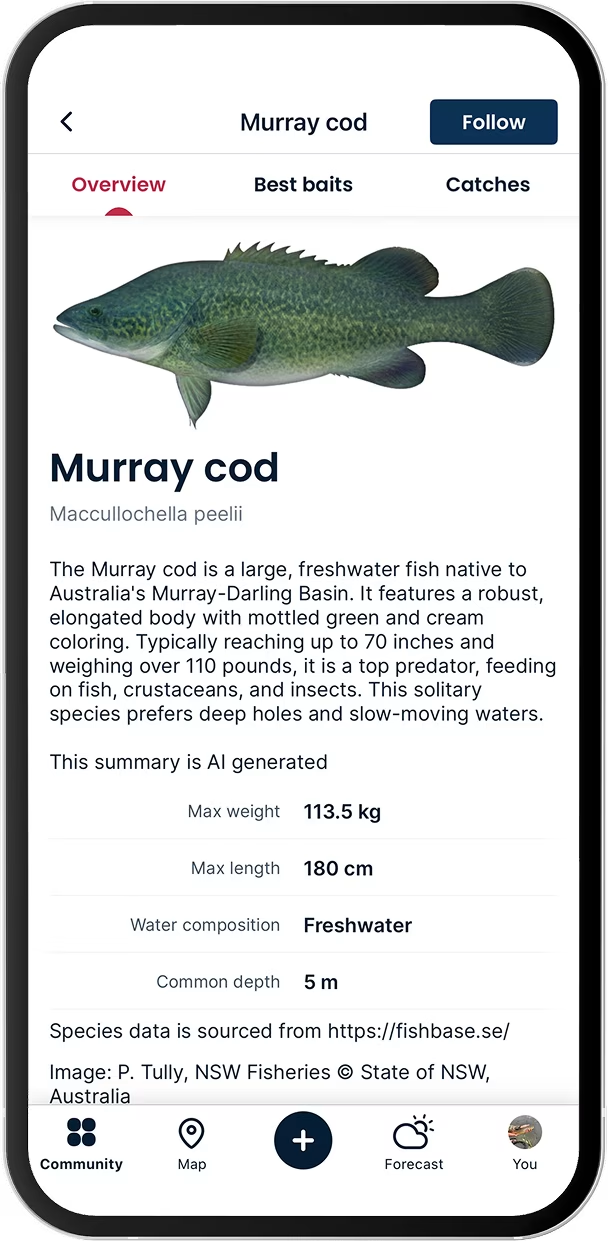
Murrays can be a true freshwater monster you can catch on lures, bait, or fly. These predatory fish are found in rivers and lakes. The key to finding a big cod is finding the structure they love to ambush prey in. Drop offs, sunken logs, large rocks and especially a combo of these.
Average size ranges from 55-65 cm (record is 1.8 meters)
Powerful, large predator; great on lures (surface lures, big plastics) or bait.
Golden Perch (Yellas)
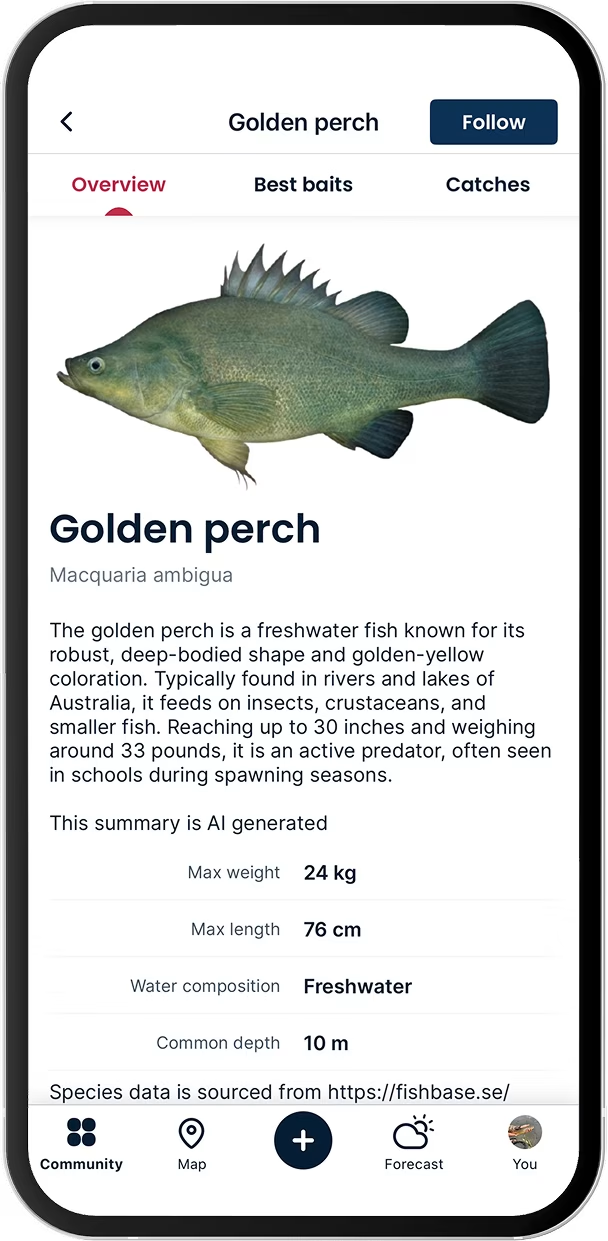
Goldens often play second fiddle Murrays, but should be high on the list for any angler. In the warm months of summer, these golden slabs can be a great alternative when the Murray fishing slows way down. During the hot months, try aerated water when you can, caused by pinch narrow points in rivers and bubbling around rocks, or other structures.
Search weed bays, rock points and submerged logs and trees.
Good fight, especially on lure or spinnerbaits.
Can get to weigh over 9 kg
Brown & Rainbow Trout
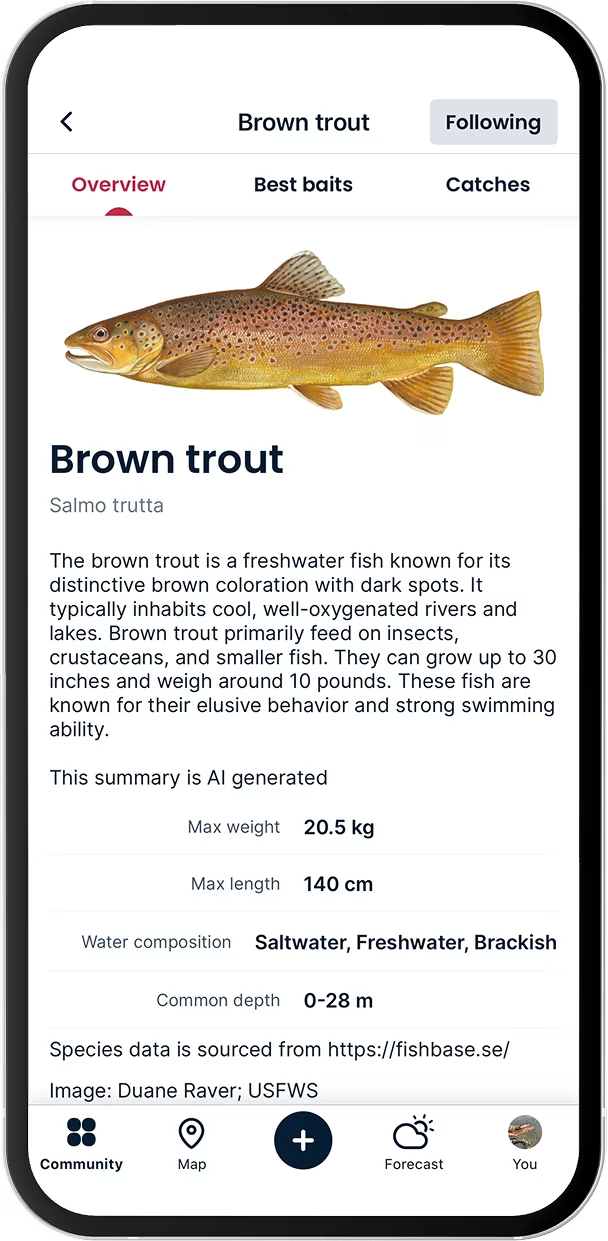
The coldwater kings and queens of the highland and mountain country. Prized by fly anglers, you can also target trout on lures in lowland lakes, or the highland creeks, rivers and lakes. Australian trout are non native, meaning they have few natural predators and can grow to incredible sizes.
Very popular in the high-country rivers and lakes.
Can be targeted with fly, bait, or spin depending on location and regulation.
Redfin Perch
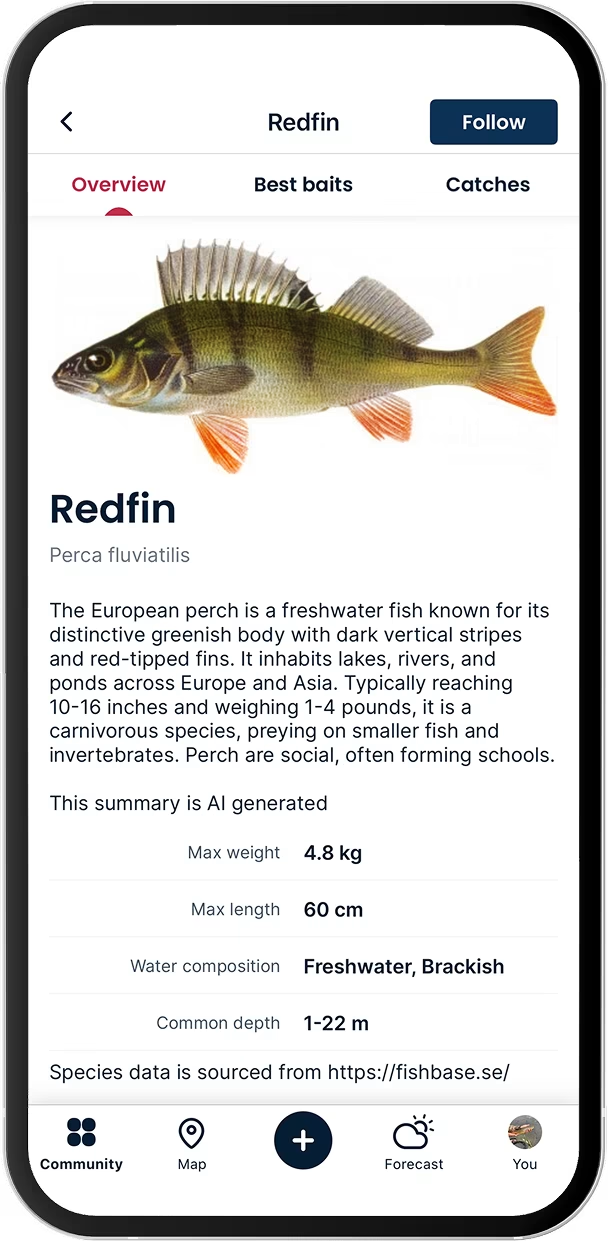
A widely found fish and perfect first catch for children and fishing newcomers alike. Redfins are found in lakes and ponds school up near docs, submerged brush, deeper weed beds, really any sort of structure they can hide in. Redfins are most easily caught with a simple work, but will take lures and flys for an added challenge.
Prolific in many lakes.
Takes lures and bait; relatively easy to catch; no bag limit in some areas.
Good for numbers rather than size.
River Blackfish
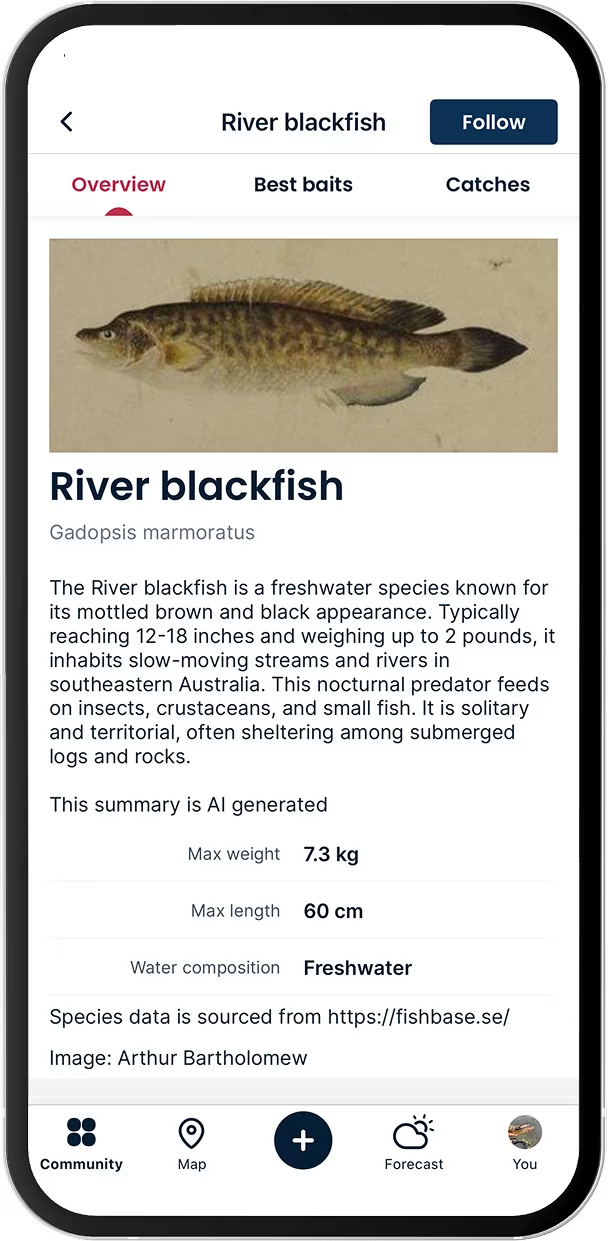
This sneaky predator likes to lay low and tight in brushy cover, or up along a cut bank. Blackies are identified by their mottled sides and (shocking) black hue to them. They are threatened in some areas so double check regulations, but overall they can be an excellent small water fish to go for.
Native species, found in streams and rivers in Victoria.
Sporting catch valued as a native-fish.
Check regulations as some areas are closed for blackfish
Honorable mentions
Mulloway
Bluespotted flathead
Pearl perch
Spanish and Spotted mackerel
Carp
Any fish really because we think fish are amazing.
Southeastern Australia is an angler's paradise. Whether you're focusing on all the ocean has to offer, or if you're exploring the cold waters of the mountains, be sure to take advantage of this unique landscape.
Remember, life can't be boring when you own a fishing rod.
Now let's go fishing.
If you haven't experienced the #1 fishing app worldwide, make sure and check out Fishbrain to see all the fish data, fishing spots, weather conditions you've been missing out on plus much more.

Download the Fishbrain app and access the best fishing spots in your area
Related blog posts
Get our best fall bass fishing tips, from finding baitfish to picking lures that work when the water cools. Fish smarter this fall.
Why do so many captains ban bananas from the boat? Dig into the history behind fishing’s strangest superstition, from sunken ships to hidden spiders.
If fish keep trailing your lure without ever committing, you're not alone, and it's rarely bad luck. This guide breaks down why fish follow instead of striking, plus the retrieve changes, lure swaps and hookset tricks that turn hesitant followers into solid bites. You'll also learn how to read what those follows are telling you about depth, mood and presentation, so you can adjust on the water instead of guessing.