Fishing warm water in cold weather
Learn how fish adapt as water temperatures cool from autumn to winter, including changes in behavior, metabolism, and habitat that help them survive.
Share this article
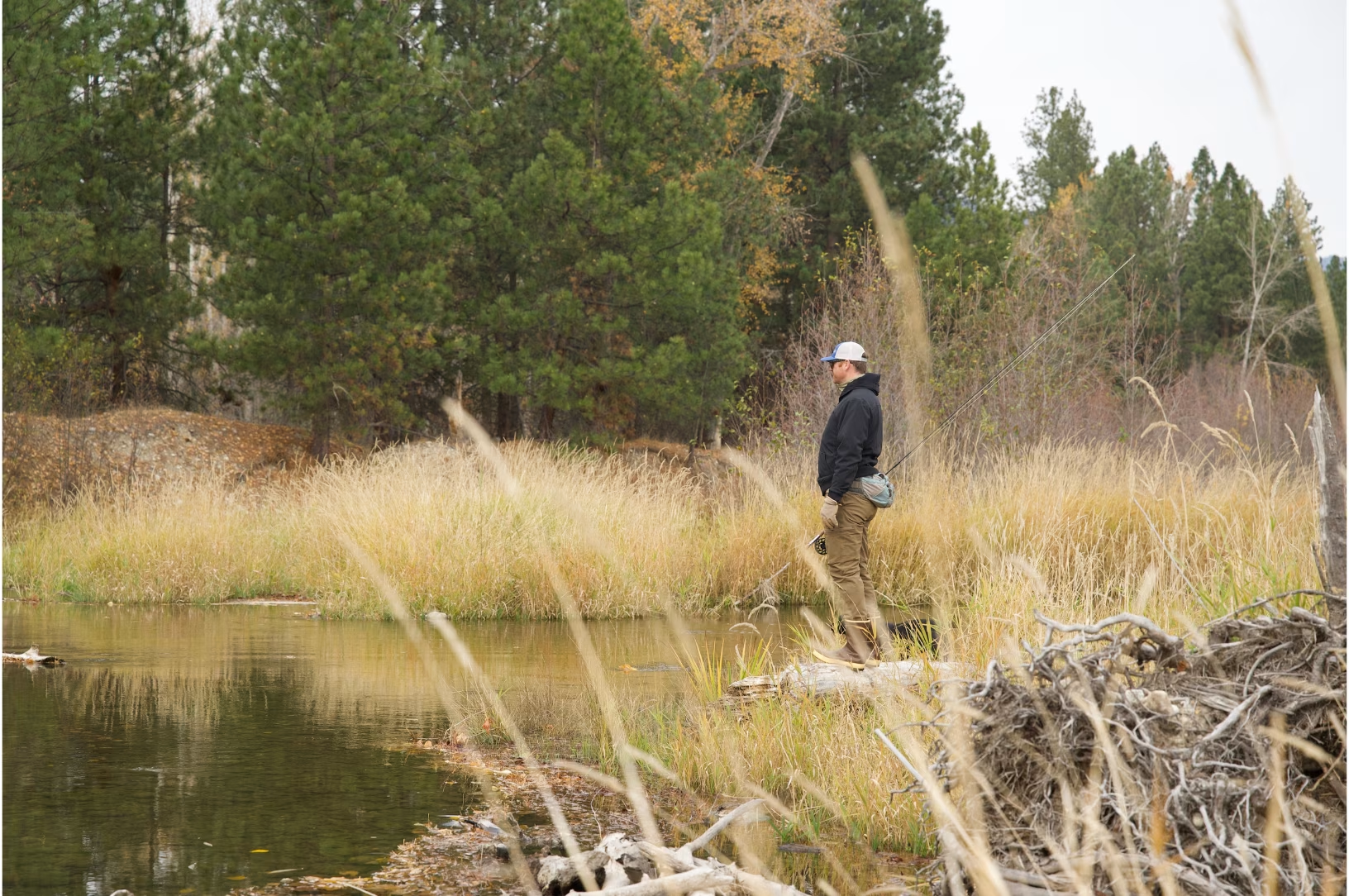
Old man winter is dipping his toe into our favorite waters, changing the fishing profile and changing fish behavior once again. Knowing where fish tend to go when the temps drop isn't all that difficult, but knowing what is driving them into these spots and understanding the forces that affect their behavior change is trickier, and it might just make you an even better angler.
When the water temp drops
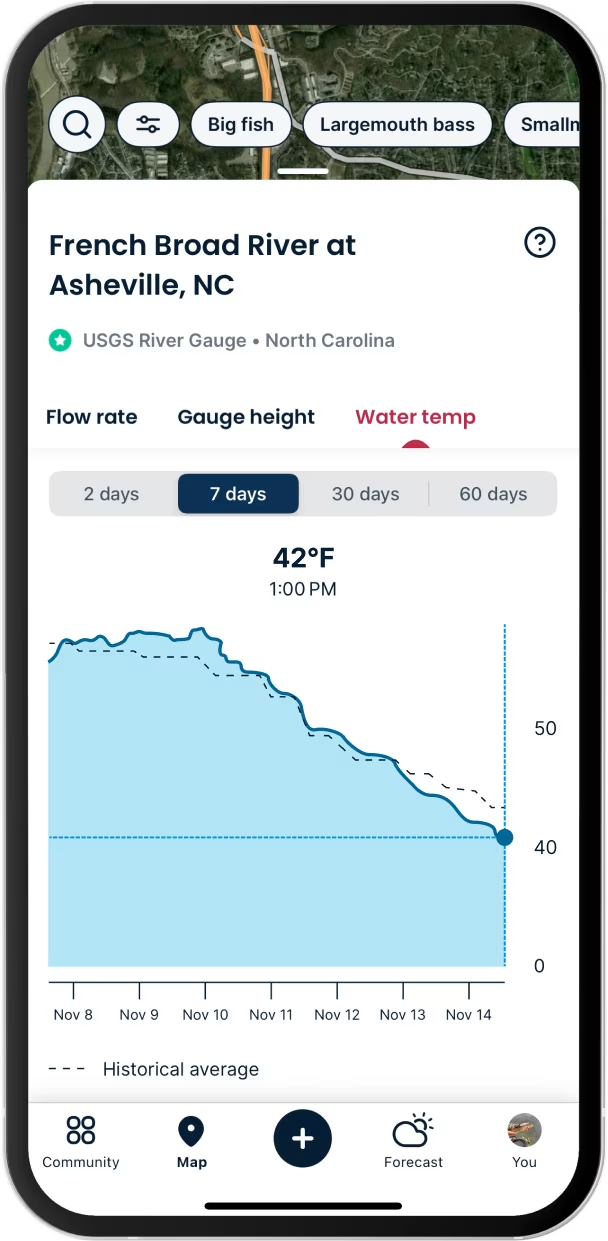
Whether you’re in Florida, or Minnesota, you’re going to deal with cooling water temps. Many species will handle the change in a few similar ways.
All fish are exothermic animals, meaning their ability to warm and cool themselves is based solely on their environment. Fish are therefore forced to follow the warmest water just for survival. When winter truly sets in, many freshwater species, and some salt, will slow their metabolism down, eating less and moving less as a means to conserve energy and fat.
Fish may all react to cooling water, but they do not all react the exact same way, however. Certain species that can live in the same body of water, have different thresholds before going dormant.
Where/How the fish respond
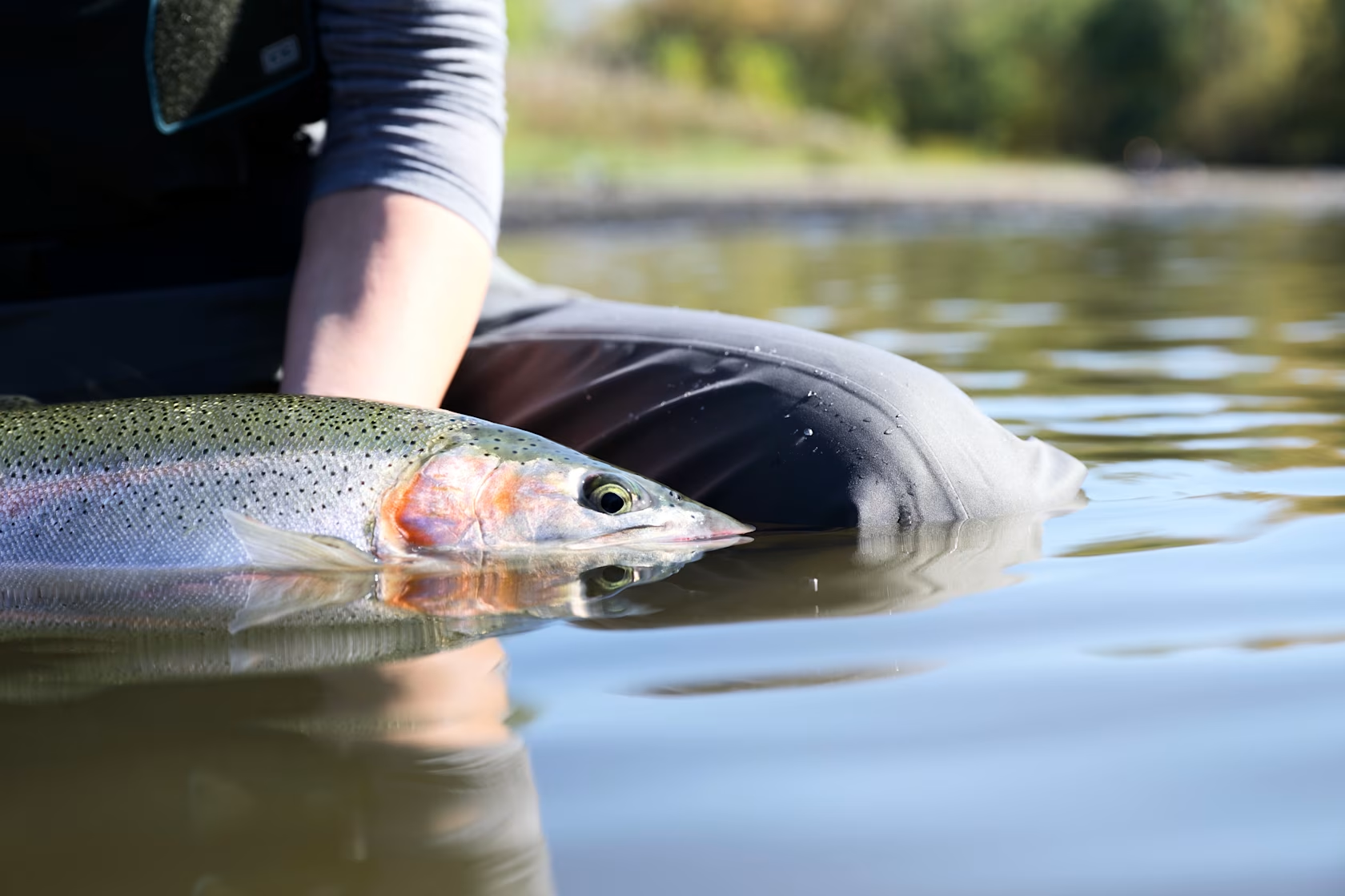
Fish are not all created equal and some species threshold will affect them sooner than others.
According to Fishbrain’s own fish biologist, Ryan Hearn, details depend on the species and the climate. A trout in Montana for example is built for big seasonal swings and colder water, so winter mostly means shorter, more selective feeding windows in deep, slow pools. A snook or tarpon in south Florida, on the other hand, cannot handle the same kind of temperature drop that a trout shrugs off.
Trout and pike thrive in comparatively colder temps and will continue to be active feeders significantly longer than say a sunfish, crappie, or bass.
Crappie, bass and sunfish start stalling in mid 50s water temperature and they slow down even more dramatically when temps land in the 40s.
Pike on the other hand absolutely thrive in mid 50’s temperatures. Pike don't start truly slowing down until winter temperatures start getting into the mid 40s. Trout, like pike, are a cold water species which thrives in the 50’s and well into the 40’s. It's not until temps reach below 45 that a trout’s metabolism starts the slow down process.
Regardless of the species and their cold water threshold, every fish that deals with the changing water temperature deals with it the same way. Metabolism, swimming speed, growth and appetite all slow down. Cruising for food stalls, as the energy spent hunting will not be worth the energy consumed in a meal. Low-energy strategies become the norm, like holding in stable water, feeding in short bursts, and picking off easy meals that come to them instead of chasing.
This should give a great insight into how anglers approach fish during this time.
Which depth?
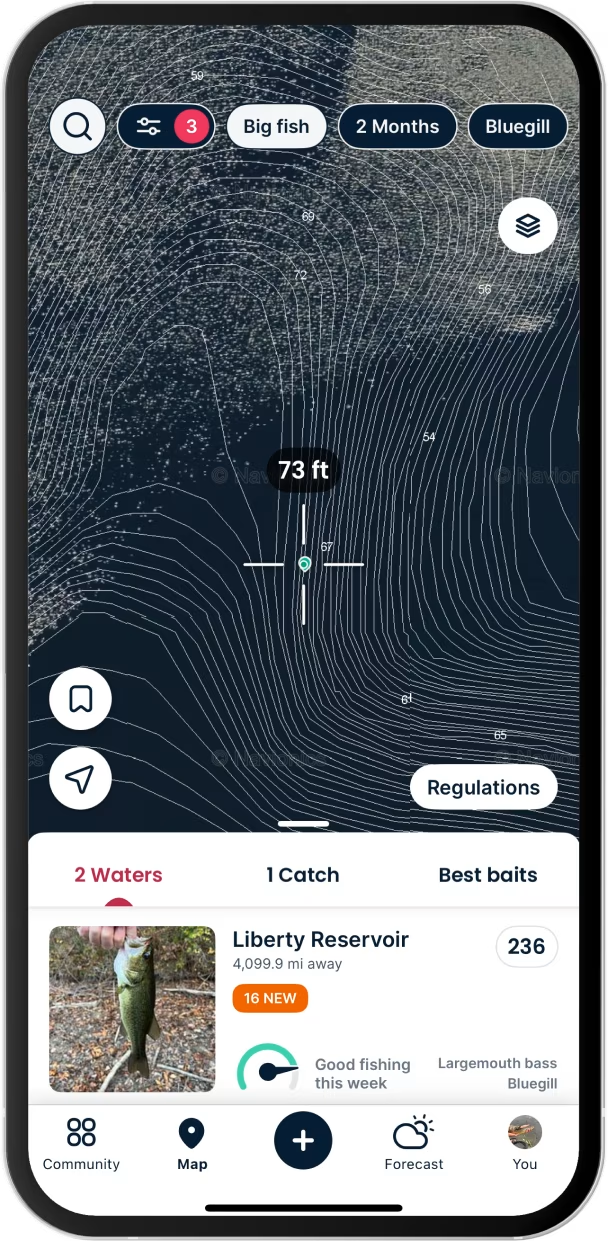
In general terms, all fish react to cooling water the same way because they’re exothermic, a drop in temperature slows their bodies down and they seek deeper, warmer water. The depths and times they find warmer water do vary, however.
The larger, or deeper a body of water is, the longer it takes to cool off. It's important to remember that creeks, ponds, small rivers and lakes will all cool much faster than their larger counterparts. These smaller waters will also inevitably be much shallower, sending fish to deep pools much sooner. When fishing smaller water (depending on how small of course) you can rightfully assume the fish will be at the bottom as soon as the first hints of cold weather arrive.
When fishing Great Lakes, oceans, or large rivers, you have to assume fish following the warm water will be a much more gradual process. Your fishing should take place in varying depths of the water column as you slowly explore your way down to the bottom.
How to fish them
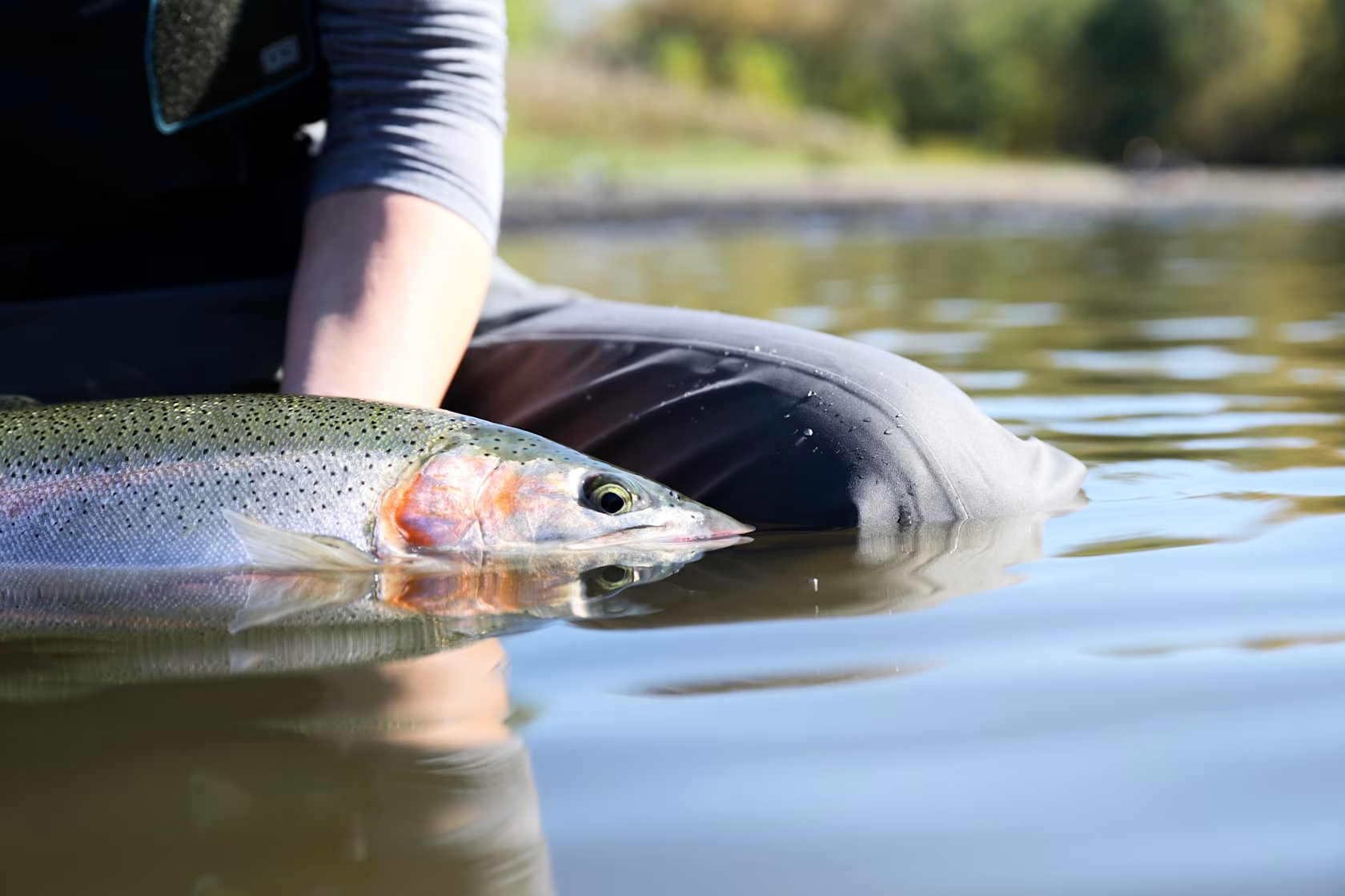
Knowing how cold water affects a fish, knowing what different species' cold tolerance is and knowing how to start searching the water column gives you a great head start fishing those first few cold, winter days. Combining this knowledge with water body type will further help you figure out the puzzle that is winter fishing.
Running waters, like creeks and rivers, are most likely going to require
Drifting techniques. Knowing how lethargic the fish will be, drifting offers the chance to bring a bait directly by a fish’s mouth with as little effort from the fish as possible. The takes are often so gentle, floats and bobbers are required to determine the most subtle takes. Drifting is particularly effective for trout, salmon and steelhead.
For warm water, stagnant water fish, the same rules apply, but with no moving water you must bring your bait to the fish, slowly and gently. Senkos and other soft plastics are great for this kind of slow action presentation. Slowly working them off and across the bottom, allowing a bass, perch or crappie to take their time and slowly work toward the bait, while spending as little energy as possible.
Adding rattles to jigs, or anything else that produces a little noise can help attract fish in deep cover, as well. The same retrieve applies, as you need to move the bait slowly, but just enough to make sure the sight and sounds will catch some interest.
Regardless of what you’re fishing for, the name of the game is slow and lazy. But just because the conditions get tricky and the fish get picky doesn't mean you shouldn't be braving the cold in search of fish. Get out there and become a more complete angler.
Now let's go fishing.

Download the Fishbrain app and access the best fishing spots in your area
Related blog posts
If fish keep trailing your lure without ever committing, you're not alone, and it's rarely bad luck. This guide breaks down why fish follow instead of striking, plus the retrieve changes, lure swaps and hookset tricks that turn hesitant followers into solid bites. You'll also learn how to read what those follows are telling you about depth, mood and presentation, so you can adjust on the water instead of guessing.
Every fall, Florida's coast erupts as millions of mullet trigger a feeding frenzy. See why the mullet run is fishing's wildest spectacle.
Worn or old fishing line can cost you the catch. Learn how often to replace mono, fluorocarbon, and braid, plus how to store and dispose of line properly.