Fishbrain's advanced ice fishing tips
Master the hardwater season with advanced ice fishing tips . Learn how to find fish faster, refine your search and adjust presentations to catch more fish all winter long.
Share this article
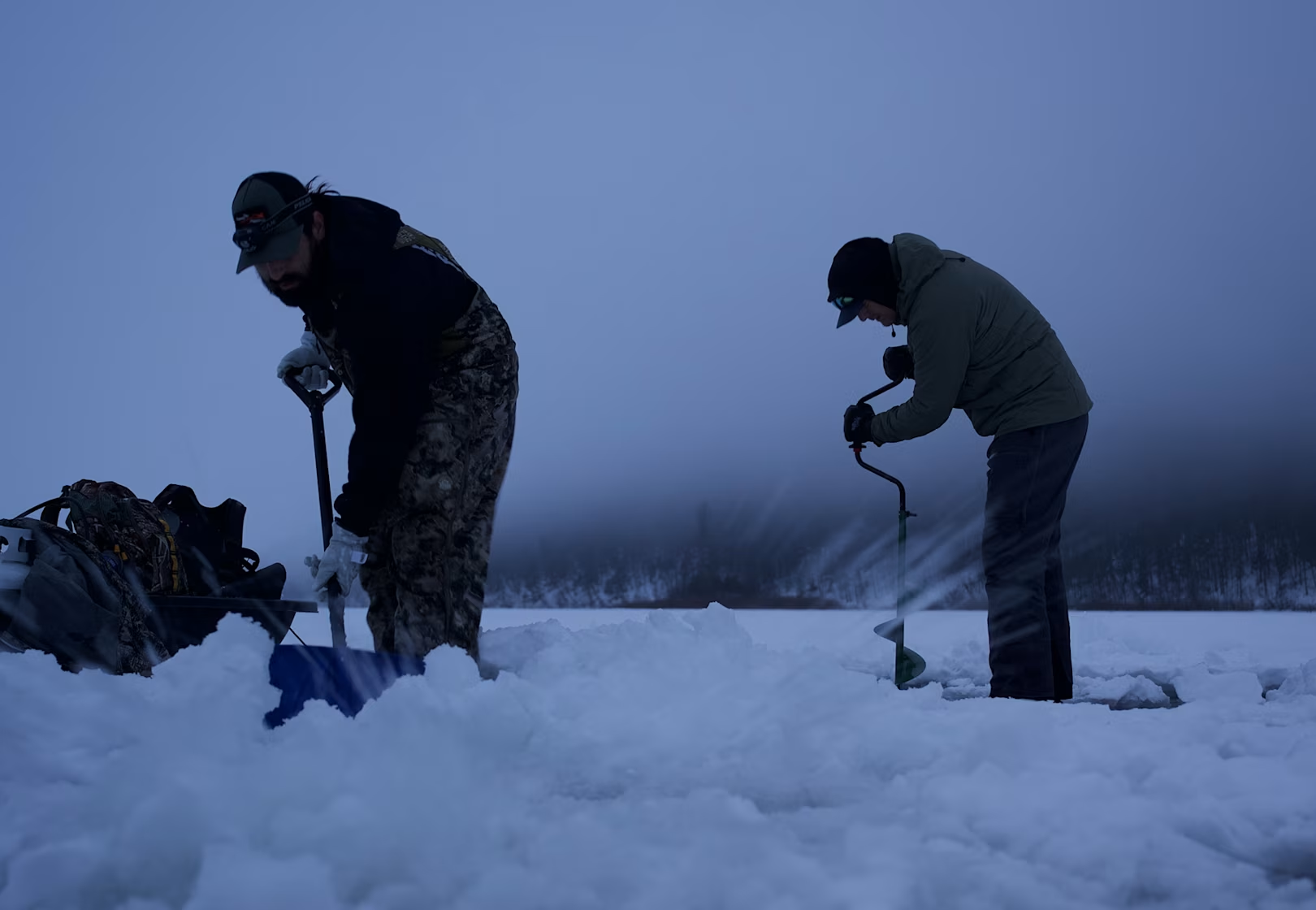
Ice is spreading from the banks of your favorite water and slowly crawling out toward the center. It gets thicker with every cold snap and the siren song of your ice tent and auger gets louder every day.
Some call sitting on ice all day, in sub freezing temperatures, madness. You call it a beautiful way to make it through winter.
But, like a frozen lake, there is a lot below the surface when it comes to actually finding and catching fish in winter. If you’re looking to take that next big step out on the ice, we came up with some tips on how to take a baseline knowledge of ice fishing and apply some new ideas and features for further understanding of fish activity under the ice.
Find trenches
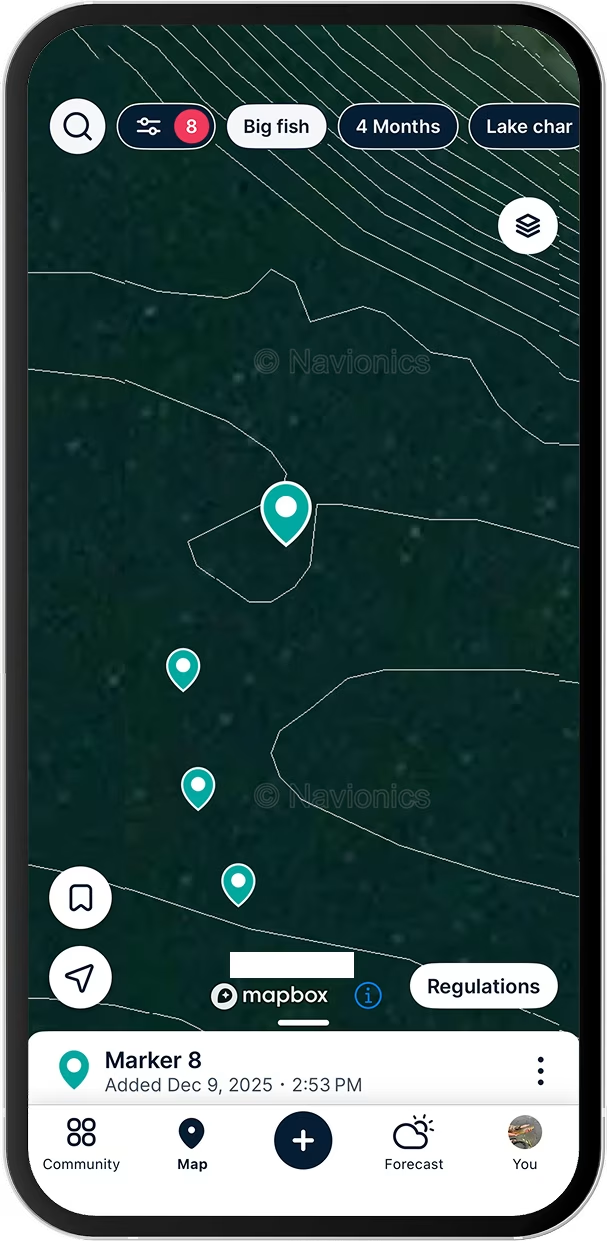
Trenches represent some of the deepest points in the water, where the warmest water will sit. Different trenches will make a mosaic out of the bottom of the lake, or pond, you’re fishing, winding around in every direction. Fish use these trenches all winter, looking for food within the warmest water. Find the intersection of routes, or where a trench meets a tailwater and you should be on your way to finding fish.
How Fishbrain helps: Use Garmin depth charts on Fishbrain to find every sort of depth available on the body of water you're fishing. Find the trenches, drop offs and lowest points on your Fishbrain map and track where you want to drill your first hole of the day. Then stick and move with this knowledge, targeting different channels all day.
Stick and move
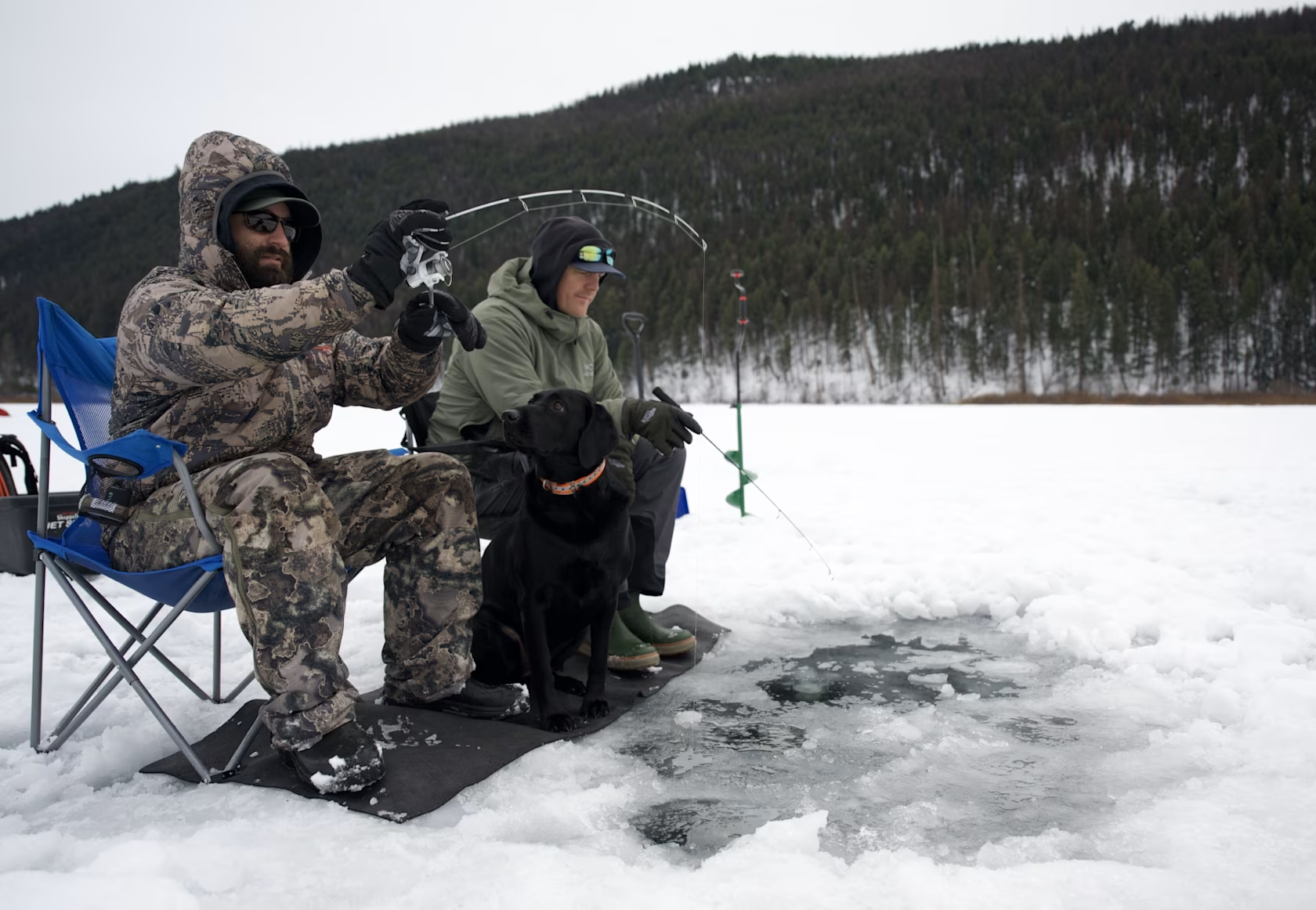
Don't waste too much time on an unproductive ice hole. If you’ve been sitting at the same hole for 30 minutes without a bite, or very little showing on your sonar, don’t be afraid to cut and run. The "90% of the fish are in 10% of the water" axiom is still true when you’re standing on 10 inches of ice. Fish are moving so slow this time of year, looking for warm water, they will most likely be schooled up in similar places. There will be little dispersion, so if you aren't getting any action you need to move, move, move.
How Fishbrain helps: Mark your unproductive holes with waypoints every time you leave one. Marking waypoints works in two ways. 1. You won't make the mistake of heading back toward unproductive setups and 2. You will start seeing a pattern of travel, putting together a personalized map of where fish like to hold up and habitat not to waste your time on.
Know what's in your water
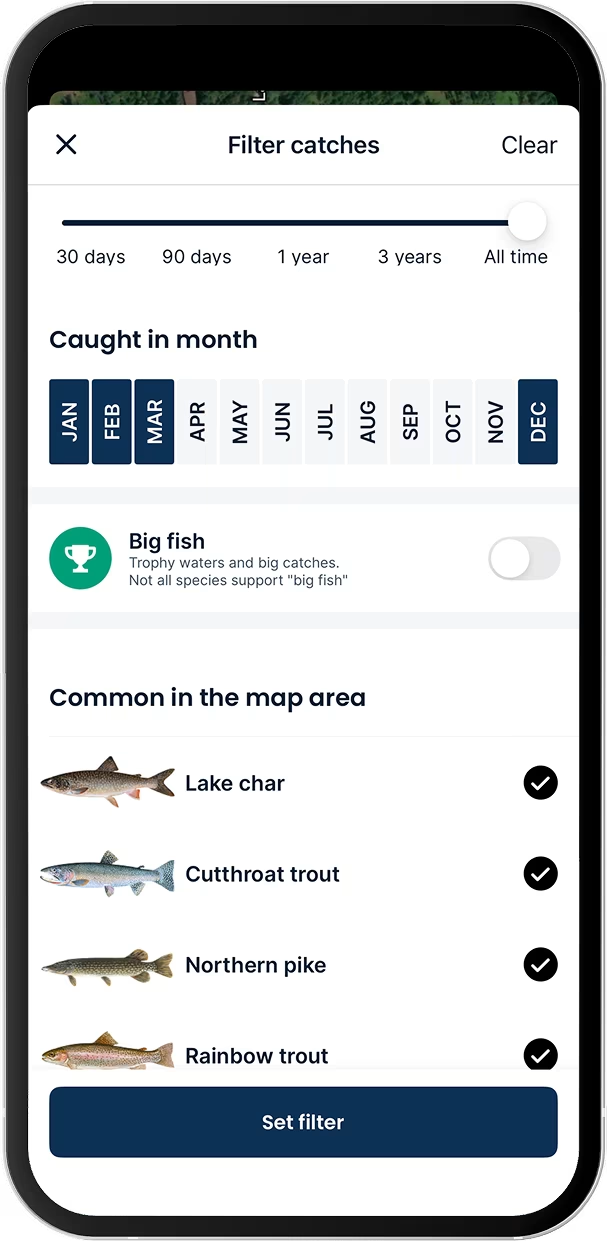
Even though the fish are congregating, not all species are congregate together and every setup may not work for every fish. Lake trout, for example, may want a thrashing jig, much more than a bass, perch, or rainbow trout will. These species won't necessarily live in the same habitats and depths either. Your best chance at success is to pick one and target it. That means using specific tactics, lures and targeting specific habitats and depths under the ice.
How Fishbrain helps: The water card for any pond, or lake you’re fishing will have detailed info about the different species in the water. You can then set your filter to only show the species you’re after and even to only show ice fishing months. Your map will then show you catches made across the ice, clueing you in on the depths and structure certain fish prefer in winter.
Solar warmth
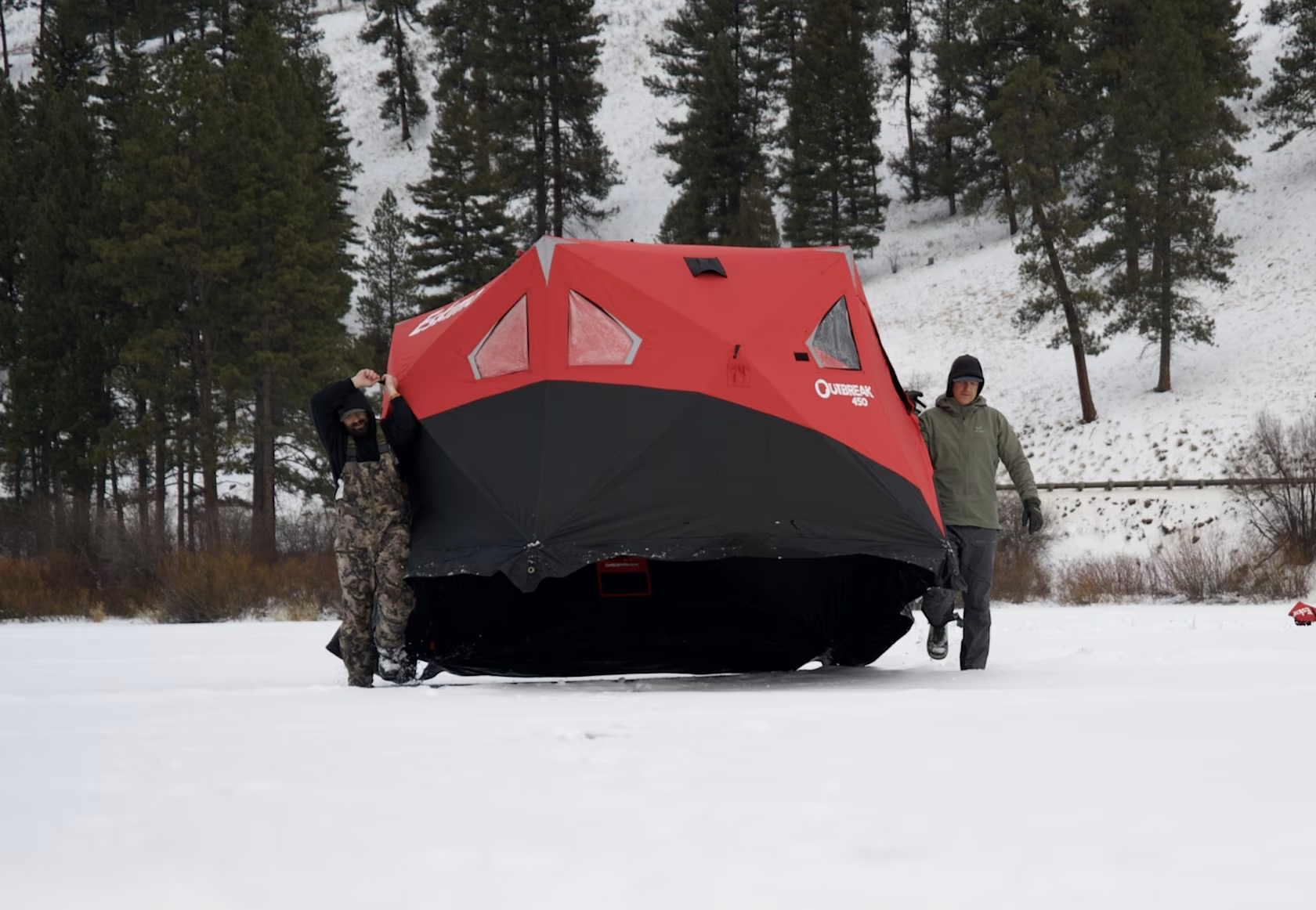
Most people would think temperature is the first thing you check on your weather forecast. It's true you need to prepare for the cold, but sun exposure may be just as, if not more, important. A partly cloudy day is going to allow limited sunlight through the clouds. When this limited light focuses on a specific area, it can have a warming effect on the water, which will inevitably attract fish into the warmed area, where they seek a sanctuary from the cold. A savvy ice angler may notice when the ice is experiencing more sunlight in a certain area and combine other data to start drilling within the sun-lit sections.
The way we see it, you can either complain about the cold and wait for spring, or you can keep fishing. We encourage anyone waiting for the water to turn back into liquid to take that big step onto the ice and further your understanding of seasonal fish behavior. Get out there, be safe and keep fishing.
If you haven't experienced the #1 fishing app worldwide, make sure and check out Fishbrain to see all the fish data, fishing spots, weather conditions you've been missing out on plus much more.

Download the Fishbrain app and access the best fishing spots in your area
Related blog posts
If fish keep trailing your lure without ever committing, you're not alone, and it's rarely bad luck. This guide breaks down why fish follow instead of striking, plus the retrieve changes, lure swaps and hookset tricks that turn hesitant followers into solid bites. You'll also learn how to read what those follows are telling you about depth, mood and presentation, so you can adjust on the water instead of guessing.
Every fall, Florida's coast erupts as millions of mullet trigger a feeding frenzy. See why the mullet run is fishing's wildest spectacle.
Worn or old fishing line can cost you the catch. Learn how often to replace mono, fluorocarbon, and braid, plus how to store and dispose of line properly.