Switching gear from spring to summer
When the spring weather starts feeling more like Sumer, its important to change up your fishing gear. Fish species of all kinds will change their preferences, when they're most active and their hunting behavior based on temp, light, water clarity and available prey. Learn how you can change your gear to match hatch properly this summer.
Share this article
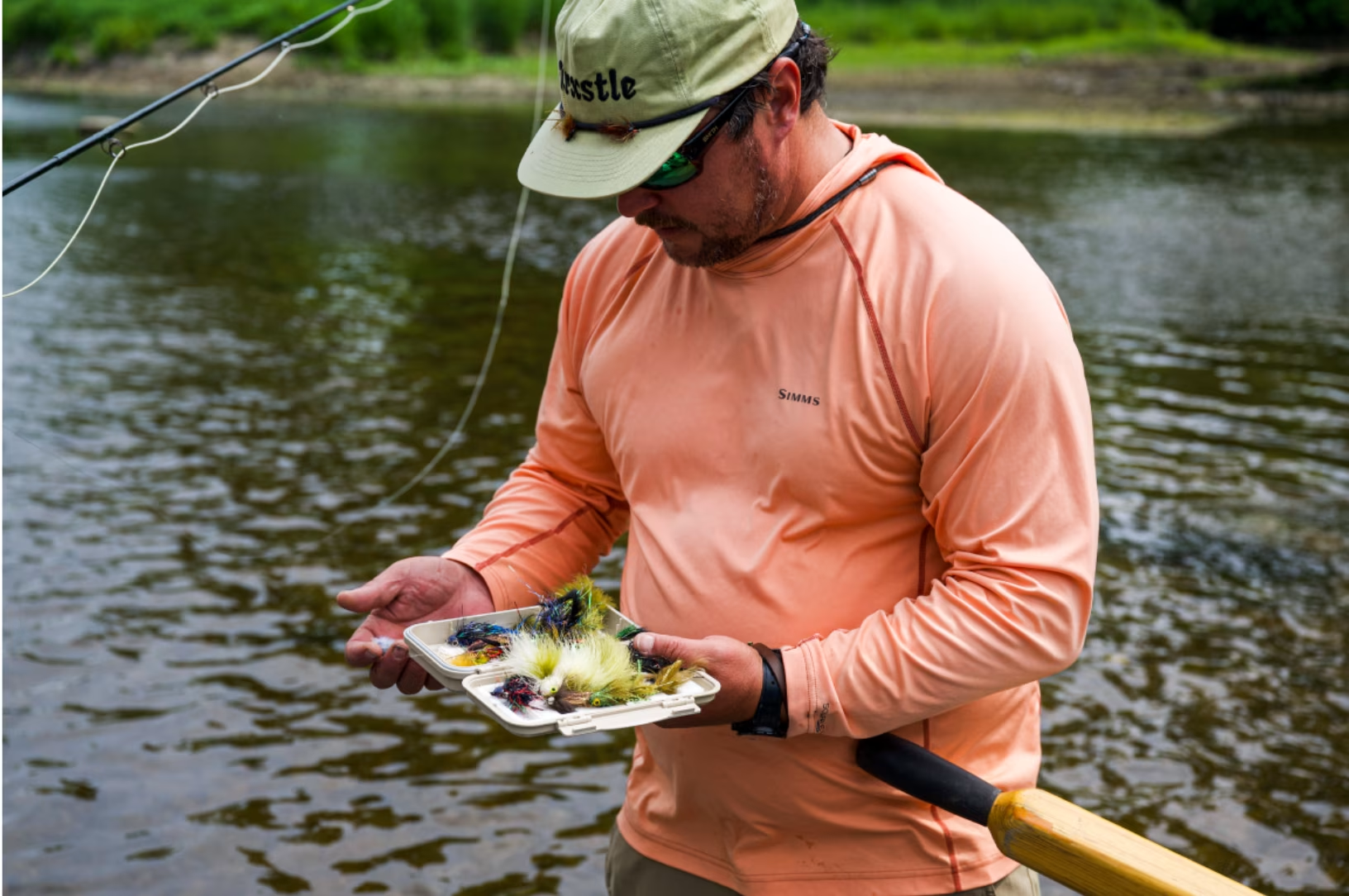
Just as the old saying says no man steps into the same river twice, it can also be said no angler casts into the same water twice, either. What slayed a week ago won't have the same effect when the temps rise, the spawn ends and the sun lingers longer and longer.
If you’re not changing your gear, rigs and tactics along with the seasons, you just aren’t consistently catching fish. We reached out to some of our team members and asked them how they make fishing changes when spring begins giving way to summer all to help you stay ahead of the fishing curve this year.
Start to go bigger
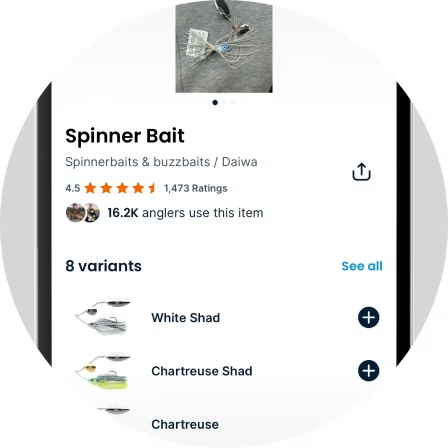
Warming water means baitfish are maturing, getting bigger and faster. Speed up your retrieves and size up your lures to match. Crustaceans like crayfish are also maturing, making them a more readily found food source. Trout anglers should also take note into consideration that aquatic insects are maturing as well. Underwater bugs are shedding their carapaces and making their way to the surface to turn into flying insects, like mayflies, stoneflies and caddisflies.
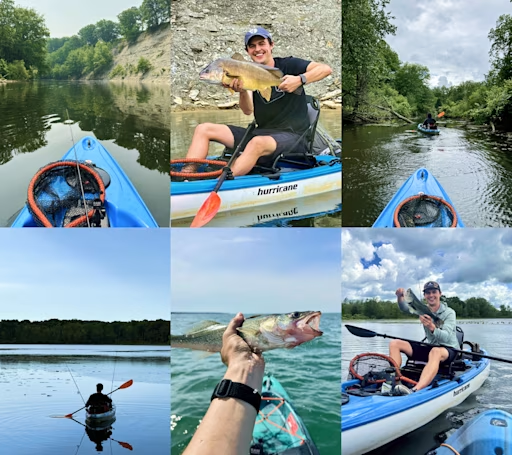
Fishbrain team member Jackson Ramsey: “Summer for me in Georgia is a constant change. When I’m fishing on a kayak I’ll bring 10 rods with me varying from a topwater frog or walking bait, worms, jigs, glides and swimbaits, and a wide variety of moving baits because I know hour by hour while I’m on the water, the fish are going to be changing. Summer and Winter are the two seasons where your tackle box will be its absolute widest. When it comes to Summer I start high in the column at first light and work my way lower depending on weather conditions and begin targeting heavy structure. Around midday it’s all dock skipping and grass mat punching or working a frog through gunk.”
Shallows are so yesterday
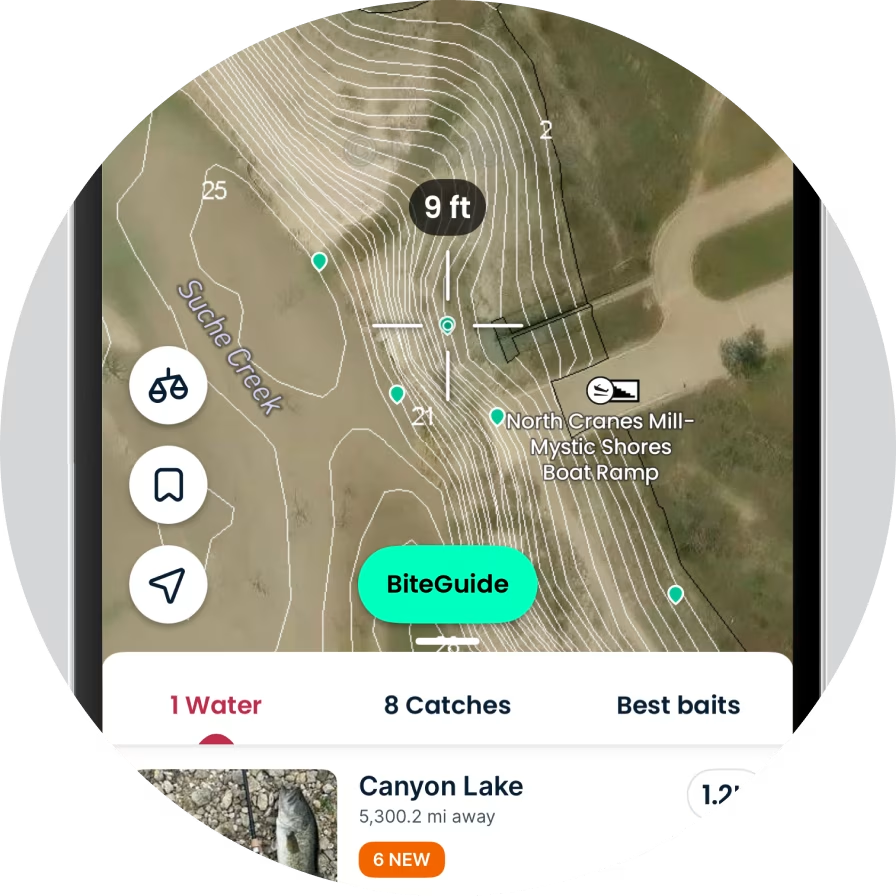
The end of spawn combined with the rise of heat, tend to mean farewell to shallow water fishing, and hello to algae blooms, cut banks, shade and depths.
Jackson Ramsey: I’ve seen 93 degree water temps in Georgia before in July on a lake I had never fished before. I didn’t pre-fish this lake at all and found out the deepest portion was 7 feet. Every single plan I had immediately went out the window and I made a gigantic pivot on that lake to drag jigs and work dropshots in the deepest section after the topwater bite died down. Sonar is going to be your biggest tool in the summer. Even high chirp is incredibly useful. Find fish, see what they’re doing, and be prepared to make a new plan
Summer time means light line and sluggish fish
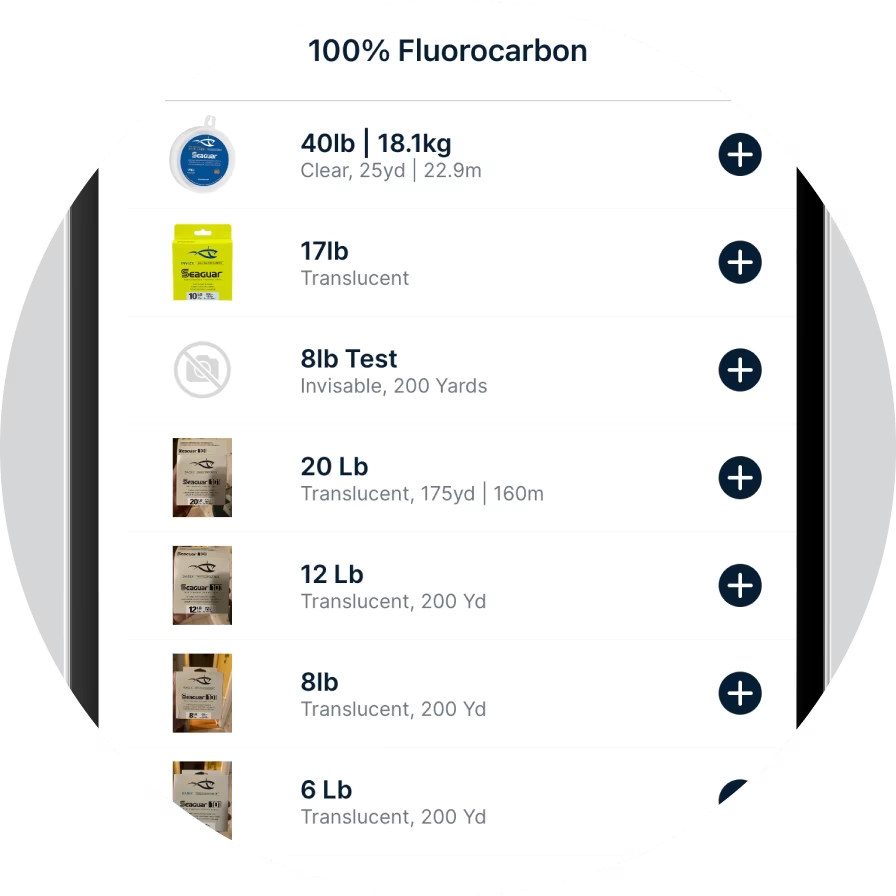
High sun, clear skies and clear water will make the most aggressive species line shy. Heavy braid that worked in the lower light of spring may need to switch out with more translucent fluorocarbon, or a high quality mono even. The flip side to this is warm water often brings thick scum too. You’ll inevitably need a strong line to pull through the sludge, but you’re going to need to switch up your retrieve as well as these conditions will have adverse effects on fish feeding and predatory behavior.
Fishbrain team member BryantheCEO: “As we move further into summer, I switch to slow sinking jerkbaits and add spoons to the arsenal. Using a variety of retrieval speeds is important. This is due to algae blooms that the summer brings, which can make fish more lethargic.”
Know your bug cycles
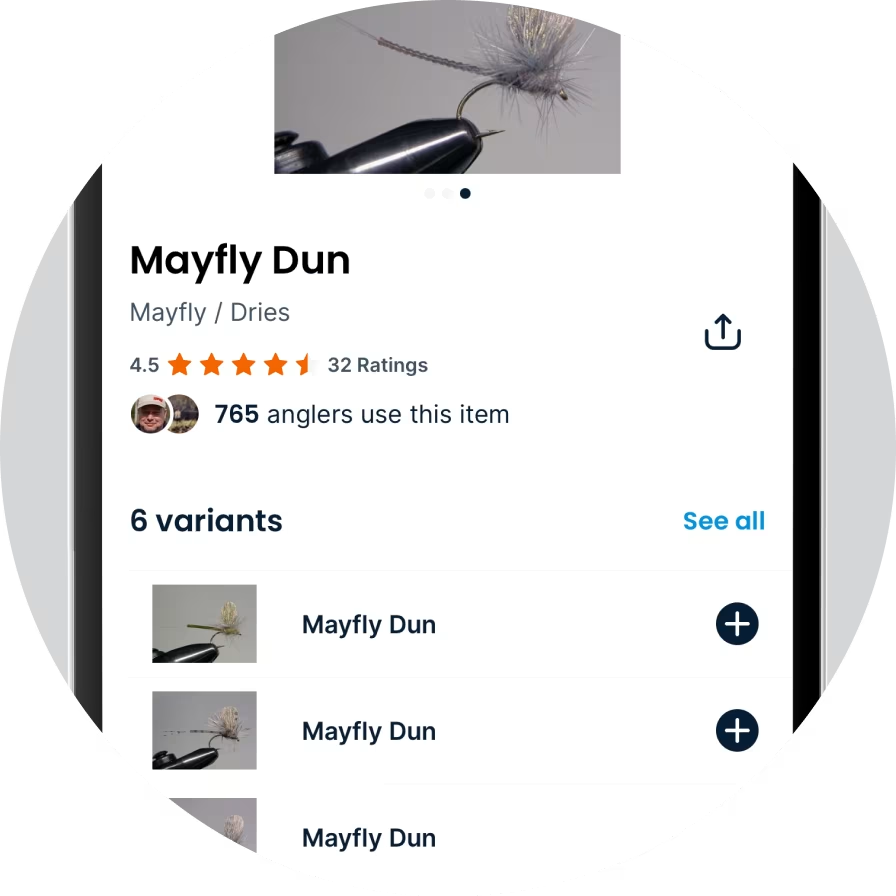
“In the world of fly fishing, the transition from spring to summer is all about moving from the "bottom" to the "top." Fishbrain team member Jack McKinney
Trout feed almost exclusively under the surface, but when spring inches into summer, most trout will start looking toward the surface for emerging insects and flying aquatic insects. Famous dry fly hatches like the hexagenia hatch, salmon fly hatch, or green drakes pop up starting in May and continue throughout the summer and even into early fall.
The gentle art of delivering a dry fly to a cautiously feeding trout requires a major downsize in line material compared to running lures, or streamers in the spring. Dropping your tippet size from 2x all the way from 4x, or even 7x is essential for not spooking fish that will be extra cautious as they spend more time toward the surface.
Spring Strategy: Focus on subsurface activity. Think Hare's Ear or Pheasant Tail nymphs. The water is cold, and fish are hugging the bed.
Summer Strategy: It’s all about the hatch. When the temperature hits that sweet spot, you swap the heavy lead for buoyant foam and feathers.
The Go-To: You can’t go wrong with a Parachute Adams or a Caddis pattern once the evening rise starts.
Fish the sun positions
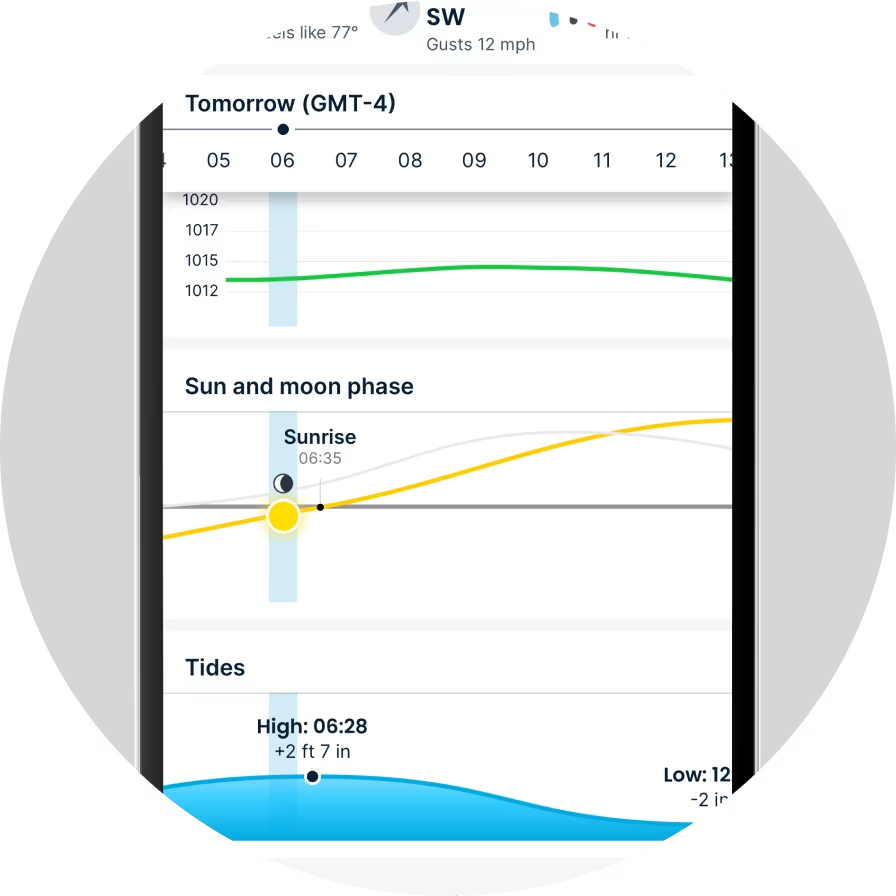
As soon as spring thermometers start looking more like summer ones, your ideal tactics for fishing in the sun are flip flopped. Spring had you cherishing the warmth the sun brought to fish and now they are all shying away from it. Start your mornings early, focus on shade midday and hit the evenings hard.
Long days not he water and warm evening bites are knocking on the door. Don't get complacent with your setup, gear and strategy, though. Changing seasons requires changing tools and tactics. You can count on Fishbrain to help guide you through changing lures and targeting different areas all season long.
Now let's go fishing.
If you haven't experienced the #1 fishing app worldwide, make sure and check out Fishbrain to see all the fish data, fishing spots, weather conditions you've been missing out on plus much more.

Download the Fishbrain app and access the best fishing spots in your area
Related blog posts
If fish keep trailing your lure without ever committing, you're not alone, and it's rarely bad luck. This guide breaks down why fish follow instead of striking, plus the retrieve changes, lure swaps and hookset tricks that turn hesitant followers into solid bites. You'll also learn how to read what those follows are telling you about depth, mood and presentation, so you can adjust on the water instead of guessing.
Every fall, Florida's coast erupts as millions of mullet trigger a feeding frenzy. See why the mullet run is fishing's wildest spectacle.
Worn or old fishing line can cost you the catch. Learn how often to replace mono, fluorocarbon, and braid, plus how to store and dispose of line properly.