Fishbrain's guide to beginning kayak fishing
Learn how to combine the excitement of kayak fishing with the power of Fishbrain’s community and tools. Whether you’re just starting out on the water or figuring out how to track catches, discover hot spots, and connect with other anglers, this blog breaks it all down in simple, beginner-friendly tips. Follow along as we explore how to use Fishbrain to improve your fishing game, stay safe on the kayak, and make every trip more rewarding.
Share this article
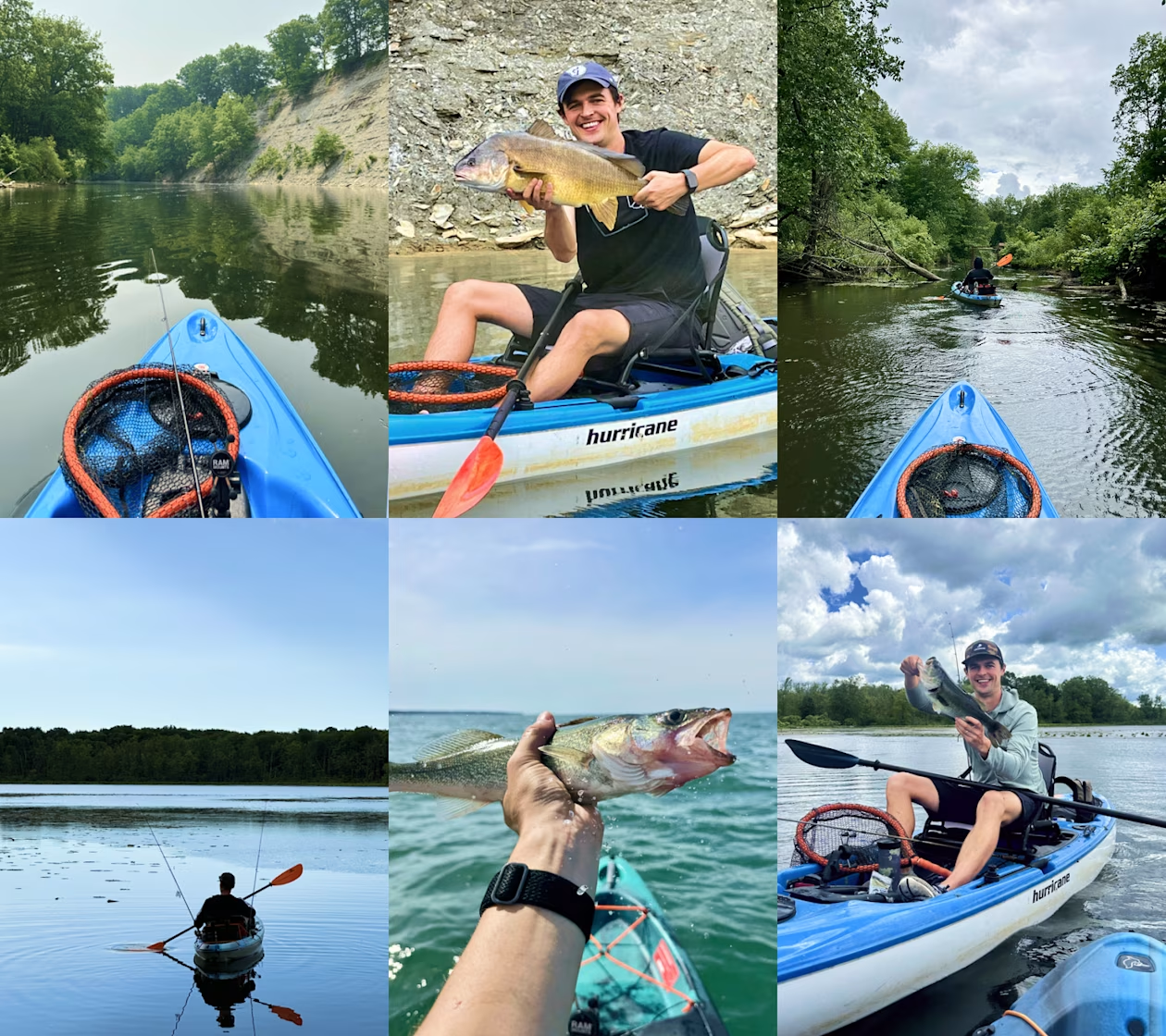
There’s an old saying that goes: the two happiest days of a boat owner's life are the day they buy the boat and the day they sell it, but that doesn't apply to fishing kayaks. Fishing kayaks are the ultimate equalizer for bank anglers looking to extend their fishing without going through the initial barrier of owning a boat.
But it's not as easy as buy boat, paddle boat and catch fish, either. There is a lot of planning, skill and knowledge that goes into becoming a successful kayak angler and we’re not even talking about buying the gear. Most of your lessons are only learned by cutting your teeth, through trial and error on the water. When it comes to where to start and where to target next, though, Fishbrain is here for you.
Know when to go
Kayak fishing starts with conditions. Safety can’t be compromised, which means you need to know the weather, and therefore the water conditions, well before you load up your kayak.
Drastic pressure changes will let you know of impending weather shifts, but they are also tied to fish activity.
Watch for falling and rising pressure with Fishbrain’s weather function, as well wind velocity, temp and precipitation chances. This data will help you pack your drybag with the proper gear, so you can stay longer and fish longer.
River gauges are another important tool to monitor conditions. River levels may be too high and unsafe, or even too low, becoming a rock drag instead of a float. If you’re planning on fishing flowing water, check the river gauges on your Fishbrain map to see if levels are fluctuating, or stable, and even check the water temps.
All this information, combined with your general fishing knowledge, and you have access to the best times of day to be casting and when to get back to land.
Find the spot on the spot
Your new kayak will get you farther out on the water, but that’s not necessarily where the fish are. With access to much larger sections of water, you can now find that 10 percent of the water the fish are living in.
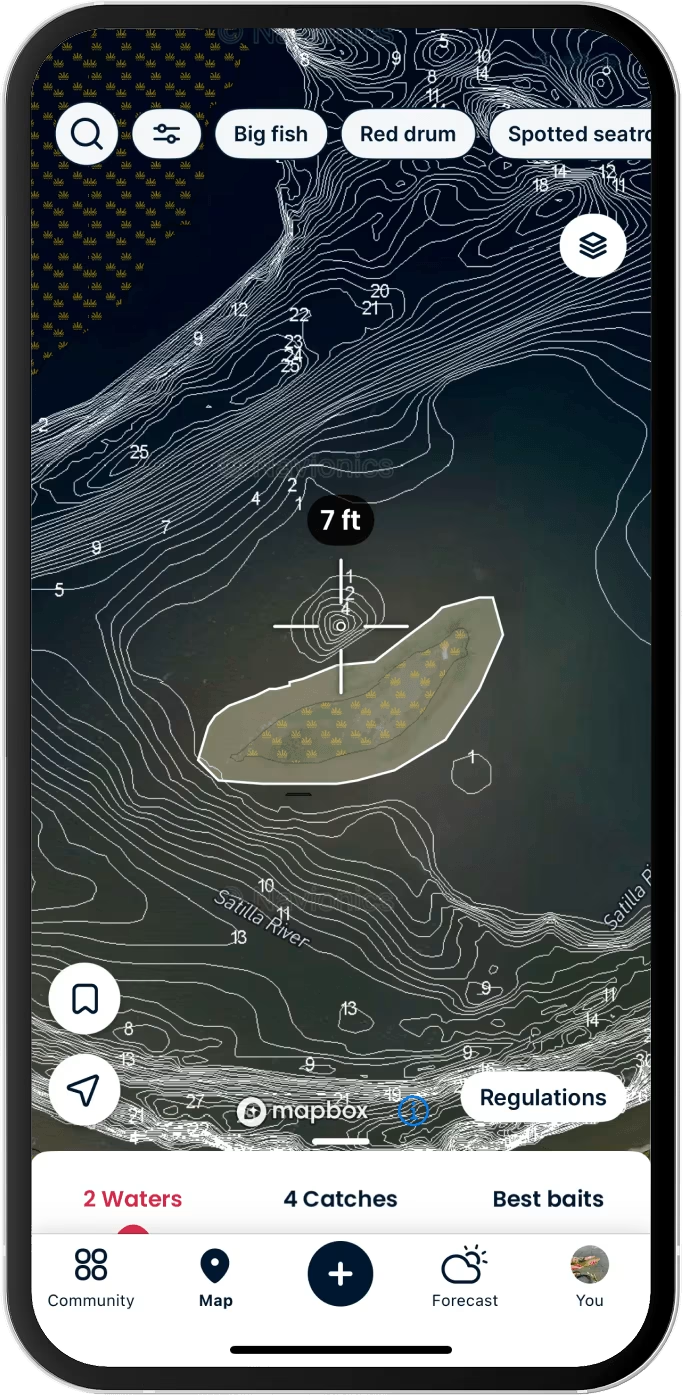
The best place to start is with bottom structure, or depth. Depending on the season and the conditions, you should look for and drop waypoints on deep channels, shallow shelves, gradual slopes and more.
Unpressured vertical banks are another great feature to target and you can find these by using the Parks and Government Lands. This layer shows you which banks are not accessible by foot traffic and depth charts will show the banks with the steepest drop offs.
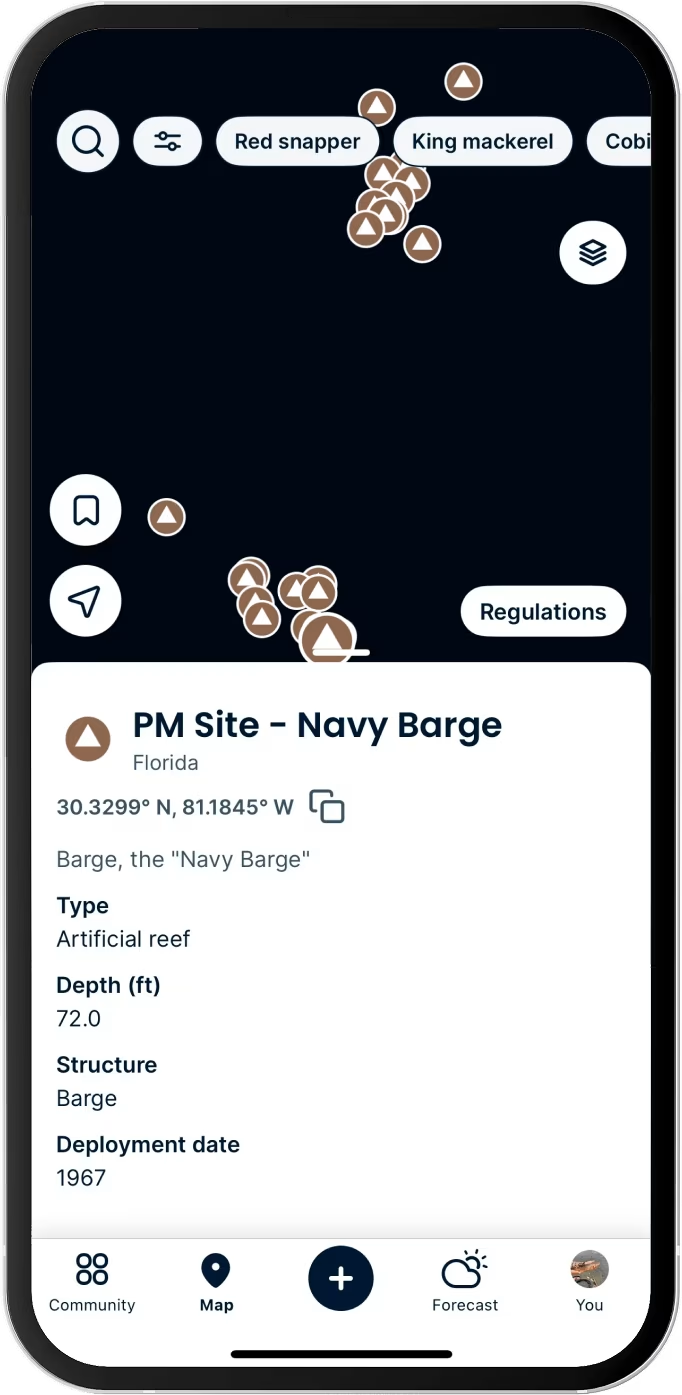
Saltwater anglers have even more conditions to monitor, like tides, incoming storms, wave frequency and visibility on the water will all affect your decision to put on the water, or not. When you are out on the salt, there is, arguable, no better bottom structure to target than reefs.
The new Reef’s Layer on your map will highlight artificial reef locations you can target. Tapping on the reefs will bring up more info like the reef name, the material used to make it and when it was first established.
Off trail lakes and where to launch
Boat ramps aren’t terribly hard to find and while they do offer a convenience to launch, every angler in the region knows about them. It's hard to keep secrets when you’re sharing a launch point with everyone who is hitting the water that day. Sometimes the trick to finding a great spot is searching the map for that launch point that may require some ingenuity.
Searching maps can help you find new waters and routes to those waters off of main, or side, roads.
You can check these forgotten bodies of water by looking if there are any catches on the map, or by checking the Big Fish Potential and the weekly fishing quality report. The report will tell you how the water has been fishing as a whole and the Big Fish Potential will show you how likely the water is to hold above average fish per species.
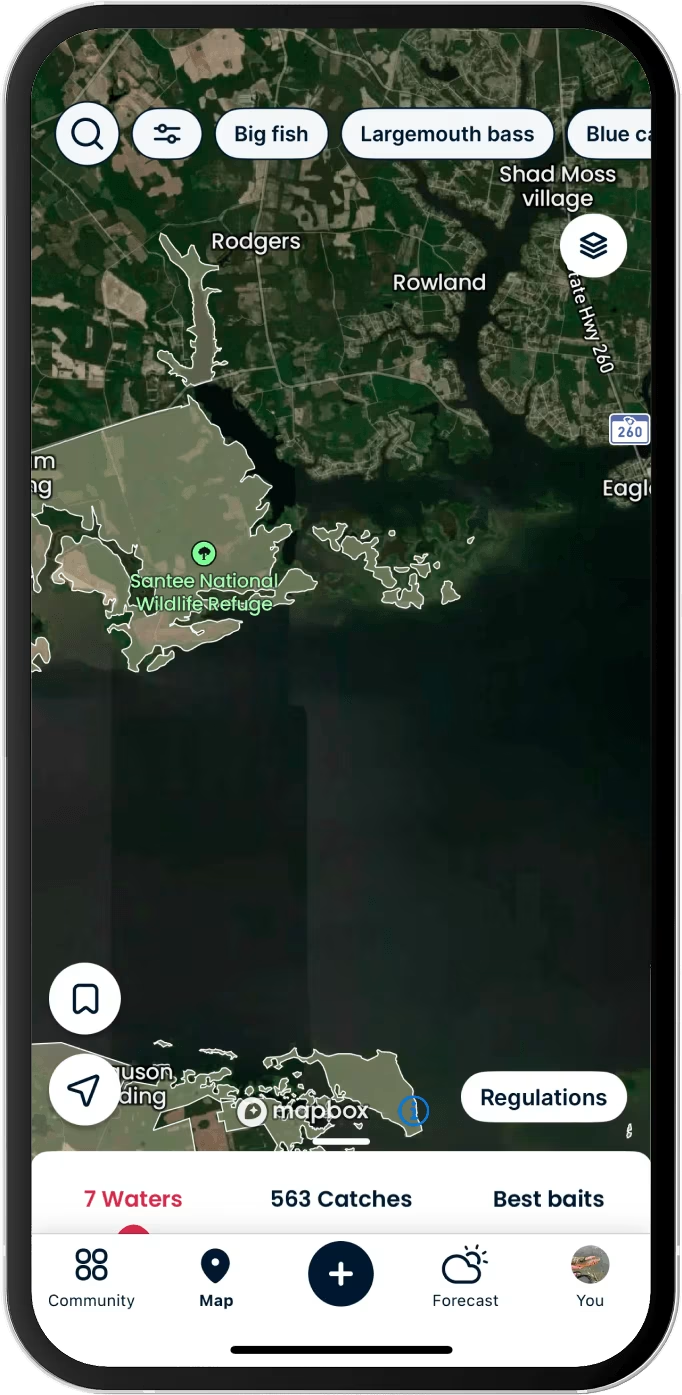
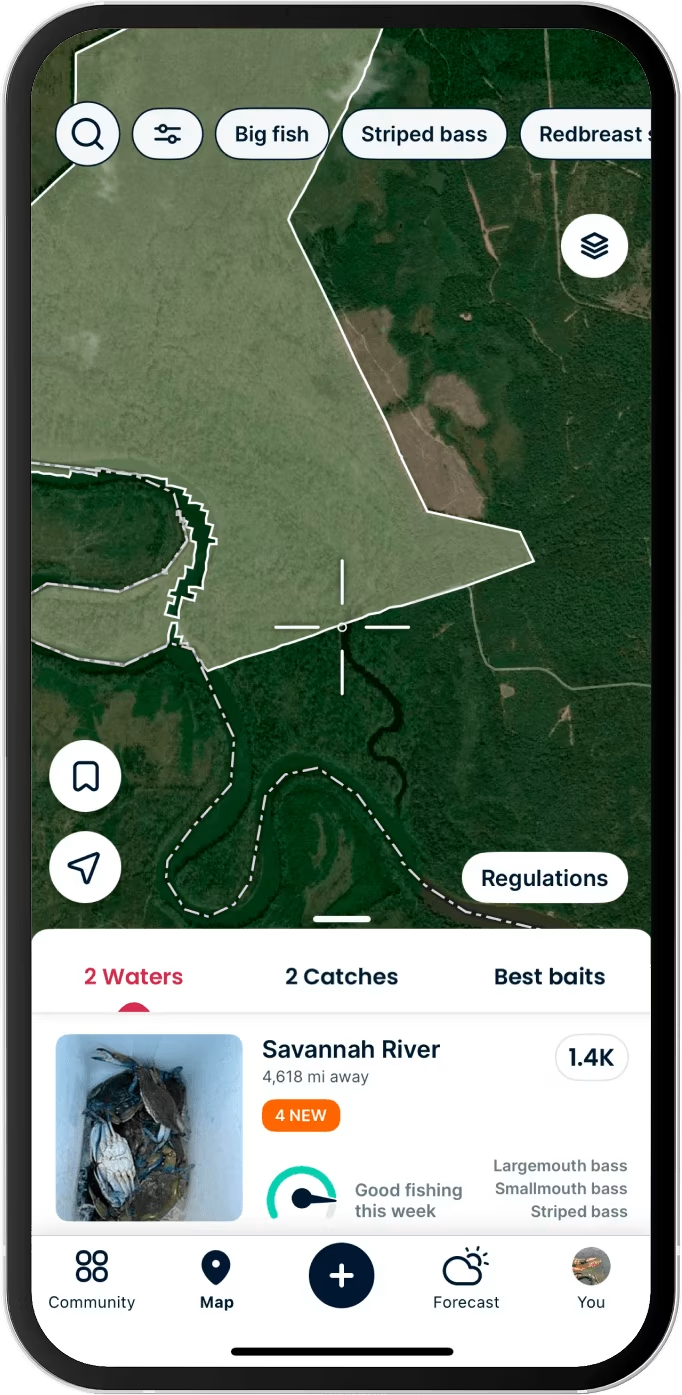
Catches, popular lures and trophy potential are great info, but you still need to find a place to launch your kayak too. Public land and water access laws are the key when you’re looking to make your own personal boat launch. You can turn the Parks and Government Lands Layer on via your Fishbrain Map and have the yellow shaded areas guide you to publicly accessible spots you can drag your boat easily toward the water’s edge.
Your state’s water access laws will also help you determine whether you can tread on the historic high water mark in these areas, making access much more available.
Group up
There isn’t much sense in being part of the largest fishing community in the world and not taking advantage of it. The saying “there’s safety in numbers” is especially true when on open water, but the saying fails to mention there is knowledge in numbers as well. Kayak fishing has a special knowledge curve you don't find fishing from the bank. Traditional skills like netting a fish, or even tying lures and swivels onto your line, for example, have tricks to them because of gear storage and limited mobility when sitting on your kayak. You can ascend this learning curve much faster, and be a much safer angler, by finding a kayak fishing partner.
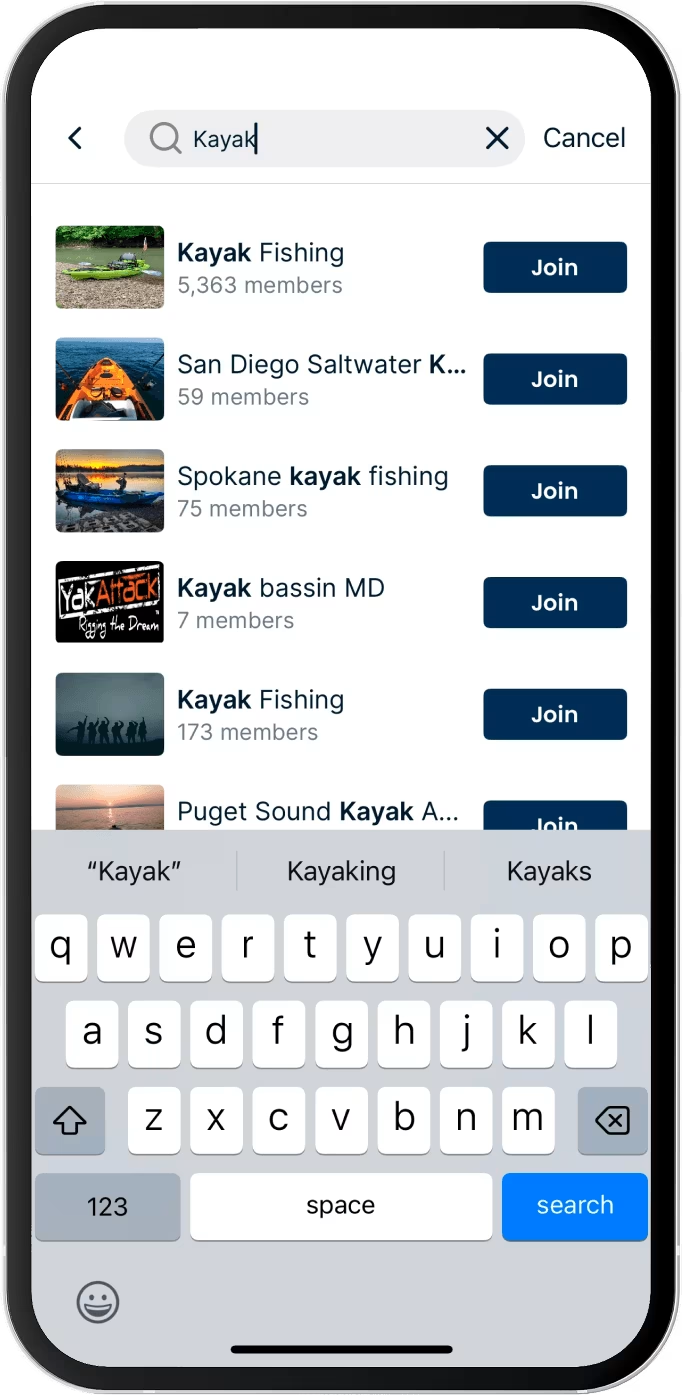
Fishbrain groups are a fantastic place to start looking for possible partners. Just tap on groups and search kayak fishing and you will be treated to groups of kayak anglers in your home state, or anywhere else in the world. You can also search “My Area" to only search for anglers and recent catches around your local waters. From here you can swap info, trade recommendations, go over your fishing and kayaking gear preferences and more.
You don’t have to sit on the shore anymore, wondering what lies just beyond the reach of your casting radius. The barriers to kayak angling are present, but so much more manageable than getting a large, conventional, boat. Let Fishbrain help tear down any barriers and turn your questions into tight lines as you explore more water than you ever have before.
Now let’s go fishing.
If you haven't experienced the #1 fishing app worldwide, make sure and check out Fishbrain to see all the fish data, fishing spots, weather conditions you've been missing out on plus much more.

Download the Fishbrain app and access the best fishing spots in your area
Related blog posts
If fish keep trailing your lure without ever committing, you're not alone, and it's rarely bad luck. This guide breaks down why fish follow instead of striking, plus the retrieve changes, lure swaps and hookset tricks that turn hesitant followers into solid bites. You'll also learn how to read what those follows are telling you about depth, mood and presentation, so you can adjust on the water instead of guessing.
Every fall, Florida's coast erupts as millions of mullet trigger a feeding frenzy. See why the mullet run is fishing's wildest spectacle.
Worn or old fishing line can cost you the catch. Learn how often to replace mono, fluorocarbon, and braid, plus how to store and dispose of line properly.