Changing fishing lures: how often and when to make the switch
Not sure when to swap your lure? This guide breaks down when and why you should change fishing lures to catch more fish in any condition.
Share this article
We’ve all got that one favorite lure. The shining example that stands above the rest. But what about when you’re on cast number 25 without so much as a nibble? When do you deduce it's the bait your targets aren’t interested in and it's time for a change?
Sometimes it's the number of casts you’ve made, sometimes it's when you’ve covered every bit of beautiful looking cover and sometimes you just see a fish reject your lure outright. Whatever the reason, you need to know when it's time to change your lure and you need to have an educated guess at what you’re tying on next. Read on and learn when we think it's time to switch up a lure and how Fishbrain can help you decide which lure will be your next best bet.
Fanning first
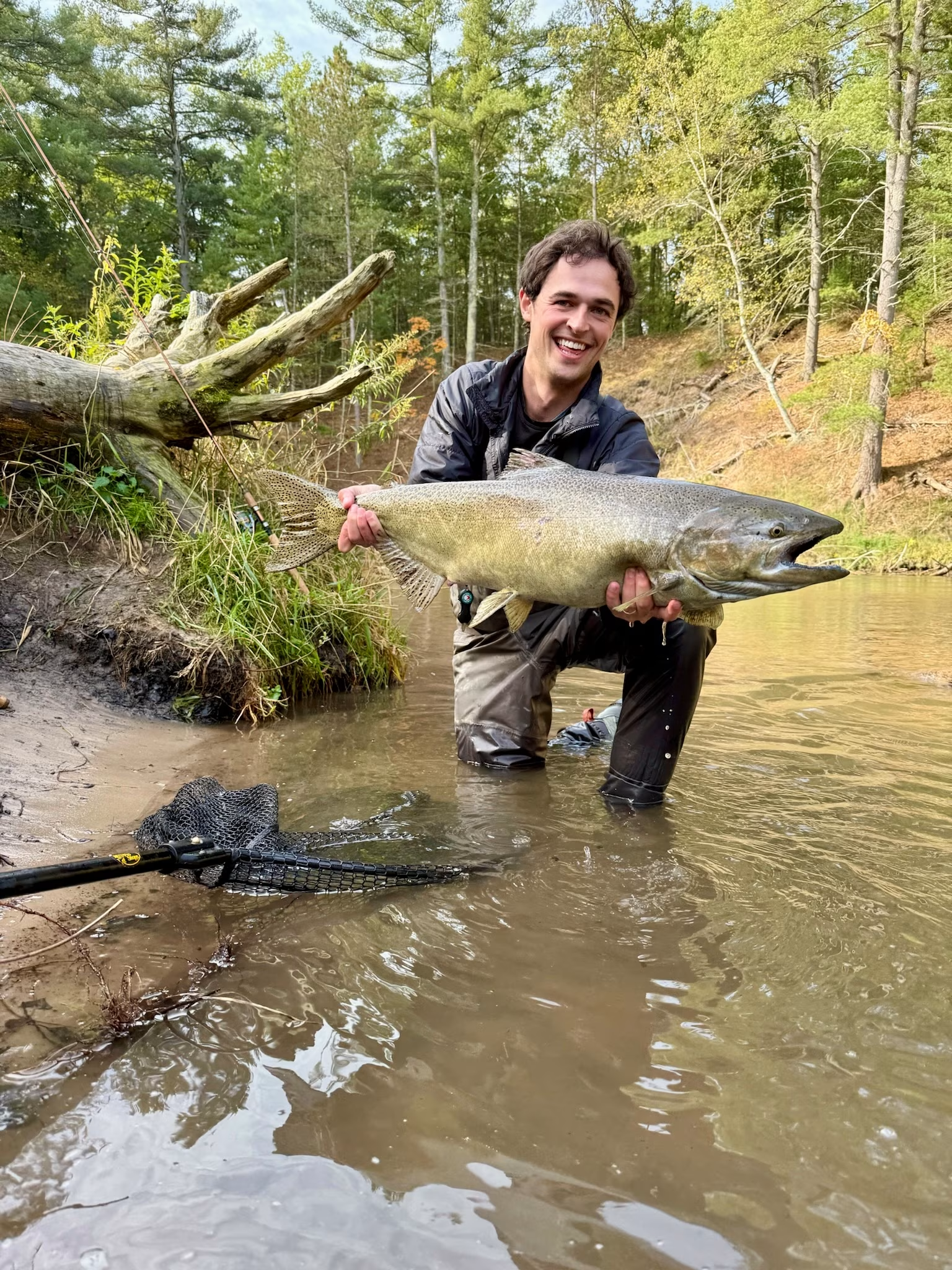
You shouldn’t even think about changing your lure until you’ve covered every square inch of prime habitat. Fishbrain’s own Nate Roman calls this fan casting. He will only give four, or five, casts per piece of cover, or structure, but will dedicate those casts to every fishy spot he sees.
Roman won't necessarily switch lures after fan casting either. He may choose to change the presentation of his lure first, whether that means slower retrieves, short pauses, or quick jerks, he will cover every piece of structure way once again.
If that strategy doesn’t pan out, he will go to the tackle box for something new entirely. Aggression is the key to Roman’s search. He’s looking for patterns as fast as he can instead of waiting for a fish to change its habits and attack a bait that is otherwise not working.
In the salt
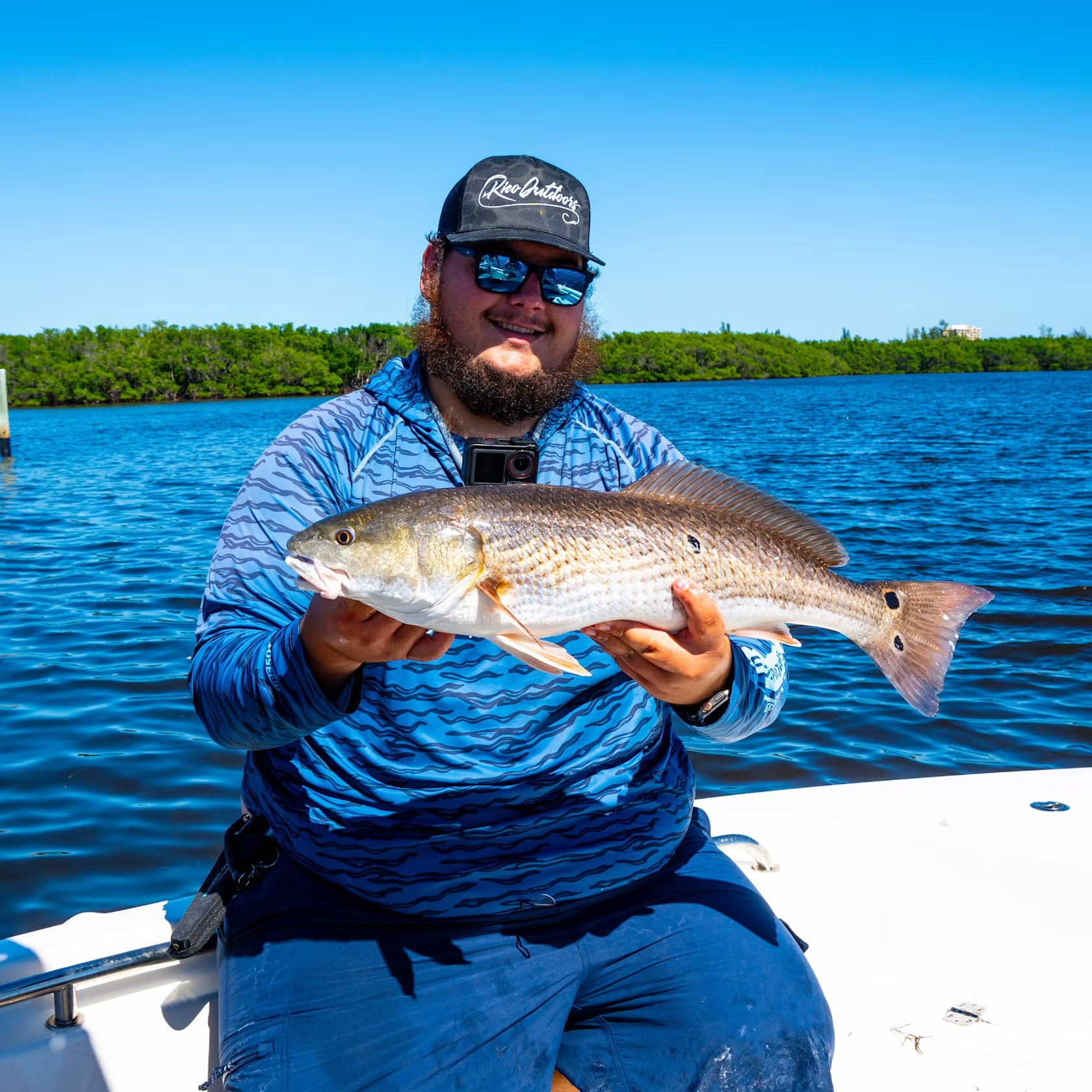
In saltwater, the name of the game is finding bait and imitating that school of bait, or matching (what goes down) the hatch. Fishbrain’s Rico Delrosario cut his teeth fishing southern Florida salt and he knows if you’re not properly imitating baitfish, you’re not setting the hook. The first thing Delrosario looks for are blow ups when out on the water. If he can find actively feeding fish and bait balls, he knows exactly what to mimic.
Every lure isn't made the same, however, so he only gives a lure 10 to 20 throws, before changing it up to find the perfect size, color and action combo.
If he has the pure joy of sight fishing, Delrosario keeps a close eye on the reaction of his targets. With a good cast, he brings a lure close to a target fish and watches how his target responds. If the fish takes the lure, well then the problem is solved. If he gets a follow, or a swipe, he knows he's on the right track. If the fish doesn’t respond at all, he will give two or three more passes before calling it quits on that lure.
How do you choose what’s next?
When it's finally time to cut your line and tie a new lure on, you have to make an educated guess for what's next based on species, season and body of water.
On Fishbrain you can hover over any body of water on the map and tap “Best baits” to bring up the most popular lures and live baits used on each species. You can also look up individual catches for specific waters to see what other anglers were tying on. For even more specifics you can filter your map down to specific months and the most recent catches to study the most relevant baits and lures.
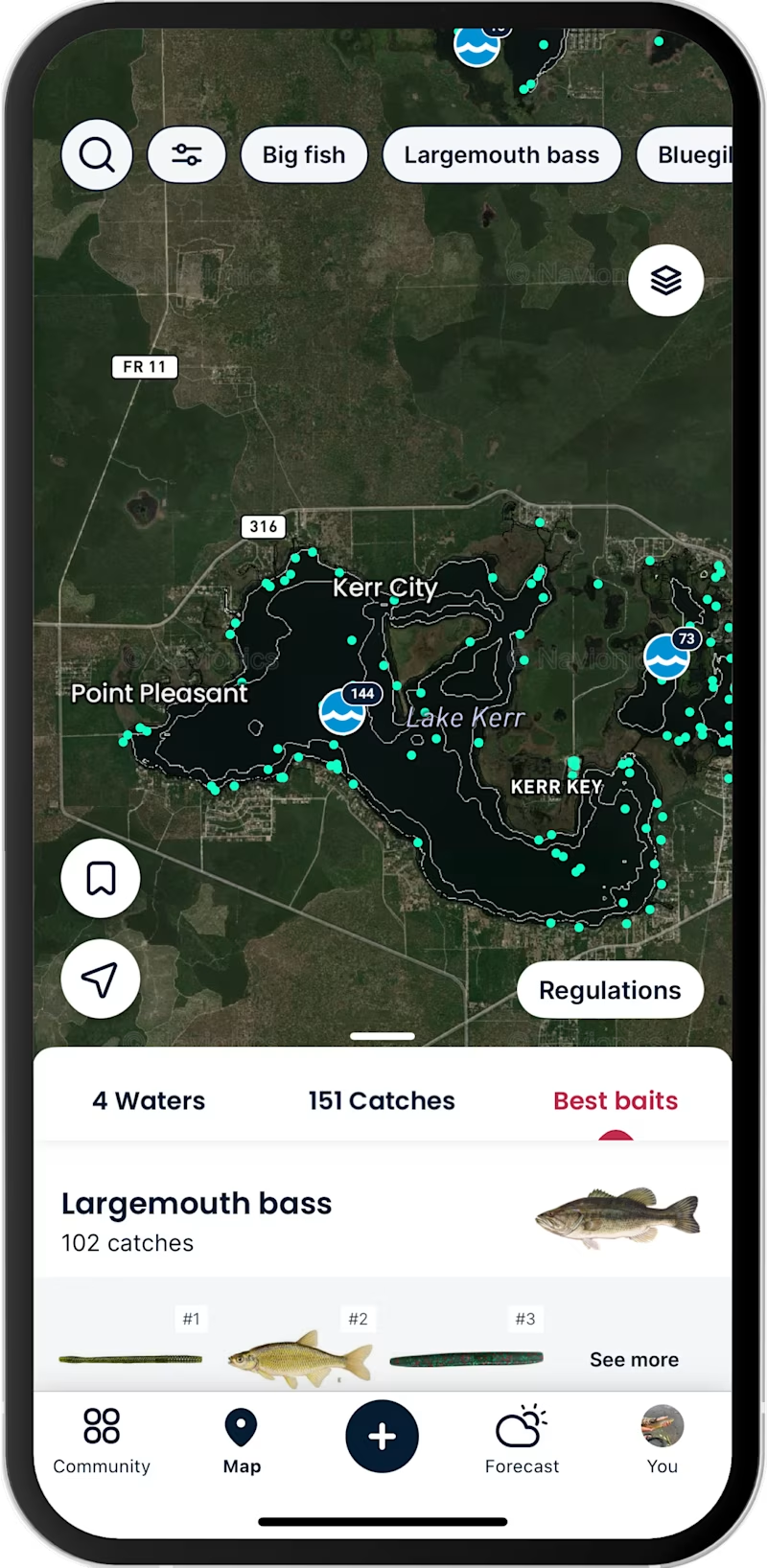
Another tactic to try is refining your search even more for all fish classified as “big fish”. This filter will only show fish that are considered large, or trophies, allowing you to study the lures used to attract and hook monsters of the deep.
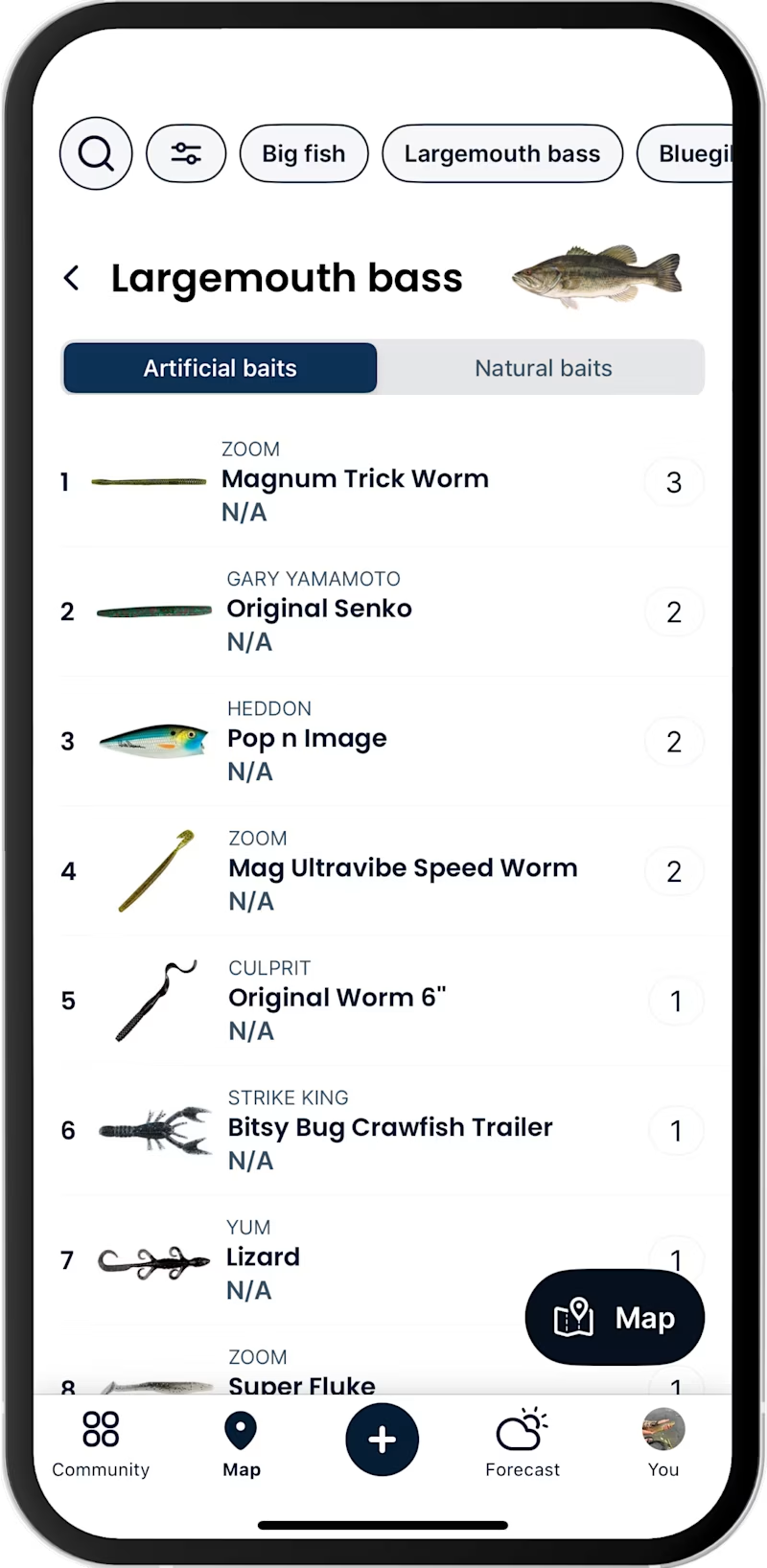
You can also try looking up specific species and study the best lures for each species overall.
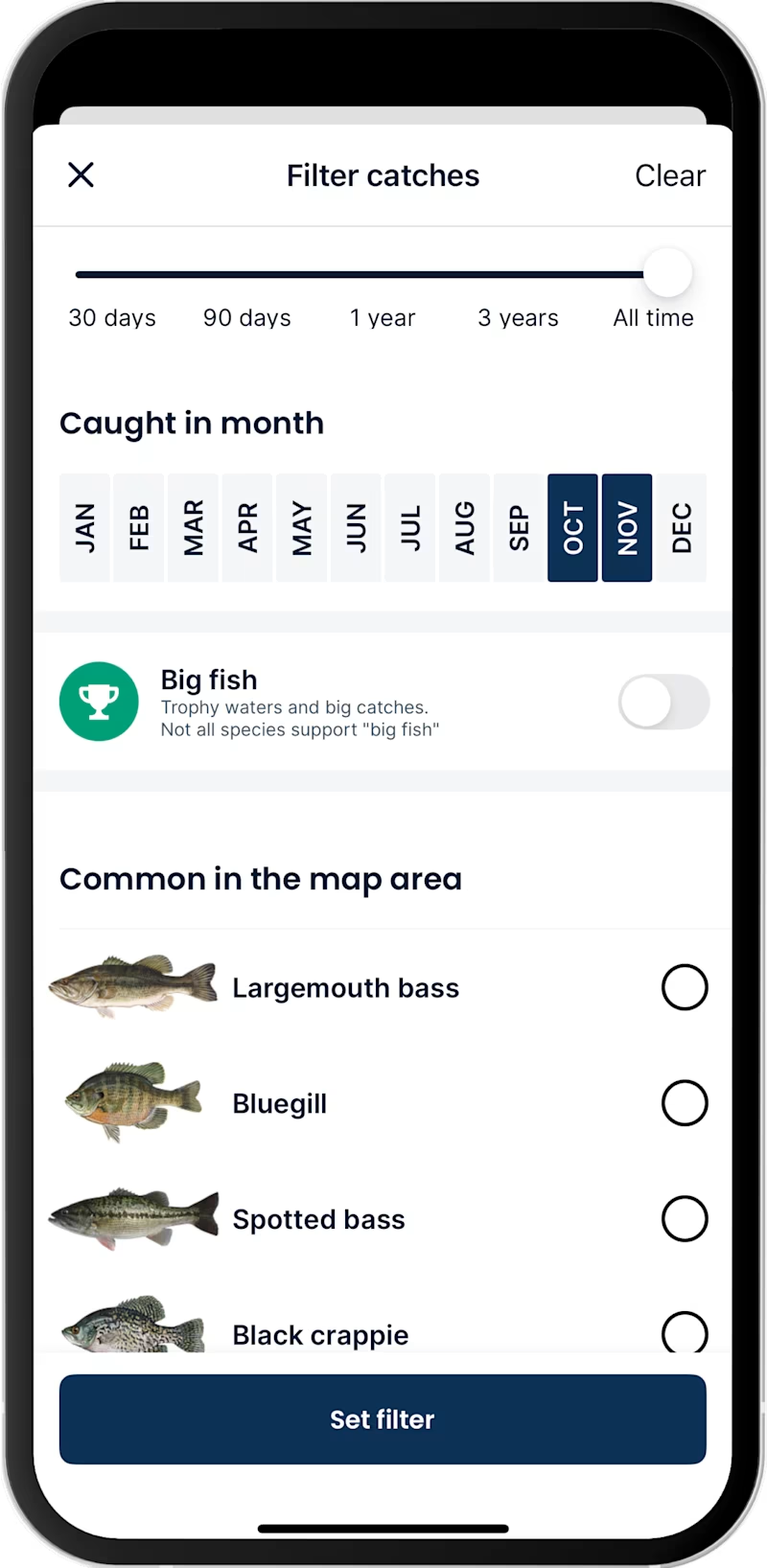
There are thousands of lures on the market with hundreds of variances of each, but that doesn't mean picking one has to be a guessing game. Don’t get too hung up on trying to make a lure work. Be fluid and try different varieties to find exactly what’s going down the hatch and then use Fishbrain when you need to figure out what’s next.
Now let’s go fishing.
If you haven't experienced the #1 fishing app worldwide, make sure and check out Fishbrain to see all the fish data, fishing spots, weather conditions you've been missing out on plus much more.

Download the Fishbrain app and access the best fishing spots in your area
Related blog posts
If fish keep trailing your lure without ever committing, you're not alone, and it's rarely bad luck. This guide breaks down why fish follow instead of striking, plus the retrieve changes, lure swaps and hookset tricks that turn hesitant followers into solid bites. You'll also learn how to read what those follows are telling you about depth, mood and presentation, so you can adjust on the water instead of guessing.
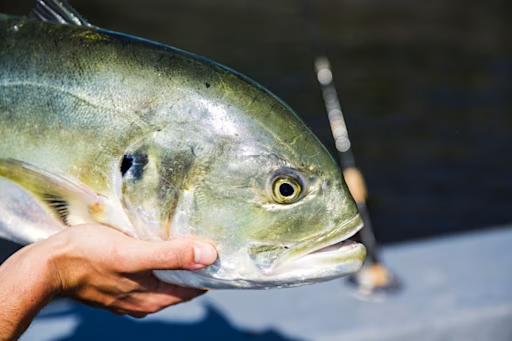
Every fall, Florida's coast erupts as millions of mullet trigger a feeding frenzy. See why the mullet run is fishing's wildest spectacle.
Worn or old fishing line can cost you the catch. Learn how often to replace mono, fluorocarbon, and braid, plus how to store and dispose of line properly.