Fall fishing changes: salt and fresh
From the beaches of Florida to the Great Lakes tributaries in Pennsylvania, learn how fish adapt to fall weather and how you can capitalize on that change.
Share this article
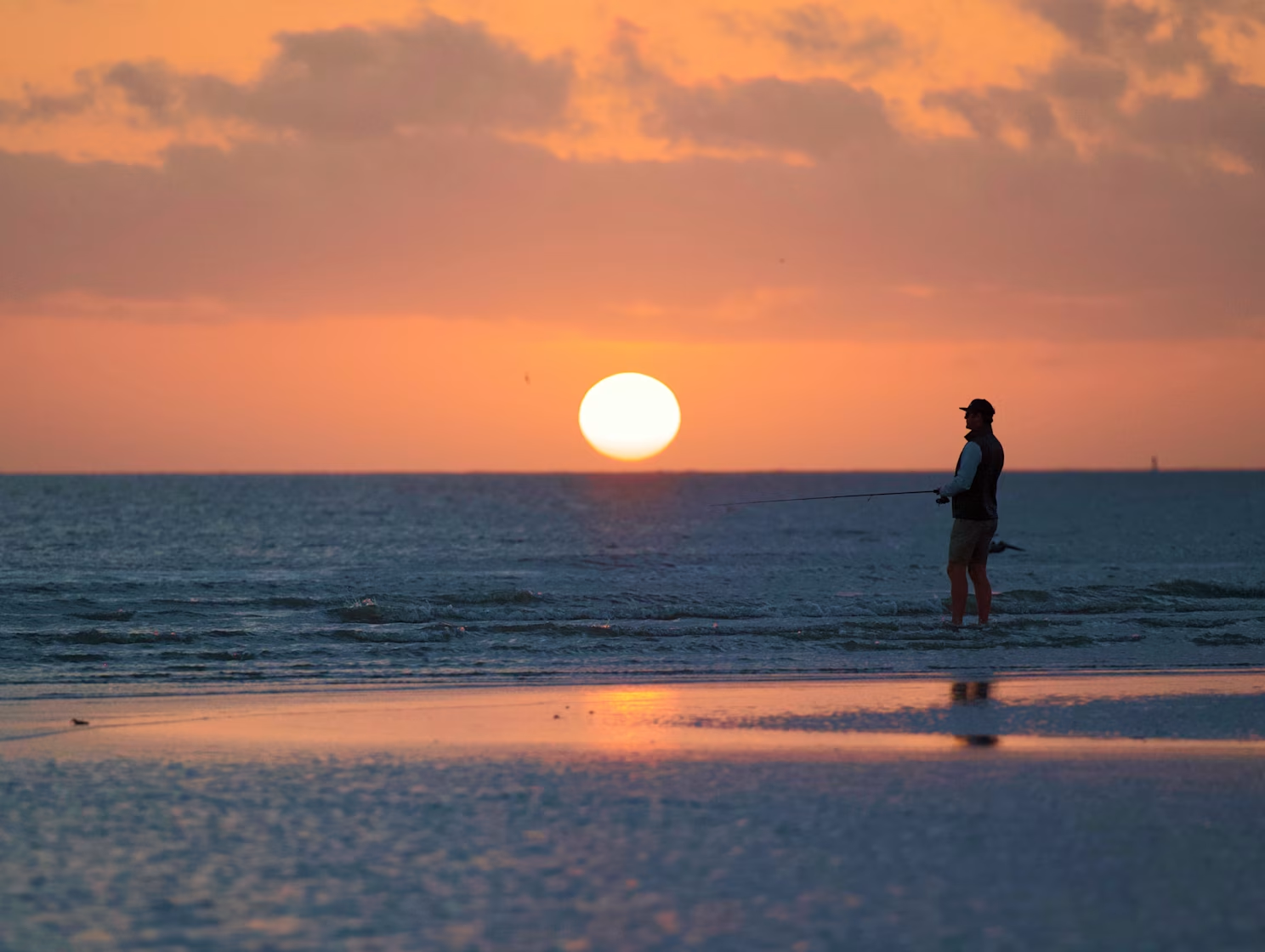
Fall weather is relative to every state, but the universal truth among them all is when fall takes hold the fishing gets good. North, or south, salt, or fresh, fall weather triggers a feeding instinct in most species.
The fish may be hungry, but as an angler, you still need to monitor the changes taking place in each species. Prey species, travel routes, water depths and more factors all come to play as the season changes and to truly be successful you need to understand each.
As the season makes its yearly shift and the fall breeze has you zipping up your jacket, we reached out to two members of the Fishbrain team who specialize in the southern salt and northern fresh waters. Learn from these pros on how to understand the fall shift and take full advantage.
The waters: South Florida fall and the mullet run
The angler: Captain Jonathon Moss of the Captain’s Log
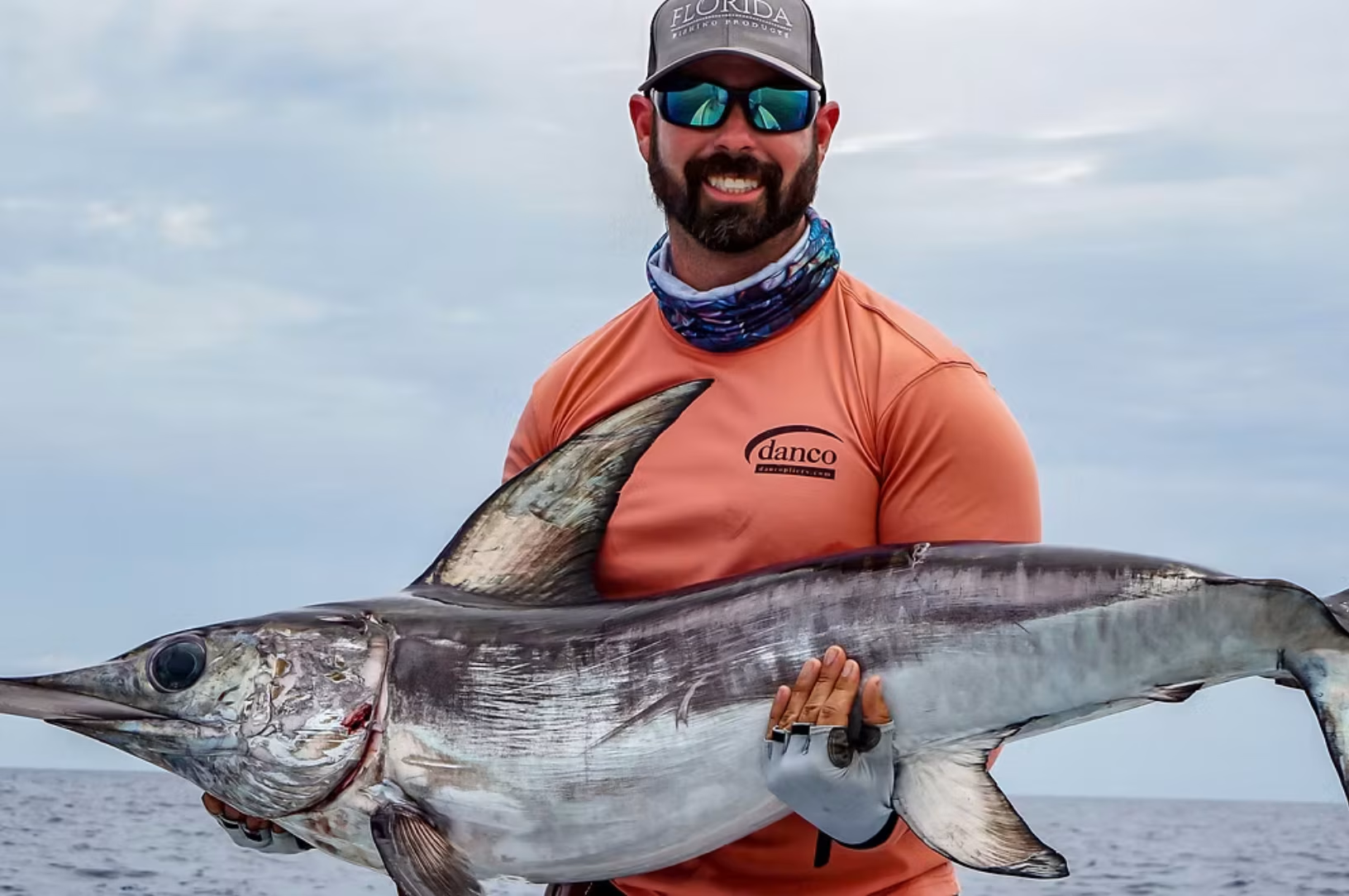
Fall in Florida is all about the changing water temps forcing migrations and feeding frenzies. The most important of all these migrations starts toward the bottom of the food web with the mullet run.
Captain Jonathon Moss of the hit fishing show the Captain’s Log, says the cold front season has just kicked off in Florida and he’s already noticed slight changes in the conditions.
“We experienced our first cold front of the season. A very welcomed front at that,” he said. “This has a direct impact on positive fish behavior and that will continue to improve as water cools.”
As the weather and water temps continue to change, Moss says you immediately see changes in all the inshore species.
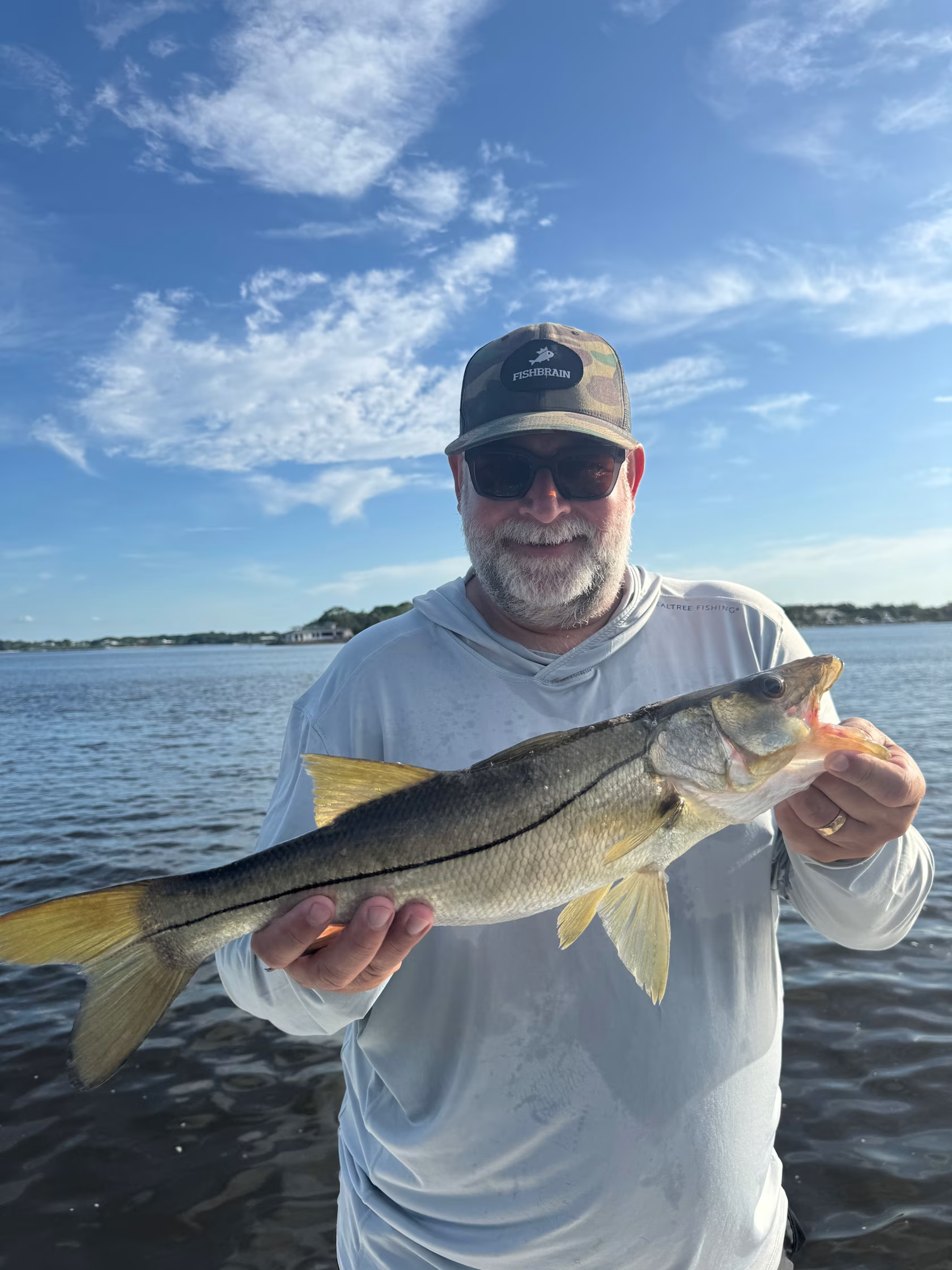
“Cooler water temps means more dissolved oxygen and all the fish, from bait to predators are happier and the predator fish become more aggressive,” he said. “Once winter arrives, we will see less tarpon and snook around as they head south seeking warmer temps.”
Moss goes on to say early in the changes you should still target species in the same habitats, just change the time of day you are looking for them.
“I will still be poling flats in search of tailing reds and laid up speckled sea trout but the biggest change will be start time, water temp and water depth,” he said. “As it gets cold, I'll start later in the day and in deeper water. As the water begins to warm up, I'll transition to shallower water as the shallow water warms up faster.”
When it comes to baits and lures, the captain uses a DOA CAL shad tail year round and the only thing he switches up is his retrieve speed as cold days require slower retrieves. When winter takes hold, the captain is still on the water, but if and when he starts seeing shrimp scattering and jumping out of the water on the flats, the captain will switch to a DOA shrimp as well.
Captain Moss welcomes the upcoming fall bite, but he also notes the real action is found with the mullet run.
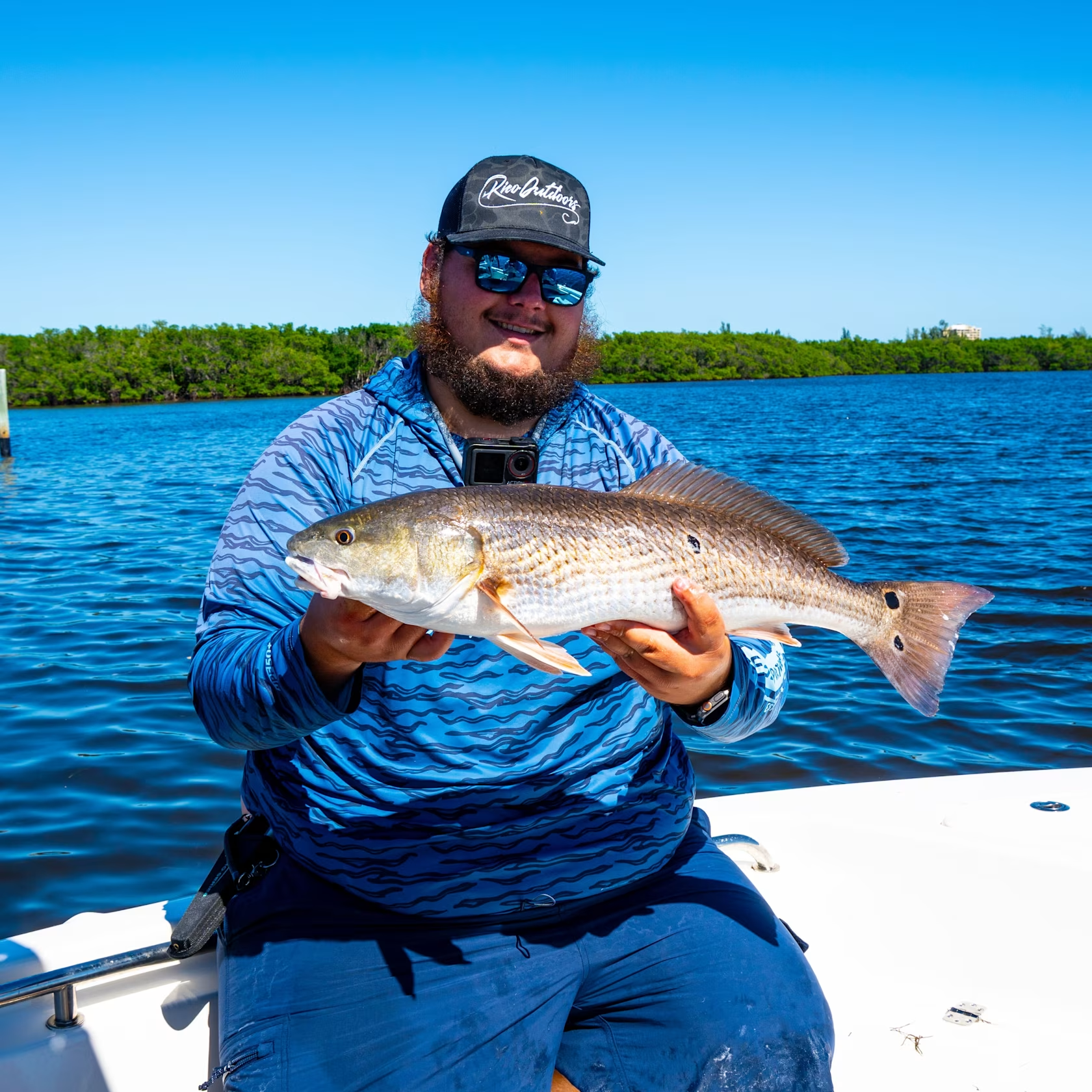
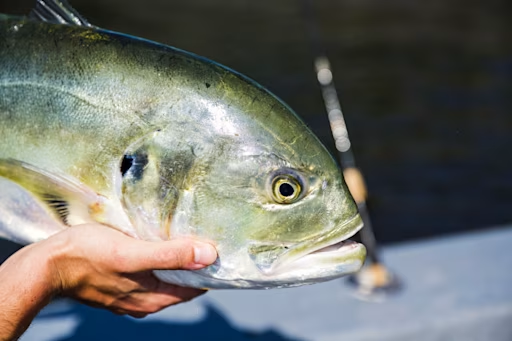
Mullet are a prey species for red fish, snook, tarpon, sharks and almost any other predator. Mullet travel north in the summer following the warm water and when fall comes, they chase that warmth back down south. During their southward trip, the fish congregate in schools made up of thousands. These massive numbers attract every predator nearby, including anglers, and the frenzy begins.
Casting into a feeding frenzy isn't as easy as it sounds, though. Hundreds and even thousands of fish are scrambling in every direction, which can make it hard to get a fish to notice your particular bait.
Captain Moss has a couple tips to make sure your bait, or lure, gets noticed amidst the chaos.
Match the hatch
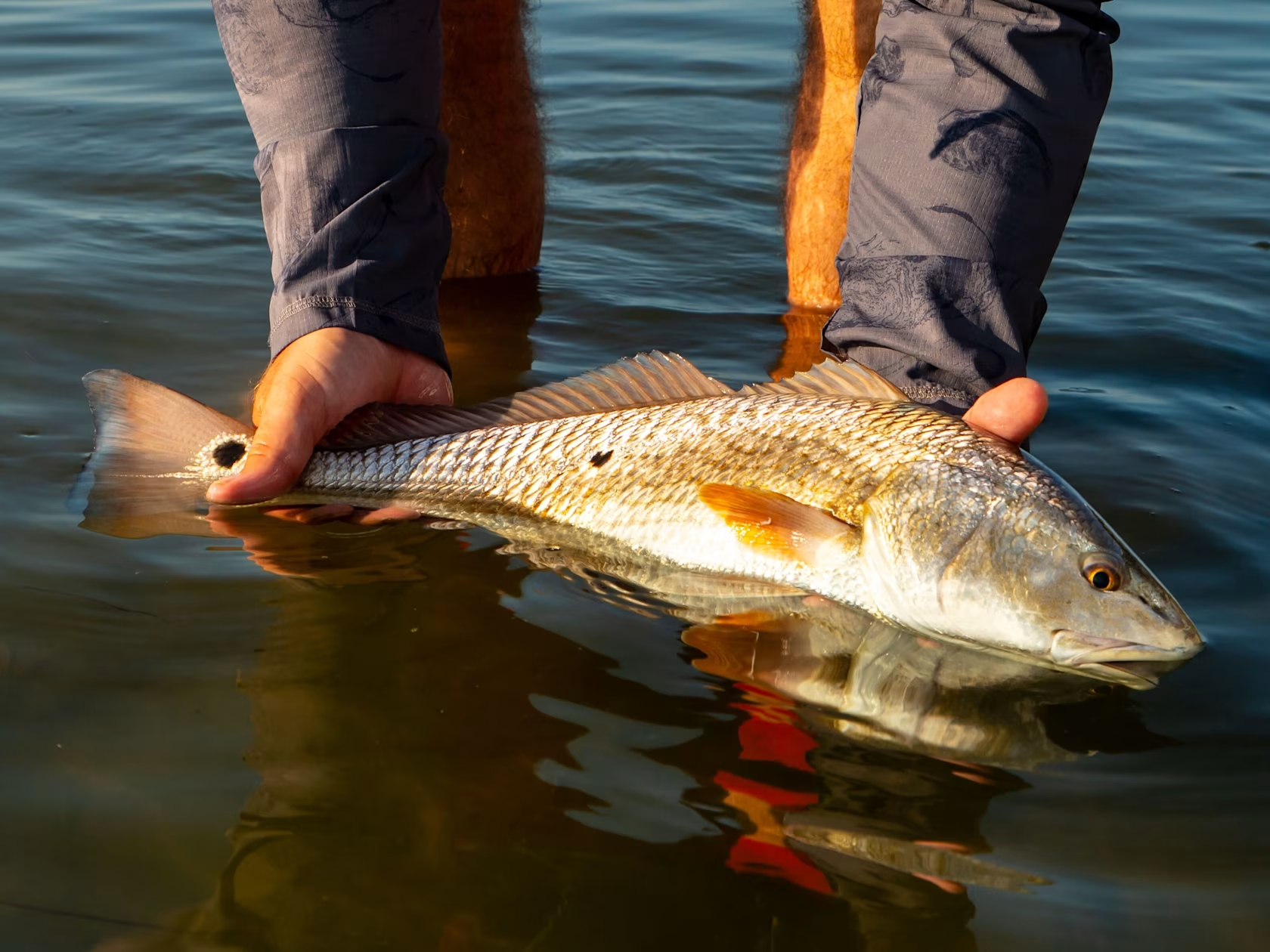
“Using a cast net, collect bait fish that are also in the area getting caught up in the frenzy and make a presentation in front of fish that appear to be actively feeding. The angler's bait will act stunned as it’s casted and hits the water, making it an easy grab."
Artificial baits can also be coated in scent and put out a different vibration/sound compared to the live bait to help it stand out amongst the crowd.
Match the hatch (not just for fly fishing)
Using a cast net, collect bait and make a presentation in front of fish that appear to be actively feeding. The angler's bait will act differently/stunned as it was casted and hit the water and well, it has a hook in its tail or behind its dorsal fin.
Use an artificial bait that matches the hatch. Artificial bait can be coated in scent and puts out a different vibration/sound compared to the live bait to help it stand out amongst the crowd.
The waters: Pennsylvania lakes, rivers and Great Lakes
The angler: Fishbrain team member MLF angler Joe LeBarbera
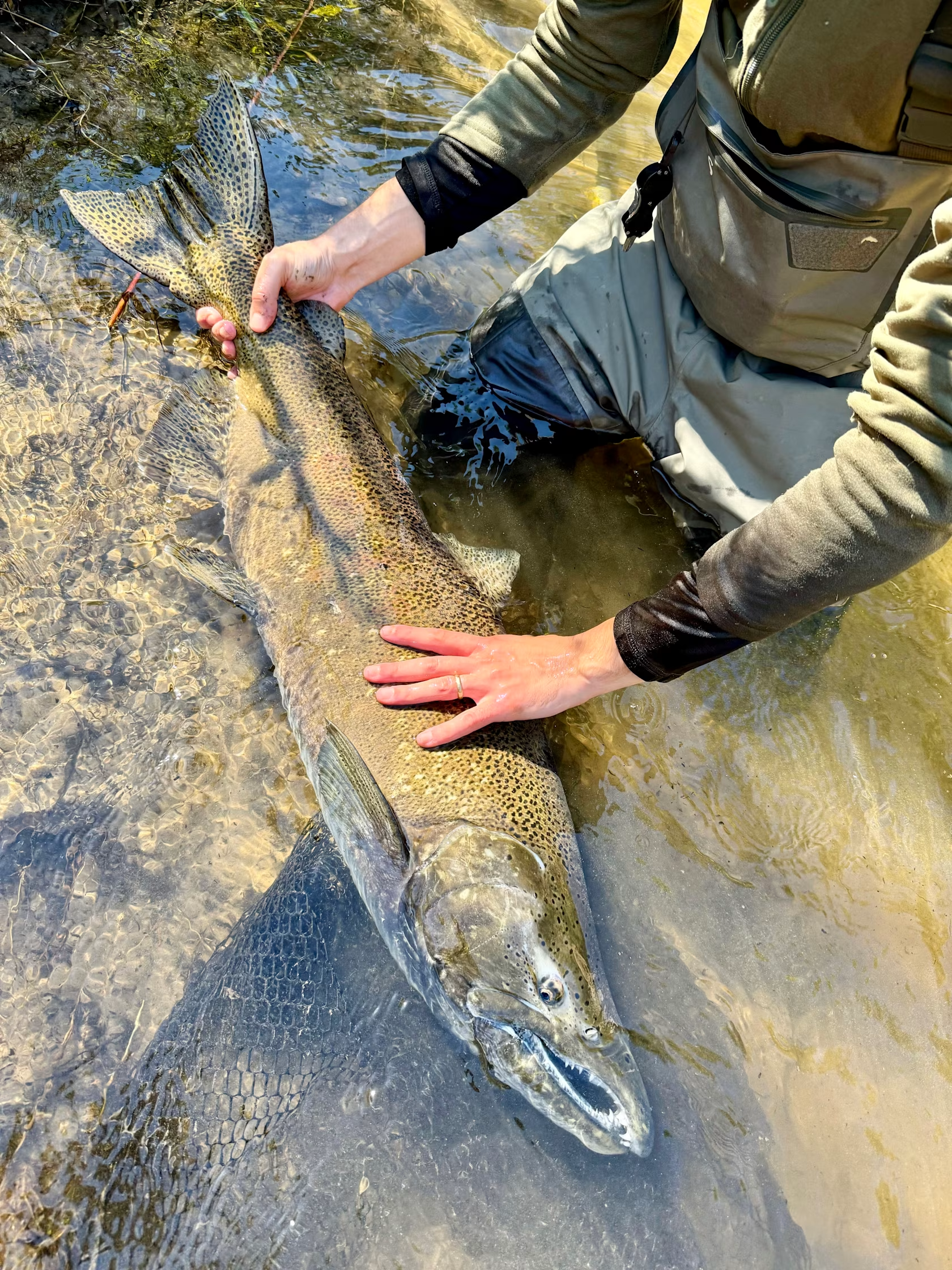
Far to the north in the Keystone State, fall comes earlier and more severe. Pennsylvania has a variety of fish to cast for, including trout, largemouths, smallmouths, pike, muskie and anadromous species traveling up the rivers from the Atlantic and Great Lakes. Each of these species have unique challenges with a changing season and need a well of knowledge regarding how they act as the changes take place.
Fishbrain team member Joe LaBarbera has made a career out of the waters of Pennsylvania and surrounding states. He’s a competitive angler and content creator who lives for fishing and shared his knowledge with us regarding the change of seasons.
LaBarbera says one of the greatest gifts Pennsylvania offers during fall is its plethora of small lakes. Lakes under 1,000 acres feel fall’s first twinges of fall, making the warm water fish inhabitants react first. The rapidly dropping temps will make most species immediately react into feeding mode, possibly making them easier than any other time of year to trick with a lure.
After the smaller lakes start to chill, LaBarbera says northern Pennsylvania, with Lake Ontario and Erie nearby, is home to some of the best salmon, steelhead and trout fishing located anywhere outside the Pacific Northwest.
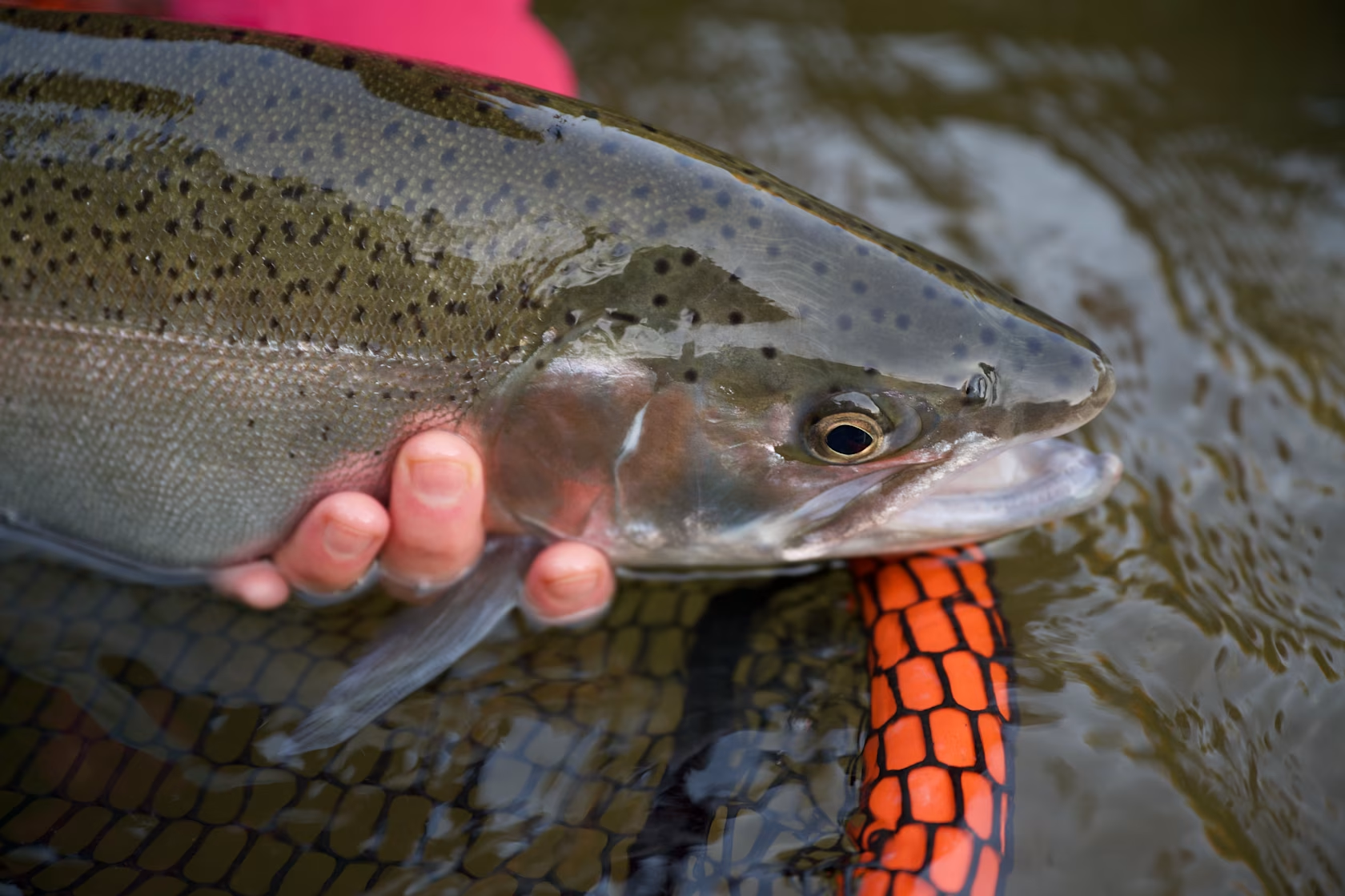
LaBarbera says the first species to change their behaviors in fall are generally salmonids and walleye.
“Species that follow bait into the rivers for the winter or simply run up the rivers for the fall spawn are the ones that can be targeted at the river mouths and in shallow bays first. Trout, salmon, and walleye are always the first,” he said. “Bass seem to stay in their summer time patterns longer; however, much like the salmon and trout, when the switch flips and they decide to start getting into the shallows the bite is on.”
He goes on to say his techniques and lure setups will change in the lakes, as the season presses on and fish behavior starts to change.
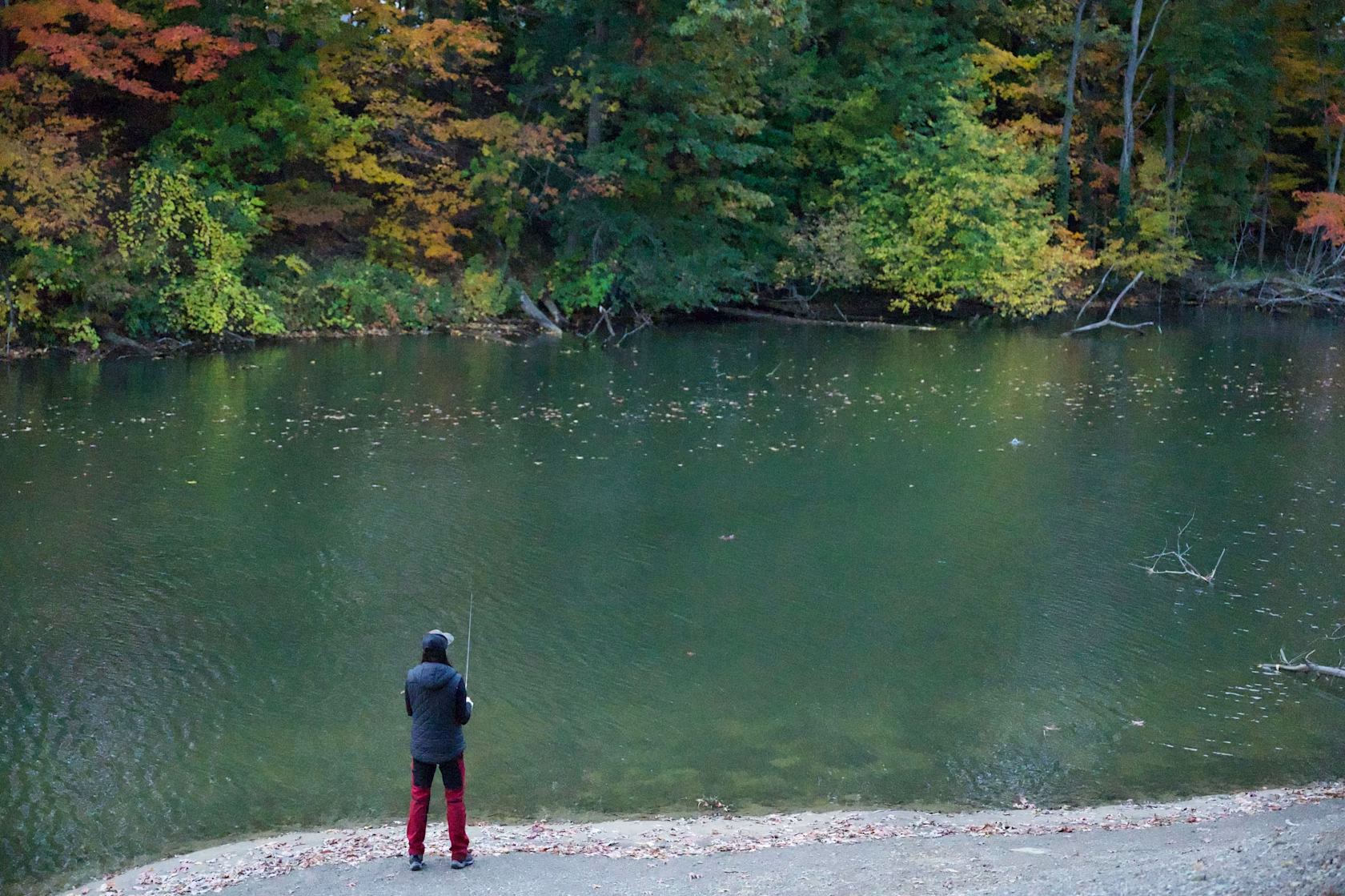
“The key to fall fishing in the lakes is fish techniques that allow you to cover water. When you find fish they are often in high concentrations so the key is to keep moving,” he said. Bass often don’t stay in one place for more than a few hours, or maybe a day, so you often have to relocate a large group within an area, but when you land on them you can have one of those truly memorable days.”
In the fall, my favorite lure to throw is the Alabama Rig. Between the multiple swimbaits attached and all the blades on it, it appears to musky, pike, bass, and walleye like a school of bait that they just can’t let it swim by.
In the rivers, we try our best to imitate roe or even skeins of roe (many eggs still attached by a membrane) in order to target the species that are following the salmon and preparing for the long winter in the river.
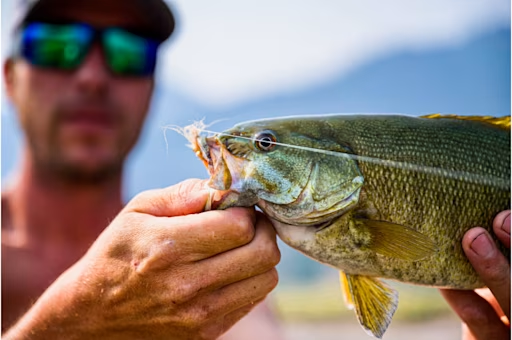
Species wise, LaBarbera said he gets the most thrills from fall smallmouth and steelhead. Small mouths can put on up to two pounds during the fall feeding frenzy, giving them additional power for an already hard fighting fish. But as great as the smallies are, it is hard to beat the steelhead coming out of Lake Ontario. Ontario steelhead are a smaller variety than those coming from nearby Lake Erie, but their fighting ability and speed are still the same.
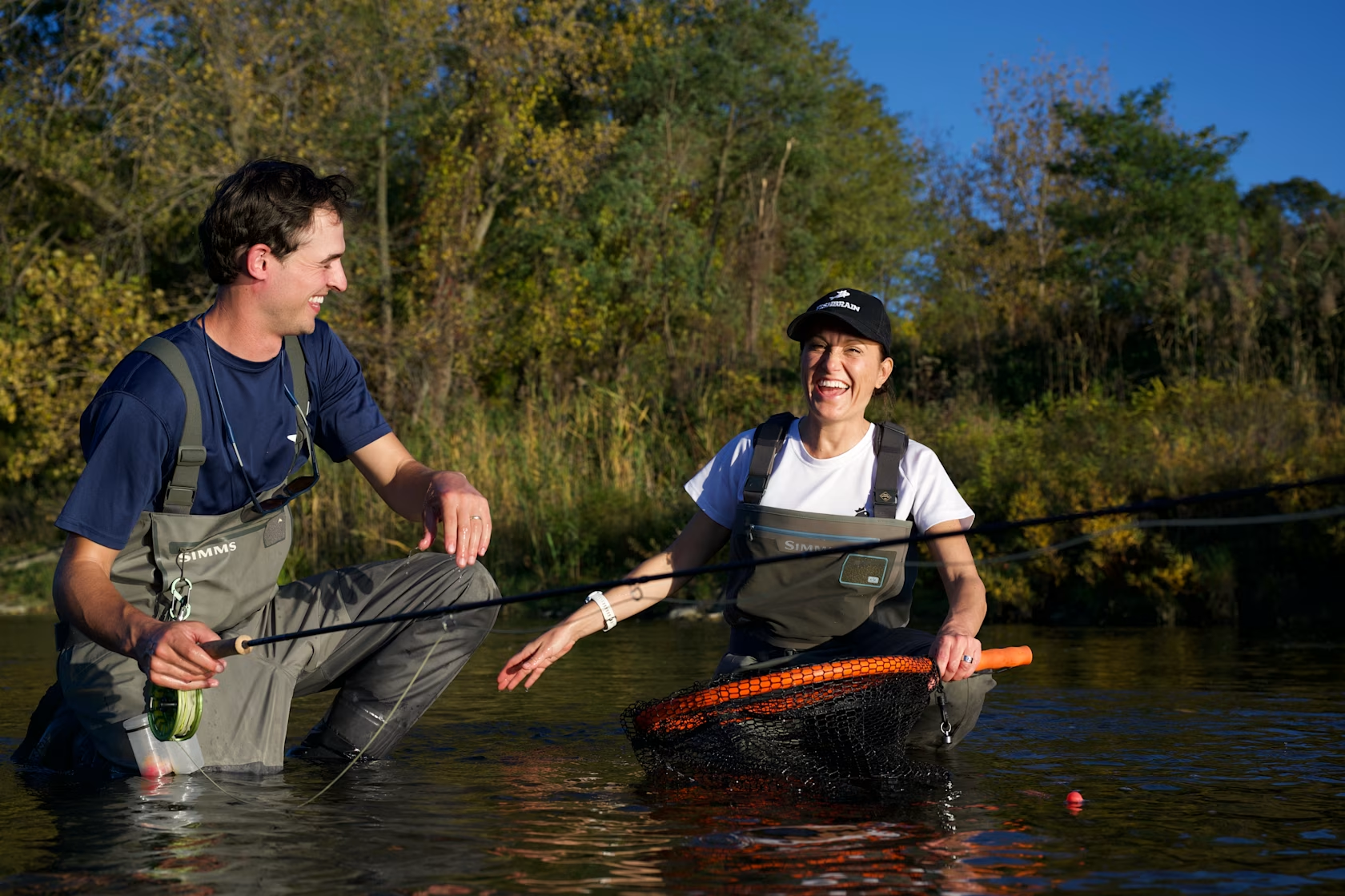
“If you’re lucky enough to hook into a fish over 10lbs, make sure you have your running boots on because they are going to take you for a ride that could have you running up to a mile of riverbed to keep up.”
Weather and how much you’re willing to put up with may be the ultimate factor when it comes to thriving in the fall. Cloud cover, cold snaps and even a little wind are all your friends this time of year. Falling temps and oppressive wind and rain will get fish moving, while keeping your competitors sequestered to their couch at home. LaBarbera said some of his best days come when most people would prefer to be inside.
“Overcast, cold, even rainy conditions with moderate to high winds are often the days that you shouldn’t be at home staying warm; instead you should be out making the most out of targeting both river and lake species alike.”
The opposite can be said of a warm spell, however. According to LaBarbera, plentiful sunshine and warmth can slam the door on a bite. Fish react this way because while the cold weather drives them into the shallows to warm up, the bright sun and warmth will make fish feel exceedingly vulnerable and weary. They may move to solid cover, or move back into deeper water, or just shut down feeding completely in these situations.
“As these fish swim through the shallow bays of the lakes and shallow tributaries that feed the lakes, they don’t like to be seen by humans and predators alike. Clear skies and low water cause these fish to get extremely line shy and even shut off for a short period of time.”
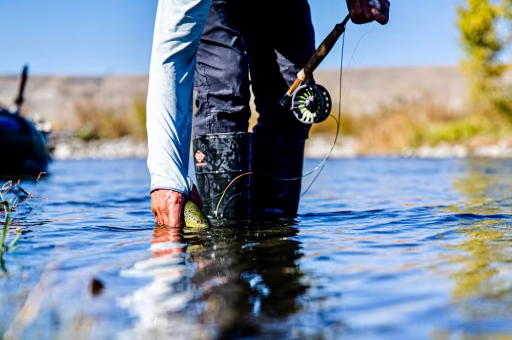
Whether you’re on the warm salt, or wading in an icy river, we encourage every angler to cherish these last few fishing moments before winter sets in and most of us start thinking about spring. It’s a last chance for the most amazing fishing time of year. Let’s make the most of these days of fading daylight and hungry fish.
The water is always calling us, but sometimes it’s quieter than others. Let’s heed this call to action before it's muffled in winter. Let’s go fishing.
If you haven't experienced the #1 fishing app worldwide, make sure and check out Fishbrain to see all the fish data, fishing spots, weather conditions you've been missing out on plus much more.

Download the Fishbrain app and access the best fishing spots in your area
Related blog posts
Get our best fall bass fishing tips, from finding baitfish to picking lures that work when the water cools. Fish smarter this fall.
Why do so many captains ban bananas from the boat? Dig into the history behind fishing’s strangest superstition, from sunken ships to hidden spiders.
If fish keep trailing your lure without ever committing, you're not alone, and it's rarely bad luck. This guide breaks down why fish follow instead of striking, plus the retrieve changes, lure swaps and hookset tricks that turn hesitant followers into solid bites. You'll also learn how to read what those follows are telling you about depth, mood and presentation, so you can adjust on the water instead of guessing.