Fall species identification
Confused between walleye, sauger, and saugeye? This guide breaks down the key differences in color patterns, fin spots, and body shape to help anglers and outdoor enthusiasts identify these popular game fish with confidence.
Share this article
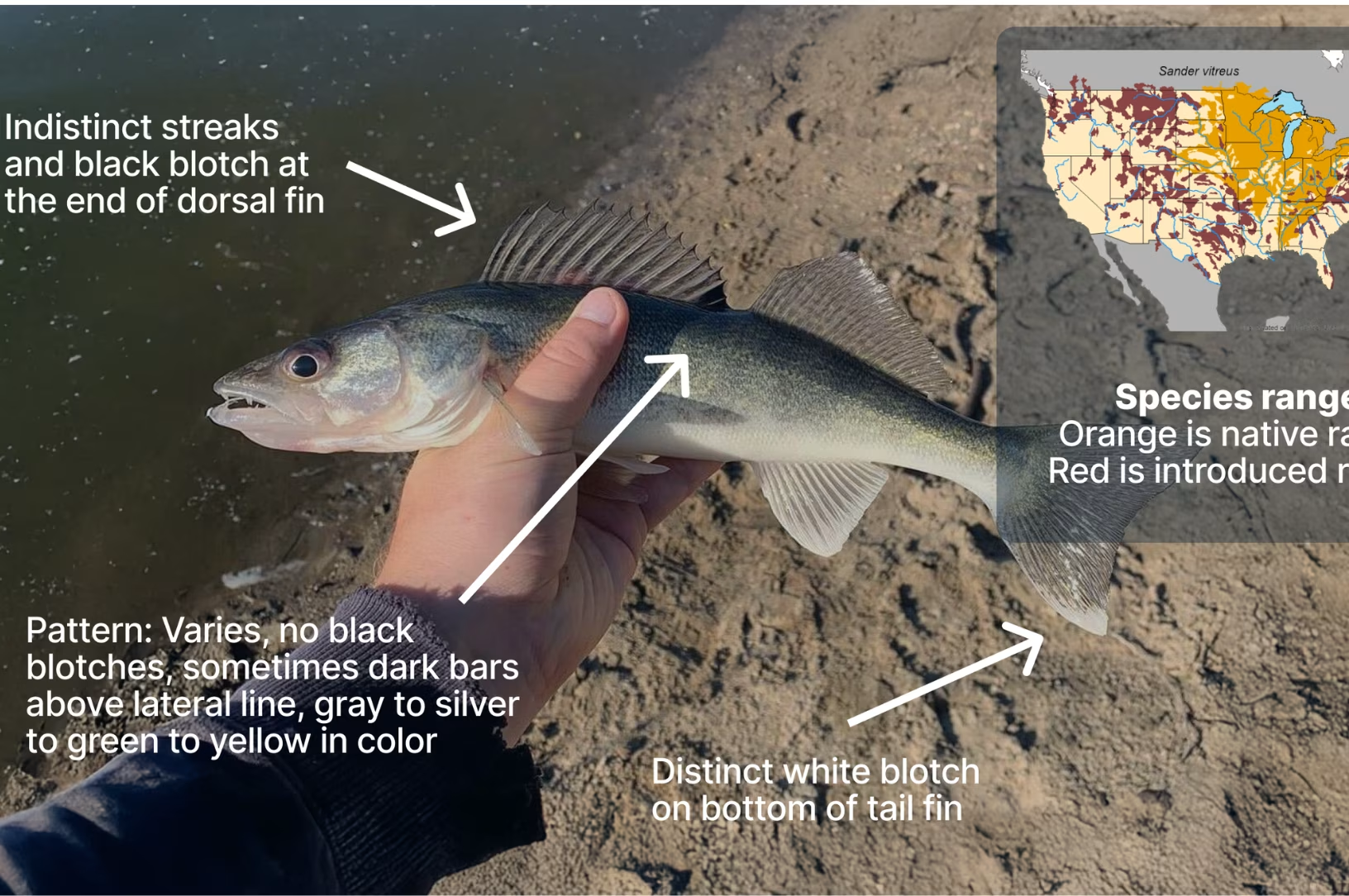
Walleye and their close relatives are some of the most sought-after sportfish in North America. They’re prized for their table quality and the challenge they present to anglers, but telling them apart isn’t always straightforward. Between the similarities of walleye and sauger, the naturally occurring hybrid known as saugeye, and the European cousin zander, which also resides in the U.S., identification can get tricky.
This guide is meant to simplify those distinctions. Whether you’re new to angling, a seasoned pro, or somewhere in between, you’ll walk away with the tools to recognize each of these fish, just in time for fall fishing.
Walleye (Sander vitreus)
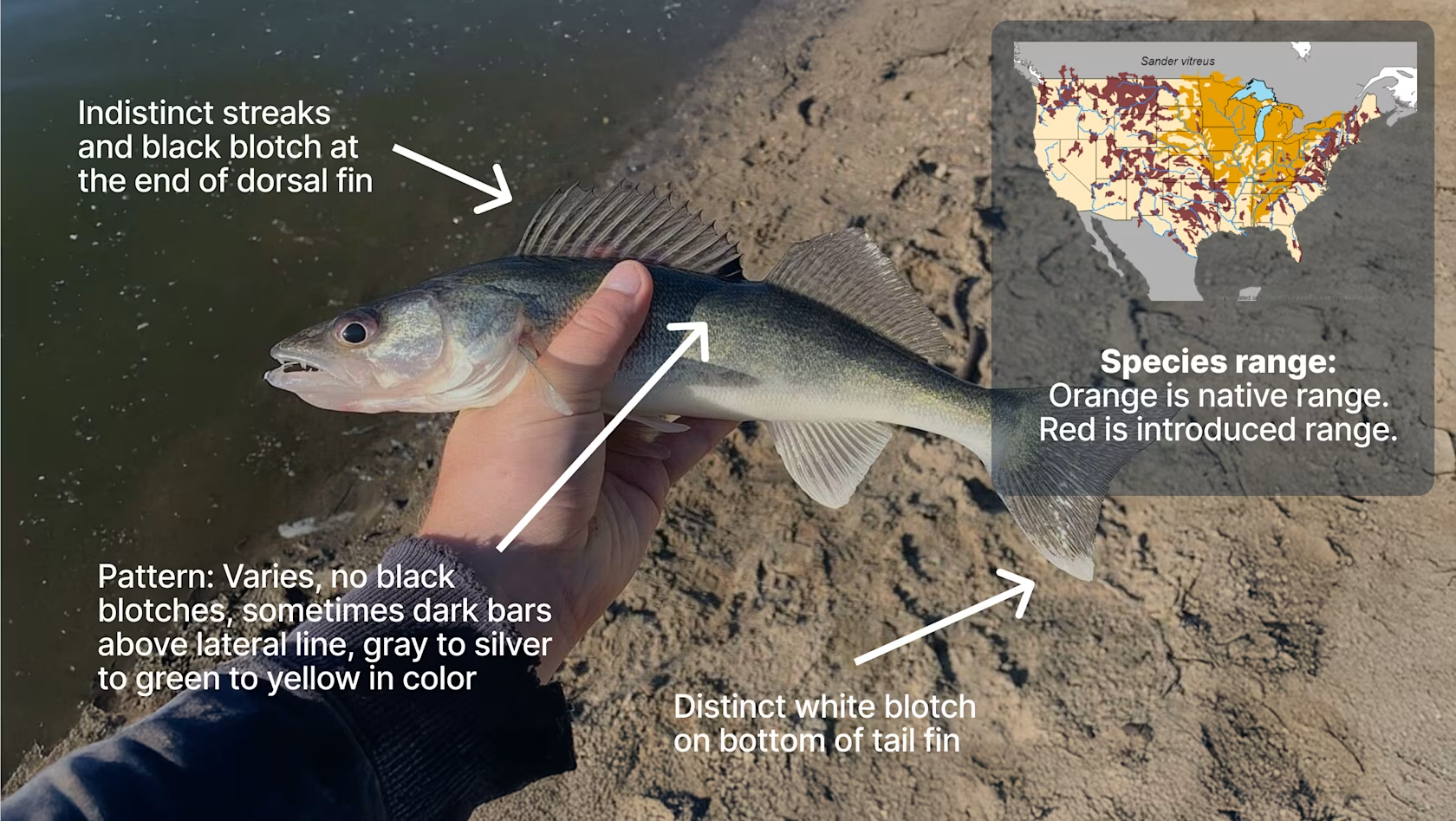
Walleye are the best-known member of this group, widely distributed across much of North America. Their identifying traits include indistinct streaks and a black blotch at the end of the dorsal fin, along with a distinct white patch on the bottom of the tail fin. Their body coloration can vary from gray to green to yellow, sometimes with faint bars above the lateral line.
Key ID traits:
Black blotch on dorsal fin, white patch on tail fin, no blotches on patterning.
Size: Up to ~32 inches.
Range: Native across the Midwest and Canada, with introductions widely spread across the U.S.
Sauger (Sander canadensis)
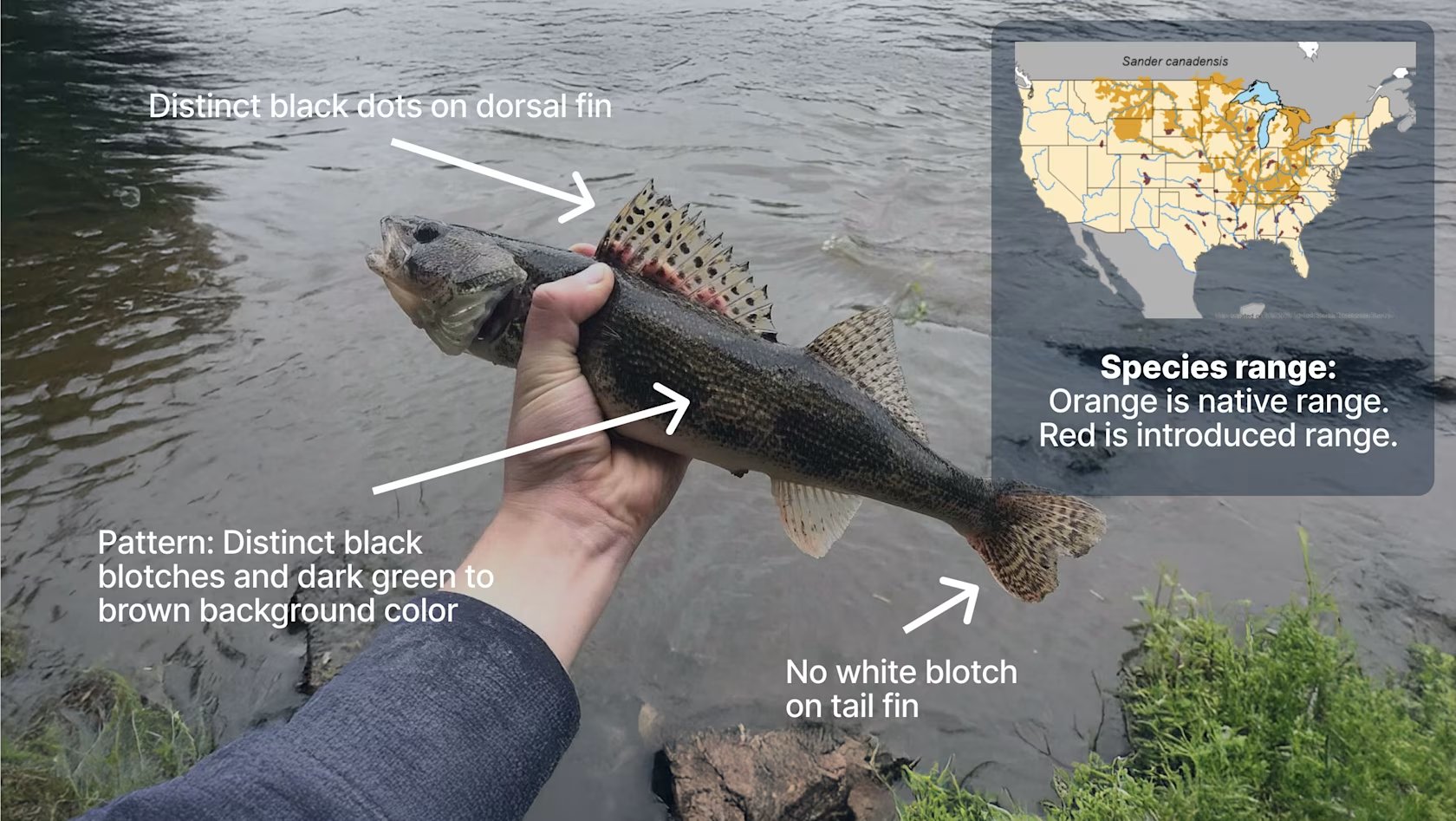
Sauger are typically smaller than walleye with a more mottled look. They show distinct black blotches along their sides, a darker green to brown background color, and most importantly, black dots sprinkled across the dorsal fin. Unlike walleye, sauger lack the white patch on the lower tail fin.
Key ID traits:
Black dots on dorsal fin, blotchy patterning, no white patch on tail fin.
Size: Up to ~22 inches.
Range: Native to rivers and reservoirs throughout much of the central U.S.
Saugeye (Sander vitreus × canadensis)
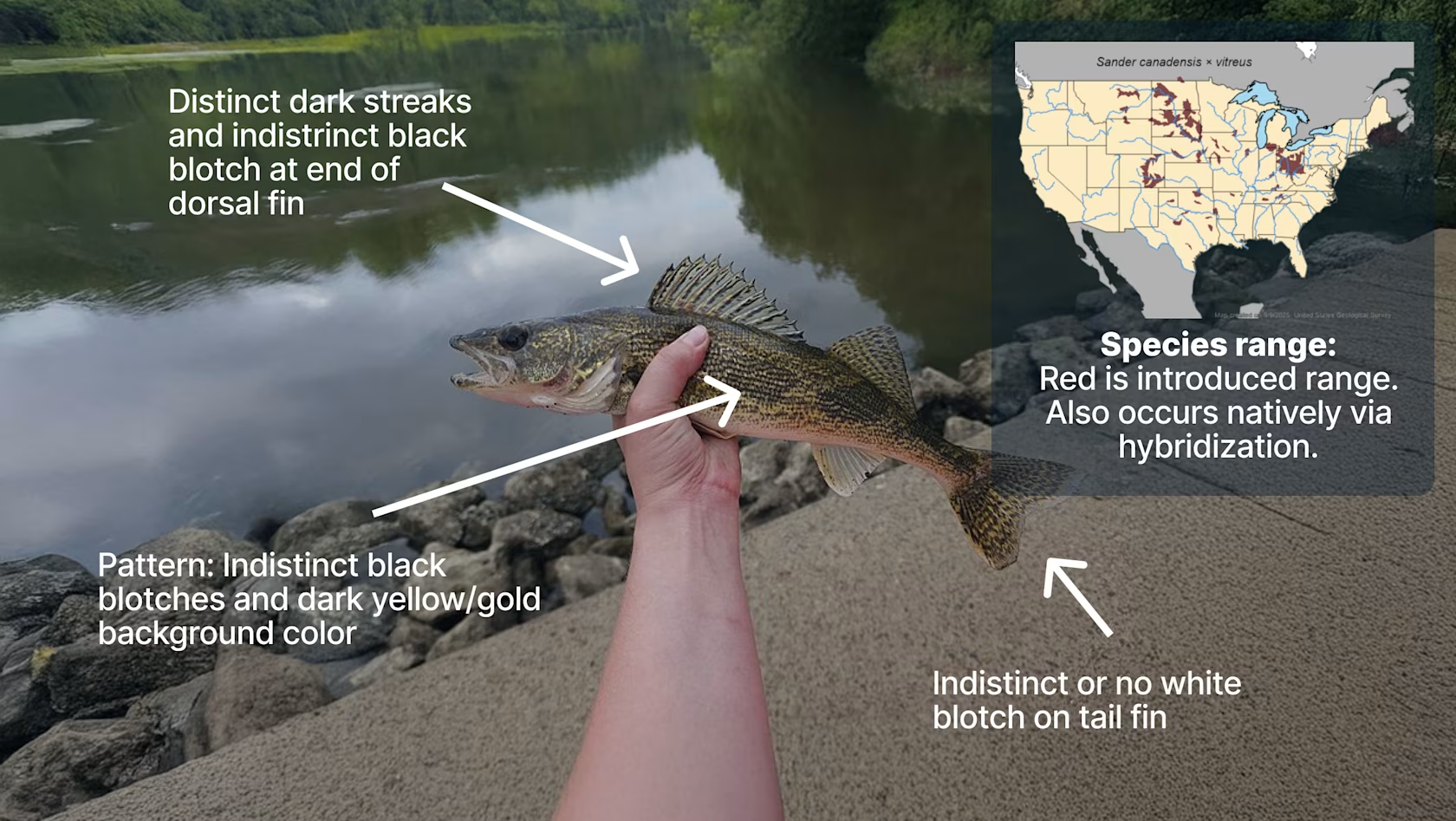
Saugeye are naturally occurring hybrids of walleye and sauger and show a mix of traits from both parents. They can have dark streaks on the dorsal fin with a faint blotch (or no blotch) at the end, indistinct blotches along the body, and a darker yellow or gold background color. The tail may show a faint white patch, but is often unclear.
Key ID traits:
Mixed traits from walleye and sauger, distinct streaks on dorsals, indistinct blotches, sometimes faint white tail patch.
Size: Up to ~30 inches.
Range: Found in reservoirs where walleye and sauger overlap or where fisheries managers have stocked them.
Zander (Sander lucioperca)
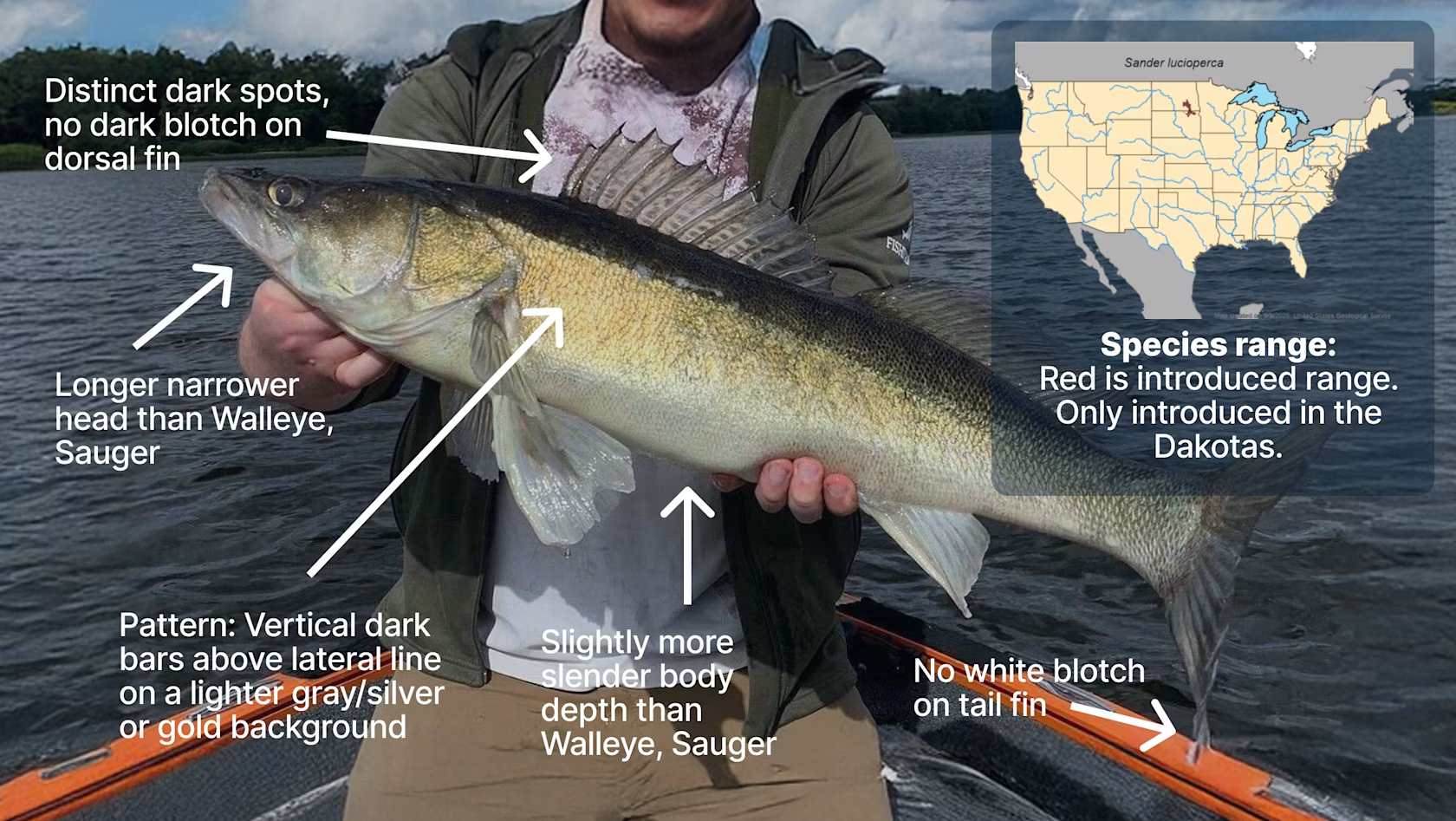
The European cousin of the walleye, zander, are a major sportfish overseas and were introduced in limited areas of North America, specifically the Dakotas. They have distinct vertical bars running along a silver, or golden, background, a longer and narrower head than walleye or sauger, and dark spots on the dorsal fin but no single black blotch. They also lack the white tail patch that’s such a giveaway on walleye.
Key ID traits:
Vertical bars, long narrow head, no white tail patch, dark dorsal spots.
Size: Up to ~42 inches, the largest of the group.
Range: Native to Europe and western Asia, introduced in parts of the U.S. (notably the Dakotas).
Why proper ID Matters
Correct identification is more than just trivia. These fish have different management rules depending on the body of water and jurisdiction, especially when hybrids are involved. Learning to quickly tell them apart ensures you stay within regulations and also deepens your appreciation for the diversity of this fascinating genus.
Walleye, sauger, saugeye, and zander each have their own story, and knowing the differences helps you respect their place in our waters - whether that’s the Mississippi River, a Midwestern reservoir, or a European lake.
Walleye–Sauger–Saugeye–Zander Photo ID Guide
Now let’s go fishing.
If you haven't experienced the #1 fishing app worldwide, make sure and check out Fishbrain to see all the fish data, fishing spots, weather conditions you've been missing out on plus much more.

Download the Fishbrain app and access the best fishing spots in your area
Related blog posts
Why do so many captains ban bananas from the boat? Dig into the history behind fishing’s strangest superstition, from sunken ships to hidden spiders.
If fish keep trailing your lure without ever committing, you're not alone, and it's rarely bad luck. This guide breaks down why fish follow instead of striking, plus the retrieve changes, lure swaps and hookset tricks that turn hesitant followers into solid bites. You'll also learn how to read what those follows are telling you about depth, mood and presentation, so you can adjust on the water instead of guessing.
Every fall, Florida's coast erupts as millions of mullet trigger a feeding frenzy. See why the mullet run is fishing's wildest spectacle.