The mullet run: Business up north party in the south
Every fall, Florida's coast erupts as millions of mullet trigger a feeding frenzy. See why the mullet run is fishing's wildest spectacle.
Share this article
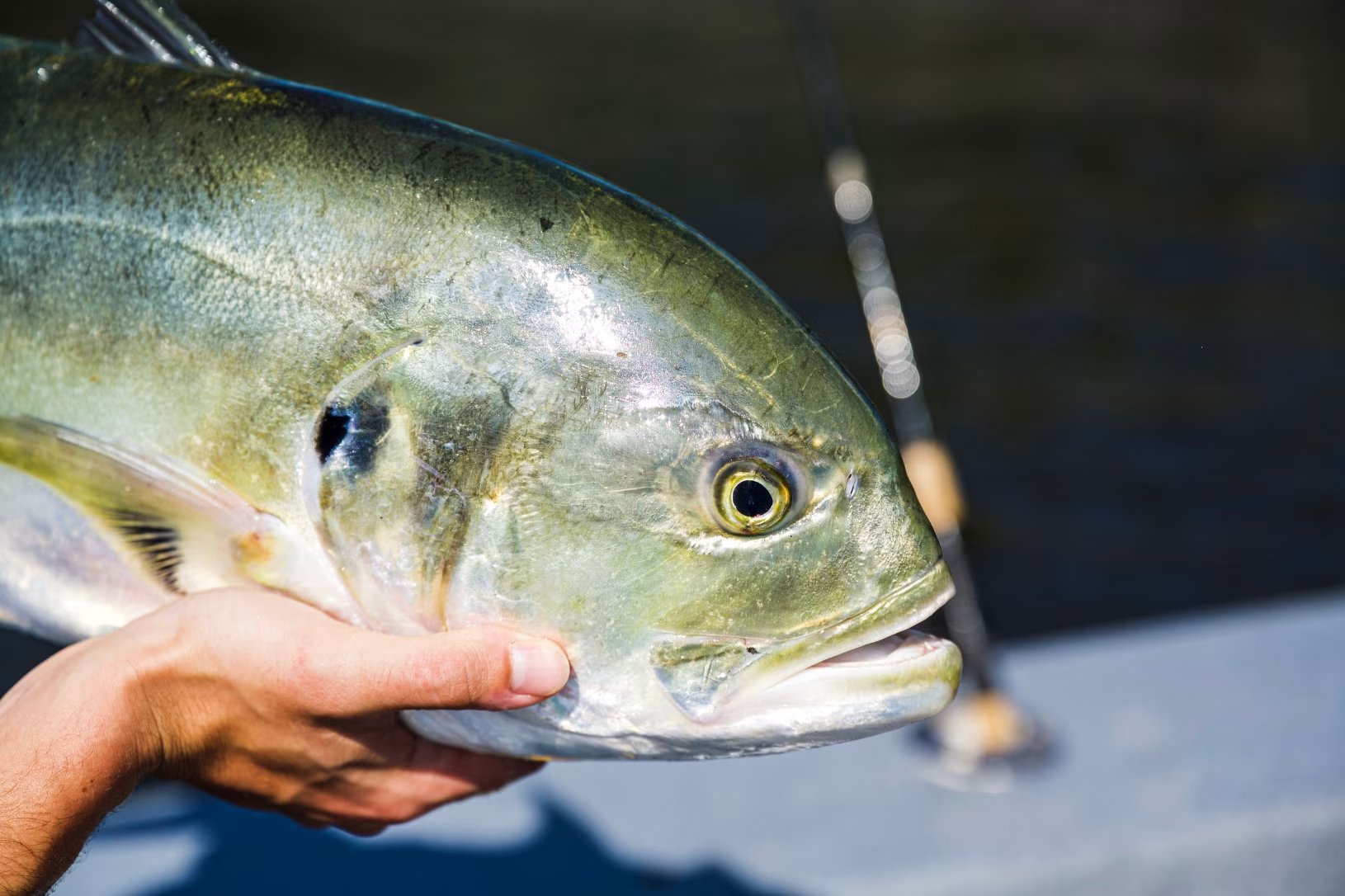
If you listen carefully during the late summer nights in South Florida, you can hear the chaos. Splashing, thrashing and blowups signal predatory fish starting a feeding frenzy. Unlike a standard feeding session, however, this thrashing doesn't end, but seemingly intensifies. Snook, tarpon and even sharks all gather in on the feast. Some of the craziest fishing in Florida is just starting up. The mullet run is just heating up.
Business up north, party in the south
Anyone who's fished warm saltwater has probably heard a mullet jumping from the water. The small algae feeders travel in schools and are found all over the world, providing a historical food source for people and a current source for multiple predatory fish. They come in different sizes as well, with finger mullet being only a few inches long and horse mullet getting up to around 15 inches.
On any given fishing day, mullet aren't much more than background noise on the water as they regularly jump out of it. In summer, mullet spread out between Florida and into Canada. When summer begins shifting to fall, the cooler water then forces the mass migration back south.
The southern migration collects more and more fish, forming large schools on a collision course with Florida and some predators close behind.
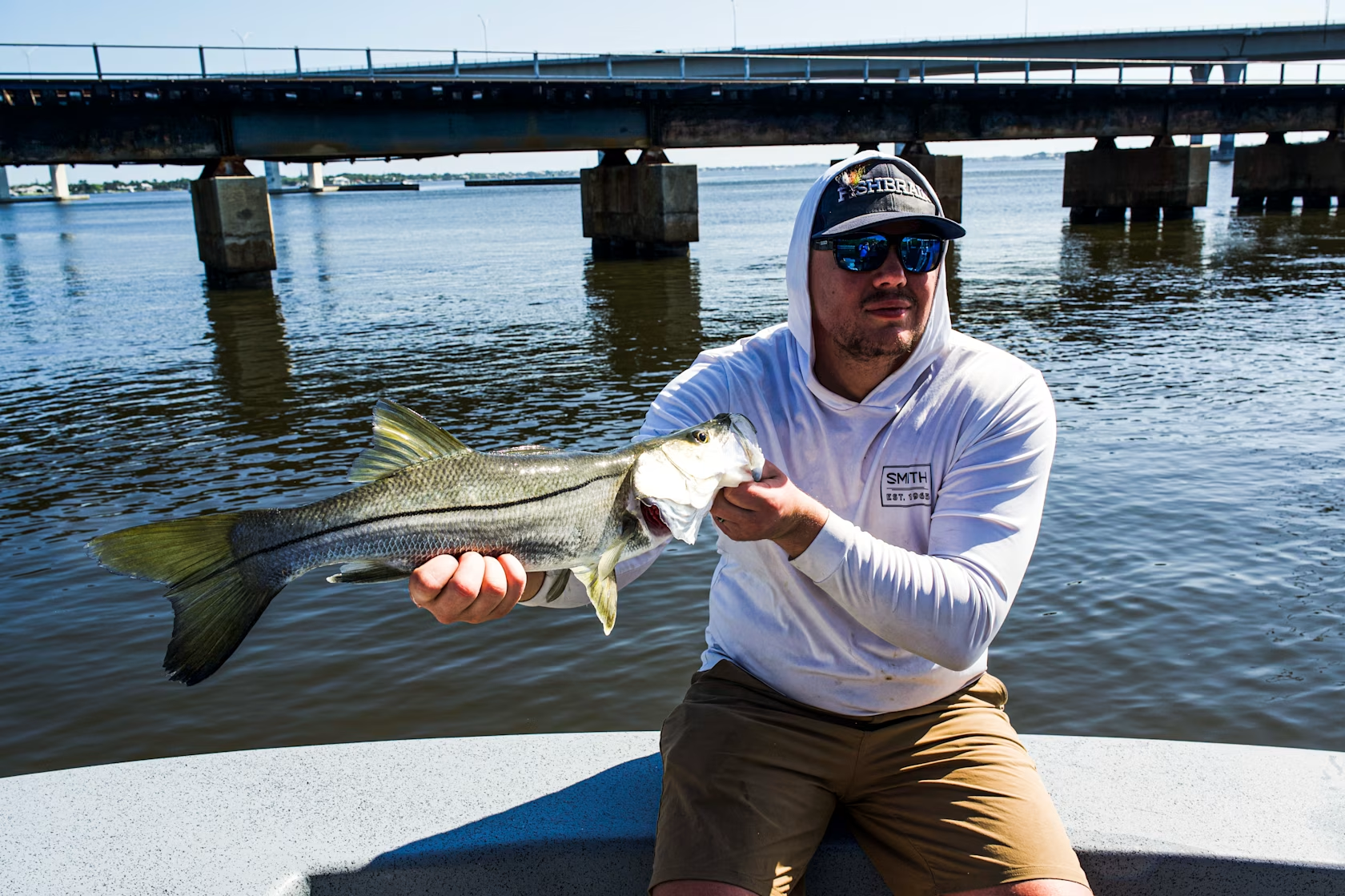
Captain Cody Baker is a Fishbrain team member and guide in Stuart, Florida, along the Treasure Coast. The mullet run is one of his favorite times of year for the excitement and variety he can offer clients.
"The biggest selling point for me is the amount of action people can watch on a trip," he said. "You can see a mullet school blow up on a seawall, then a 60 pound tarpon air out while chasing them."
How to fish it
Timing is important for any migration, but Captain Baker said when Cocoa Beach to the north is getting mullet, he knows it will only be around two weeks before the action gets to him in Stuart.
As far as targeting the fish, Baker says to focus on the beaches and seawalls and make sure to fill your livewell with mullet before heading out.
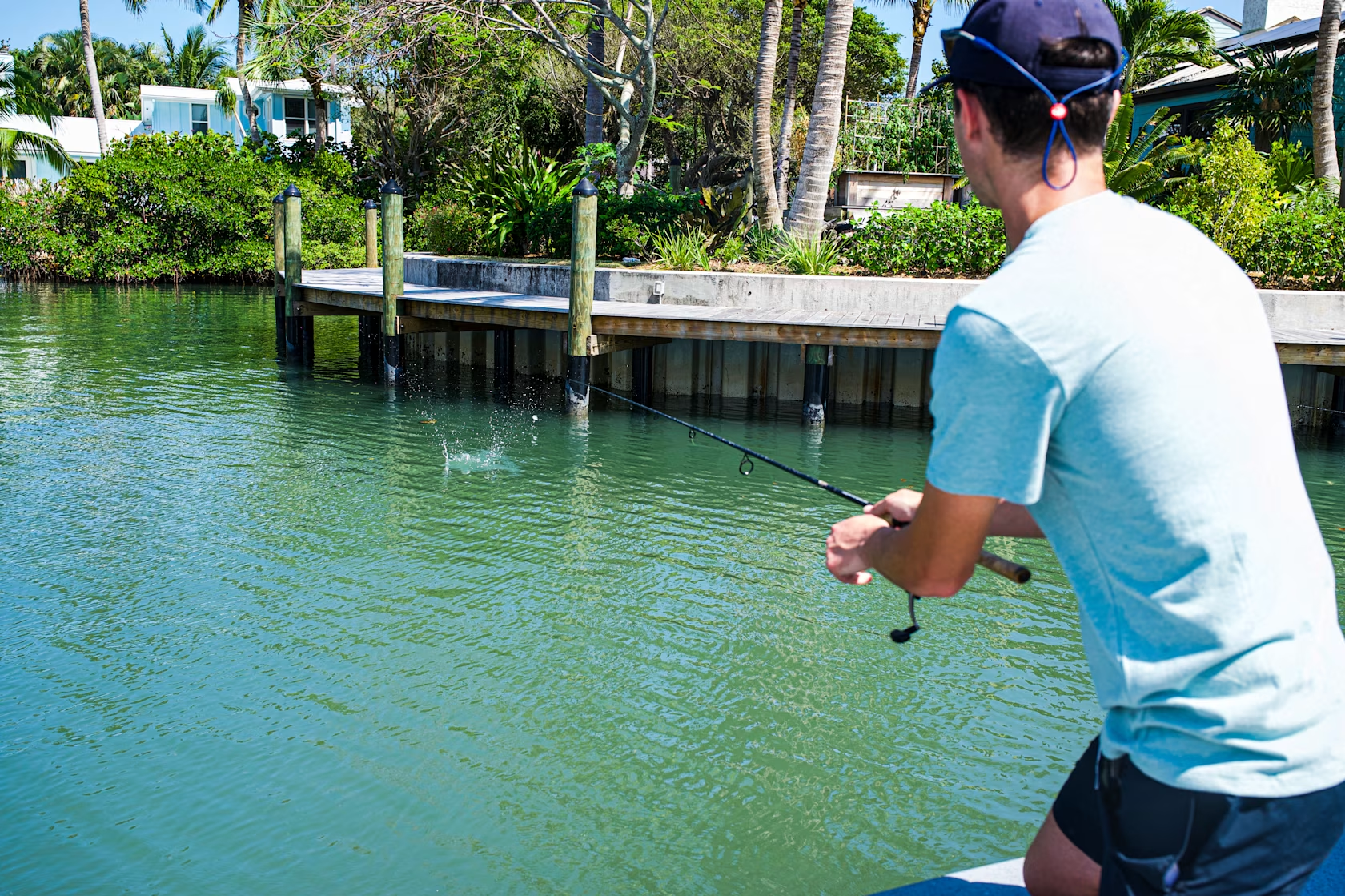
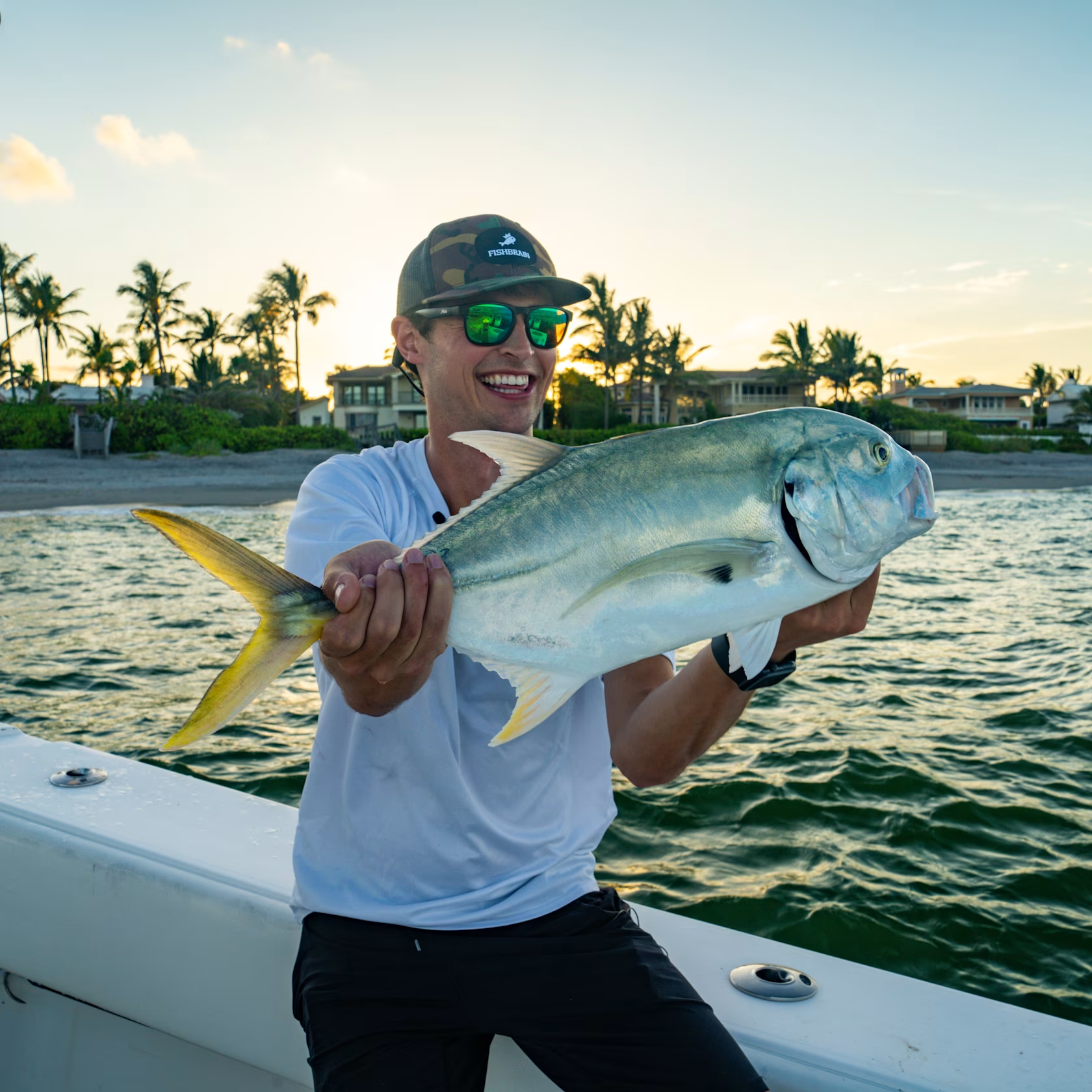
Seawalls make for an excellent ambush spot as snook, jacks and tarpon chase the huge schools and crash them into the walls. More than once, the captain said, he's had clients shaking uncontrollably as they watched the chaos erupt in front of them.
"You'll see 20 by 20 schools of mullet blow up and start jumping from predators, and they even jump into the boat," Baker said.
The sight is certainly something to behold, but setting the hook on something isn't as easy as it sounds. In fact, it seems that when you're casting a small fish into a giant pile of small fish, it can be hard to get your bait noticed.
"It's a little bit slower fishing (on the angler's part). It's a little harder because you're fishing one mullet in a whole school of them," Baker said.
The captain recommends finding a bait ball of mullet and casting out your own mullet on a hook just outside or on the edge of the ball. This should create a single snack easily targeted by predators.
He also stresses watching the schools and taking note of where they are in the water column. This observation can determine how, or where, you hook a mullet as bait.
Baker said mullet against a seawall tend to be higher toward the surface, in which case he hooks them near their anal fin, or tail hooking, which keeps his bait toward the surface.
If the school is lower in the column, like off the beach, then hooking them more toward the head, like nose hooking, will make them swim down.
On the beach
These tactics work for beach anglers just as well. The only difference is in how you approach the large schools. On the beach, you need to first locate a school, usually by looking for nervous water, thrashing or jumping mullet. Your next challenge is keeping up with the school, moving alongside it and casting on the outer edges, where your bait can be targeted easily by predators.
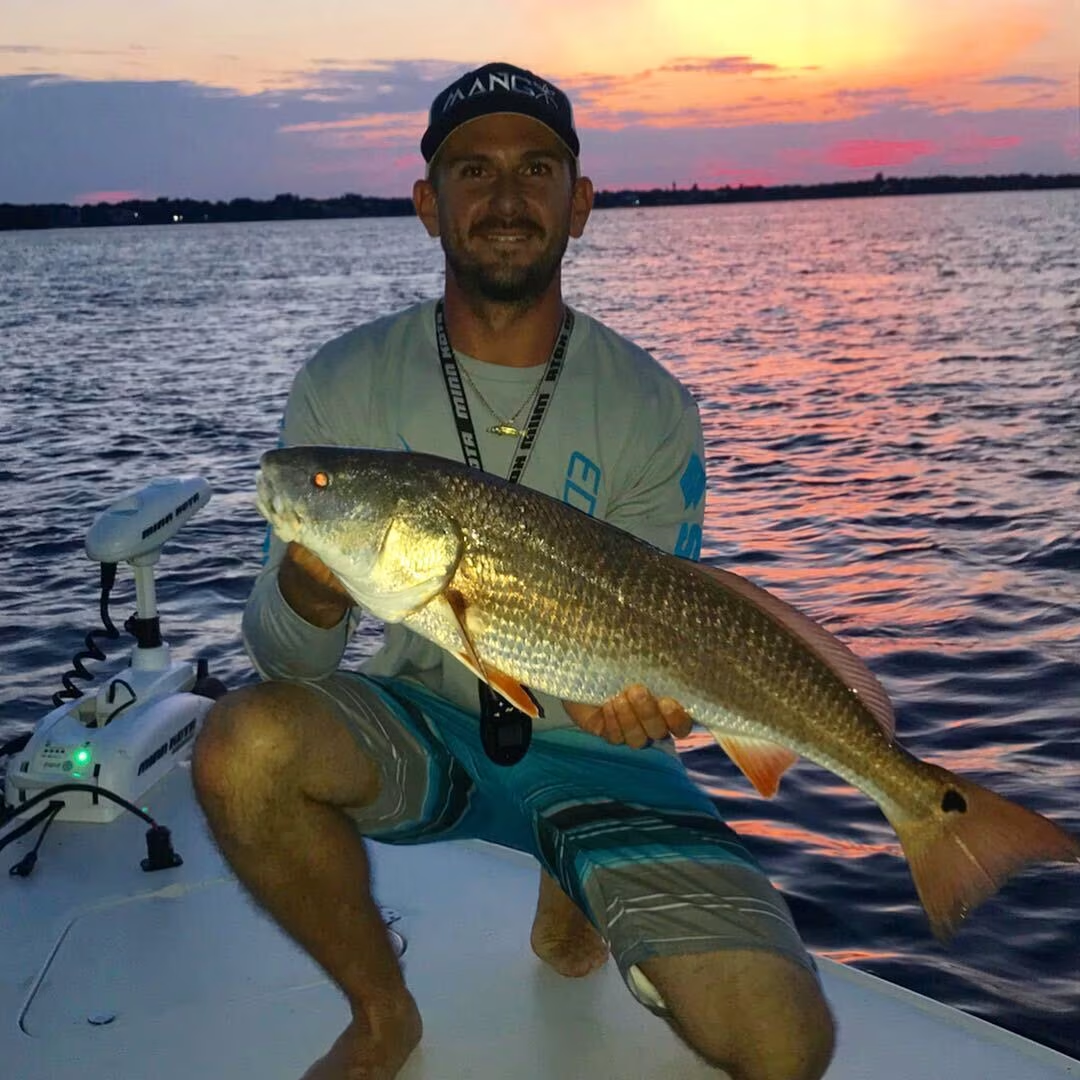
You'll have a bit more variety of fish chasing the school on the beach as well, with sharks, tarpon and sea trout preferring the beach, more so, over the seawalls. Redfish also feast on the migration, but have a much lower density in some parts of south and southeastern Florida due to the loss of seagrass.
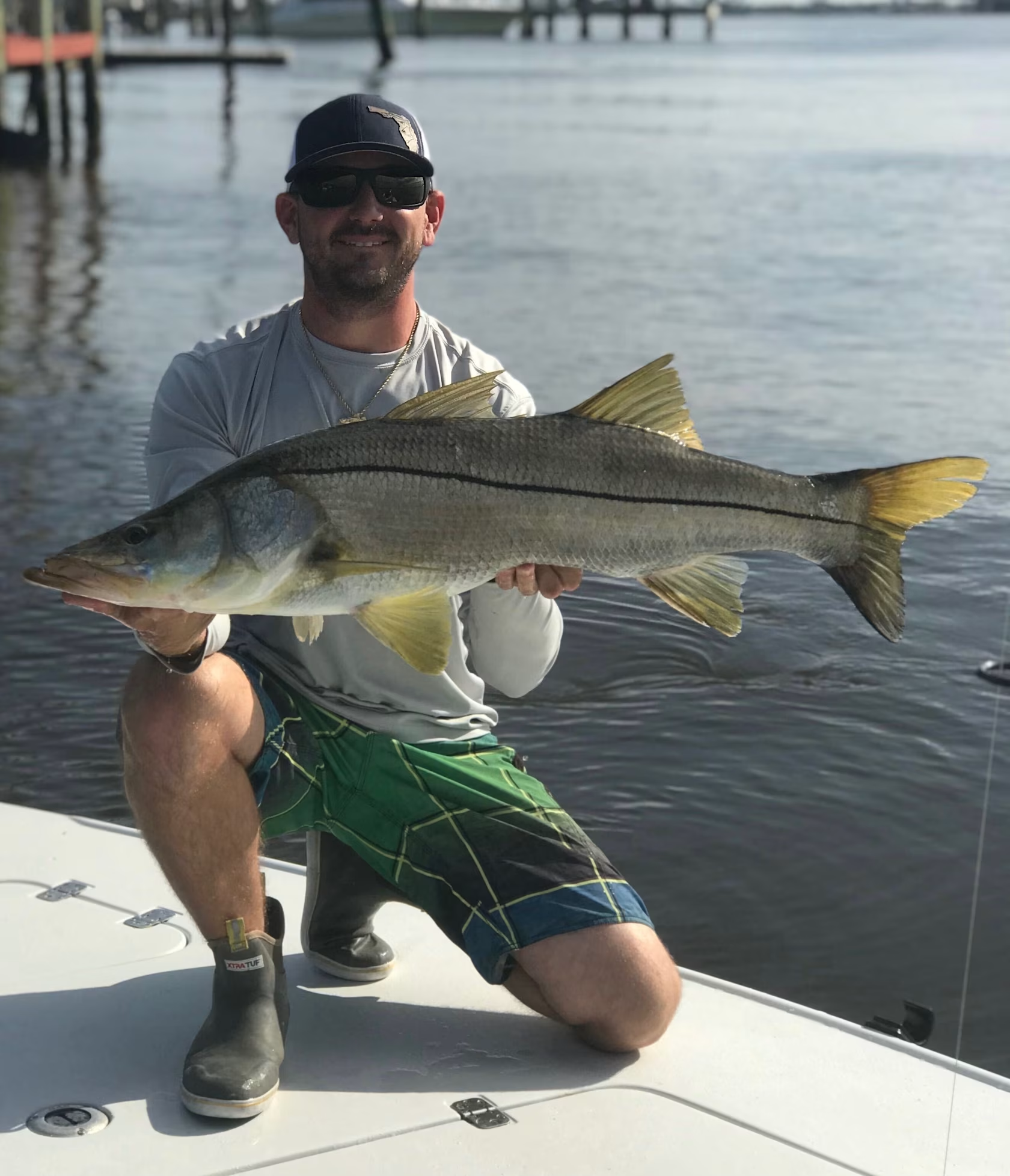
Snook, on the other hand, are one of the most common species found in Florida, and the state's snook season begins September 1, coinciding well with the beginning of the mullet run.
Fishing action like none other
If you've never seen the chaos of a feeding frenzy like the mullet run, it may be one of the most exciting fishing experiences an angler can have. According to Captain Baker, the blowups, variety of species and fish coming at you in every direction make the mullet run something every angler should witness firsthand, at least once in their lives.
"Anglers need to keep their heads on a swivel because the action never stops, and it comes from every direction."
Make sure to follow Captain Cody Baker here for all the updates on this year's mullet run, or check out his website to see his trophy photos and charter information.

Download the Fishbrain app and access the best fishing spots in your area
Related blog posts
Get our best fall bass fishing tips, from finding baitfish to picking lures that work when the water cools. Fish smarter this fall.
Why do so many captains ban bananas from the boat? Dig into the history behind fishing’s strangest superstition, from sunken ships to hidden spiders.
If fish keep trailing your lure without ever committing, you're not alone, and it's rarely bad luck. This guide breaks down why fish follow instead of striking, plus the retrieve changes, lure swaps and hookset tricks that turn hesitant followers into solid bites. You'll also learn how to read what those follows are telling you about depth, mood and presentation, so you can adjust on the water instead of guessing.