All follows and no takes
If fish keep trailing your lure without ever committing, you're not alone, and it's rarely bad luck. This guide breaks down why fish follow instead of striking, plus the retrieve changes, lure swaps and hookset tricks that turn hesitant followers into solid bites. You'll also learn how to read what those follows are telling you about depth, mood and presentation, so you can adjust on the water instead of guessing.
Share this article
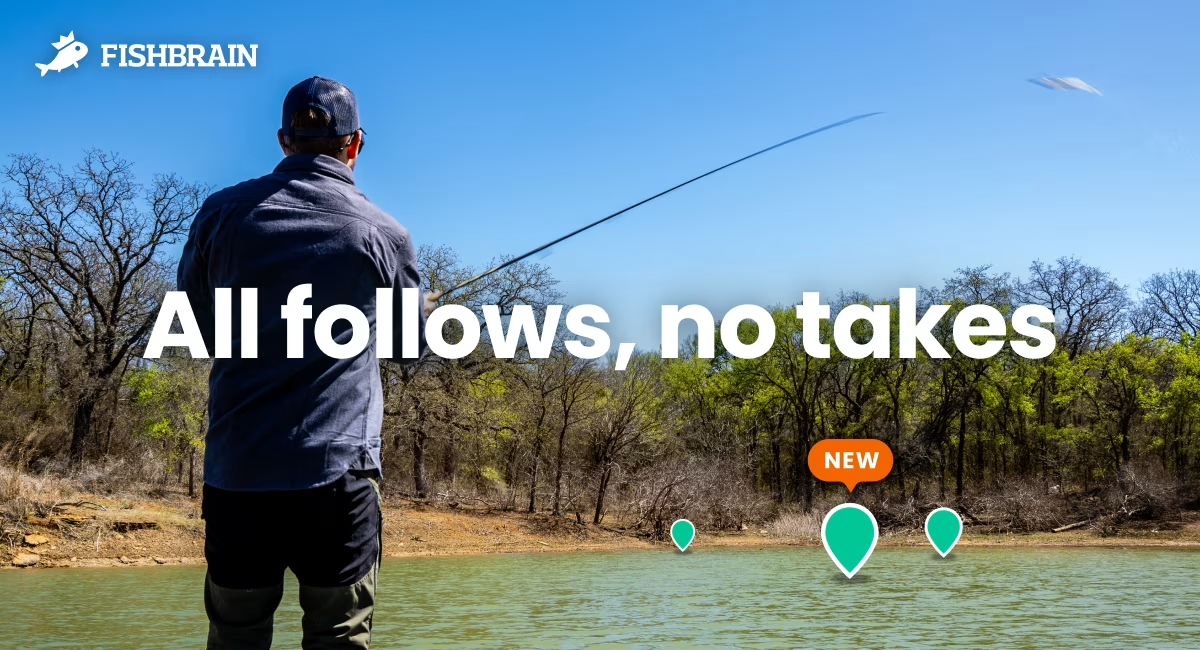
Another follow, this time all the way to the bank, almost to your feet. It's one of the most frustrating sights in fishing, and hardly a species doesn't commit the offense. Pike, smallies, bucketmouths and even trout are notorious for these crimes against angling, but it's not hopeless. Study these tips and try them when curiosity seems to outweigh hunger.
The dead drift
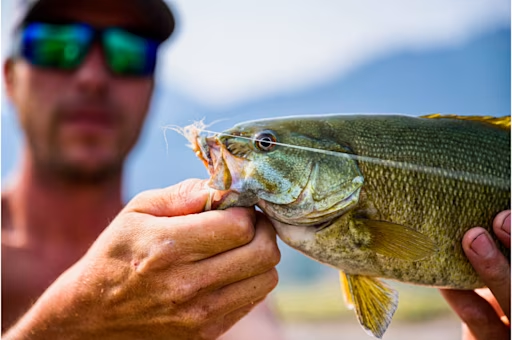
This technique works especially well on smallmouth in low, clear water, where conditions make smallies very cautious. Fishbrain's most recent trip to Wisconsin came during historically low flows on the Milwaukee River. Smallmouth were everywhere, but coaxing one out of the shadows seemed nearly impossible. It wasn't until our last day that we broke out a new technique. The fish refused to commit to a moving lure or fly, but when we dead drifted a crawfish imitation and let it settle into the rocks, they finally slurped it up.
The trick is to spot the fish and give your lure as little movement as possible. Cautious bass will want to inspect it before they finally take it, giving you the chance to set the hook.Another follow, this time all the way to the bank, almost to your feet. It's one of the most frustrating sights in fishing, and hardly a species doesn't commit the offense. Pike, smallies, bucketmouths and even trout are notorious for these crimes against angling, but it's not hopeless. Study these tips and try them when curiosity seems to outweigh hunger.
The dead drift
This technique works especially well on smallmouth in low, clear water, where conditions make smallies very cautious. Fishbrain's most recent trip to Wisconsin came during historically low flows on the Milwaukee River. Smallmouth were everywhere, but coaxing one out of the shadows seemed nearly impossible. It wasn't until our last day that we broke out a new technique. The fish refused to commit to a moving lure or fly, but when we dead drifted a crawfish imitation and let it settle into the rocks, they finally slurped it up.
The trick is to spot the fish and give your lure as little movement as possible. Cautious bass will want to inspect it before they finally take it, giving you the chance to set the hook.
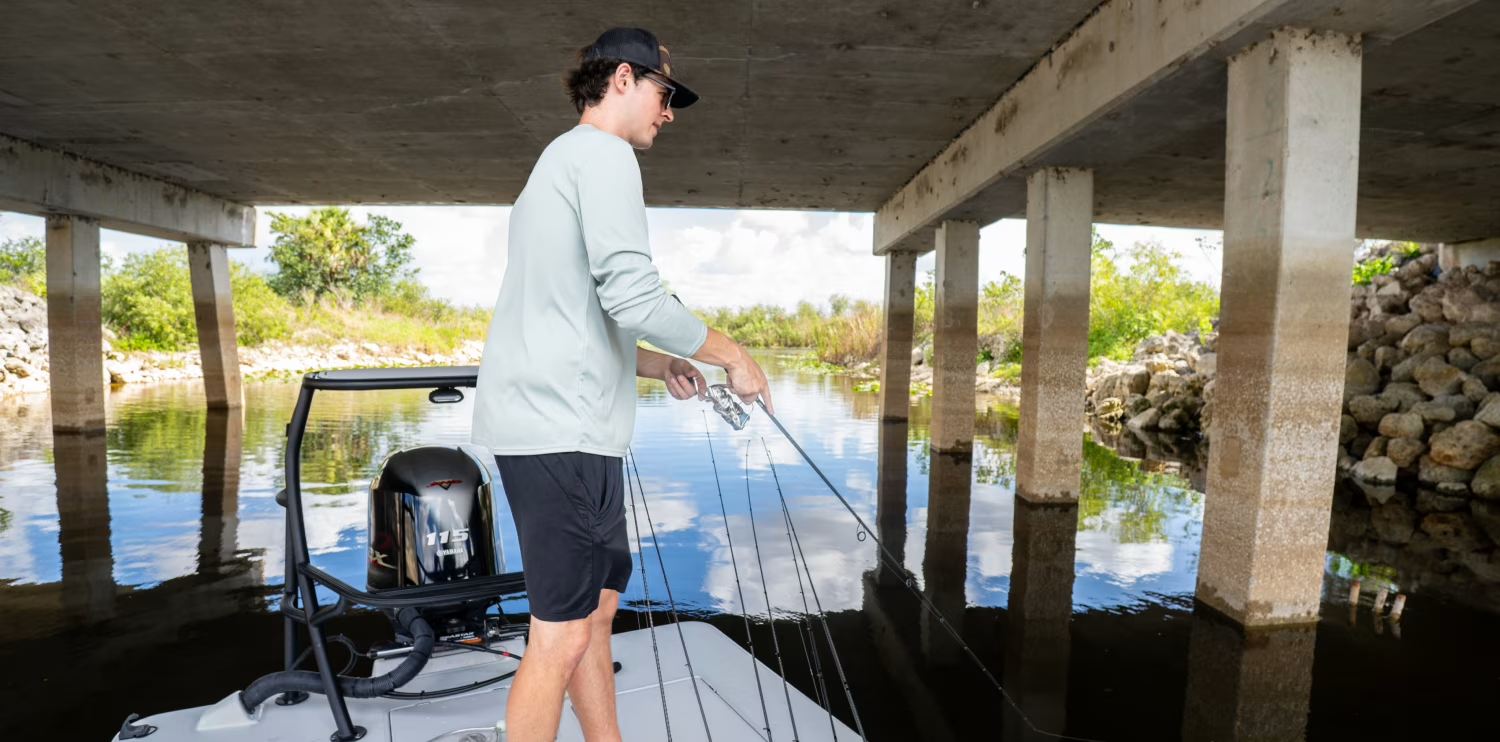
Check your lure action Your lure's action can tell you several things. If a fish is following, the lure is clearly doing something right, but the lack of commitment means something is wrong. Check how your lure wobbles at different speeds. Some motions make a fish curious without triggering its instinct to bite.
Watch for lures that roll onto their sides, too, since that unnatural action can shut off a fish's prey drive.
The fish might not be attracted to that particular action in the current conditions. You may need to swap lures and try something with a more dramatic action or a subtler one.
Change speed and size
Your retrieve speed is also critical. If fish are following but not committing, slow down for sluggish fish or speed up to trigger a feeding response. There's usually a sweet spot for your retrieve cadence, and if fish aren't biting, you haven't found it yet.
You may need to mix and match all these factors to find the perfect combination, and your lure's profile can be a critical piece. Big baits usually attract more aggressive or hungrier fish, while small baits work across more species, seasons and conditions.
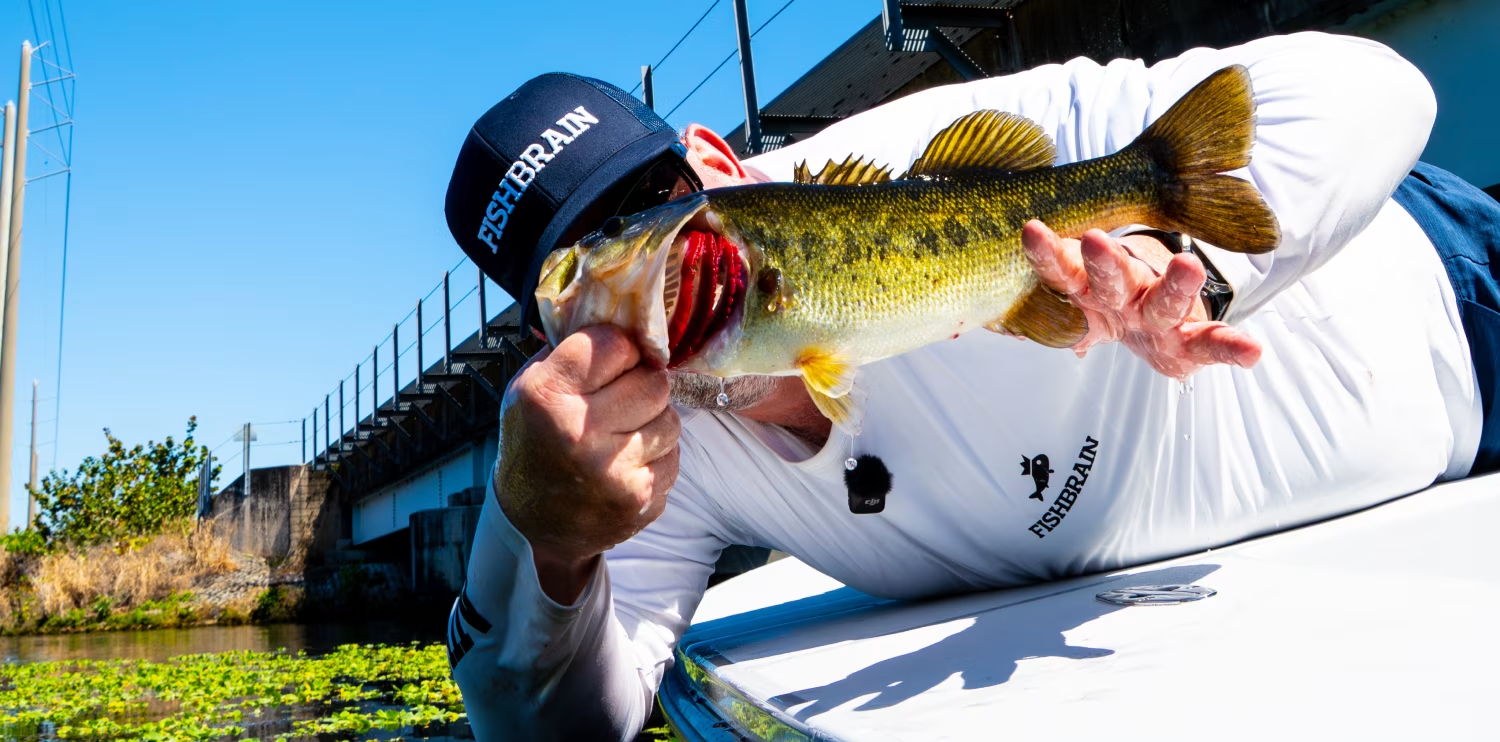
Pitch in the strike zone Fish can be picky. There's no denying it. Sometimes your speed and bait are perfect, but you're at the wrong depth. Fish often feed at a very specific depth but will follow something higher or lower in the water column out of curiosity. If you notice fish rising slightly to follow, add a little more weight to get your bait into the right strike zone.
On a less active day, fish will likely hold tight to cover, and their strike zone will be much smaller than on an active feeding day. Short follows signal a short strike range and can help you home in on where to cast and where to let your bait sit longer.
Looking at fish biology
We asked Fishbrain's resident fish biologist, Ryan Hearn, to help solve the puzzle of fish that follow without feeding.
According to Hearn, there are three main reasons fish follow.
The bait may not be worth the energy
"Fish will often follow slowly behind because they want to see if a meal is worth their energy. If it's not, they'll abort, either because it's not caloric enough to be worth their time or because it seems off and they can tell it's a lure. Here you should do one of two things, or both: Upsize your bait so it seems worth their time, or make it more reactionary. Add pauses and twitches, vary your speed or do a figure eight to make it look more like a weak or dying fish and give them less time to react. A fluorocarbon leader could also help by making your line less visible."
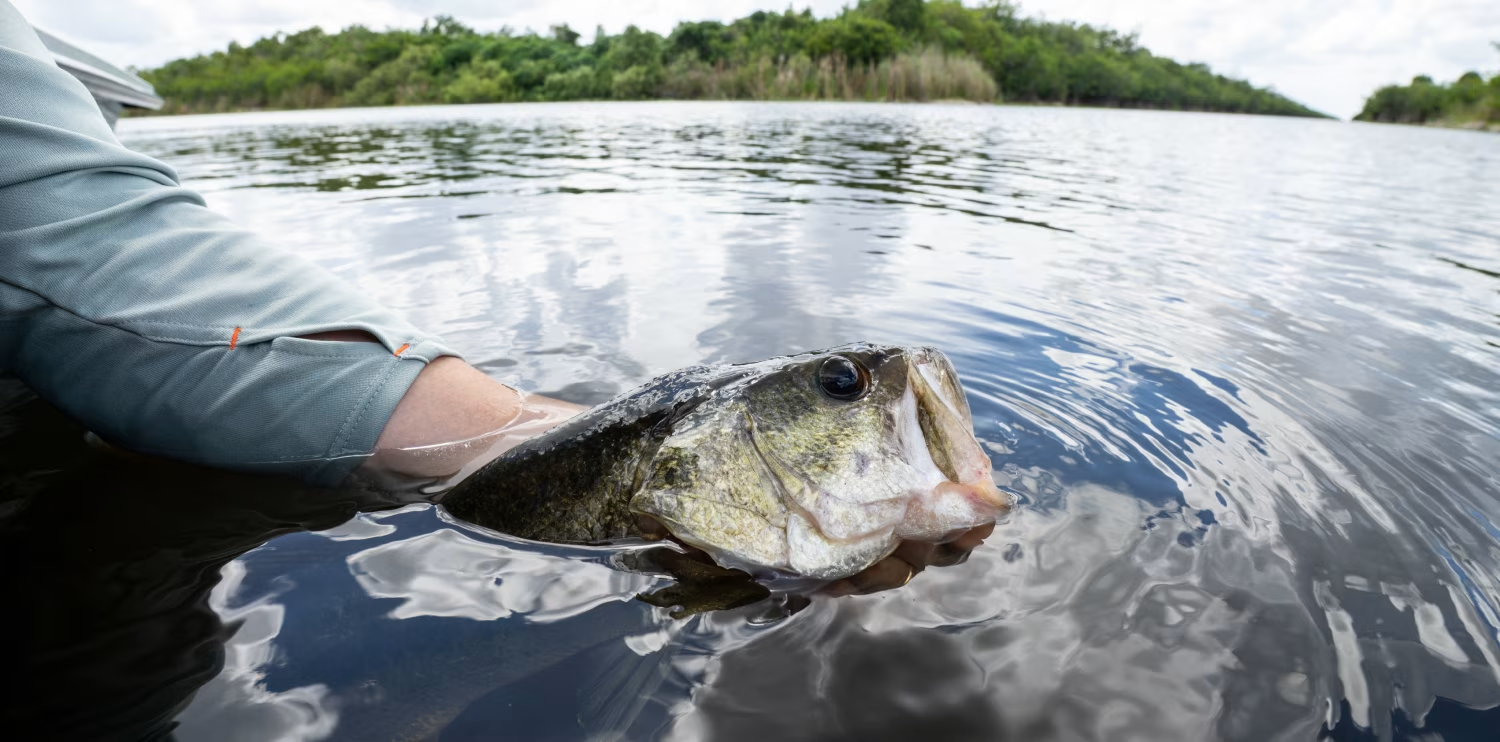
There is no competition nearby "If there's no competition from other predators, fish can take their time and follow because they aren't worried about losing out on food. This can be harder to adapt to as an angler. You can try the same methods above, increasing size and making your bait more reactionary, but another option is to create the illusion of competition with something like an Alabama rig, which carries multiple lures or jigs on one line. Ultimately, if they're being particularly tricky, you may have to find a location with a higher density of predators." 3. They're breeding or nesting and just chasing it off
"Fish may also follow a short distance if they're breeding or nesting and simply think they're scaring the lure off. In this case, a big, bright lure that imitates a rival or a fish that steals eggs is your best bet. Rather than just chasing the lure away, they may decide to take it if it seems formidable enough. Being consistent and making multiple passes is key to pissing them off in this situation."
It's not personal. Fish that follow but won't commit aren't rejecting you. They're testing you, and a few adjustments can turn that hesitation into a hookset. Changing your retrieve speed, switching bait size or just observing the situation closely can turn a curious follower into a confident biter.
Now let's go fishing.
If you haven't tried the No. 1 fishing app worldwide, check out Fishbrain to see all the fish data, fishing spots, weather conditions and much more you've been missing.


Download the Fishbrain app and access the best fishing spots in your area
Related blog posts
Every fall, Florida's coast erupts as millions of mullet trigger a feeding frenzy. See why the mullet run is fishing's wildest spectacle.
Worn or old fishing line can cost you the catch. Learn how often to replace mono, fluorocarbon, and braid, plus how to store and dispose of line properly.
Summer is here and we asked our fisheries biologist Ryan Hearn how you can handle fish safely during the summer heat.