How often should you change your fishing line?
Worn or old fishing line can cost you the catch. Learn how often to replace mono, fluorocarbon, and braid, plus how to store and dispose of line properly.
Share this article
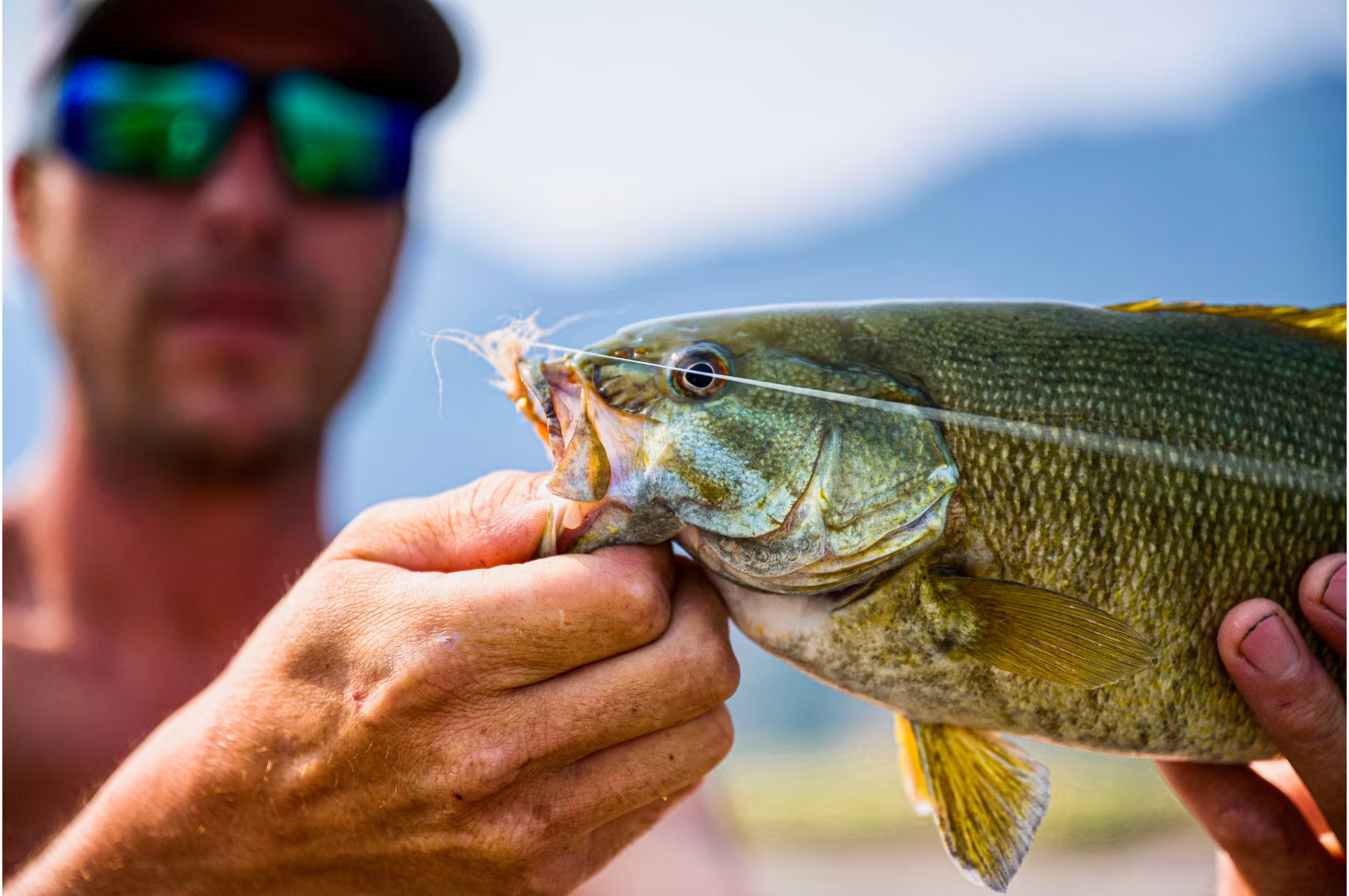
Hooks and fishing line are arguably our most important fishing gear, but a lot of us take our monofilament for granted as it sits on the reel year after year. Break-offs, bird's nests, and bad casting can all happen due to old and damaged line. But when should you change it, and is it the same for every line type?
Let's go over the three main types of line used by everyday anglers, what damages them, and how often you need to recycle them and spool on a new one.
Monofilament
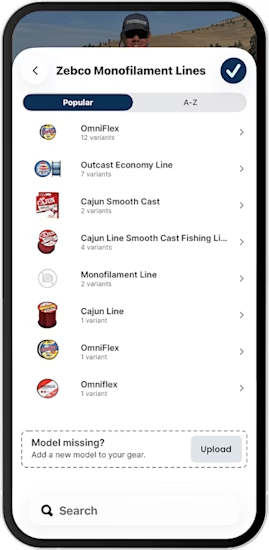
The most common line the average angler probably has on their reel. Mono has great stretch, but is easily damaged by the sun and the conditions you're fishing in. Mono can also fray and lose elasticity from frequent use.
If you're fishing regularly and/or fishing saltwater, you may need to change your line two or even three times a year. Casual anglers can get away with changing their line annually.
Fluorocarbon
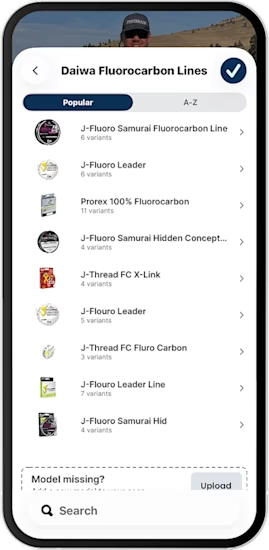
Fluorocarbon is a much stiffer line with little to no stretch. Fluoro is also very transparent, which makes it hold up much better to UV light. Its main downfall is that lack of stretch. When fluoro gets enough constant pressure from all those fish you're landing, it can develop small, centralized weak points where the line thins out.
Its durability against everyday use, salt, and UV rays means most anglers will only need to change their line every two to three years. Hardcore anglers, however, may want to change theirs annually.
Braid
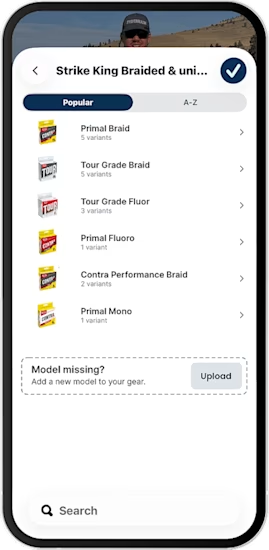
Braided line is just about the toughest of the tough for everyday anglers. Braided line is exactly what it sounds like: several individual lines braided together to make one extremely tough line. Braid is abrasion resistant, UV resistant, and salt resistant. It's not always the best option, however, regardless of its durability. Braid is dense and very conspicuous, making it less than ideal for wary fish and high-visibility waters.
Whether you're fishing several times a week, once a week, or once a month, your braided line could last up to ten years, as long as you regularly check for thin spots and abrasions.
Keep it fresh
Storing your line properly, whether it's on your reel or still spooled, will greatly improve its shelf life. Keep line dry, in the dark, and unexposed to the elements to get the most out of whichever type you're fishing.
What to do with old line?
Old line can be a real headache to deal with. No one wants to see strands of mono littering their favorite fishing spot. Loose line can injure wildlife and even get wrapped in boat props. Luckily, fishing areas and boat ramps all over the country offer disposal units where old line is recycled. If you're disposing of old line at home, cut it into smaller pieces so it has less of a chance to tangle, and place it in another container or bag before throwing it away.
The heartbreak of a snapped line doesn't need to happen to you next time you hook into a monster. Know your line, inspect your line, and change it as needed. Go out prepared, and don't let the next one get away.


Download the Fishbrain app and access the best fishing spots in your area
Related blog posts
Get our best fall bass fishing tips, from finding baitfish to picking lures that work when the water cools. Fish smarter this fall.
Why do so many captains ban bananas from the boat? Dig into the history behind fishing’s strangest superstition, from sunken ships to hidden spiders.
If fish keep trailing your lure without ever committing, you're not alone, and it's rarely bad luck. This guide breaks down why fish follow instead of striking, plus the retrieve changes, lure swaps and hookset tricks that turn hesitant followers into solid bites. You'll also learn how to read what those follows are telling you about depth, mood and presentation, so you can adjust on the water instead of guessing.