Ethics of fishing the fall spawns
Fishing for spawning fish raises ethical questions—some see it as unfair, others as tradition. Explore the grey area where sport meets conservation.
Share this article
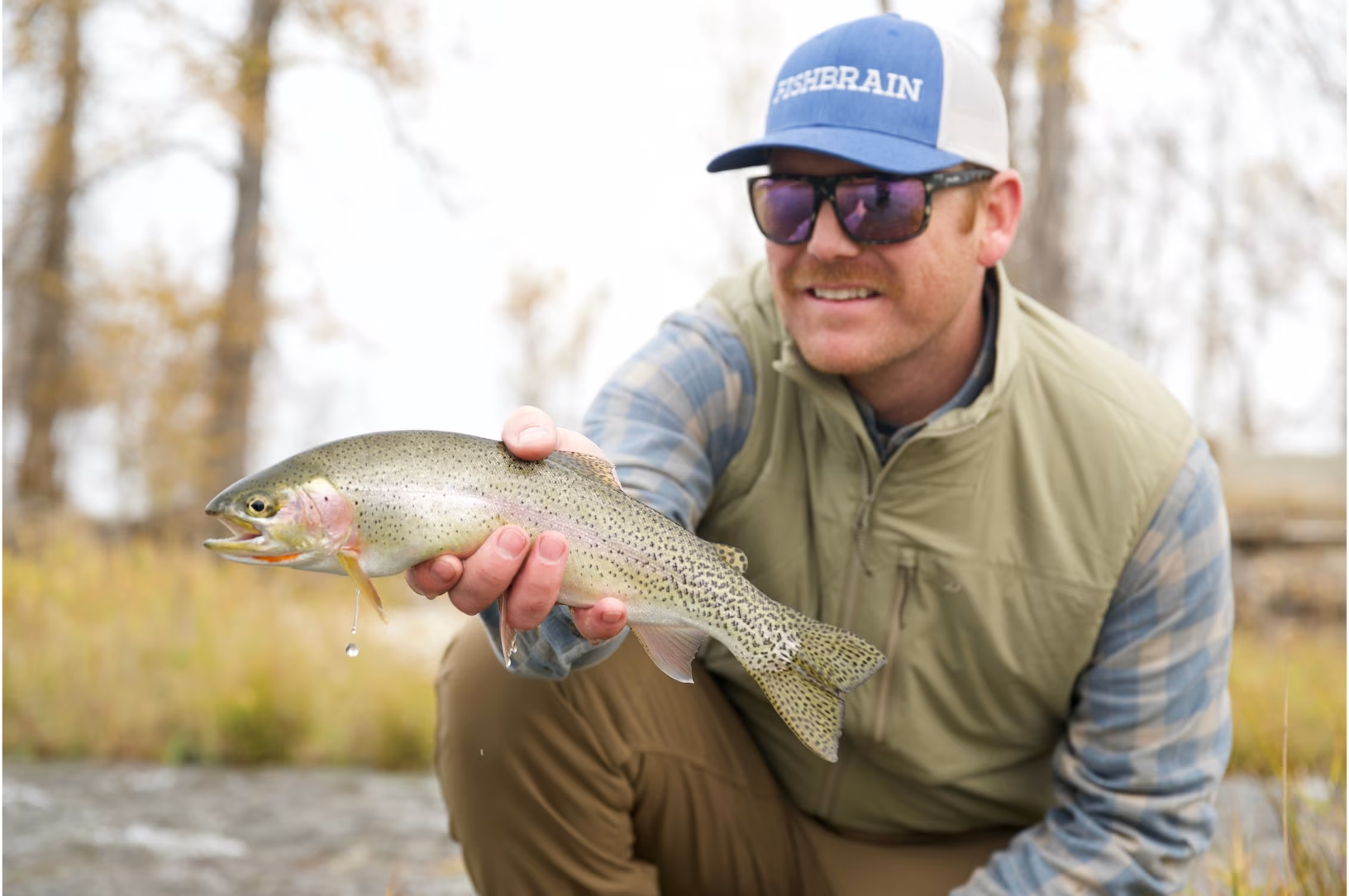
Fishing ethics are often crystal clear universal truths among all anglers. Other times, however, ethics are as clear as a river after a heavy rain. One such argument that still causes many a shouting match on a barstool, is the ethics behind fishing the spawn.
Fall marks the start of some amazing fishing with fish going into a feeding overdrive to prepare for winter, but with fall comes some selective spawning cycles as well.
While spring is most commonly associated with spawn time, brown trout, brook trout, salmon, steelhead and other species also procreate this time of year. But while tips and tactics abound for targeting bass on their beds, a brown on a red can get you run out of the tackle shop.
Let’s take a look at the difference in opinions in fishing ethics and why some species are off limits and whether they should be.
Why are bass ok and trout off limits?
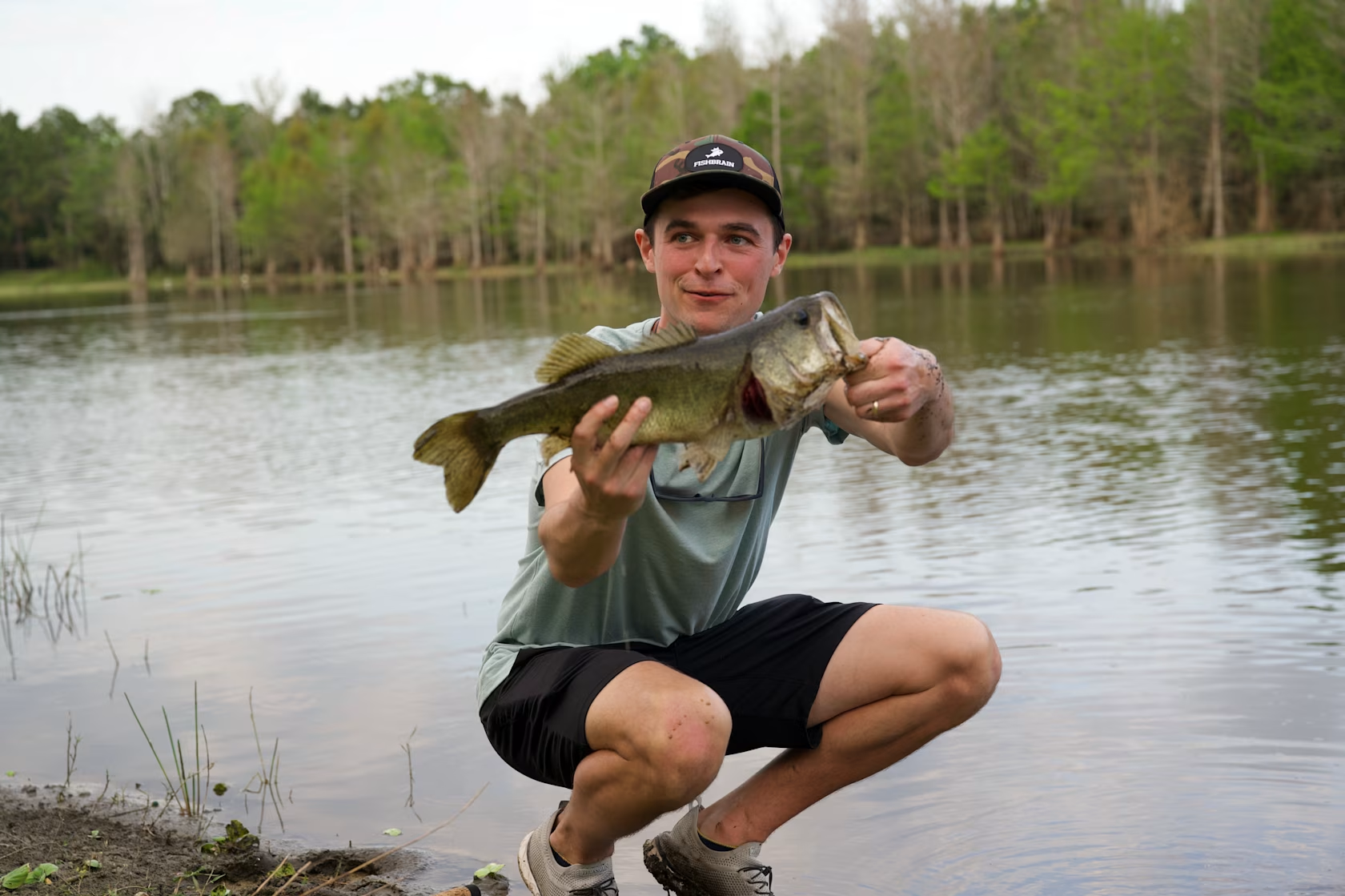
Bass are one of the most prominently found species across the country. Their preference for warm water, also makes them quite hardy when it comes to handling and reproducing. Being the nation’s number one sport fish, bass don’t seem to have an offseason. Bass survival rate is much higher than trout after being handled, therefore their expectation to make it back to the bed is higher too.
Trout are nowhere near as hardy as a bass. They need cold water and can’t handle stress, like warmwater species. Their high mortality rate, if not handled properly, make it all the more important to let their spawning process go unharmed.
Fishbrain’s own fisheries biologist, Ryan Hearn even waded into the controversy of this topic.
“Trout get special care because even a small water temperature change or oxygen change while spawning in crowded creeks can severely stress them or their eggs, more so than most warmer-water species, " Hearn said. “Whereas most temperate-water species like bass and their eggs tolerate a much wider temperature range and are less fragile in general.”
Another factor considered is the specific habitat a trout needs compared to a bass. You can literally find largemouth in drainage canals, golf course ponds and can live within a wide water temperature range. Trout, however, specifically need cold water between 45-65 degrees to thrive, making them more of a fragile rarity.
But what about non-natives?
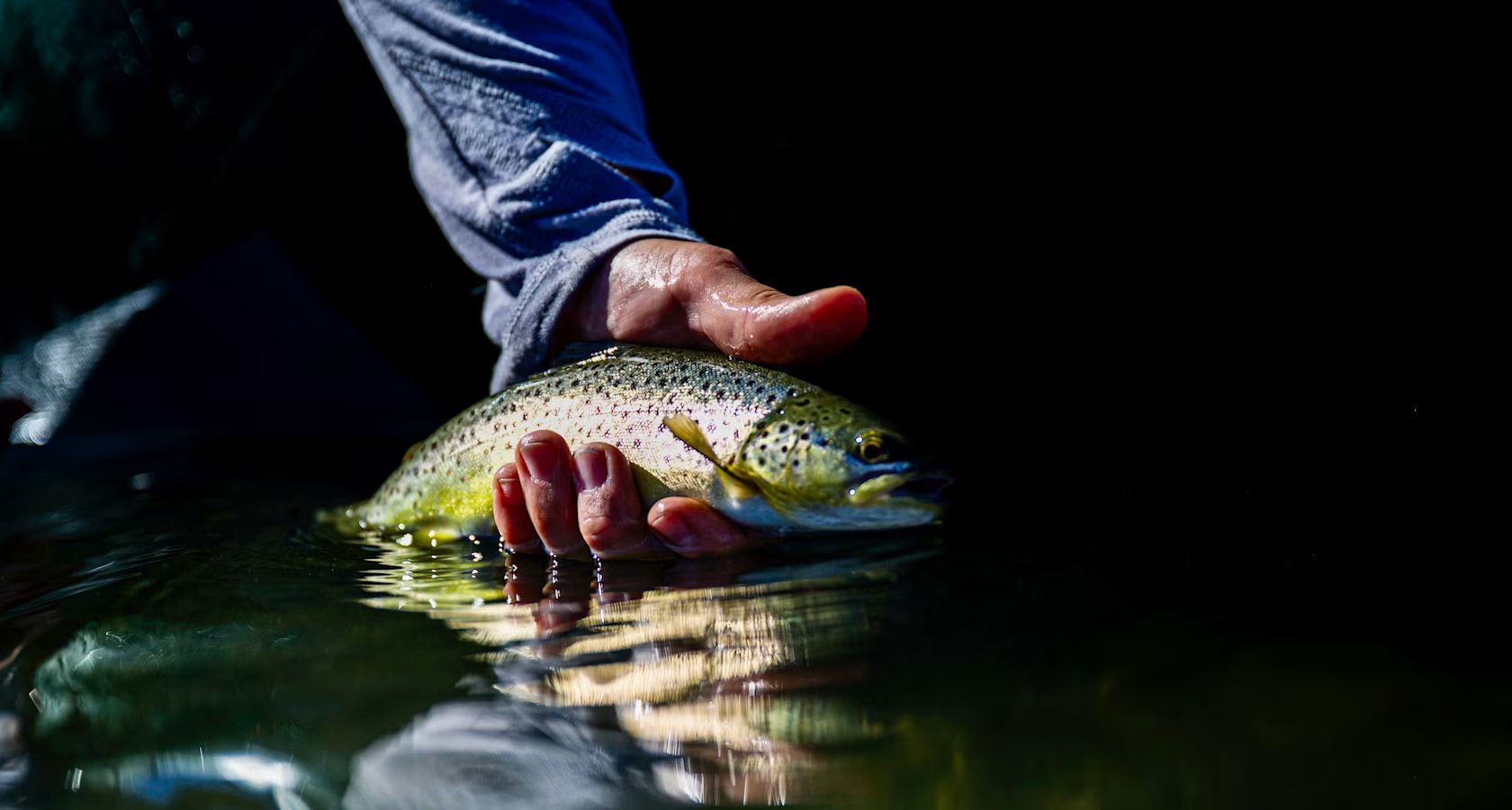
Brown trout are one of the most popular trout species in the states, but it must be addressed that they are non-natives who compete with native populations. Brown trout can mean a lot to a fishery in the form of economic importance, or angler importance, but the question still arises on whether they should be just as protected as the native species.
Fishbrain's director of sales, Jack Mckinney is a former fly fishing guide in Montana, with mixed feelings about spawning fish where conservation goes against fishing instinct.
“I think fishing for any fish while they are on their beds or redds is wrong, but it is also an amazing time to target big aggressive fish,” Mckinney said. “Trout are tricky, especially in the inter-mountain West. Spring and fall spawning seasons are mixed between native and non-native trout. Spring: rainbows and cutthroats. Fall: browns and bulls.”
“I think we need to manage the declining native fish populations, not the introduced and/or potentially hatchery raised and planted, which would mean closing specific river sections, not just creeks in spring and fall.”
Species specific to spawning
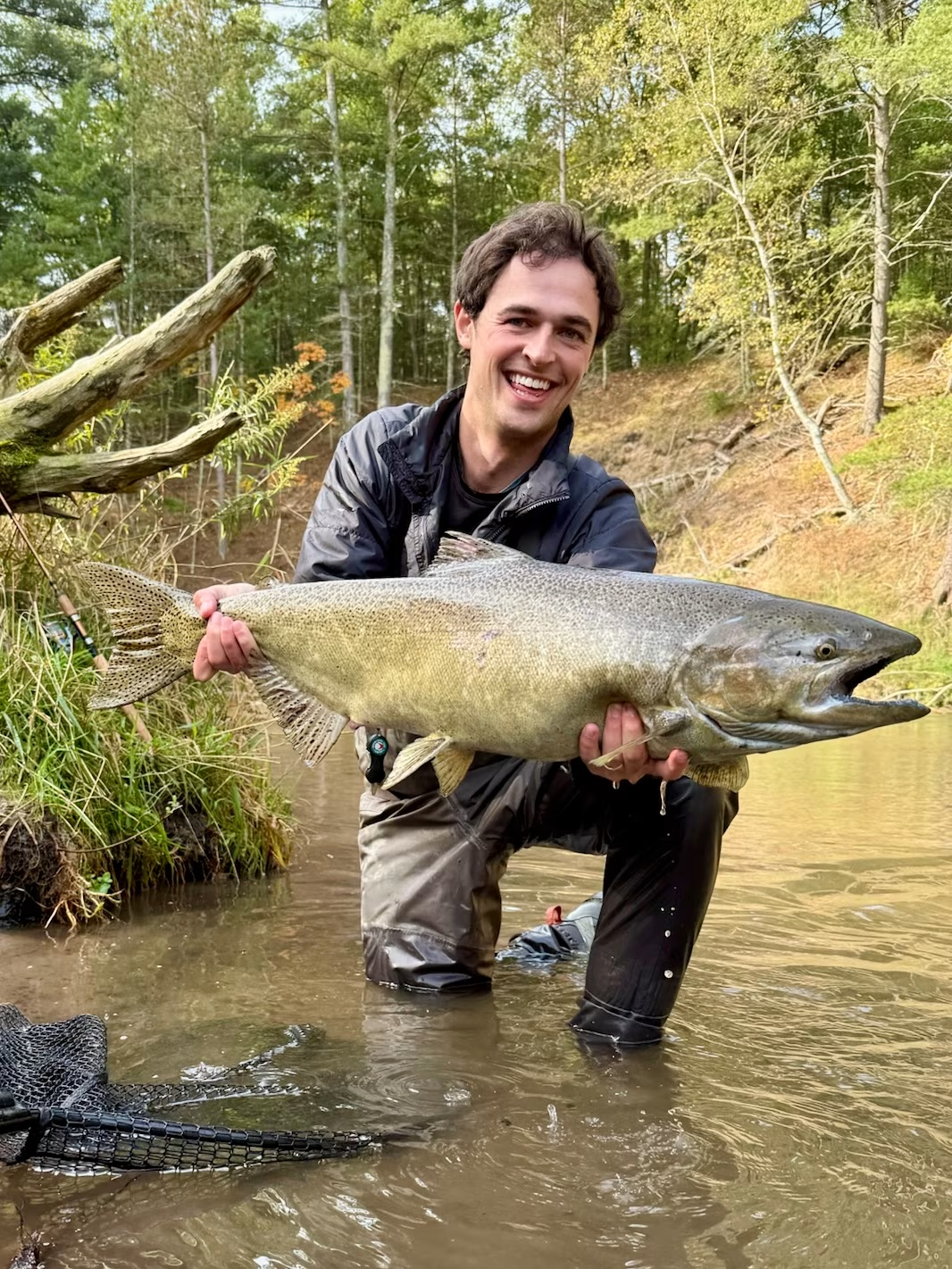
So while bass are ok to target during spawn and the unwritten rules say don't you dare bother a trout, what about species you can only fish for during their spawn?
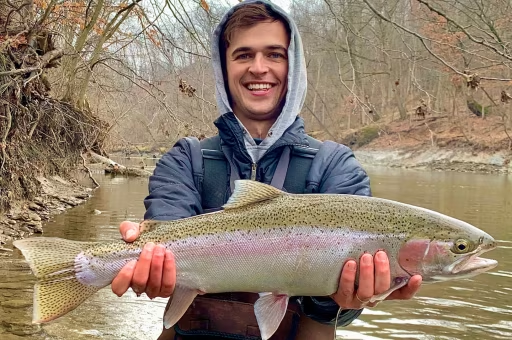
Salmon and steelhead both have fall runs upstream for the sole purpose of spawning. This marks the only time of year you can fish for these species in running water, but comes at the cost of targeting them specifically during reproduction. Native populations of these species are hardly thriving, either. Seasons across the Pacific Northwest are constantly being amended due to low numbers of fish, but seasons still happen every year during an incredibly trying time for these fish. Unlike many trout species, steelhead and salmon need to run (sometimes) hundreds of miles upstream to reproduce and while it's widely acceptable to set the hook on one during this time, it undoubtedly takes a toll on their ability to reproduce.
Peak vitality
There’s an argument to be made that when all fish spawn they are actually at peak health the strongest they will be for the entire year. The argument goes on to suggest that when anglers go back to catching fish post post spawn they are actually at their weakest point in the year.
This argument does not take into account, however, that fish need to be in peak health to survive the rigors of the spawn and any extra stress on them could prevent them from reproducing, or protecting their eggs. The peak health argument also focuses on individual fish instead of putting the focus on the next generation.
Yes they may be at their weakest post spawn, but the point was never to protect the individual fish, necessarily. The point is to allow spawning to happen, placing the emphasis on future generations. Any jeopardization of that future should not be taken, in theory at least.
Draw your own conclusions
Unwritten rules, unspoken codes of ethics and unseen doctrines rule how we fish and how we want to be perceived as anglers. If it's not against the official laws, should you do it? No one has the answers and even though the great Aldo Leopold once said “ethical behavior is doing the right thing when no one is watching,” it's still up to you to decide what the right thing is for each individual situation.
Now let’s go fishing.
If you haven't experienced the #1 fishing app worldwide, make sure and check out Fishbrain to see all the fish data, fishing spots, weather conditions you've been missing out on plus much more.

Download the Fishbrain app and access the best fishing spots in your area
Related blog posts
Looking for the best fishing stories about snagging your fishing line? This entertaining collection dives into real-life angler mishaps, hilarious hook-ups with underwater obstacles, and the unforgettable moments when a “big catch” turns out to be a stubborn stump. From bass fishing blunders to offshore disasters, these fishing stories capture the frustration, creativity, and camaraderie that come with getting your line snagged.
Women make great anglers and on International Women's Day we are highlighting three women from different regions of the country who's lives revolve around fishing and water.
Fishbrain's interview with writer and director of The History of Sportfishing documentary, Michael Fowlkes.