Breaking the skunk: How to keep fishing when the bite goes silent
Had those hard days when fish aren't biting? Here are ways you can continue to fish and perfect your technique in the meantime.
Share this article
Article written by Fishbrain user ShiftyUSMC:
The dog days of summer are upon us. Water temperatures continue to rise, and it seems like the heat waves only produce sweat and unbitten lures. As the fish go deeper in search of colder and more oxygenated water, those of us fishing from the bank or without electronics may find ourselves out of luck at our favorite lake or pond.
Even fish reachable with lures may just be less inclined to bite. If you’re unable to get out before sunrise or after sunset during the narrow windows when the fish may bite, it may be time to change things up.
Every year there’s a period where I can’t bring myself to suffer through another long trip with zero results, so I change the game. I trade in my heavy bass rod with 25 lbs braid for a much smaller ultralight rod, spun up with 4 lbs mono. I put my 5-inch swimbaits on the shelf and swap in little crankbaits and spinners that are my thumbnail’s size.
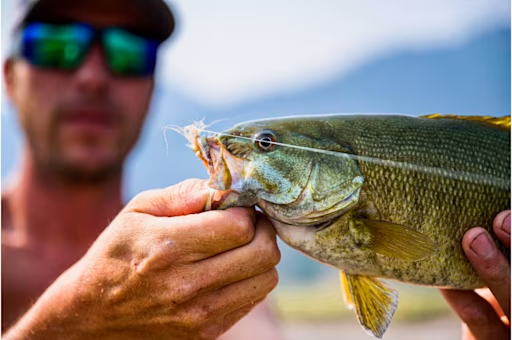
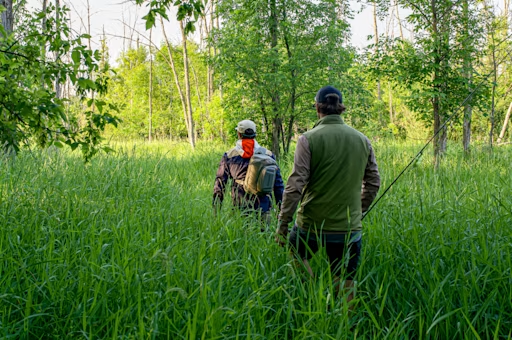
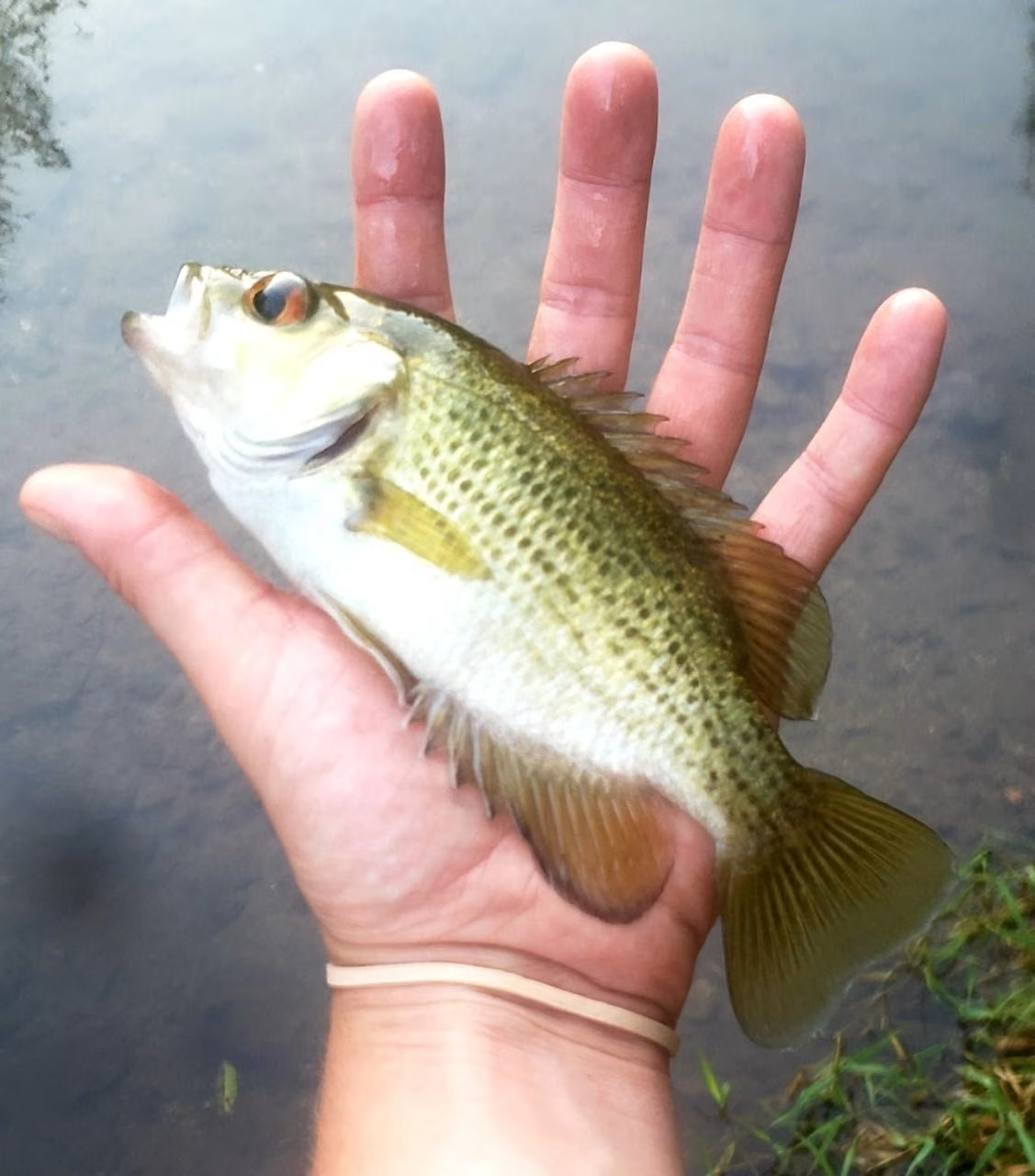
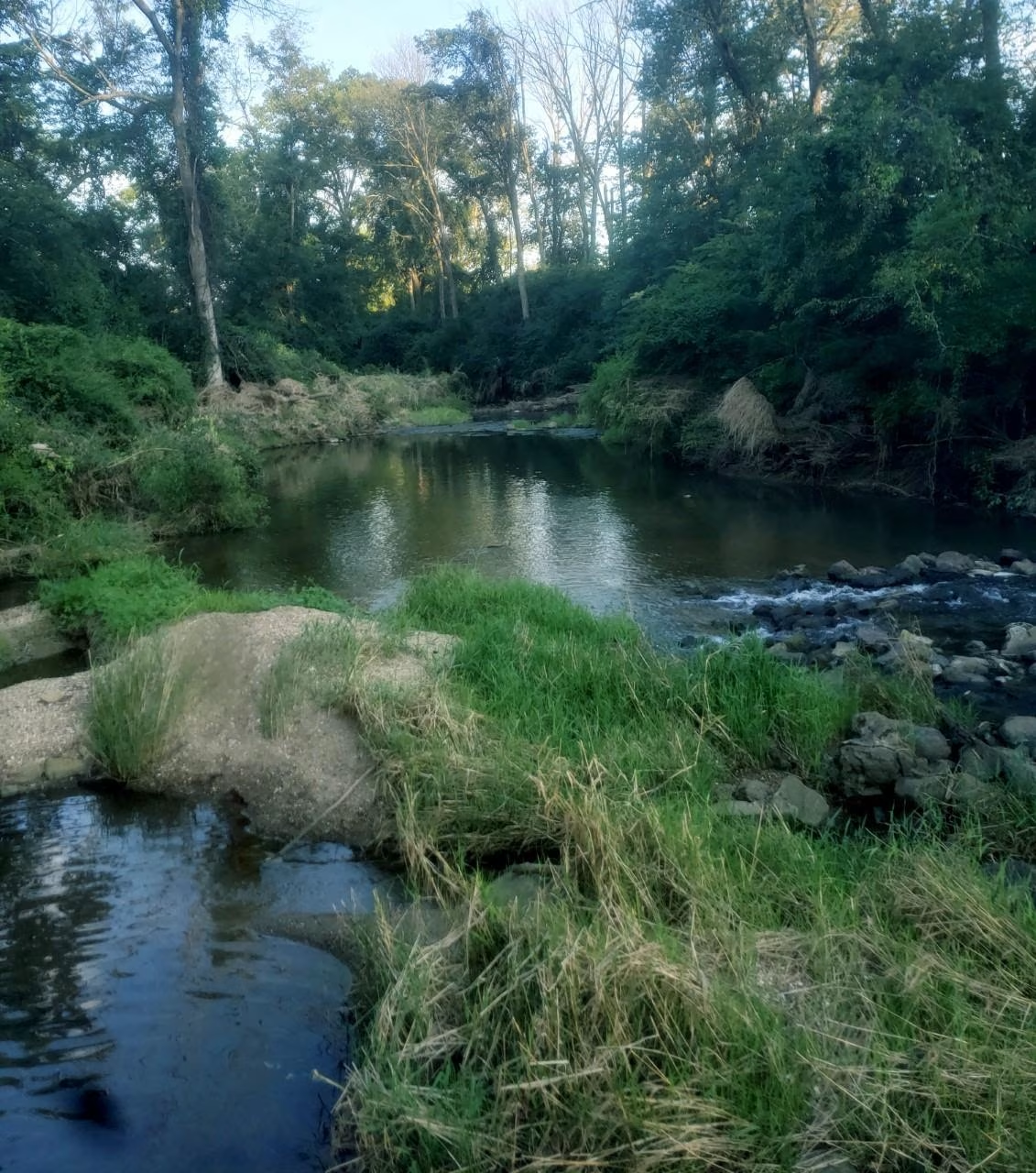
Next, find a small river, creek, stream, or tributary and start tossing in lures. As you walk these little creeks and streams, look for bends and holes where the water becomes deep enough to hold fish, and you’ll find very quickly that these fish are hungry and aggressive. These backwoods streams are typically not fished like the local hotspots, and you'll find yourself pulling out bluegill and small bass every few casts.
Since you’ve got a very light line and a very light setup, even the smallest of fish will feel like you’ve got a 5 Pounder on the other end. Micro fishing like this is also a great way to learn and practice new techniques or tricks.
Once you feel confident with your new technique in these tiny waterways, just upgrade the size and bring them back to your favorite lake or pond for the real deal. Half the fun of catching these little guys is how often you get to do it, and the opportunity to explore parts of waterways that rarely see people.
Use these days to improve your skills, your casting, and your ability to find the fish. Come fall, you’ll have to be on your game as the fish start feeding up for winter. Be sure to bring proper hook removal tools with you as little hooks in little mouths prove to be difficult on the fingers. Keep exploring and keep your lines tight!
David Shaeffer (Fishbrain user ShiftyUSMC) is our Pro Staff dedicated to providing regular fishing tips and advice. He also manages the subreddit Fishing for Beginners

Download the Fishbrain app and access the best fishing spots in your area
Related blog posts
Why do so many captains ban bananas from the boat? Dig into the history behind fishing’s strangest superstition, from sunken ships to hidden spiders.
If fish keep trailing your lure without ever committing, you're not alone, and it's rarely bad luck. This guide breaks down why fish follow instead of striking, plus the retrieve changes, lure swaps and hookset tricks that turn hesitant followers into solid bites. You'll also learn how to read what those follows are telling you about depth, mood and presentation, so you can adjust on the water instead of guessing.
Every fall, Florida's coast erupts as millions of mullet trigger a feeding frenzy. See why the mullet run is fishing's wildest spectacle.